
Coast Road Wheels
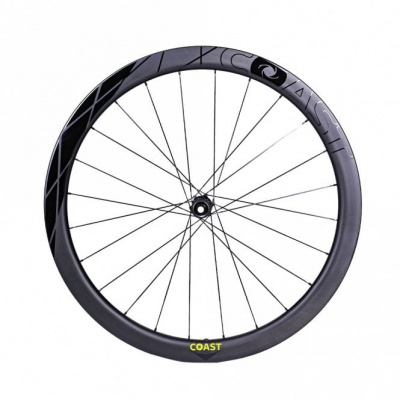
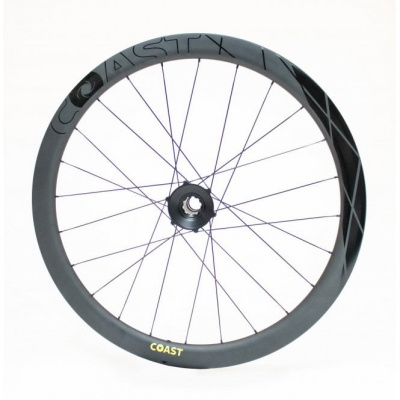
Coast road wheels sit at the sharper end of the value-performance argument - a range that covers everything from no-nonsense alloy training hoops to deep-section carbon fiber aero wheelsets, all without demanding race-team budgets. Swap your wheels and you'll feel the difference before you've left the end of the road. That's not a marketing line; it's just physics. Rotational weight and aerodynamic profile matter more than almost any other upgrade you can make to a road bike.
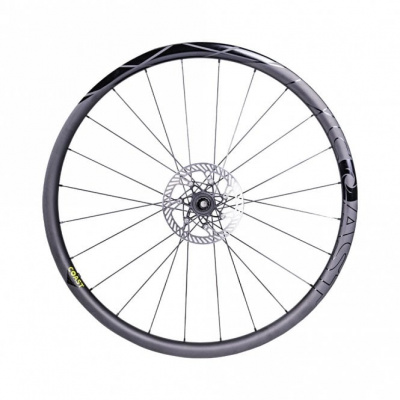
The Coast lineup spans tubeless ready rims with pre-installed tape, centerlock disc hubs for modern thru-axle frames, and traditional rim brake options if your frameset calls for it. Sealed cartridge bearings keep the drivetrain side of things rolling cleanly through winter muck, and the internal rim width across the range suits 25c to 32c road tyres comfortably.
One thing worth flagging before you browse: if you're planning to run tyres wider than 32c for mixed-surface riding, these road-specific rims aren't the right call. The narrower internal profiles aren't optimised for the lower pressures wide gravel rubber needs. In that case, head straight to our Coast Gravel Wheels collection instead. For tarmac and fast B-roads, though, you're in the right place.
Prices and availability can change quickly. Delivery charges are not always included in listed prices.
Final price, stock status and delivery terms are set by retailer. We may receive a commission on purchases made.
Axle Standards, Rotor Mounts, and Freehub Bodies
Getting compatibility right before you buy saves a lot of faff. Most current Coast road wheels are built around thru-axle standards - 12x100mm at the front and 12x142mm at the rear - which matches the vast majority of disc road frames produced in the last five or six years. If you're running an older frame with 9mm quick-release dropouts, check the product listing carefully; not every model in the range covers that standard.
On the braking side, Coast disc wheels predominantly use centerlock disc rotor mounting. It's a cleaner, more precise system than 6-bolt, but you'll need a centerlock-compatible rotor and a lockring tool to fit it. If your current rotors are 6-bolt, a simple centerlock-to-6-bolt adaptor ring solves the problem for a few pounds - worth knowing before you assume there's an issue.
Freehub engagement is where riders most often trip up. Your freehub body must match your cassette standard exactly. Coast hubs typically ship with a Shimano HG body, which covers 11-speed and most 12-speed Shimano drivetrains. If you're running SRAM 12-speed, you need an XDR freehub body - a different beast entirely, with a narrower spline interface. Campagnolo users need their own N3W or traditional body depending on groupset generation. Most Coast hubs accept interchangeable freehub bodies, so you can swap rather than replace, but confirm this in the spec sheet for the specific model you're buying. Get this wrong and your cassette simply won't seat correctly. Fifteen seconds of cross-referencing before checkout is time well spent.
Picking the Right Wheel for How You Actually Ride
Coast organises its road wheel range across two broad categories, and the choice between them comes down to where and how you ride rather than budget alone.
The shallow-section alloy models - typically in the 25mm to 30mm rim depth bracket - are the sensible choice for winter miles, hilly sportives, and days when the forecast is doing its usual British thing. They're noticeably lighter than the carbon options, which matters when you're grinding up a long drag in the Dales or ticking off the climbs on a Welsh sportive. The aerodynamic profile is modest, but aerodynamics matter far less at climbing speeds than rim weight does. These wheels also tend to handle pothole-heavy B-roads better; a shallower, stiffer alloy rim with high spoke tension absorbs road shock without the flex you sometimes feel in a lightweight carbon hoop.
The deep-section Coast carbon road wheelset options - running from around 40mm to 50mm in rim depth - are a different proposition. On flat or rolling roads, the aero gains are real and measurable. Coast's aero-optimised U-shaped rim profiles are designed to stabilise airflow across a range of wind angles, which reduces the nervous, weather-vane feeling you can get with older, more blade-like deep sections. That said, crosswind stability on exposed routes - think the flatlands of East Anglia or the long coastal road sections on a Welsh audax - still requires attentive steering. The deeper the rim, the more it catches a gust. That's a physics trade-off no rim profile fully eliminates; Coast manages it well, but don't expect a 50mm carbon wheel to feel as planted as a 30mm alloy in a sidewind.
The carbon models also feature high-engagement pawl systems in the hubs, which translates to near-instant power transfer when you put in a hard effort out of a corner or jump onto a wheel. You feel it as a crisp, immediate response rather than a fraction of a second of mechanical slack. For DT Swiss road wheels or Mavic road wheels, this kind of engagement system is a well-established selling point; Coast applies a similar philosophy at a more accessible price point.
Keeping Coast Wheels Rolling Through a UK Winter
British roads are genuinely hard on wheels. The combination of road salt, standing water, grit, and the kind of potholes that could swallow a small dog means your maintenance routine matters more here than it would in, say, the dry hills of southern Spain.
Sealed cartridge bearings in the hubs are your first line of defence, but sealed doesn't mean invincible. After consistently wet winter rides - say, a block of December training on wet Suffolk lanes - it's worth spinning the wheels off the bike and checking for any roughness or lateral play in the bearings. Catching a bearing that's starting to corrode or pit early is far cheaper than replacing a hub shell later. A quick wipe-down of the axle ends after muddy rides slows the ingress of grit considerably.
For best Coast road wheels for UK winter use, the tubeless setup genuinely earns its keep. Coast's tubeless-ready bead hooks and pre-installed rim tape make the initial setup straightforward - you're adding sealant and valves rather than wrestling with a fiddly tape job. Sealant does dry out, though. In UK conditions, top it up every three to four months rather than the six-month interval you might get away with in a drier climate. If you hear the liquid swishing around when you shake the wheel, you're fine. Silence means it's gone solid. A small amount of fresh sealant through the valve core takes two minutes and saves a roadside puncture.
Rim brake users should check the braking surface regularly through winter. Road grit embedded in brake pads acts like a grinding compound on alloy rims, accelerating wear faster than most riders expect. Swap pads with a grit check as part of your monthly workshop session, and your rims will last significantly longer. For a Coast rim brake wheels upgrade, this kind of preventive care is what makes the investment worthwhile long-term.
After hitting a serious pothole - and on UK B-roads, it's a matter of when rather than if - check spoke tension by plucking each spoke and listening for any that sound noticeably duller or floppier than their neighbours. A wheel that's taken a hard hit can develop one or two loose spokes that will eventually cause the rim to go out of true. A quick check at home, or a visit to your local workshop, is far less hassle than a buckled rim mid-ride. Brands like Fulcrum road wheels and Campagnolo road wheels operate at a similar tier and face the same maintenance realities on UK roads - the discipline is the same regardless of brand.
Coast Road Wheels FAQs
Are Coast road wheels tubeless compatible?
Most current Coast road wheels are tubeless-ready from the box, with bead hooks and pre-installed rim tape already sorted. You'll need tubeless-compatible tyres, valves, and sealant to complete the setup. Check the individual model spec to confirm, as a small number of older or entry-level alloy options may still be clincher-only.
What freehub body do I need for Coast road wheels?
It depends on your cassette. Coast hubs typically ship with a Shimano HG body covering 11- and most 12-speed Shimano groupsets. SRAM 12-speed requires an XDR freehub body, and Campagnolo needs its own specific interface. Most Coast hubs accept swappable freehub bodies, so cross-reference your drivetrain standard before buying.
Can I use Coast road wheels on a gravel bike?
They'll fit if your axle standards align - usually 12x100mm front and 12x142mm rear - but road rims carry a narrower internal rim width that doesn't suit wide gravel tyres or the lower pressures they need. For mixed-surface riding with tyres above 32c, our <a href="https://bikesy.co.uk/b/coast/gravel+wheels/">Coast Gravel Wheels</a> are the better match.