
BTWIN Gloves
BTWIN cycling gloves set the benchmark for high-value ergonomics across road, trail and commuter duties. Whether you're after fingerless mitts for summer club runs or full-finger shells for January singletrack, the range covers you with foam or gel palm padding, moisture-wicking fabrics and velcro cuff adjustment that actually stays put. Decathlon's in-house brand builds gloves that absorb road chatter on the A25 descent and shrug off brambles on Peak District bridleways without asking you to remortgage.
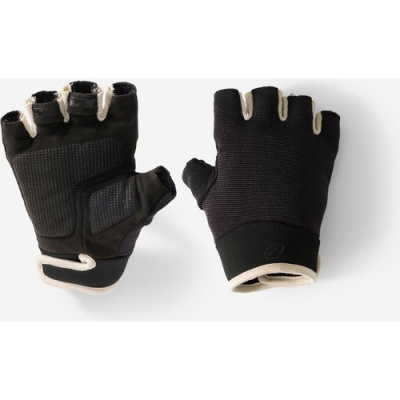
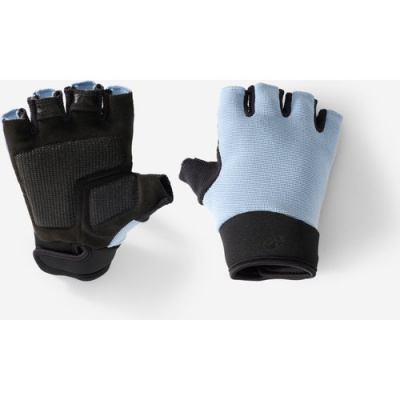
The distinction matters. Mitts suit warm-weather road rides where breathable mesh backs and minimal bulk keep your hands cool; full-finger designs bring thermal insulation and knuckle protection for winter or off-road work. Sizing runs slightly snug compared to UK cuts, so measure your palm circumference before you commit. Gel padding costs a bit more than foam but pays dividends on anything longer than an hour. Simple as that.
Prices and availability can change quickly. Delivery charges are not always included in listed prices.
Final price, stock status and delivery terms are set by retailer. We may receive a commission on purchases made.
Grip and Padding: What's Under Your Palm
Palm construction separates a glove you tolerate from one you forget you're wearing. BTWIN uses synthetic leather reinforced with silicone grip prints across the brake-lever zone - enough tack to hold bar tape in the wet without feeling sticky. Padding density splits into two camps: foam inserts for short commutes and criterium efforts, or Technogel shock-absorption inserts for endurance rides where road vibration accumulates in your ulnar nerve.
Foam compresses predictably and dries fast. Gel disperses impact across a wider area, which matters on rough tarmac or gravel sectors where your wrists take a hammering. The trade-off? Gel adds a few grams and a slightly thicker profile, so bar feel becomes marginally less direct. If you're racing crits or prefer minimal buffering, foam does the job. For audax distance or bikepacking, Technogel makes the difference between comfort and numb fingers at mile sixty.
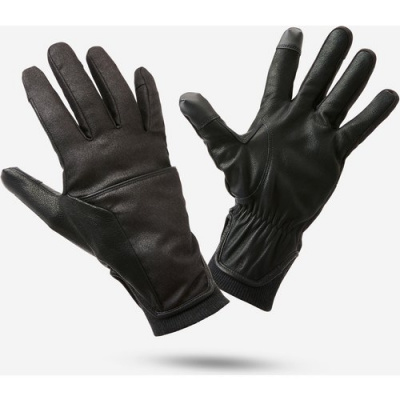
Touchscreen-compatible index fingers appear on most mid-range models - practical when you need to swipe a route change without peeling off a glove in February drizzle. The conductive thread holds up to repeated washing better than early-generation versions that stopped working after a month.
Road Mitts vs. Trail Gloves: Picking Your Discipline
BTWIN's RR (Road Racing) mitts prioritise breathability and road cycling ergonomics. Lightweight, often under 50 grams per pair, with open mesh backs and minimal cuff bulk so they tuck neatly under jersey sleeves. Palm padding sits directly beneath the heel of your hand where pressure concentrates during long pulls on the hoods. No knuckle protection, no excess - just enough to dull vibration without blunting your connection to the bars.
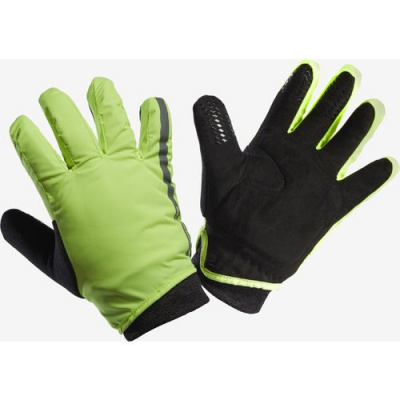
ST (Sport Trail) gloves flip the script. Full-finger coverage, reinforced knuckles (often padded foam or hard-shell inserts), and thicker synthetic leather across the palm for durability when you're grabbing branches or steadying yourself on a steep descent. Cuffs extend higher to overlap jacket sleeves and keep muck out. They're bulkier, naturally, but that's the point - you want armour when you're threading through Scottish pine forests or tackling Welsh trail centres in November.
If you ride mixed surfaces - say, gravel lanes that turn into bridleway - consider a lightweight full-finger model without heavy knuckle protection. It bridges the gap without the weight penalty. Endura gloves and dhb gloves offer similar crossover designs if you want to compare fit and padding density.
Summer Mesh to Winter Thermal: Matching the Calendar
Seasonal selection hinges on insulation and ventilation. Summer mitts use open-weave mesh across the back of the hand - air moves freely, sweat evaporates fast, and your hands stay cool even on humid Surrey Hills climbs. No lining, minimal seams, maximum airflow. They're the default from April through September unless you're particularly cold-blooded.
Winter gloves layer fleece or synthetic insulation between the outer shell and inner lining, often with a windproof membrane to block cold air. Stratermic thermal regulation (found in older BTWIN winter lines) uses a brushed inner face that traps warmth without adding bulk. Cuffs lengthen to cover wrist gaps, and some models add a neoprene or softshell overlay for waterproofing. They won't match a dedicated lobster mitt for sub-zero Scottish rides, but they handle typical UK winter commutes - damp, 2 - 8°C mornings - without leaving your fingers numb.
Mid-season gloves (often labelled 'autumn' or 'spring') split the difference: light fleece lining, shorter cuff, less insulation than full winter but warmer than summer mesh. Useful when the forecast swings between 10°C and 15°C and you'd rather not carry spares. Pairing them with a BTWIN jacket and overtrousers sorts most three-season commutes without fuss.
Decathlon's R&D: Where These Gloves Come From
BTWIN originates from the B'Twin Village in Lille, where Decathlon's cycle division tests prototypes on local roads and indoor rigs. The focus is accessibility - gear that works for the majority of riders without requiring specialist knowledge or deep pockets. Gloves get ridden by staff commuters, weekend club riders and sponsored athletes, then refined based on durability feedback and fit complaints.
That process shows in the details: reinforced stitching at high-wear zones (between thumb and index finger), gel positioned where pressure maps indicate peak load, and velcro that doesn't snag jersey cuffs. It's not the hand-stitched craftsmanship you'll find in Castelli gloves or the race-proven pedigree of Giro gloves, but it's engineered to survive a season of daily use without falling apart. For many UK riders, that's the sweet spot between throwaway supermarket mitts and premium race kit.
Kids' BTWIN bike gloves follow the same template - scaled-down sizing, bright colours for visibility, and simpler velcro closures that small hands can manage. They're a sensible first glove for young riders learning to brake and shift without blisters.