
DHB Gloves
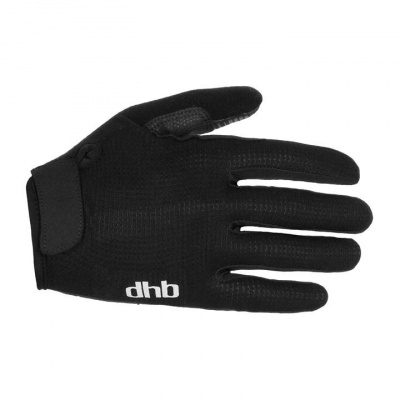
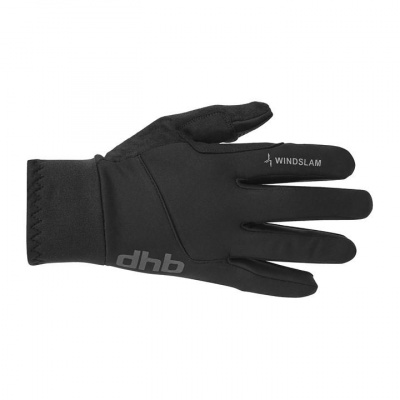
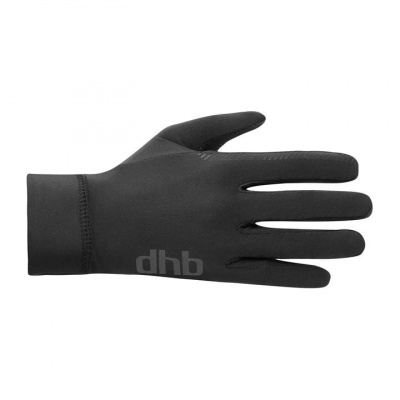
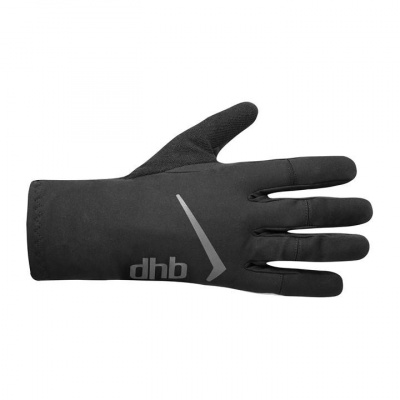
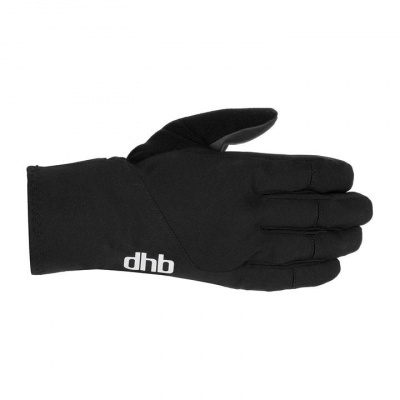
Dhb cycling gloves cover the full spectrum of UK riding - from sweat-damp August sportives to those February mornings where the wind has real spite to it. What Dhb does consistently well is deliver performance-level materials at a price that doesn't make you wince at the checkout. That means PrimaLoft-insulated deep-winter gloves that keep your fingers working when the temperature drops below the point of no excuses, right through to the race-oriented Aeron mitts that keep bar feel sharp on fast summer miles.
The range is broader than most riders expect. You've got race-cut summer mitts, windproof shoulder-season gloves, and fully waterproofed winter options - all using AX Suede palms for grip that doesn't give up when the roads are greasy. Gel padding appears where it needs to, taking the sting out of rough tarmac without deadening your contact with the bars.
Dhb gloves also don't skimp on the practical details. Touchscreen-compatible fingertips, extended cuffs that seal against jacket sleeves, reflective hits for early-morning commutes. Whether you're riding the Peaks in October drizzle or clocking up base miles through a Scottish winter, there's a Dhb glove built around what UK riding actually throws at you.
Prices and availability can change quickly. Delivery charges are not always included in listed prices.
Final price, stock status and delivery terms are set by retailer. We may receive a commission on purchases made.
Fabric Tech and Weather Performance
The headline material across Dhb's colder-weather lineup is PrimaLoft insulation - a synthetic fill that punches well above its weight for warmth relative to bulk. Unlike thicker fleece constructions that turn your hands into paddles on the bars, PrimaLoft keeps the glove profile slim enough that you're still feeling brake lever feedback rather than guessing at it. On a wet January ride across the North Yorkshire Moors, that retained dexterity matters more than you'd think until you lose it.
The AX Suede palm is the quiet workhorse of the range. It's a synthetic microfibre that mimics leather's grip characteristics without the cold-wet stiffness. In the wet, it keeps bar contact positive and confident - particularly relevant given how quickly greasy roads can undermine your confidence mid-descent. It also wears well. Dhb gloves tend to outlast their price point, and the AX Suede palm is a big part of why.
Waterproofing strategy varies across the range. The more serious winter models use a bonded waterproof membrane to block sustained rain rather than just deflecting a quick shower. For lighter, shoulder-season riding, DWR (Durable Water Repellent) coating on outer fabrics handles the UK's habitual drizzle effectively - water beads and rolls off rather than soaking through. Worth noting: DWR degrades over time, especially if gloves are washed with standard detergent. A technical gear wash preserves it significantly longer. Windproof membrane backing on many of the winter and autumn models adds another layer of protection, keeping cold airflow from stripping warmth on fast descents. If you're comparing options, Gore Bike Wear gloves use a similar windproof-membrane approach in their winter range, though Dhb typically undercuts them on price for comparable protection.
High-density gel padding in the palm and heel-of-hand area rounds out the technical picture. It's targeted rather than blanket coverage - you're not losing grip sensitivity across the whole palm, just taking the edge off road vibration at the key contact points. On choppier British B-roads, that distinction is real.
Understanding the Dhb Fit and Range
Dhb organises its glove range around a few distinct lines, each with a different rider in mind. The Aeron label signals race orientation - these are close-cut, compressive gloves with minimal bulk and a fit that's built around aero efficiency and bar feedback over long-distance comfort. If you're used to a more relaxed glove, Aeron can feel snug initially. That's intentional. The payoff is that there's no material bunching under your palm when you're in the drops for an extended stretch.
The Classic line takes a more generous approach to fit. These are your everyday endurance gloves - a relaxed cut, more substantial gel padding, and a construction that works well for sportive riders and club runs rather than race day. The padding layout is designed around longer time in the saddle, targeting the ulnar nerve area that tends to suffer on extended rides. Pair these with Dhb bib tights and a Dhb jersey and you've got a coherent kit setup without overthinking the matching.
The Flashlight line is commuter-focused, prioritising high-visibility reflective detailing across the back of the hand. These aren't just a token reflective strip - the coverage is substantial enough to be genuinely useful in urban pre-dawn or post-dusk riding. If you're clipping in and out of traffic rather than heading out on long training loops, the Flashlight gloves earn their place.
On sizing: Dhb gloves generally run true to size, but the Aeron range's compressive fit means some riders - particularly those between sizes - prefer going up one. If you're planning to layer a thin Merino wool liner glove underneath your winter pair for added warmth, size up to maintain comfort and avoid cutting off circulation at the knuckles. Castelli gloves and Endura gloves follow similar sizing conventions in the race-cut lines, so if you know your size in those, you've got a reasonable reference point.
Layering and Care for UK Riding
Getting gloves to work as part of a proper layering system is often where riders leave warmth on the table. The wrist gap - that exposed strip between jacket cuff and glove - is where cold air finds a way in on fast descents. Dhb's deeper-cuffed winter gloves are designed with this in mind, sitting high enough to tuck under a jacket sleeve properly. Check this fit before you ride, not two miles in when you're already committed. Combine them with a Dhb jacket and the sleeve taper tends to work well together as a system.
For genuinely deep winter conditions, a thin Merino liner under a waterproof outer glove is a more versatile setup than relying on a single thick glove. You can ditch the liner when it warms up mid-ride without stopping to rummage through a jersey pocket for a different glove. Merino wool works well here because it retains warmth when damp - which is almost the default state on a UK winter ride. Brands like GripGrab offer compatible liner options if you want to mix and match.
Care is straightforward but specific. Wash waterproof gloves on a gentle cycle at 30°C with a technical detergent - standard fabric softeners destroy DWR coatings faster than riding through puddles does. Never put them on a radiator to dry. The heat doesn't just shorten glove life; it can crack or delaminate the waterproof membrane, and once that's gone, there's no fixing it. Air dry flat or hung at room temperature, away from direct heat sources. Doing this consistently keeps DWR performing for significantly longer, and you won't need to re-proof nearly as often.
DHB Gloves FAQs
Are Dhb cycling gloves true to size?
Generally, yes - most of the range runs true to size. The Aeron line is the exception; its compressive, race-focused cut runs on the snug side, so riders between sizes often go up one. If you're planning to wear a Merino liner underneath a winter pair, size up to keep circulation comfortable and avoid restricted movement at the knuckles.
Which Dhb gloves are best for winter cycling?
For deep-winter UK riding, the Dhb Extreme Winter or Waterproof PrimaLoft gloves are the go-to options - maximum insulation, windproof membranes, and sustained weather protection. For the milder but persistently damp shoulder season, the Dhb Neoprene or Windproof gloves strike a better balance of dexterity and shower resistance without overheating.
How do you wash waterproof cycling gloves?
Use a gentle 30°C cycle with a technical gear wash - never standard detergent or fabric softener, both of which break down DWR coatings quickly. Air dry them at room temperature. Putting waterproof gloves on a hot radiator can crack or delaminate the membrane, and that damage is permanent.