
Bontrager Jackets
Bontrager cycling jackets are built around a straightforward idea: you should be able to ride year-round without the weather making that decision for you. Backed by Trek's R&D, the range uses proprietary Profila fabrics to balance genuine weather protection with the kind of breathability you actually need when the watts are going up. No compromise between staying dry and cooking inside your shell.
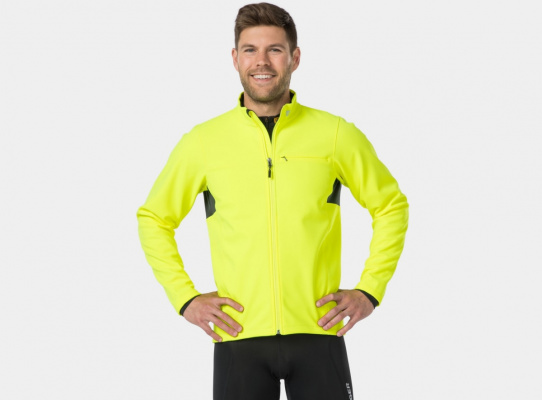
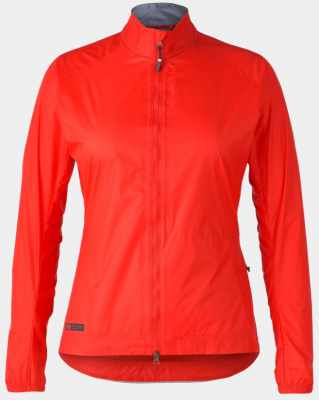
The range splits clearly between two jobs. Reach for a Profila Stormshell jacket when the sky looks threatening - fully taped seams, a high hydrostatic head rating, and a DWR coating that keeps the face fabric shedding water rather than soaking it in. For cold, dry days of base miles, a Profila Softshell does the work differently: windproof, thermally retentive, and cut for movement on the bike.
Across both, you get practical details that matter on UK roads - drop tail geometry to deal with road spray, BioMotion visibility placing reflective elements where moving limbs catch headlights most effectively, and YKK AquaGuard zips that don't leak when a shower turns serious. Whether you're packable rain-jacket deep into a jersey pocket for an optimistic spring ride or commuting through a January morning, there's a Bontrager jacket built for that specific misery.
Prices and availability can change quickly. Delivery charges are not always included in listed prices.
Final price, stock status and delivery terms are set by retailer. We may receive a commission on purchases made.
Fabric Tech and What It Means in the Rain
The core split in the Bontrager jacket range comes down to two fabrics, and understanding them saves you buying the wrong one. Profila Stormshell is a waterproof, breathable membrane construction with fully taped seams - the seams matter because that's where cheaper jackets leak first. The hydrostatic head rating on Stormshell models is high enough to handle a sustained Welsh downpour, not just a light shower, and the membrane actively moves moisture outward when you're working hard. This is the jacket you want when the forecast is genuinely grim, or when you're heading into the hills and can't be sure what's coming.
Profila Softshell takes a different approach entirely. It's not designed to stop heavy rain - pair it with a Stormshell over the top if that's the brief - but it handles wind and cold exceptionally well, with a thermal face fabric that keeps warmth in without adding bulk. It's the smarter choice for the kind of cold, dry days you get across the Peak District or Scottish glens in late autumn, where wind chill is the actual problem.
Both fabric types rely on a DWR (Durable Water Repellent) finish on the outer face. This is worth understanding: DWR makes water bead and roll off rather than soaking into the fabric. Once the face fabric wets out - which it will eventually, especially with body oils and sunscreen - breathability drops noticeably even if the membrane underneath is still intact. That's why care matters (more on that below). The YKK AquaGuard zips across the range are water-resistant at the zip line itself, which is a detail that separates genuinely weatherproof outerwear from kit that's just water-resistant around the seams.
Fit Profiles and Choosing the Right Cut
Bontrager jackets run in two main fit profiles, and getting this wrong is the most common sizing mistake. Fitted models - found across the more performance-oriented lines - sit close to the body, minimising drag and preventing fabric from catching the wind on fast descents. If you're road riding or racing, this is usually the right call. The trade-off is that there's limited room for heavier mid-layers underneath; a thin thermal base is fine, a chunky fleece is not.
Semi-Fitted models give you meaningful extra room across the chest and shoulders. That matters for winter commuting or gravel riding where you might be running a merino mid-layer and want the jacket to move freely over the top. It also suits riders who are between sizes - if you're on the boundary, go fitted in the smaller size or semi-fitted in your usual size depending on your layering plans.
On sizing accuracy: Bontrager jackets generally run true to size, but always cross-reference the brand's size chart with your chest and sleeve measurements rather than assuming your usual size transfers directly from another brand. Drop a size if you're purely road riding with minimal layering; stick to your measured size or go up if you're planning to layer for winter commutes. The drop tail cut on most models adds a few centimetres at the back hem - essential for keeping spray off your lower back when you're in an aggressive road position, and worth checking sits correctly when you're trying a jacket on in a riding position rather than standing upright.
If you're weighing up alternatives, Endura jackets and Castelli jackets offer comparable performance-fit options, while Altura jackets tend to run slightly more generous for commuter-focused riders who prioritise layering room.
Layering Logic and Keeping the DWR Working
For deep winter riding in the UK - think January base miles before the light comes back - the most effective combination is a Profila Softshell over a merino wool base layer. Merino manages moisture even when damp, which means it won't feel clammy against your skin during longer efforts. Add a packable Stormshell shell in a jersey pocket and you've got a system that handles most of what a British winter throws at a road or gravel ride. Check out Bontrager lights and Bontrager mudguards to complete a properly weather-ready setup - BioMotion visibility on the jacket only takes you so far when you're riding unlit lanes at 6am.
Care is where a lot of riders undo a jacket's performance without realising it. Never wash a waterproof cycling jacket with standard biological detergent - the enzymes strip the DWR coating faster than normal use would. Use a tech-specific cleaner designed for waterproof garments (Nikwax Tech Wash is the common recommendation). Equally important: tumble dry on a low heat setting after washing. The heat reactivates the DWR finish, restoring the beading effect on the face fabric. Skip the tumble dry and the jacket will still be waterproof at the membrane, but breathability suffers because the face fabric stays wet. A gentle, cool wash cycle rather than a hot one keeps the membrane intact longer.
If you ride with dhb jackets in your kit rotation already, the same care principles apply - DWR maintenance is fabric-agnostic. Don't iron waterproof cycling kit and avoid dry-cleaning solvents.
Bontrager Jackets FAQs
Are Bontrager cycling jackets true to size?
Generally yes, but the fit profile changes what 'true to size' means in practice. Fitted models sit close to the body for aerodynamics, so if you plan to layer heavily underneath, size up or go Semi-Fitted. Always check Bontrager's chest and sleeve measurements rather than relying on brand-to-brand size transfers.
How waterproof are Bontrager Stormshell jackets?
Profila Stormshell jackets are fully waterproof with taped seams and a high hydrostatic head rating - built for sustained rain rather than brief showers. The DWR coating on the face fabric works alongside the membrane to maintain breathability; once the DWR degrades with wear, performance drops until you reactivate it with low-heat tumble drying.
How do I wash my Bontrager waterproof cycling jacket?
Use a tech-specific cleaner on a gentle, cool cycle - standard biological detergents strip the DWR finish. Tumble dry on low heat afterwards; that step reactivates the water-repellent coating and restores the fabric's ability to bead and shed rain effectively.