
DHB Jackets
Dhb cycling jackets sit in a rare space: genuinely capable weather protection at a price that doesn't make you wince before a wet Sunday ride. Whether you're grinding out January base miles on the exposed lanes of the North York Moors, commuting through city drizzle in the dark, or stuffing an emergency layer into your back pocket before a spring sportive that's threatening showers, there's a Dhb jacket built around that exact situation.
The range splits broadly into lightweight packable rain capes for when the sky turns without warning, thermal softshells for cold, damp winter efforts, and high-visibility commuter jackets that make you genuinely hard to miss in low light. Across all of them, Dhb leans on proper waterproof and breathable membranes, DWR coatings, taped seams, and their own Flashlight reflective technology rather than a few token strips of silver trim. The result is outerwear that competes with Endura and Altura on technical credibility without padding the price for a badge. If UK weather is your problem - and it always is - Dhb jackets are a straightforward answer.
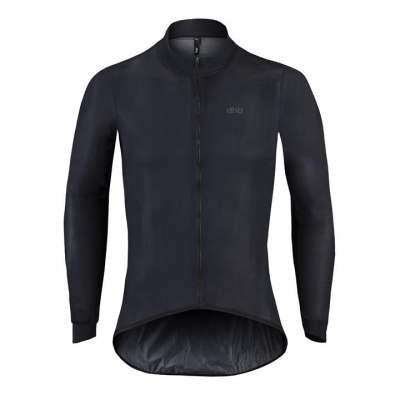
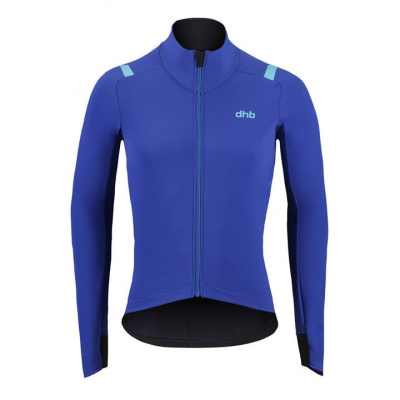
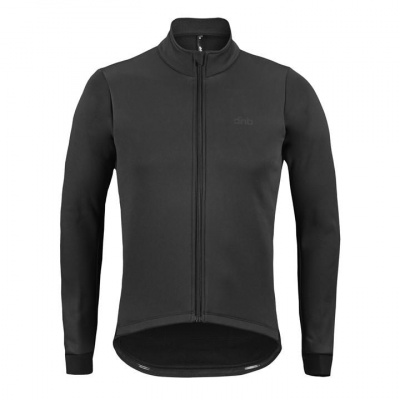
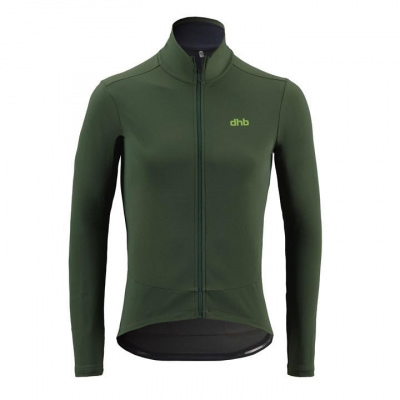
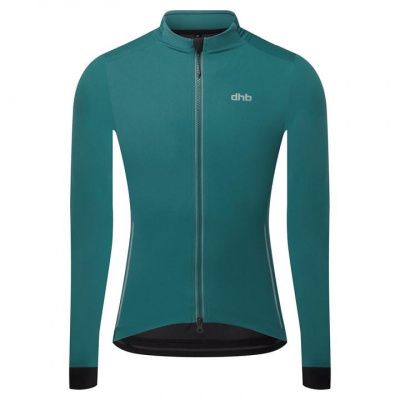
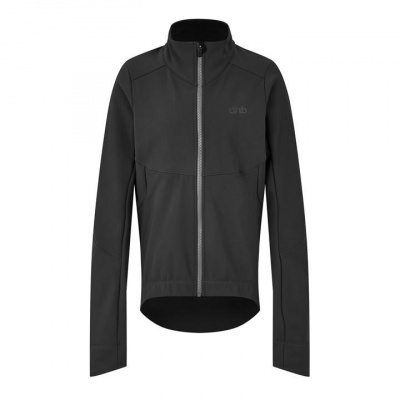
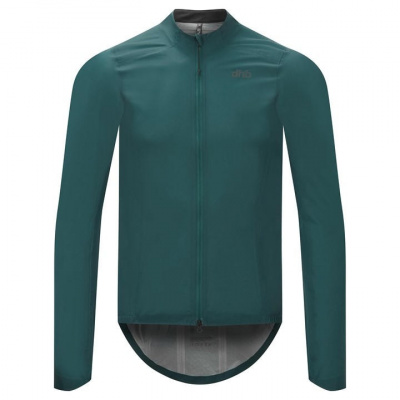
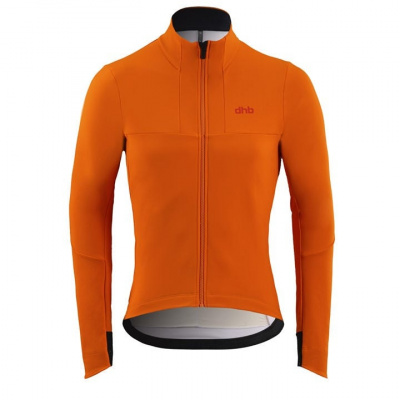
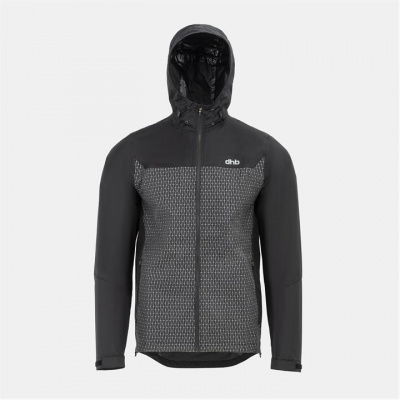
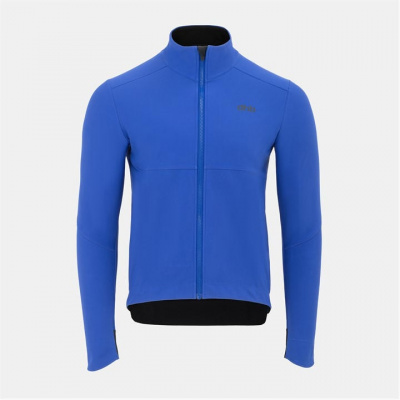
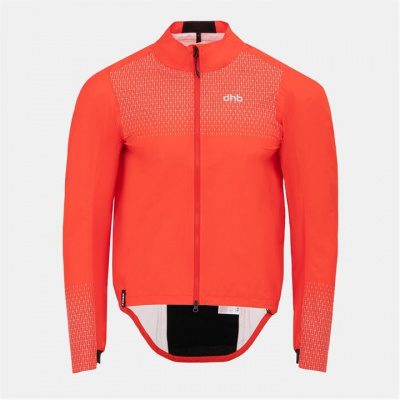
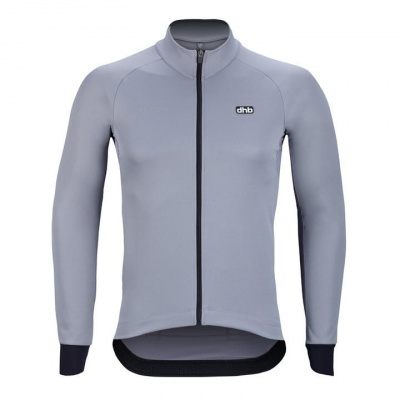
Prices and availability can change quickly. Delivery charges are not always included in listed prices.
Final price, stock status and delivery terms are set by retailer. We may receive a commission on purchases made.
Fabric Tech and Weather Performance
Dhb builds its jacket range around two distinct membrane constructions, and understanding the difference saves you buying the wrong one. The packable, lighter-weight jackets use a 2.5-layer waterproof breathable membrane - a laminate bonded to the outer fabric with a printed interior pattern rather than a full inner layer. That construction keeps weight and pack size down, which is exactly what you want from a jacket that lives in your jersey pocket. It handles showers and sharp wind without turning your torso into a sauna on a steady effort. For sustained winter riding, the 3-layer construction steps things up: a proper bonded inner fabric gives more structural integrity, better wind resistance, and noticeably improved durability across a full season of grim mornings.
Both constructions rely on a DWR (Durable Water Repellent) treatment on the outer face fabric. This is the layer that makes rain bead and roll off rather than soaking in and adding weight - think of it as the jacket's first line of defence before the membrane even starts working. DWR does degrade with use and washing, but it's straightforward to restore (more on that below). Fully taped seams are the detail that separates a genuinely waterproof jacket from one that's merely water-resistant: every stitched join is sealed internally, so there's no path for water to track through needle holes on a proper Welsh soaking. YKK AquaGuard zips carry the same logic to the zip runs, which are often the weak point on cheaper outerwear.
The breathable membrane does real work on climbs. Without it, effort generates heat and moisture faster than a static outer shell can release it, and you end up damp from the inside out - a miserable way to crest a moor. Dhb's membranes won't match the breathability numbers of a Castelli race cape at twice the price, but for the pace and conditions most UK riders actually ride in, they keep you comfortable rather than cooking.
The Dhb Range: Aeron, Classic, and Flashlight Explained
Dhb organises its jackets into three distinct lines, each shaped around a different type of rider and riding. Getting this right matters more than any single spec detail.
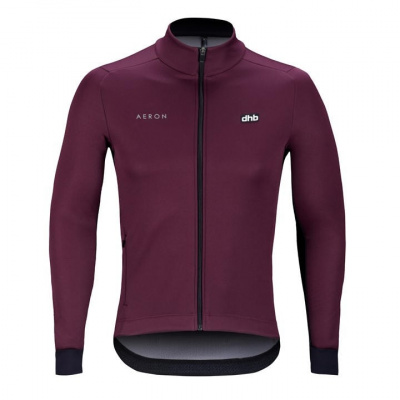
The Aeron range is where Dhb's performance credentials sit. These jackets are cut close - a race fit softshell that sits tight across the shoulders and tapers into the lower back without bunching when you're on the drops. If you're riding at any kind of pace, that fit stops fabric flapping and keeps aero drag honest. The drop tail gives rear coverage when you're tucked, and the sleeves are long enough to meet your gloves properly. This is the line for sportive riders, club runs, and anyone who finds standard cycling jackets a size too boxy. The Dhb Aeron Deep Winter Softshell is the flagship cold-weather option here, with a thermal fleece lining and windproof panels that trap heat effectively on hard efforts in freezing conditions.
The Classic range sits a step back in terms of cut - more relaxed across the chest and arms, better suited to commuting, leisure riding, or longer days in the saddle where you want to move freely without a jacket that grips your arms on every pedal stroke. It's the line for riders who aren't racing but still want proper protection rather than a waterproof shell from a supermarket.
The Flashlight range solves a specific UK problem: riding in the dark. Rather than token reflective strips, Flashlight uses 360-degree high-vis reflectivity that bounces light back from multiple angles - front, rear, and sides. In practice that means you're visible from car headlights when you're side-on at a junction, not just when a driver is directly behind you. The cut is more relaxed and commuter-friendly, with room for a Dhb jersey and a mid-layer underneath. If your commute takes you through unlit roads between October and March, this is the line to look at first.
Thinking about wind protection for your core without restricting arm movement? Our Dhb Gilets page covers the lightweight, packable options that pair well with any of these jackets when the temperature swings mid-ride.
Layering Smart and Keeping Your Jacket Working
A Dhb jacket works best as part of a system, not a single-layer fix. In deep winter - the kind of riding where your bottle starts to freeze in the cage - pair a thermal fleece lining jacket like the Aeron Deep Winter Softshell with a proper thermal base layer underneath and Dhb bib tights below. The base layer manages sweat, the jacket blocks wind and water. Don't be tempted to wear too much: overheating and sweating through your base layer causes more discomfort than being slightly underdressed at the start.
For spring and autumn riding, a lightweight 2.5-layer rain cape over a summer jersey is a more practical combination than a winter jacket. It stuffs into a jersey pocket, weighs next to nothing, and goes on the moment the sky changes. Dhb gloves are worth pairing here - cold hands become the problem long before your core does in changeable conditions.
Looking after your jacket properly is what keeps the waterproofing working. Wash waterproof jackets at 30 degrees using a dedicated tech-wash - products like Nikwax Tech Wash are designed for this. Standard biological detergents and fabric softeners break down the DWR coating and compromise the breathable membrane, so avoid them entirely. To reactivate a DWR coating that's stopped beading water effectively, either tumble dry on a low heat for 20 minutes or apply a reproofing spray while the jacket is still damp after washing. It takes five minutes and extends the jacket's useful life significantly. Compared to spending on a replacement, it's an easy call. Brands like Castelli recommend similar care routines for their performance outerwear - the chemistry is consistent across the category.
DHB Jackets FAQs
Are Dhb cycling jackets true to size?
Dhb jackets generally run true to size, but the right size depends on which line you're buying. The Aeron range is cut close and aerodynamic - if you're between sizes, go up. The Classic and Flashlight ranges are more relaxed cuts, so your normal size should work without needing a layer allowance.
Which Dhb jacket is best for winter riding?
The Dhb Aeron Deep Winter Softshell is the strongest option for cold, hard-effort riding - it combines a thermal fleece lining with windproof panels to hold heat where you need it. If your winter rides involve persistent heavy rain rather than just cold, prioritise their 3-layer jackets with fully taped seams over a softshell.
How do I wash my Dhb waterproof cycling jacket?
Wash at 30 degrees with a specialist tech-wash such as Nikwax Tech Wash - never use biological detergents or fabric softener, as both strip the DWR coating. Once clean, tumble dry on a low heat or apply a reproofing spray while the jacket is still damp to reactivate the water-beading performance.