
Bontrager Bar Bags
Bontrager bar bags are built to carry your kit without turning your cockpit into a wobbling mess - and that balance of capacity versus handling stability is where they earn their reputation. Whether you're stuffing a bivvy bag and a day's worth of snacks in for a Scottish overnighter or just keeping your commute gear tidy on the way into the city, there's a Bontrager handlebar bag sized for the job.
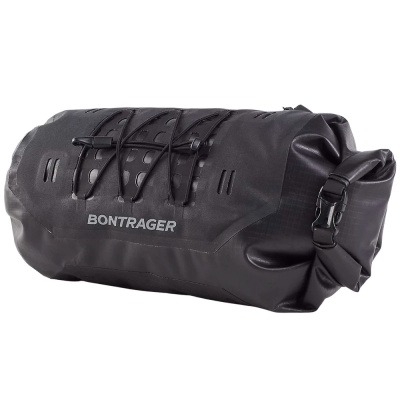
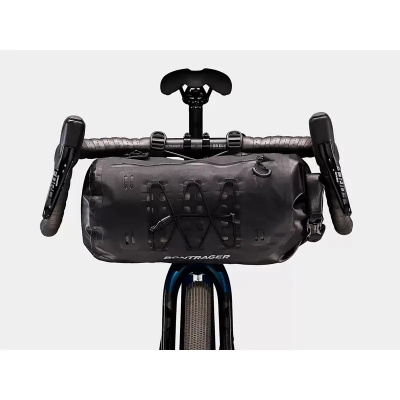
The Adventure line is the one most riders will want to look at first. It's made from abrasion-resistant waterproof ripstop that shrugs grit and drizzle without flinching, and the high-vis internal lining means you're not rooting around in a black hole at 6am looking for your gas canister. The integrated foam spacer mounting system is a genuinely clever bit of thinking - it creates a standoff between the straps and your bar so mechanical and hydraulic cables can route cleanly, without kinking or chafing against the head tube. That detail matters more than people realise until they've got a spongy brake lever mid-descent on the South Downs Way. Compare the latest UK prices on Bontrager bar bags in the grid above.
Prices and availability can change quickly. Delivery charges are not always included in listed prices.
Final price, stock status and delivery terms are set by retailer. We may receive a commission on purchases made.
Getting the Fit Right: Drop Bars, Flat Bars and Cable Routing
Before you buy, measure your cockpit - not just your bar width but the internal clearance between your drops or grips and any cables exiting the stem. On a drop-bar gravel bike, the bag needs to sit close enough to the stem to stay stable but far enough from the lever hoods that your hands can still access the shifters and pull the brakes fully. A bag that's slightly too wide will foul the brake lever throw, which is a problem you don't want to discover halfway up a bridleway in the Dales.
Flat-bar setups are generally more forgiving on width, but you've got to watch the bottom clearance. Check there's enough gap between the bag's underside and your front tyre when the fork is compressed - over sharp compressions on rough ground, a bag sitting too low will contact the tyre and wear through quickly. Bontrager's mounting strap system helps here: the adjustable positioning lets you set the bag higher or lower on the bar to dial in that gap.
The integrated foam spacers deserve a mention of their own. Slot them between the straps and the bar, and they hold the bag away from the head tube, creating a clean channel for your cables to exit without being pinched. It's a small thing that saves you from mysterious cable rub, and it's the kind of detail that matters if you're running hydraulic lines - kinked hoses are not a field fix. If you're running a Bontrager computer mount up front, factor that into your stack height planning too, as the bag and mount need to coexist without fouling each other.
Adventure Series vs. Smaller Commuter Options
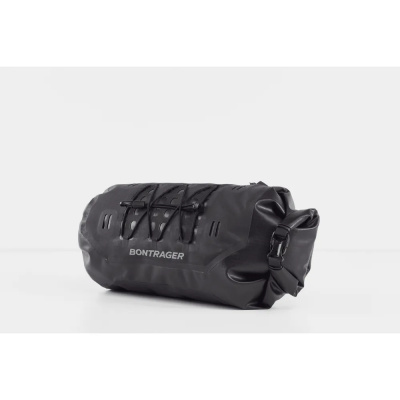
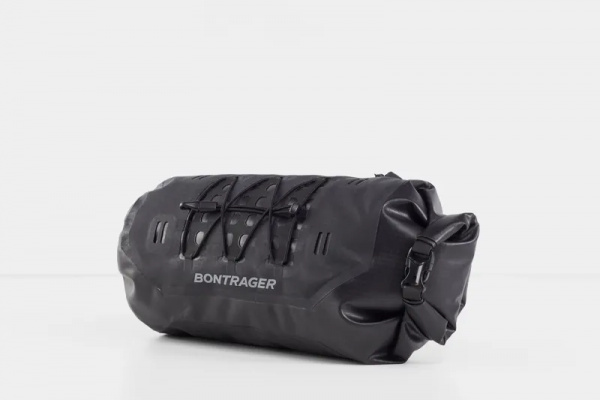
The Adventure handlebar bag is the flagship. At around 9 litres of capacity, it's sized for proper bikepacking - think a stuffed dry bag of overnight kit, a waterproof layer, and a few snacks on top. The waterproof ripstop shell, bungee tie-downs on the top for lashing extra kit, and robust anti-sway mounting hardware all point at multi-day use. This is what you'd reach for on a gravel route across Dartmoor or a loaded ride through the Cairngorms. It's not lightweight kit, but it's not trying to be.
At the other end of the range, Bontrager offers more compact options in the 1 - 2 litre bracket. These suit commuters and day riders who want somewhere accessible for a mini pump, keys, a gel, and a flapjack. They're tidier on the cockpit, lighter, and easier to live with day-to-day. If you're pairing one with a Bontrager saddle bag for a longer day ride, you can split the load neatly - fast food in the bar bag, spare tube and tools in the back.
What do you actually get for stepping up to the Adventure tier? Fully waterproof construction rather than splash-resistant, tougher fabric that resists abrasion from grit and bridleway debris, the high-vis interior that makes gear retrieval genuinely fast, and mounting hardware that holds the bag rigid even when it's loaded. For riders comparing options, Apidura bar bags and Ortlieb bar bags compete at a similar level - Ortlieb leans harder on roll-top waterproofing, Apidura prioritises low weight. Bontrager's strength is the cable management system and the Trek ecosystem compatibility, which matters if you're running a Trek gravel or adventure bike with internal routing that exits close to the head tube.
Keeping Things Intact Through UK Conditions
Wet grit is the enemy. On a soaking bridleway in the Peak District or a muddy Welsh lane, the fine abrasive slurry that gets between your bag and the frame acts like grinding paste - given enough miles, it'll wear through frame paint and into the clear coat faster than you'd expect. Before you mount any bar bag, apply a length of clear frame protection tape to the head tube and fork crown where the bag or its straps might contact the frame. It's a five-minute job that saves a paint repair bill.
Zips need attention too. After a muddy ride, rinse the zippers off with a gentle hose rather than leaving grit to dry into the slider. A light application of zipper lubricant every few months keeps the action smooth and stops the waterproof sealing strip from cracking. One thing to avoid: pressure washers. They force water past seals and seams that are designed to handle rain from above, not high-pressure jets from the side. It doesn't take many machine washes or blast cleans before the water-resistant coating starts to degrade. Gentle rinse, air dry, job done.
For electronics - phone, GPS, battery pack - a secondary dry bag inside the main compartment is good practice on longer rides where sustained rain is likely. The Adventure bag handles most UK weather comfortably, but a long exposed crossing in horizontal rain is a different proposition to a two-hour Surrey Hills loop. It's the same logic as fitting Bontrager lights with sealed battery compartments rather than assuming standard water resistance is enough for winter commuting. Layer your waterproofing where the stakes are high.
If you're building out a full bikepacking setup, it's worth pairing the bar bag with matching Bontrager bar tape before fitting the straps - changing tape with a loaded bar bag fitted is a faff nobody needs at the start of a trip. And if you're eyeing up alternatives at a lower price point, Altura bar bags are worth a look for commuter and day-ride use, though they don't match the Adventure series on construction quality for full bikepacking loads.
Bontrager Bar Bags FAQs
Are Bontrager bar bags fully waterproof?
The Adventure line uses highly water-resistant ripstop materials and waterproof zippers that cope well with typical UK rain. For sustained downpours or multi-day rides in exposed conditions, pack electronics and anything critical inside a secondary dry bag within the main compartment - it's cheap insurance and weighs next to nothing.
How do I stop my handlebar bag from crushing my gear cables?
Use the high-density foam spacers that come with the bag. Position them between the mounting straps and the bar - they create a standoff gap that lets your shift and brake cables exit the stem cleanly without being pinched or kinked. Especially important on bikes with hydraulic lines, where a kink isn't a roadside fix.
Will a Bontrager bar bag fit on a road bike with drop handlebars?
Yes, but measure your internal drop width before ordering. You need enough clearance for your hands to comfortably reach the hoods and for the brake levers to pull fully without the bag fouling the throw. Wider drops give you more room; narrower bars on an aero road setup can be tight, so check the bag's stated width against your bar measurement.