
Birzman Bar Bags
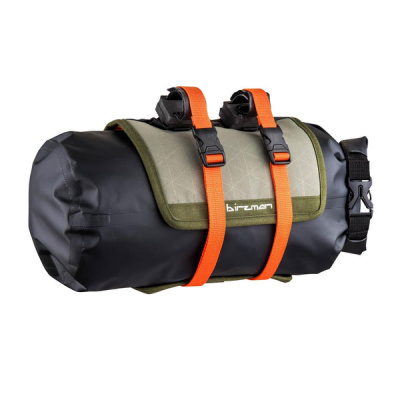
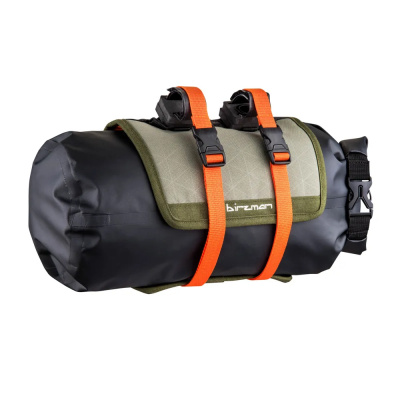
Birzman bar bags are built around the modular Packman series - a range that takes handlebar luggage seriously, rather than treating it as an afterthought bolted to your cockpit. The headline feature is the high-density EVA foam spacers that sit between the harness and your bars, creating a proper channel for brake and gear cables to run without kinking or causing ghost shifts mid-ride. That alone saves a lot of grief on longer days out.
Weather protection is the other reason these bags cut through. The removable inner dry bag carries an IPX5 waterproof rating, and the roll-top closure gives you a genuine seal rather than the vague DWR optimism you get on cheaper alternatives. Keep your sleeping kit, spare base layer, or emergency snacks bone dry regardless of what the sky is doing.
Compatibility matters too. Whether you're running narrow road drops, wide gravel flares, or flat MTB bars, there's a Packman configuration that fits without fouling your lever throw or sitting dangerously close to your front tyre. Check the range below and compare the latest UK prices on Birzman bar bags to find the right fit for your setup.
Prices and availability can change quickly. Delivery charges are not always included in listed prices.
Final price, stock status and delivery terms are set by retailer. We may receive a commission on purchases made.
Fitting Your Cockpit: Clearances, Cables, and What Can Go Wrong
Getting a handlebar bag mounted correctly is more involved than wrapping a couple of straps around your bars and hoping for the best. The first thing to sort is cable routing. On drop-bar bikes with mechanical groupsets, your gear and brake cables arc forward from the levers before heading down to the frame - and a wide bag harness sitting flush against the bars will pinch those cables against the bar clamp area, causing stiff lever feel or, worse, inconsistent braking. Birzman's high-density EVA foam spacers are the fix here. Slot them between the harness mounts and the handlebar, and you open up a clean gap for cables to pass through without compression.
Tyre clearance is the safety-critical one. You want at least 50mm of daylight between the bottom of the bag and your front tyre at full compression - not static, but with the fork bottomed out if you're on a suspension-equipped bike. Get that wrong and a hard hit sends the bag into the tyre, which tends to end rides abruptly and badly. On flat-bar MTBs, also consider your handlebar width: narrow UK bridleways and tight gate gaps can make a full-width bag a liability. Measure twice, strap once.
For drop bars specifically, check that the bag doesn't obstruct the STI lever throw on wider configurations. The Packman harness is designed to sit centrally and stay planted, but bag volume will always dictate how far the load encroaches toward the controls. If you're unsure, fit with the bag empty first, then check full range of lever movement before loading it up.
The Packman Range: Modularity Versus Simplicity
Birzman's bikepacking luggage splits cleanly into two tiers. At the top is the Packman Handlebar Pack - a rigid harness system paired with a removable waterproof dry bag. The harness stays on the bike; the dry bag unclips and goes with you into the tent, café, or bunkhouse. That modularity is what you're paying a premium for, and on a multi-day gravel trip it's genuinely useful. No wrestling the whole bag off and reattaching it in the dark at a campsite.
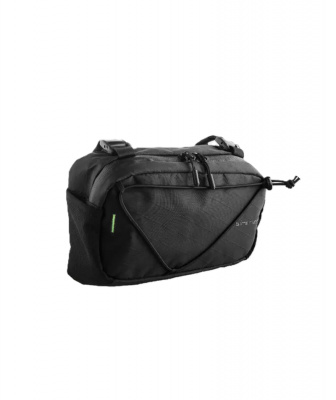
The smaller, integrated burrito-style bags in the range suit day rides better. Less volume, faster access, no removable inner - just a compact roll-top pouch for a gilet, a snack, and your phone. They're also lighter and sit lower on the bars, which helps with the best Birzman handlebar bag for gravel day-ride use case where you're not carrying overnight kit. Think South Downs Way day sections or a fast Peak District loop rather than a loaded overnighter.
The 420D and 600D high-density abrasion-resistant fabric used across the range is a practical choice rather than a marketing spec. Heavier denier on the base panels means the bag can take repeated contact with grit and debris without wearing through quickly - which, given where front-wheel spray ends up, matters more than it might sound. If you're comparing options, Apidura bar bags and Ortlieb bar bags occupy similar ground at the premium end, though Ortlieb leans harder on fully waterproof roll-top construction throughout rather than a harness-plus-dry-bag split. Worth knowing which approach suits your riding before committing.
Keeping the Bag in Good Shape on UK Roads and Trails
UK riding is hard on gear. Grit thrown up from a wet road acts like grinding paste on anything it contacts continuously, and the underside of a bar bag sits directly in the firing line of your front wheel. The 420D/600D fabric handles this better than lightweight dyneema-style materials, but it's not invincible. A strip of helicopter tape - clear frame protection film - applied to the head tube and bars where the Birzman velcro straps contact the finish will save your carbon clear coat or alloy anodising from the slow erosion that grit trapped under the attachment points causes. It's one of those five-minute jobs that prevents a much more annoying repair later.
For the dry bag itself, a hose-down after muddy rides is all it needs. Avoid machine washing - the agitation and detergents degrade the seam taping that makes the waterproof Birzman bar bags actually waterproof. Roll the top closure a minimum of three times before riding; two rolls looks sealed but isn't when you hit standing water or heavy rain. If the outer harness fabric starts to look tired, a re-application of a DWR spray treatment keeps it shedding rather than saturating.
The IPX5 waterproof inner carrier rating means it handles sustained water jets from any direction - which, translated to a wet Welsh ride or a Scottish coastal route, means your dry kit stays dry. But IPX5 isn't submersion-proof, so if you're regularly crossing streams or riding in conditions where the bag goes fully underwater, that's a different conversation.
One comparison worth flagging: Altura bar bags at the more accessible end of the market use DWR-treated fabrics throughout rather than a separate waterproof liner. Fine for commuting in light showers; less reassuring on a two-day bikepacking route. The Birzman two-layer approach - water-resistant outer, properly sealed inner - gives you more confidence when the weather gets committed.
Balancing Your Load Across the Whole Bike
A bar bag is one piece of a larger luggage puzzle, and where you put weight matters as much as how much you carry. Heavy, dense items - tools, spare tubes, multi-tools, locks - belong low and central, not hanging off your handlebars. Steering feel gets progressively vague as front-end weight climbs past 3 - 4kg, and on technical descents that vagueness becomes a genuine handling problem. Pack bulky but light items in the bar bag: a sleeping bag, puffy jacket, spare layers. Shift the heavy stuff rearward.
A Birzman saddle bag paired with a bar bag is the standard bikepacking split for good reason - weight at both ends of the bike without loading the frame excessively. If you're also carrying tools and a pump, a Birzman tool kit tucked into a frame bag or seat pack keeps the mass low and central rather than swinging at your handlebar ends. A Birzman mini pump can clip to the frame or sit in a jersey pocket, keeping the bar bag volume free for softer, bulkier kit. It's a straightforward system once you think about it in terms of density rather than just volume.
Birzman Bar Bags FAQs
How do you attach a Birzman bar bag without crushing cables?
Fit the supplied EVA foam spacers between the bag harness and your handlebars. They create a gap that allows mechanical gear and brake cables to pass freely without kinking or compressing against the bar - which on a drop-bar bike with STI levers can otherwise cause ghost shifts or heavy lever feel.
Are Birzman Packman bar bags fully waterproof?
The outer harness is water-resistant rather than waterproof, but the removable inner dry bag is rated to IPX5 - meaning it handles sustained rain and spray effectively. Roll the top closure at least three times to get a proper seal. For genuinely wet UK riding, that inner dry bag is doing the real work.
How much weight can a handlebar bag hold before affecting steering?
Keep front-end loads under 3 - 4kg. Beyond that, steering response starts to feel sluggish, particularly on technical descents or sudden direction changes. Use your bar bag for light, bulky items like sleeping bags or spare layers, and move heavier tools and spares to a frame or saddle bag where the weight sits lower and more centrally.