
Bioracer Overshoes
Bioracer overshoes are built where the weather bites hardest - on the exposed, rain-lashed roads of Belgium - and that pedigree translates directly to UK winters, spring drizzle, and summer time trials alike. Whether you're grinding out a four-hour January club run or chasing seconds in a local 10-mile TT, Bioracer's shoecovers sit at the sharper end of what road cycling protection can offer.
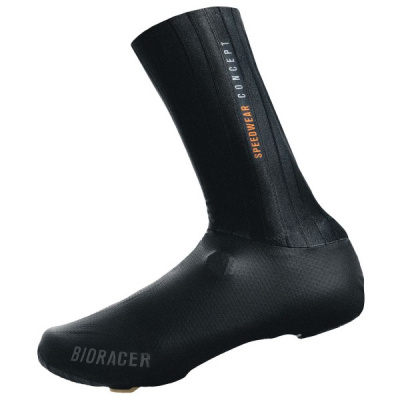
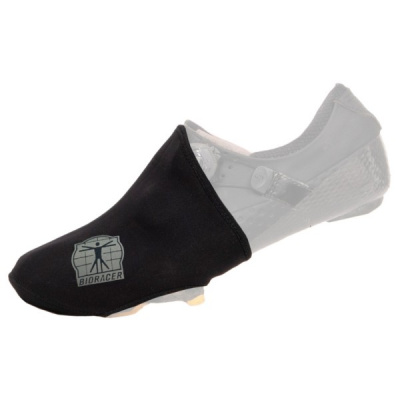
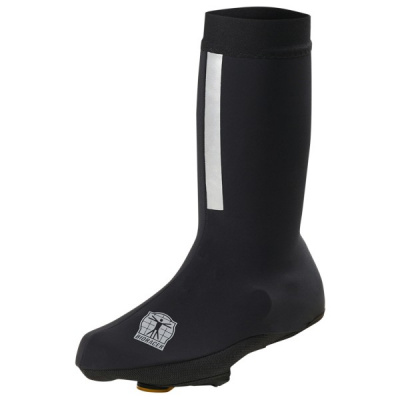
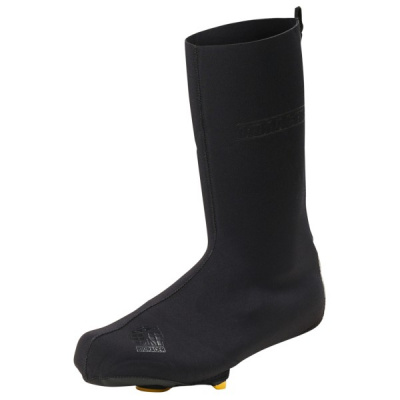
The range spans from paper-thin aero covers treated with Speedsilk - a surface finish that cuts drag without adding bulk - through to deep-winter booties built around PU-coated fleece and neoprene for genuinely brutal conditions. In between sits the Tempest Protect fabric line: windproof, water-repellent, and breathable enough to handle the damp, grey rides that make up most of a UK winter. Kevlar reinforcement at the heel and toe means they don't disintegrate the moment you walk across a gravelly café car park. Taped seams and zipperless ankle cuffs keep water from tracking down your leg. The fit is race-focused throughout - precise, low-profile, and designed to integrate cleanly with road cleats via a neat cleat cut-out. Expect performance-first engineering rather than convenience compromises.
Prices and availability can change quickly. Delivery charges are not always included in listed prices.
Final price, stock status and delivery terms are set by retailer. We may receive a commission on purchases made.
Fabric Tech and Weather Performance
Bioracer's material choices are tiered by condition, not by marketing category, which makes picking the right pair fairly straightforward once you understand what each fabric actually does.
Tempest Protect is the workhorse of the range. It's a windproof, highly water-resistant fabric with enough breathability to avoid turning your feet into a sauna on a milder, damp autumn ride - the kind of four-degrees-and-drizzling morning that defines October riding in the UK. It handles road spray confidently and shrugs off light showers, but Tempest isn't a fully sealed system. Think of it as a robust weather barrier for typical conditions rather than a submersible.
When the rain gets serious - sustained downpours, flooded B-roads, deep winter - Bioracer's neoprene and PU-coated fleece options step in. Neoprene works by trapping a thin layer of water against your skin and warming it, so the initial chill fades quickly. The PU coating on fleece-lined models adds a physical waterproof layer while retaining insulation close to the foot. These are the Bioracer waterproof cycling overshoes you reach for when sub-zero is on the forecast.
Across the range, taped seams are a detail worth paying attention to. Without them, stitching becomes a motorway for water ingress - particularly around the ankle and toe box where flex is greatest. Bioracer's zipperless ankle cuff design removes another common weak point entirely; there's no zip to leak, corrode, or catch on your bib tights. It's a small thing that matters a lot on a long wet ride.
The Bioracer Range and Getting the Fit Right
The product line splits fairly cleanly into three categories: aero covers, Tempest mid-season models, and full winter booties. Knowing which you need saves you from buying the wrong tool.
The Speedsilk-treated aero shoecovers are built for one job - going faster in a time trial or fast-moving criterium. The Speedsilk surface treatment works like a dimpled golf ball effect on airflow around the foot, reducing drag where the leg transitions to the shoe. They're thin, uninsulated, and not designed for rain. Use them in dry conditions above around ten degrees and they do exactly what they promise. Compare them with what Spatzwear overshoes offer in the aero cover market and Bioracer holds its own on surface finish and cleat integration.
The Tempest models occupy the middle ground - suitable from roughly five degrees upward in wet conditions - and represent the range most UK riders will use most often. If you're covering these from autumn through to spring, they're the practical choice.
The winter booties, built around neoprene or PU-coated insulation, are for when you genuinely don't want cold feet to cut the ride short. They're bulkier, heavier, and worth every gram when the temperature drops below freezing.
On sizing: Bioracer's cut is aggressive. These are race-fit overshoes, not generous leisure fits, and the Bioracer overshoe sizing runs true to your cycling shoe size - but only just. If you're wearing thicker winter road shoes, have a wider forefoot, or find yourself sitting between two sizes, go up. Overstretching the seams compromises both waterproofing and longevity. It's the kind of thing worth knowing before you order rather than after. For comparison, Castelli overshoes tend to run similarly snug, while GripGrab overshoes generally offer a slightly more accommodating fit for wider feet.
Layering These Into a Full Winter Setup
Overshoes don't exist in isolation - how you layer around them determines whether they actually keep you dry.
The key move with Bioracer's ankle cuff design is to pull your Bioracer bib tights over the top of the overshoe cuff, not tucked inside. Water follows gravity and fabric, so overlapping the tight over the cuff creates a shingle effect - each layer deflects water onto the one below it, rather than channelling it into your shoe. It sounds minor. On a two-hour ride in steady rain, it's the difference between damp and soaked.
On top, pairing with Bioracer jackets that share the same Tempest fabric system gives you consistent weather resistance across your kit - no weak links where a less water-resistant jacket dumps run-off directly onto a waterproof overshoe cuff.
Post-ride care matters more than most riders give it credit for. Road grit works its way into cleat cut-out edges and zip teeth (on models that have them), and left wet it accelerates wear. Rinse overshoes under cold water after muddy or salty road rides, paying attention to the sole edges and any closure points. Wash at 30 degrees, no fabric softener - softener degrades the DWR (durable water-repellent) treatment that makes Tempest fabric bead water in the first place. Hang to dry rather than tumble drying, and reproofing with a DWR spray every few washes keeps performance consistent across a season.
The Kevlar-reinforced heel and toe zones mean the soles handle walking - café stops, pushing through a gate, crossing a gravelly car park - without the sole delaminating after a few months. It's a durability detail that cheaper overshoes frequently skip.
Bioracer Overshoes FAQs
How do I choose the right size Bioracer overshoes?
Bioracer overshoe sizing runs true to your cycling shoe size, but the cut is tight and race-focused. If you're wearing bulkier winter road shoes, have a wider forefoot, or sit between sizes, go a size up. Forcing an undersized overshoe stresses the seams and can compromise the waterproofing over time.
Are Bioracer overshoes fully waterproof?
It depends on the model. Neoprene and PU-coated options with taped seams offer the strongest protection in heavy, sustained rain. Tempest Protect fabric models are highly water-resistant - handling road spray, drizzle, and showers well - but aren't fully sealed. For torrential conditions, the neoprene booties are the right choice.
How do you put on tight aero overshoes?
Don't fight them with your shoe already on. Slip the overshoe over your ankle and roll it up your calf first, then put your cycling shoe on and fasten it normally. Pull the overshoe down over the heel and toe last, making sure the cleat cut-out lines up cleanly with your cleat. Much easier than trying to stretch it over a fully laced shoe.