
Bioracer Jackets
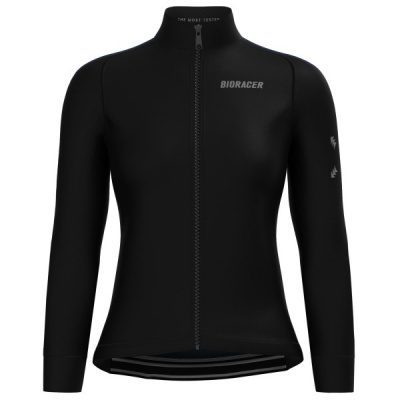
Bioracer cycling jackets have earned their reputation the hard way - shaped by Belgian pro-peloton demands and winters that make a November ride through the Peaks feel comparatively welcoming. What sets them apart isn't marketing copy; it's the engineering. Bioracer builds outerwear around aerodynamic precision and proprietary fabric technologies that deal with wind and rain without adding bulk or drag. There's no parachute bagginess here, no compromise on fit because the weather turned ugly.
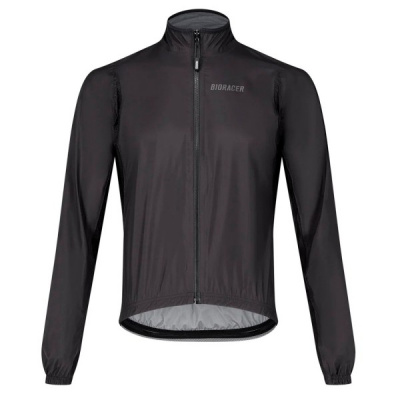
The range splits broadly between hard-working race-fit shells and deeper thermal options. If you need something packable for those rides where you're not sure whether you'll need it, there's a jacket for that. If January headwinds on the way to work are your reality, the Tempest Protect fabric options are built with exactly that in mind - a windproof layer that doesn't turn you into a mobile sauna on the climbs. Across the board, Pixel reflective technology is woven into the fabric construction, keeping you genuinely visible when the light drops and the roads get greasy. For UK riders who need kit that works as hard as they do, this is a brand worth understanding properly.
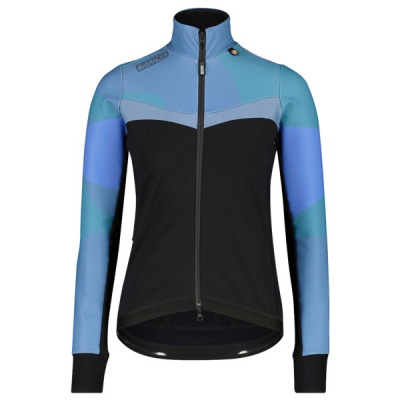
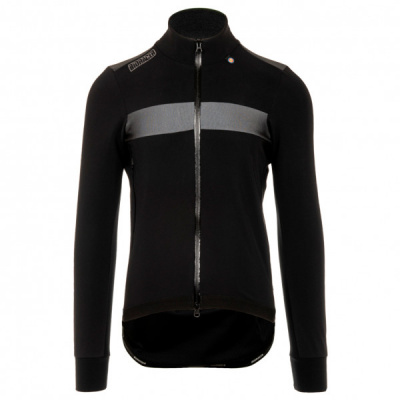
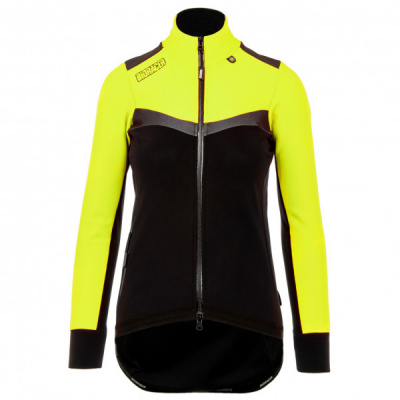
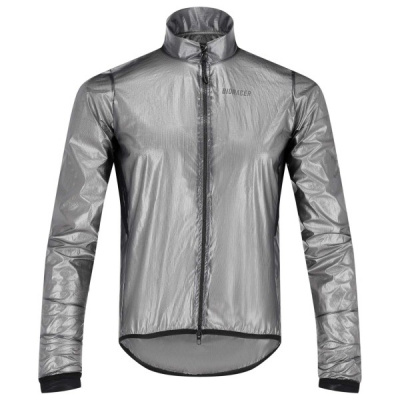
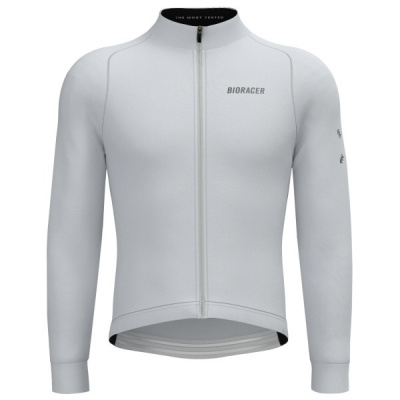
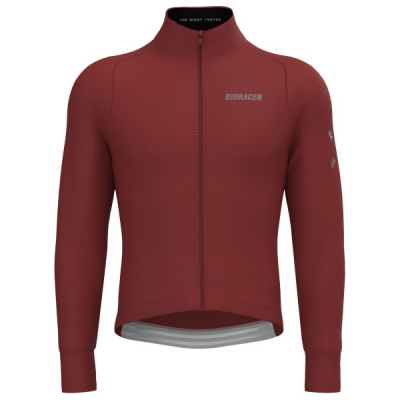
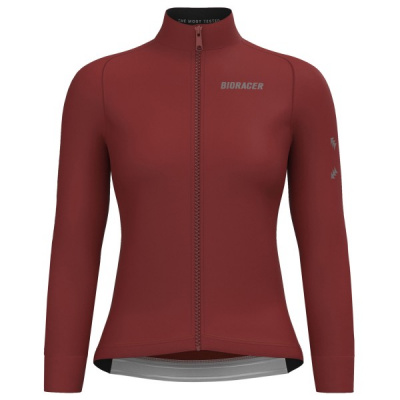
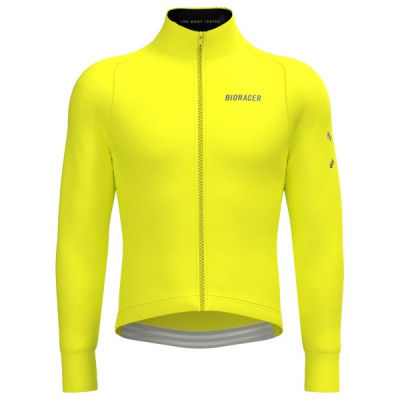
Prices and availability can change quickly. Delivery charges are not always included in listed prices.
Final price, stock status and delivery terms are set by retailer. We may receive a commission on purchases made.
Fabric Tech and Weather Performance: The Power of Tempest
The foundation of most Bioracer winter cycling jackets is the Tempest fabric - and it's worth understanding why it behaves differently to cheaper alternatives. Tempest is a woven, thermal, breathable fabric with water-repellent and wind-resistant properties built directly into the construction. That distinction matters more than it might sound. Surface DWR coatings - the kind found on plenty of budget jackets - wash out after a dozen launders and leave you wondering why your jacket suddenly feels soaked through. Tempest doesn't rely on that. The protection is structural, not topical, so it stays effective season after season.
For deeper winter riding, Tempest Protect adds a windproof membrane layer to the front panels, which is where you need it most. It handles the kind of frozen headwinds you get descending off exposed moorland without sealing in heat on the way back up. The breathable membrane keeps moisture moving outward while blocking the cold coming in - a genuine two-way system rather than just a windbreak. The 4-way stretch woven construction across the range means the jacket moves with you rather than fighting your pedal stroke, and the race-fit cut stays aerodynamic without restricting your position on the bars.
Then there's Pixel reflective technology. Rather than the usual reflective strips stitched on as an afterthought, Bioracer integrates glass bead inserts directly into the fabric weave. In headlights, the effect is significantly more visible than standard printed reflective panels - relevant for anyone doing early-morning commutes or winter evening rides on UK roads where the light disappears by four in the afternoon.
If you're comparing the Bioracer approach to alternatives, Castelli jackets offer similar race-fit philosophy with Gore-Tex options at the premium end, while Endura jackets tend to lean slightly more toward fit forgiveness and volume layering for UK sportive riders. Bioracer sits firmly in the performance-first camp.
Understanding the Bioracer Fit and Range
Bioracer structures its range around different fit and performance profiles, and picking the right one comes down to how you ride and what you're wearing underneath. The Epic range is the sharp end - an aggressive, second-skin race fit designed for high-tempo riding where any flapping fabric costs you something. These are jackets for riders who are moving hard enough to generate their own heat and need the jacket to manage that rather than add to it. If you're used to Lycra bib tights sitting exactly where they should without adjustment, the Epic fit will feel immediately right.
Step across to the Icon or Spitfire ranges and you get a fit that's still clearly tailored and aerodynamic, but with slightly more room across the shoulders and a touch more forgiveness over a thicker mid-layer. Worth knowing if you tend to run a long-sleeve thermal beneath your shell - the Epic fit can feel genuinely restrictive over anything more than a lightweight base layer. Sizing generally runs close to true across both ranges, but if you're between sizes or planning to layer up for a proper winter ride, the sensible move is to go up.
The drop tail on most models is a practical detail that earns its place quickly - it covers your lower back when you're stretched out on the bars, which matters a lot more than it sounds on a two-hour ride in January. Rear pockets sit well in the race position without ballooning outward.
For milder days when you want core protection without the full jacket, Bioracer's gilet options are worth a look separately - head over to the Bioracer Gilets collection to see what fits your conditions. Sleeveless layering is its own category and deserves proper attention rather than a footnote here.
Layering and Care for UK Riding
A Bioracer jacket works hardest when the layer underneath is doing its job properly. On cold, humid climbs - the kind you get on a grey morning in the Dales or the Surrey Hills in February - wearing a heavy cotton base layer defeats the point entirely. Pair your jacket with a Bioracer thermal base layer and the system works as designed: moisture moves away from your skin, the jacket vents it outward, and you arrive at the top of the climb damp but not soaked. Get the base layer wrong and no jacket fixes that.
For full winter kit, adding Bioracer bib tights and Bioracer overshoes rounds out a system that's been designed to work together - matching thermal ratings, consistent stretch properties, and coherent fit profiles across the range. It's not essential to buy full-kit, but when conditions get properly grim, coherent layering makes a tangible difference.
On washing: Tempest fabric is durable but not indestructible. Wash at 30 degrees, always. Skip the fabric softener - it coats the fibres, kills the breathability, and strips the water repellency faster than anything else you could do. Tumble drying hammers the elasticity in the 4-way stretch panels, so line dry wherever possible. If the water repellency starts to bead less effectively after heavy use, a low-heat iron or a brief tumble on a cool setting can reactivate the DWR coating. That's a two-minute job that extends the jacket's useful life considerably.
Bioracer Jackets FAQs
Are Bioracer jackets true to size?
Bioracer sizing generally runs close to true, but the race fit cuts - particularly in the Epic range - are genuinely close to the body. If you're between sizes or planning to wear a thermal layer underneath, size up. It's a snug fit by design, not an error.
What is Bioracer Tempest material?
Tempest is Bioracer's proprietary woven thermal fabric combining breathability with wind and water resistance. Crucially, those properties are built into the fabric structure rather than applied as a surface coating, so they don't wash out over time the way DWR-only treatments do.
How waterproof are Bioracer cycling jackets?
It depends on the fabric tier. Standard Tempest handles drizzle, road spray, and light showers well. Jackets using Tempest Protect add a windproof membrane and higher water resistance suitable for heavier rainfall. For sustained downpours, look specifically for fully seam-sealed shell options in the range.