
Bioracer Bib Tights
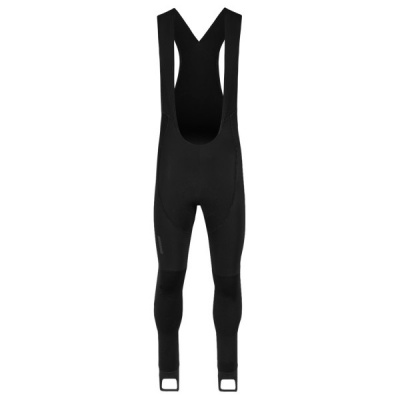
Bioracer bib tights are built by a Belgian brand that has had cold, wet, cobble-flecked winters baked into its DNA from the start - and that shows in every seam. Where some brands treat foul weather as a footnote, Bioracer treat it as the brief. The result is a winter tights range that pairs aerodynamic, race-proven construction with proper thermal and weather-resistant fabrics, not just a fleece lining and a hope for the best.
At the heart of the winter lineup is Tempest fabric technology - a thermal, breathable weave treated with a DWR coating that sheds road spray rather than soaking it up. Step up to Tempest Protect and you add a windproof membrane for those exposed ridge roads where a headwind cuts straight through lesser kit. The Vapor chamois pad uses 3D webbing for damping and moisture management on longer efforts, while Pixel reflective technology - glass bead inserts woven into the fabric - keeps you visible when the light drops at half three. Whether you're grinding through damp Pennine lanes or rolling pre-dawn miles before work, there's a Bioracer tight built to handle it. Here's how the range breaks down.
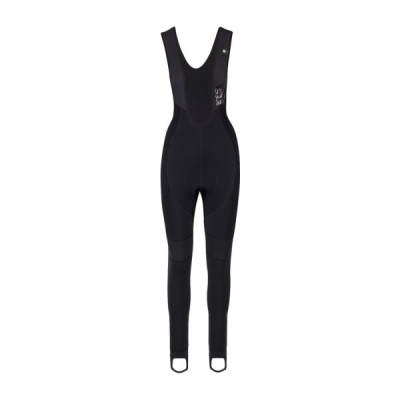
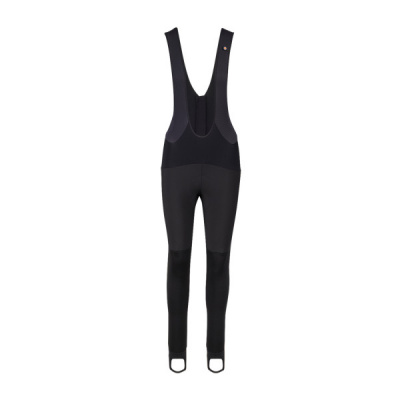
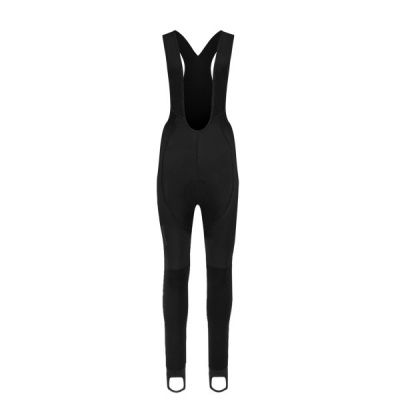
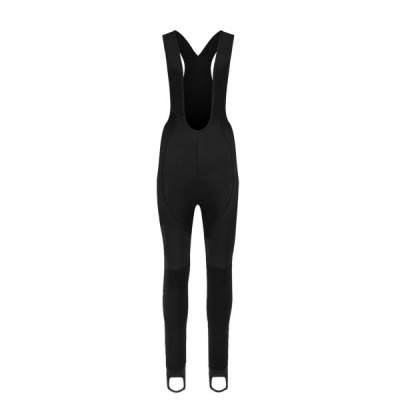
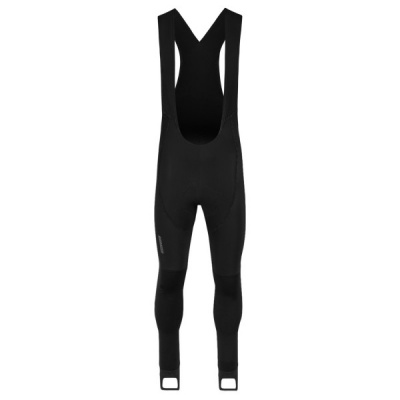
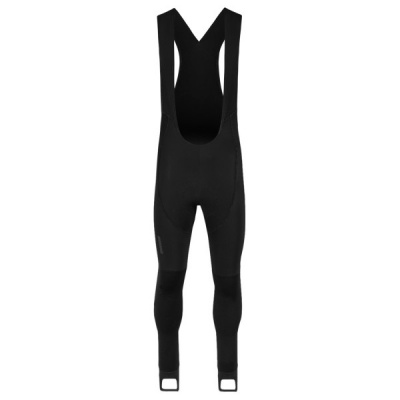
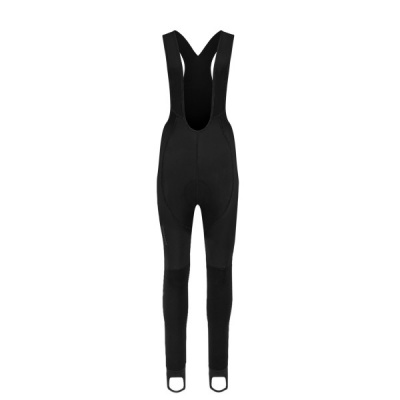
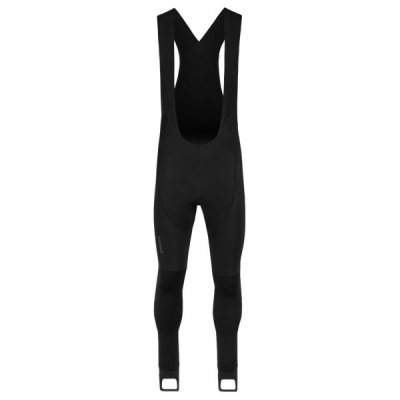
Prices and availability can change quickly. Delivery charges are not always included in listed prices.
Final price, stock status and delivery terms are set by retailer. We may receive a commission on purchases made.
Fabric Tech and Weather Performance
Standard Tempest fabric is where most riders in the range will start. It's a thermal knit - warm enough for crisp autumn rides and brisk mornings into spring - and the DWR coating gives it meaningful water repellency against the kind of persistent drizzle and road spray that's basically a given on UK winter rides. It won't replace a waterproof jacket in a downpour, but it handles sustained damp without turning cold and heavy against your legs. Breathability is part of the equation too; you're working hard, and a fabric that just traps heat will leave you clammy well before you hit the café.
Tempest Protect is the step up for deep winter. It integrates a windproof layer that makes a real difference on exposed riding - think long moorland drags or coastal routes where the wind is relentless. That windproof membrane doesn't kill breathability entirely, but it does add a layer of protection that standard Tempest simply can't match when temperatures drop and headwinds bite. If you're riding through January and February in the north of England or Scotland, Tempest Protect is the more sensible choice rather than an afterthought.
Pixel reflective technology is easy to overlook on a spec sheet, but it matters. Glass bead inserts are woven directly into the fabric and catch car headlights from multiple angles - far more effective than a couple of reflective strips stitched on as a box-tick. With UK winter daylight giving you roughly seven hours on a good day, low-light visibility isn't optional.
Understanding the Bioracer Fit and Range
Bioracer organise their tights around clear performance tiers, and the distinction matters when you're choosing. The Epic line is the race end of the spectrum - highly compressive, close-cut, and shaped around an aggressive position on the bike. If you're spending long hours in the drops or training seriously through winter, that compressive fit aids muscle support and reduces fatigue. It's not a relaxed fit, and it's not meant to be.
The Spitfire and Icon lines are a touch more forgiving in the cut, aimed at endurance riding and club-paced efforts where you're upright for hours rather than tucked. They're still a proper cycling fit - nothing baggy - but the compression is measured rather than aggressive. For most UK club riders doing three- or four-hour winter spins, these lines will feel more comfortable across a full day.
On chamois pads, the Vapor pad is the one to understand. The 3D webbing structure creates a system that manages moisture away from the skin, reduces friction over distance, and provides damping without the dense, flat feel of older foam constructions. The Smooth pad is a simpler, flatter option - adequate for shorter rides but lacking the same performance depth on longer efforts. If you're regularly doing two hours or more, the Vapor pad is worth prioritising in your search.
Sizing is where Bioracer catch some riders out. Their fit reflects a European race tradition - close, precise, and not generous. If you're between sizes or used to a more relaxed cut from brands like dhb or Endura, go up a size. It's not a flaw in the product; it's just how the fit is calibrated, and knowing it upfront saves a return. At the premium end, Assos and Castelli offer similar race-oriented construction if you want to compare fits across the tier.
Layering, Pairing, and Garment Care
Bib tights are the foundation of a winter riding system, not the whole answer. On genuinely cold days, a Bioracer gilet over a base layer adds core protection without overheating your arms on climbs - it's the easiest way to manage variable conditions mid-ride. When it's properly grim, a Bioracer jacket paired with Tempest Protect tights covers most of what a UK winter throws at you. Add Bioracer overshoes and you've closed off the cold spots that bib tights alone can't address - feet get cold fast, especially on long descents.
If you also ride through summer and want to keep the Bioracer chamois geometry consistent across seasons, their bib shorts use the same pad philosophy, so the transition between warmer and colder kit feels familiar rather than jarring.
Caring for Tempest fabrics properly makes a real difference to how long the DWR coating performs. Wash at 30°C using a technical apparel detergent - ordinary washing powder and fabric softener both degrade the DWR treatment over time, and fabric softener in particular will strip it faster than the miles. Air dry away from direct heat sources; tumble dryers shorten the life of both the DWR coating and the chamois foam structure. If you notice water starting to soak into the fabric rather than beading off, a low-heat tumble dry or a dedicated DWR re-proofer spray can often restore the finish before you need to consider a replacement.
Bioracer Bib Tights FAQs
Are Bioracer bib tights true to size?
Not quite, in the traditional sense. Bioracer cut their tights to a close, race-oriented fit that runs tighter than many UK riders expect. If you're between sizes or coming from a brand with a more relaxed cut, sizing up is the sensible move. Check the brand's size guide against your thigh and waist measurements before ordering.
What is the difference between Bioracer Tempest and Tempest Protect?
Standard Tempest fabric gives you thermal insulation and DWR water repellency - solid for cold, damp days. Tempest Protect adds an integrated windproof membrane on top of that, making it the right choice when temperatures drop hard and headwinds are relentless. Think of Tempest as autumn-to-early-winter kit, and Tempest Protect as your January and February answer.
How should I wash my Bioracer bib tights to maintain water resistance?
Wash at 30°C with a technical apparel detergent and skip the fabric softener - it degrades the DWR coating quickly. Air dry away from direct heat rather than tumble drying. If water stops beading off the fabric, a low-heat tumble cycle or a DWR re-proofer spray can often restore the finish without needing to replace the garment.