
BBB Sunglasses
BBB cycling sunglasses sit in a useful gap in the market: genuinely capable eyewear that doesn't ask you to spend Oakley money to get polycarbonate optics, solid UV400 protection, and a frame that won't snap when you stuff it in a jersey pocket mid-ride. The range covers everything from stripped-back half-frame designs to fuller aero wraps, and the fit systems are built with enough adjustability to stay put whether you're hammering a flat sportive or picking a careful line through wet Welsh lanes.
What makes BBB worth a proper look is the consistency of the core tech across the range. Grilamid TR90 frames flex rather than fracture, polycarbonate lenses handle road grit and stone chips without shattering, and the hydrophobic and anti-fog coatings aren't an afterthought - they're doing real work on a damp British morning when your breathing rate climbs and lesser lenses fog solid. Several models carry PH photochromic lenses that shift tint automatically as the light changes, which matters more than you might think when you drop into a tree-lined descent after an hour on exposed moorland. Adjustable rubber nose pieces and temple tips keep things stable across different face shapes without the pressure points that plague cheaper options. Clear value. Capable tech.
Prices and availability can change quickly. Delivery charges are not always included in listed prices.
Final price, stock status and delivery terms are set by retailer. We may receive a commission on purchases made.
Lens Tech and What It Does in Changing Light
Polycarbonate lenses are the baseline across the BBB range, and it's a sensible choice. Polycarbonate is impact-resistant, lighter than glass, and takes coatings well - all of which matter when you're riding in conditions that throw grit, insects, and the odd low branch at your face. Every lens in the range delivers 100% UV400 protection, blocking both UVA and UVB. That's non-negotiable for anyone spending serious hours outside, even on overcast days when UV levels stay higher than most riders expect.
The Multi-Layer Coating (MLC) is where the optics start to separate from budget alternatives. MLC reduces surface reflections and cuts glare more effectively than a single-layer treatment, which translates to less eye fatigue on long days and sharper definition on wet roads where surface scatter is worst. Pair that with a hydrophobic outer coating - water beads and rolls off rather than sheeting across the lens - and you've got eyewear that stays usable through a typical Yorkshire spring shower rather than needing a wipe every ten minutes.
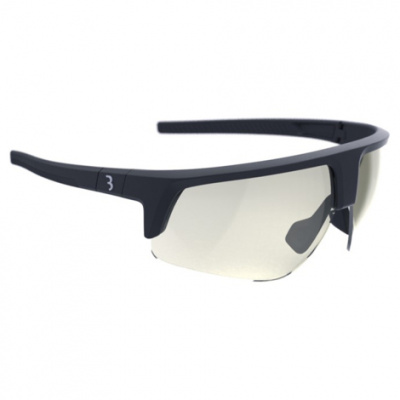
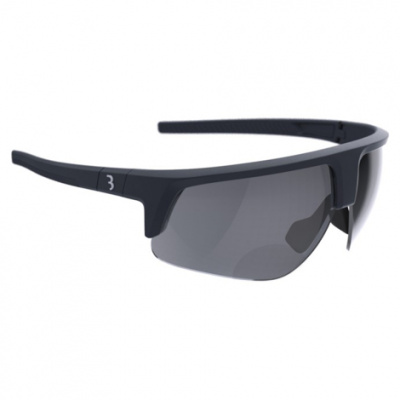
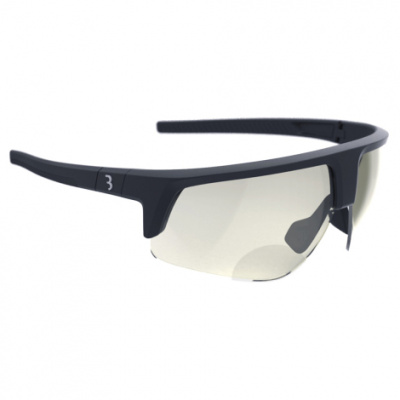
BBB photochromic sunglasses are worth considering if your rides regularly cross between open and shaded sections. The PH lenses react to UV intensity, darkening in direct sun and clearing back down under cloud cover or tree canopy. The transition isn't instantaneous, but it's fast enough to be practical. If you prefer manual control, BBB's interchangeable lens systems let you carry a spare clear or yellow lens and swap based on the forecast - yellow lenses in particular lift contrast on flat grey days, making surface details easier to read. Anti-fog coating on the inner face handles the condensation that builds when effort spikes on a cold morning climb, keeping your vision clear when you need it most.
Frame Fit, Face Shapes, and the Range Breakdown
The Grilamid TR90 frame material is doing more work than it gets credit for. TR90 is a thermoplastic polyamide: it flexes under stress rather than snapping, which means the frame survives being sat on, bundled into a bag, or dropped on tarmac without cracking. It's also light, so you're not aware of the glasses after the first few minutes of riding. That flexibility also helps with BBB cycling eyewear fit across different face shapes - the frame has enough give to seat comfortably on wider faces without the rigid pressure points you get from stiffer materials.
The adjustable rubber nose pieces are the other key fit variable. They let you shift the lens position closer to or further from your face, which affects both comfort and how well the wrap-around fit seals against wind and debris. Get this right and the glasses sit stable through a hard effort or a rough descent without sliding. Temple tips with rubber grip sections do the same job at the back, holding everything in place under a helmet without snagging on the straps.
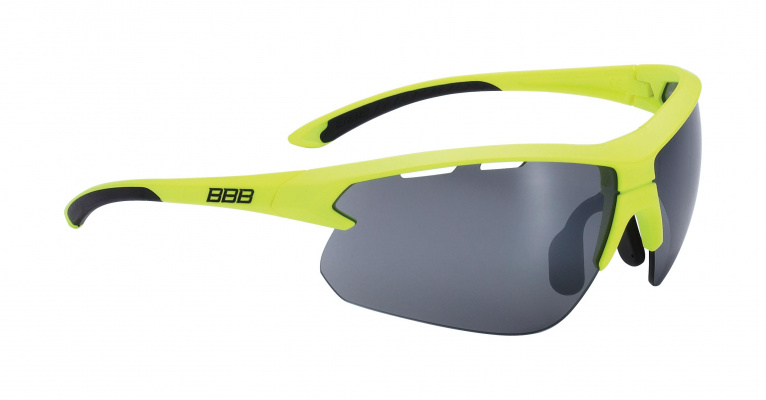
Within the range, full-frame aero models offer maximum coverage and are the natural choice for road riders who want a sealed, wind-cutting profile. Half-frame and frameless designs save weight and improve airflow, which suits gravel and longer endurance rides where ventilation matters more than aerodynamics. The interchangeable lens cycling glasses in BBB's half-frame lineup are particularly practical: the lens clips in and out quickly, so carrying a spare in a saddle bag is a realistic option rather than theoretical advice. If you're comparing options, Oakley sunglasses sit at the premium end with refined optics, while Endura sunglasses target a similar practical riding brief to BBB with a slightly different fit philosophy.
Adapting to UK Conditions and Keeping the Lenses Clean
UK riding means variable light, and variable light is where BBB's lens system earns its keep. A summer morning in the Peak District might start overcast, open up to bright sunshine on the exposed tops, then drop back into shade on a wooded descent - all within an hour. A single dark lens struggles with that range. Either go photochromic and let the lens handle it automatically, or build the habit of swapping lenses at the start of a ride based on what the first hour looks like. Keep a clear or yellow lens in the top of your jersey pocket on mixed days; the snap-and-lock mechanism on most half-frame models makes the change fast enough to do at a junction.
Lens care matters more than most riders bother with. Polycarbonate scratches more easily than mineral glass, so how you clean the lenses determines how long the anti-scratch and anti-fog coatings last. After a muddy or gritty ride - think winter commutes or a wet Peak District lane - rinse with clean water before you wipe anything. Wiping a dry gritty lens with a microfibre cloth is the fastest way to score the coating. Once rinsed, use the soft cloth that comes with the glasses, not a jersey hem. Store them in the case; polycarbonate left loose in a bag with keys and tools won't survive long. For a complete kit approach, BBB frame protection and BBB lights pair well if you're building out an all-conditions setup for shorter winter days.
On the road, the hydrophobic coating handles most rain without smearing, but in very heavy rain the coating's effectiveness drops - that's physics, not a fault. Cleaning intervals matter here: a contaminated hydrophobic surface stops beading water properly, so a regular rinse keeps it performing. For riders who spend time on Scottish or Welsh winter roads, where road spray is near-constant, it's worth checking the coating condition every few weeks. 100% sunglasses and Madison sunglasses target a similar price range and are worth comparing directly if fit or specific lens tints are the deciding factor. Complementing your eyewear with the right BBB saddle rounds out the contact-point picture if you're speccing a new build or refresh.
BBB Sunglasses FAQs
Are BBB cycling sunglasses good for low light?
Yes. Several BBB models include interchangeable clear or yellow lenses that lift contrast in overcast or fading light - useful for early-morning rides or late autumn afternoons. If you'd rather not swap lenses manually, BBB photochromic sunglasses adjust tint automatically in response to UV levels, handling the transition between bright and shaded sections without input from you.
How do I change the lenses on BBB sunglasses?
On most BBB half-frame models, gently flex the frame away from the nose bridge and the lens releases from its seating. It's straightforward once you've done it once - no tools needed. Handle the lens by its edges to avoid putting fingerprints or pressure on the coated surfaces, and store the spare in the included pouch rather than loose in a bag.
Do BBB cycling glasses fit wide faces?
The Grilamid TR90 frame material flexes enough to accommodate wider face shapes without pinching or distorting, which is a genuine advantage over stiffer frame materials. The adjustable rubber nose pieces let you fine-tune the bridge fit as well, so the glasses sit at the right height and angle regardless of face width.