
Basso Frame Bags
Basso frame bags are designed from the ground up to work with Basso's distinctive tube profiles rather than fight them - no bunching, no awkward gaps, no bag that looks like it belongs on a different bike entirely. That matters when your Palta or Tera already looks the part and you don't want to spoil it with a generic saddlebag strapped on with crossed fingers.
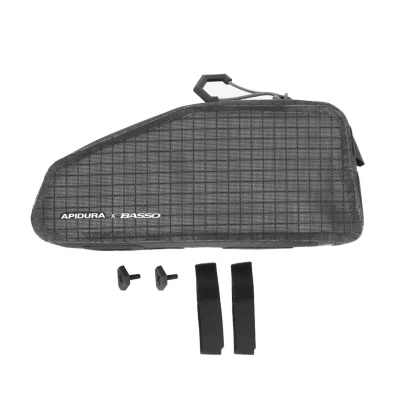
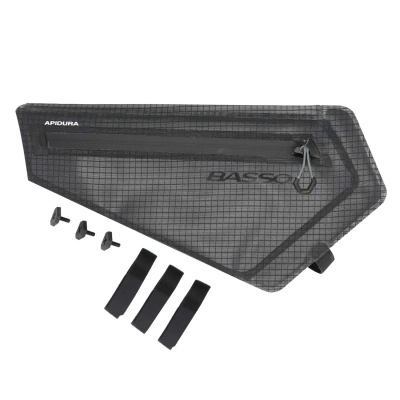
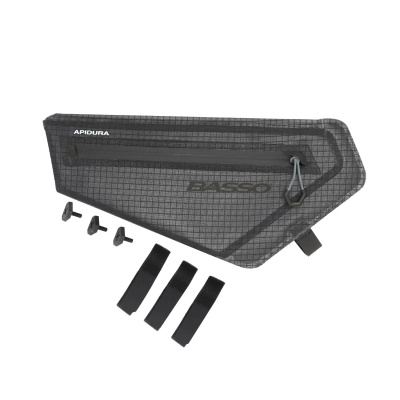
The range covers both strap-mount options for broader compatibility across the road and gravel lineup, and direct bolt-on top tube bags for frames with integrated mounts. Fabrics are high-frequency welded and weather-resistant, with zippers specified to cope with the kind of persistent wheel spray you get on a wet Welsh lane or a boggy Pennine bridleway. Aerodynamic profiling keeps the bags sitting flush against Basso's proprietary tube shapes, so you're not suddenly tacking a brick to the front of the frame.
Whether you're loading up for a multi-day Basso gravel bike adventure or just stuffing a spare tube and a rain cape in for a long winter ride, these bags are built to carry your gear without compromising what makes the bike feel like a Basso in the first place. Capacity, protection, and a clean finish - that's the brief.
Prices and availability can change quickly. Delivery charges are not always included in listed prices.
Final price, stock status and delivery terms are set by retailer. We may receive a commission on purchases made.
Compatibility and Mounting: What Fits What
Not all Basso bags mount the same way, and it's worth being clear on this before you buy. The strap-on frame bags use adjustable webbing and are broadly compatible across Basso's road and gravel range - if you've got a front triangle, you've got somewhere to put one. But Basso's bolt-on top tube bags are a different conversation. These rely on integrated bento box mounts that are specific to frames like the Basso Palta and Basso Tera, so if your frame doesn't have those threaded inserts, a bolt-on bag simply isn't an option.
The direct-mount integration is the smarter choice where it's available. Strap mounting on a carbon top tube always carries a nagging risk - more on that shortly - whereas a bolted bag eliminates strap rub entirely and sits rock-solid even on the kind of chunky gravel that has everything else rattling. The aerodynamic profiling on these bolt-on options is also meaningfully better; they're shaped to sit flush with Basso's tube geometry rather than perching on top of it.
One practical point worth checking before you order: measure your front triangle clearance with your current bottle setup in place. A larger partial frame bag can encroach on side-entry cage access, and on some frame sizes the geometry is tight enough that you'll need to think about whether your bottles come out first or your bag does. It sounds obvious, but it catches people out. Check Basso frames listed on Bikesy for geometry data if you need to confirm your front triangle dimensions.
Top Tube Bags vs Frame Bags: Picking the Right Tool
The top tube bag is the quick-grab option. Think gels, a multi-tool, your phone, a cereal bar you'll eat before the first climb. Capacity is intentionally limited - these aren't designed to swallow a spare layer - but that constraint is the point. Everything you need without reaching into a jersey pocket at 25mph.
The partial frame bags do the heavier lifting. A pump, a spare gilet, a bigger tube, your emergency flapjack stash - this is where that kit lives. Internal capacity varies by frame size, but the key thing to understand is where you position heavier items within the bag. Keep dense gear low and towards the bottom bracket end of the frame bag. It keeps the bike's centre of gravity lower, which you'll actually feel on a technical gravel descent when the front end starts asking questions. A badly packed frame bag that's heavy at the top of the triangle changes how the bike handles. Not dramatically, but enough to notice on loose stuff.
If you're running both a top tube bag and a frame bag together, think of them as a system rather than two separate purchases. The top tube bag handles the immediately accessible items; the frame bag is your moving cupboard. If you're comparing alternatives, Apidura frame bags and Ortlieb frame bags both offer strong universal options, though neither is profiled specifically for Basso's tube shapes the way the branded bags are. Miss Grape frame bags are worth a look too if you want a custom-cut alternative with serious abrasion resistance.
UK Grit, Wet Zips, and Keeping Your Carbon Intact
British bridleways have a particular talent for destroying things quietly. Silica grit from chalk paths and clay-heavy trails gets thrown up by your wheel, settles under velcro straps, and works away at your clearcoat every time the bag moves even fractionally. On a carbon frame, that's not a cosmetic issue - it's a structural one if it goes far enough. The fix is straightforward: apply frame protection tape to every single contact point before you mount any strap-based bag. Every point. Don't skip the underside of the top tube because it's fiddly.
This is non-negotiable on a carbon frame safe setup. The tape costs almost nothing compared to a respray or, worse, a frame warranty conversation. If you're unsure which areas need covering, lay the bag against the frame unmounted first and note every spot where webbing or fabric sits directly against carbon. Tape those spots.
The waterproof zippers on Basso's bags are specified for UK riding conditions - persistent rain, standing water flicked off wet roads, the full miserable package. But waterproof zippers only stay waterproof if they're clean. Grit in the zip teeth compromises the seal and wears the waterproofing away faster than you'd think. After a dirty ride, run a damp cloth along the zip before it dries. Every few months, work a small amount of silicone-based zip lubricant into the teeth. It takes two minutes and keeps the zip moving smoothly without degrading the water resistance the way oil-based lubricants can. The high-frequency welded seams handle the structural waterproofing, but the zip is the weak point in any bag - look after it.
For genuinely foul days - think full-day rides in the Scottish Borders in October - the bags will handle sustained rain and spray well. If you're carrying anything sensitive to moisture, a secondary internal dry bag for electronics is sensible insurance. The bags are highly water-resistant rather than submersible, and that's the honest position on any zip-access bag at this level.
Basso Frame Bags FAQs
Do Basso frame bags fit all Basso bikes?
Strap-on frame bags work across Basso's road and gravel range, so broadly yes. The bolt-on top tube bags are different - they need integrated top tube mounts, which you'll find on models like the Palta and Tera but not necessarily across the full lineup. Check your frame's mounting points before ordering.
Are Basso frame bags fully waterproof?
They use high-frequency welded seams and weather-resistant technical fabrics that handle UK rain and wheel spray reliably. Fully submersible they're not - no zip-access bag genuinely is. For sensitive electronics on a long wet day, pack them in a secondary dry bag inside. That covers you for everything short of a river crossing.
How do I prevent frame bags from scratching my carbon Basso?
Apply Basso frame protection tape to every contact point before mounting any strap-based bag - no exceptions. UK grit trapped under velcro straps works like sandpaper on carbon clearcoat, and the damage builds up invisibly until it's too late. The tape is cheap; a frame repair isn't.