
Apollo Hybrid Bikes
Apollo Hybrid Bikes sit firmly at the accessible end of the UK cycling market - and that's precisely the point. These are bikes designed around getting you riding without a lengthy specification debate or a significant financial commitment. Upright geometry keeps you comfortable on the school run or the ride to the station; robust 700c wheels handle potholed side streets without complaint; and the frames come drilled for mudguards and pannier racks from the factory, not as an afterthought. Apollo strips the lineup back to what actually matters for everyday British cycling: reliable Shimano gearing, sensible tyre clearance for mixed surfaces, and frames built to absorb the kind of use most leisure riders actually dish out. You get a choice between heavier high-tensile steel models - honest, durable, and priced accordingly - and lighter 6061 alloy options that are noticeably easier to haul up a canal-side bridge or carry up a flight of stairs. Step-through variants widen access further for riders who want easy mounting and dismounting in urban traffic. No carbon, no electronic shifting, no fuss. Just a dependable bike that gets on with the job.

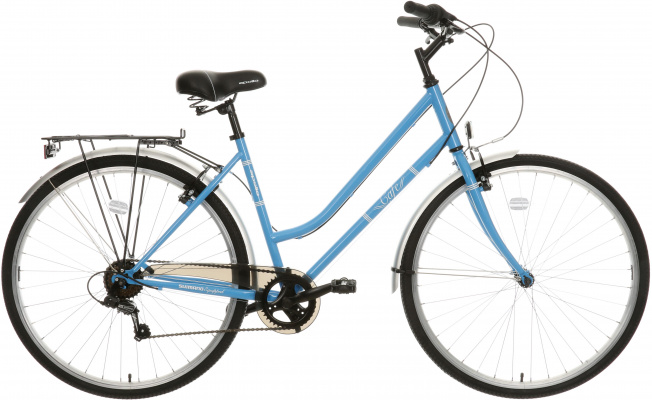
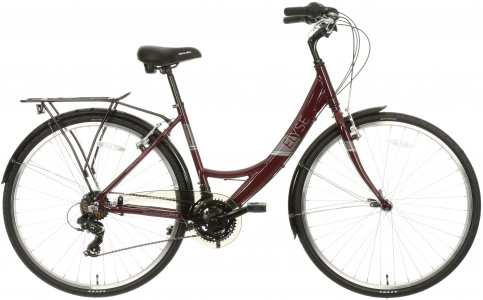
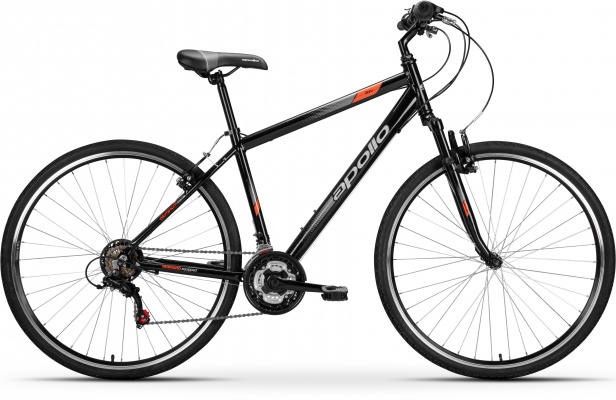
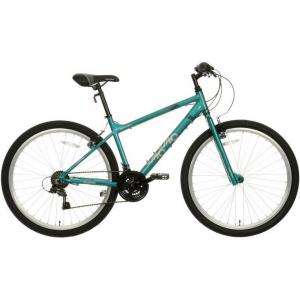
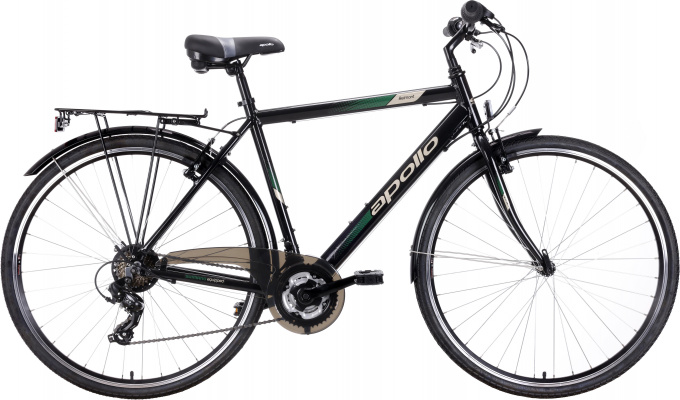
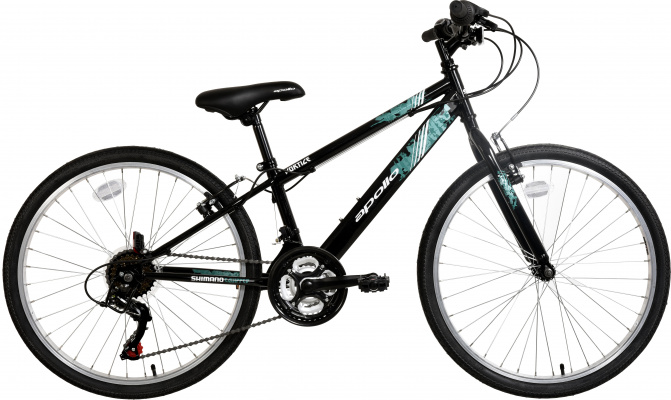
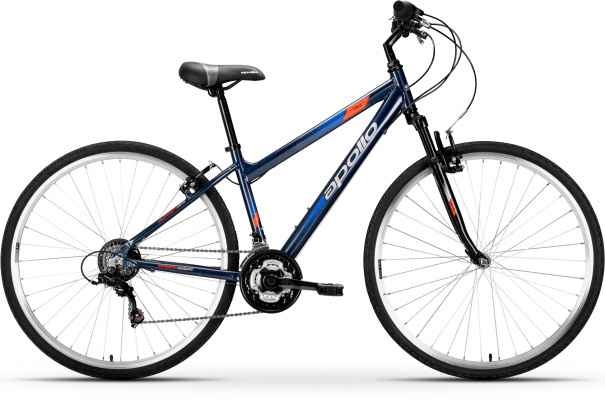
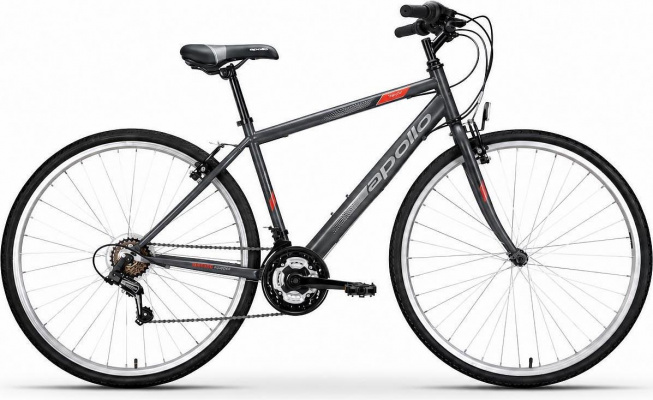
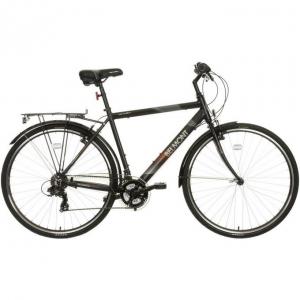
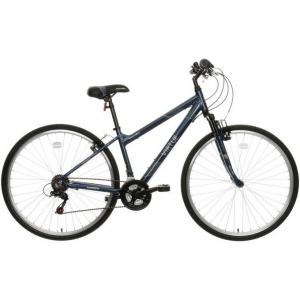
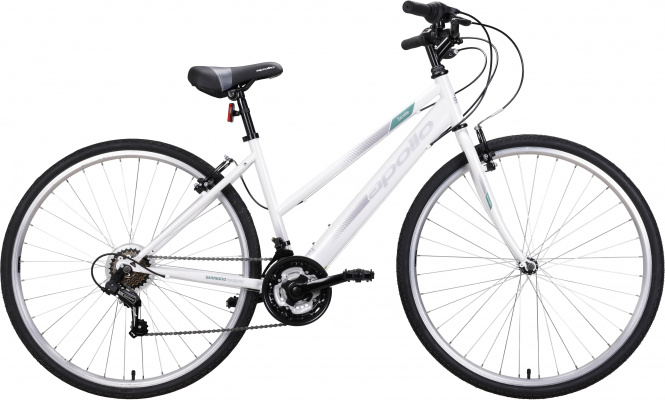
Prices and availability can change quickly. Delivery charges are not always included in listed prices.
Final price, stock status and delivery terms are set by retailer. We may receive a commission on purchases made.
Decoding the Apollo Hybrid Lineup
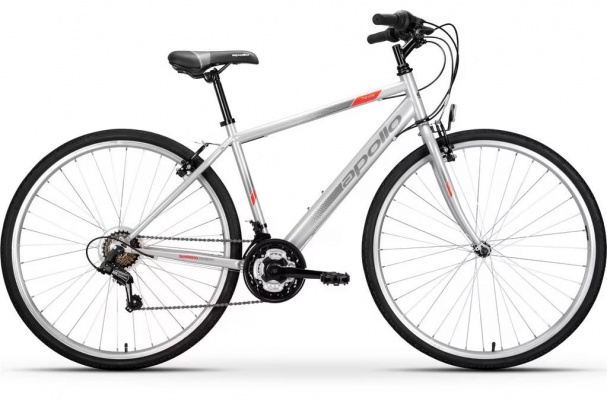
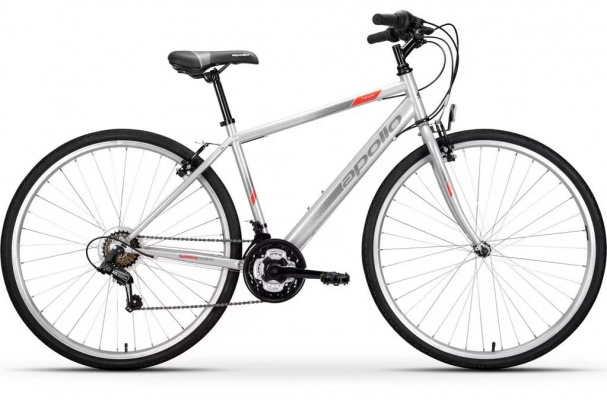
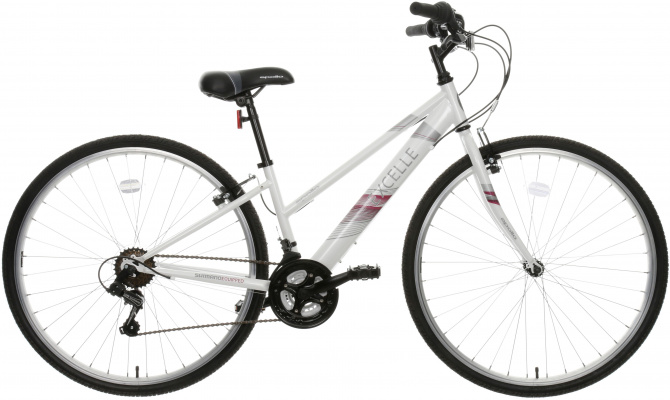
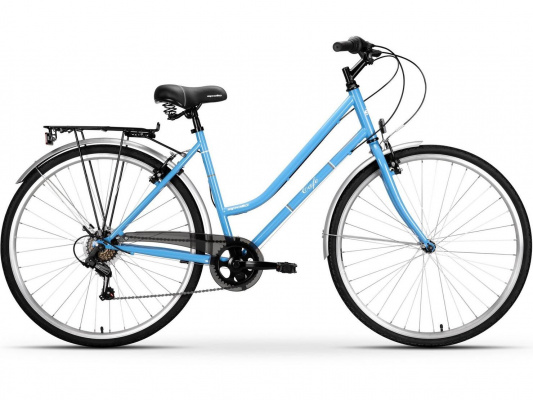
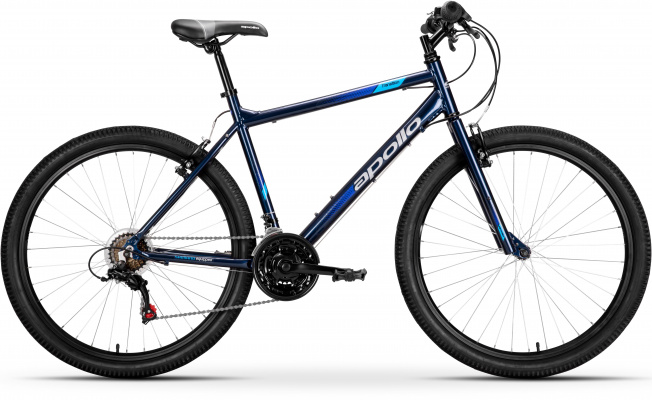
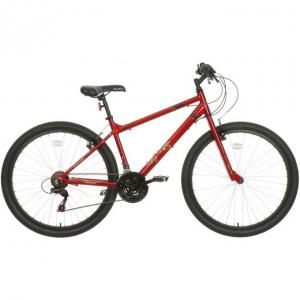
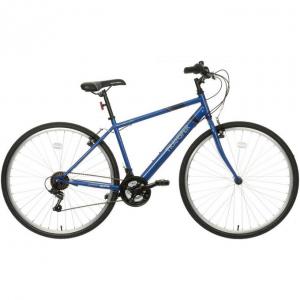
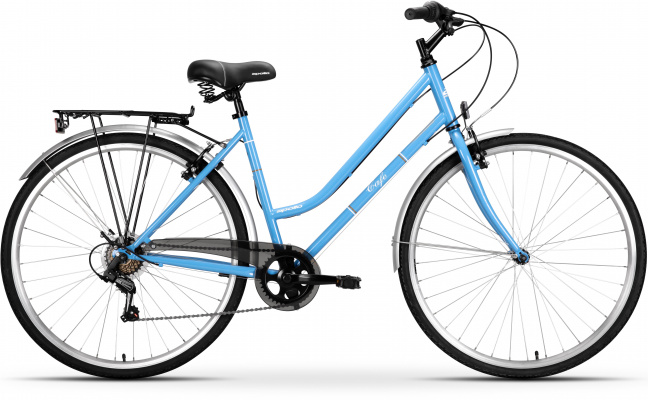
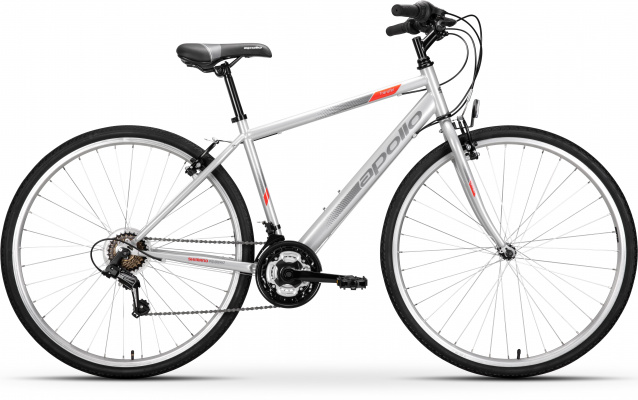
Apollo's hybrid range splits broadly into two camps: steel-framed workhorses and lighter alloy commuters. The Apollo Belmont anchors the steel side - a high-tensile frame, relaxed riding position, and a price point that makes it one of the most straightforward entry points you'll find in UK cycling. It's heavier, yes, but it's also the kind of bike you can leave locked outside a supermarket without losing sleep over it. If weight matters more than budget, the Apollo Transfer steps things up with a 6061 alloy frame that sheds a meaningful amount of mass while keeping the same practical, commuter-focused philosophy. For riders who prefer a lower standover - particularly useful in stop-start city traffic - Apollo's step-through models like the Apollo Elyse offer the same everyday usability in a frame shape that's far easier to mount and dismount quickly. The range is tight and coherent rather than sprawling, which makes choosing straightforward. Looking for an electric boost for your commute? Check out our dedicated Apollo E-Bikes range, where the assist models are covered in full.
The Apollo Tech Philosophy: Durability Over Flash
There's a clear logic running through how Apollo spec their hybrids, and once you see it, the component choices make complete sense. Take the frame material decision first. High-tensile steel is denser and heavier than aluminium, but it absorbs road buzz well and is genuinely forgiving if you knock it about - think of it as a cast-iron pan rather than a non-stick: not the lightest tool, but hard to break. 6061 alloy costs a little more to produce, gives you a noticeable weight saving, and resists corrosion without any special attention. For a bike being stored in a damp garden shed between rides, that matters. Neither material is wrong - it's purely a question of whether you'd rather save money upfront or carry less weight every day.
Gearing across the range leans on Shimano Tourney drivetrains, typically paired with Shimano Revoshift grip-shift levers that twist to change gear rather than click with a thumb lever. Revoshift divides opinion - some riders find it intuitive immediately, others take a few rides to adjust - but it's a robust, low-maintenance system that holds its index well and is easy to service without specialist tools. Tourney itself isn't glamorous, but it's proven across millions of budget bikes and does everything a leisure commuter asks of it reliably. The braking setup uses traditional V-brakes rather than hydraulic discs. That's a deliberate choice: V-brakes are cheap to replace, easy to adjust at home with a 5mm allen key, and provide more than adequate stopping power for urban riding. If you're comparing Apollo against Carrera hybrid bikes or Boardman hybrid bikes at similar price points, you'll find broadly comparable drivetrain specs - the differences come down to frame finish, geometry detail, and accessory mounts rather than any dramatic performance gap. Apollo's ergonomic gel comfort saddles are shaped specifically for the upright, leisure-focused geometry these bikes run - wider and more cushioned than a road saddle, which your sit bones will appreciate on a 45-minute towpath ride.
Living with an Apollo Hybrid in the UK
Apollo's sizing runs in broad S/M/L brackets rather than centimetre-specific measurements, which suits most riders fine but does mean it's worth checking the stated rider height ranges carefully rather than assuming your usual size translates directly. If you're between sizes, the general advice holds: go up if you're at the top of a size range and you prioritise comfort; stay in the smaller size if you want a bit more responsiveness and control. Most hybrid riders end up wanting the comfortable end of that call.
Steel frames need one specific bit of attention that alloy doesn't: if you chip the paint - locking rings, kerb knocks, a tumble - touch it up quickly with a bit of clear nail varnish or frame paint to stop moisture getting in. Left unchecked, surface rust can take hold through a British winter faster than you'd expect. Keep the drivetrain clean and lightly lubed with a wet-weather lube if you're riding through autumn grime, and the Tourney groupset will last reliably for years. V-brake cables stretch slightly with use, particularly after wet and gritty rides. Pulling the cable through the barrel adjuster on the brake lever by half a turn or so restores a firm feel in minutes - worth doing every few weeks if you're commuting daily rather than waiting until the brake feels spongy.
The pannier rack mounts and mudguard clearance built into these frames are genuinely useful rather than decorative. Full-length SKS-style mudguards are the move for winter riding - not the short clip-ons, which still soak your feet. A proper rear rack means you can carry a change of clothes or a lock without a backpack, which makes a 30-minute urban commute considerably more comfortable. The 700c wheels with 35c-plus tyres handle canal towpaths and rougher cycle-network surfaces without drama, though if your commute is purely smooth tarmac, swapping to a slightly narrower tyre reduces rolling resistance noticeably. Pairing the bike with the right Apollo saddle for your fit and a decent bell for shared paths rounds things out practically. If anything needs replacing down the line, Apollo spare parts are widely available and straightforward to source. Apollo also produce a solid mountain bike range if your riding ambitions eventually outgrow the towpath.
Related searches:
Apollo Hybrid Bikes FAQs
Are Apollo hybrid bikes good for commuting?
For short to medium UK commutes, yes - they're hard to fault at the price. The upright geometry is easy on your back in traffic, and the factory-fitted mounts for mudguards and pannier racks mean you can set them up properly for daily use without buying a different bike.
What is the difference between the Apollo Belmont and Apollo Transfer?
The Belmont uses a high-tensile steel frame: cheaper, robust, but heavier - you'll feel that weight pushing up hills or carrying it upstairs. The Transfer runs a 6061 alloy frame that's meaningfully lighter and resists corrosion better, which makes it the better pick if your commute involves any kind of climbing or regular carrying.
How heavy is an Apollo hybrid bike?
Expect somewhere between 14kg and 17kg depending on the model. Alloy-framed bikes like the Transfer sit towards the lighter end; steel-framed models like the Belmont are heavier. Neither is featherlight, but for flat urban commuting it's rarely an issue in practice.