
Ale Jackets
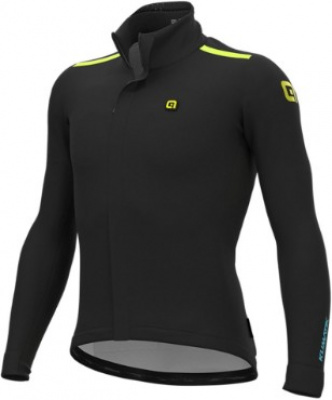
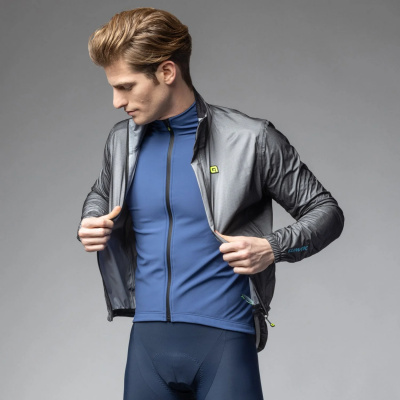
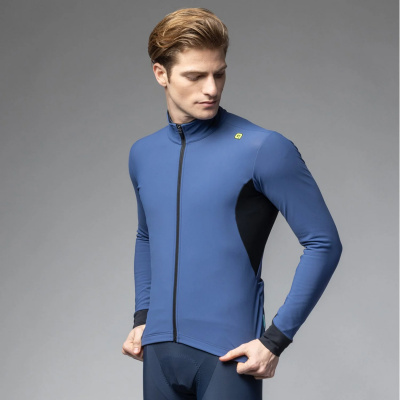
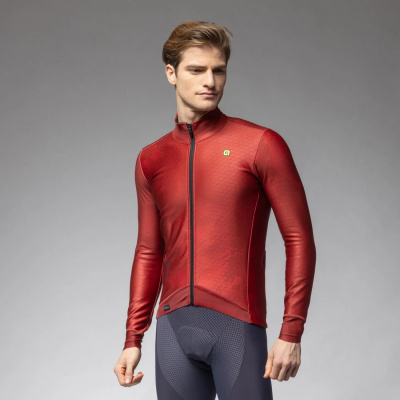
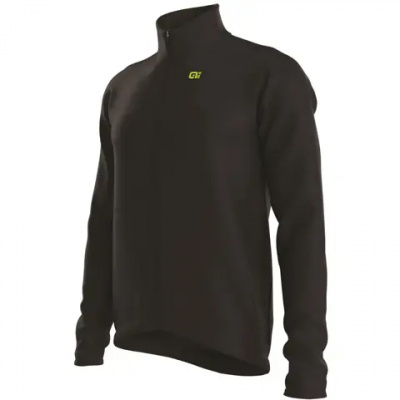
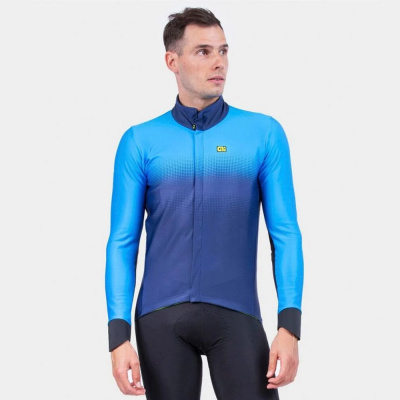
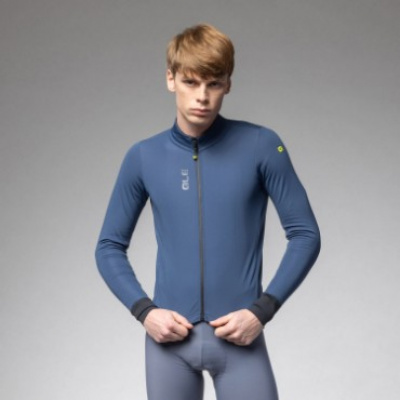
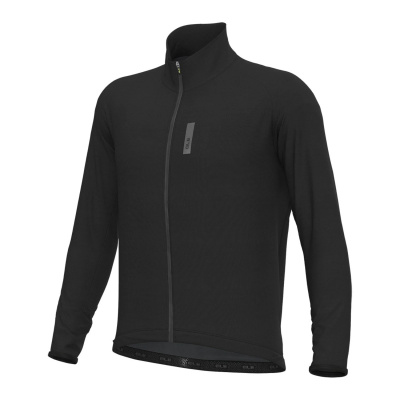
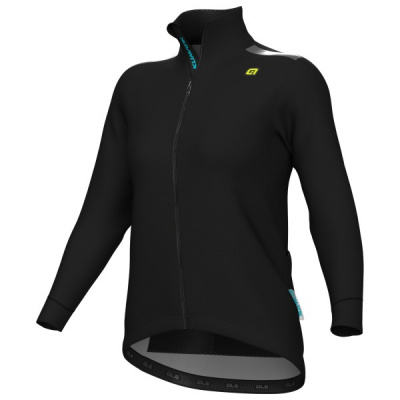
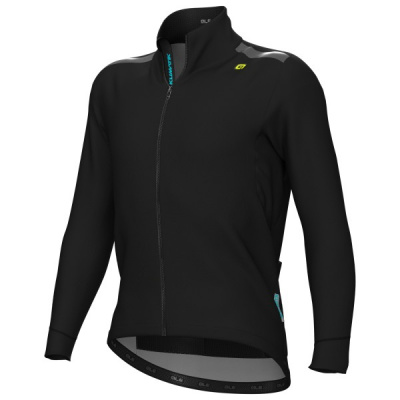
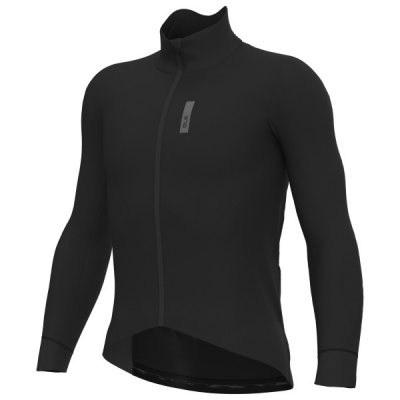
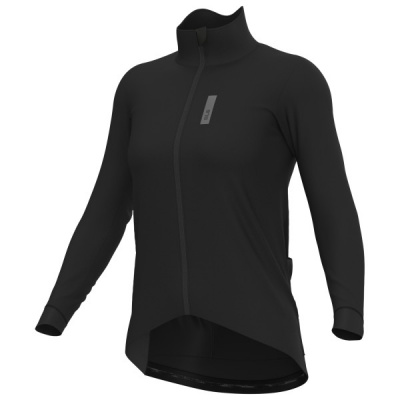
Alé cycling jackets are designed in Italy, but you'd think they had the British weather in mind from the start. Freezing January headwinds on the North Downs, a sudden soaking somewhere in the Dales, that clammy humidity creeping up on a long climb - Alé has built a jacket for each of those moments. Their range runs from featherlight DWR-treated shells that stuff into a jersey pocket to seriously robust Klimatik pieces loaded with Windtex membrane technology for days when turning back genuinely crosses your mind. What sets them apart from a shelf full of Italian kit is the engineering beneath the surface. Body Mapping technology places insulation and breathability exactly where your body demands them - warm panels across the chest and back where cold air hits hardest, more open-weave construction under the arms and across the shoulders where heat builds fastest. Then there's the Polartec Alpha insulation option for mid-winter builds: active, lightweight, and far more breathable than traditional wadding. The fit options span pro-level aero through to a more forgiving club cut, so whether you're pinning a number or just doing your Sunday miles, there's something here. Browse the full Alé jacket range below.
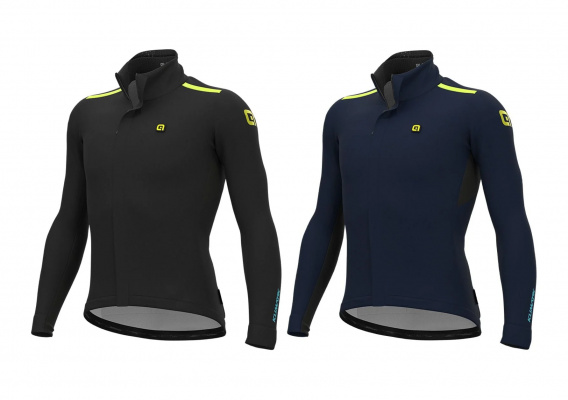
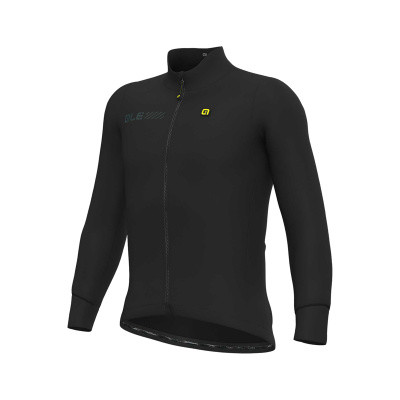
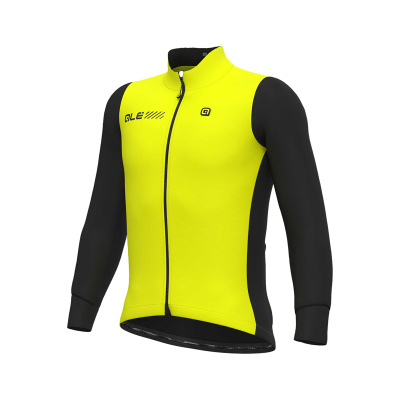
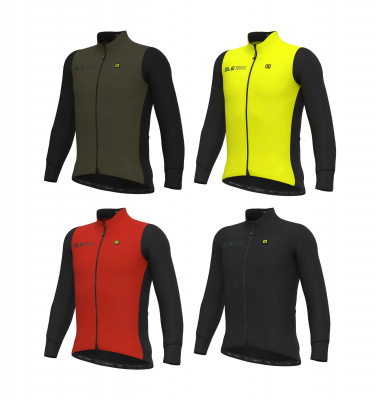
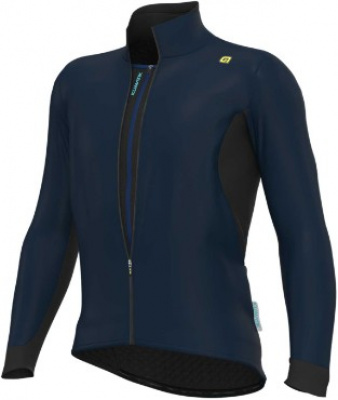
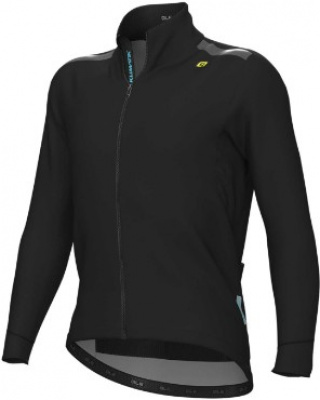
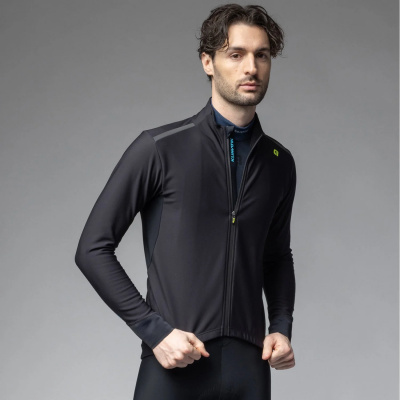
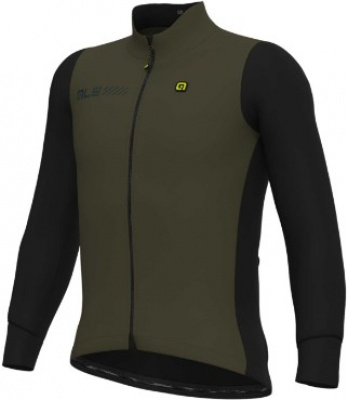
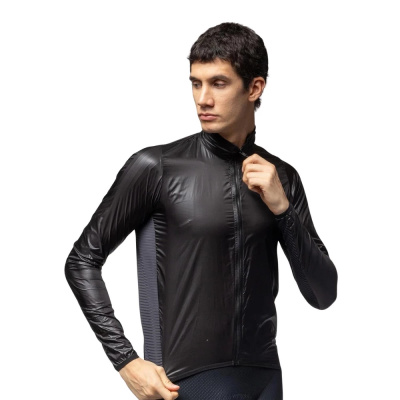
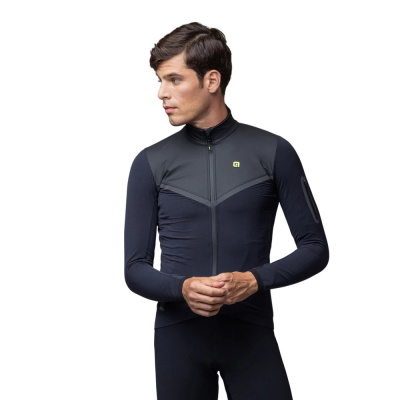
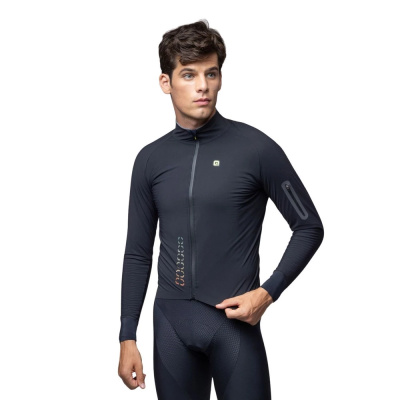
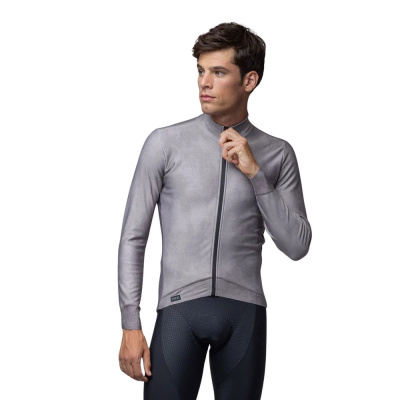
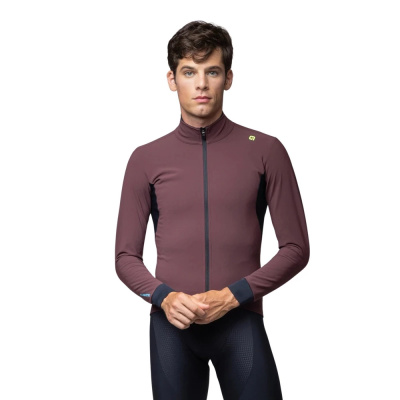
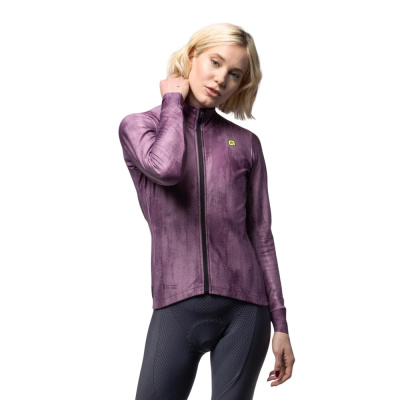
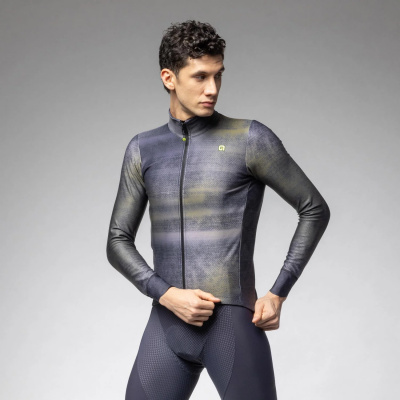
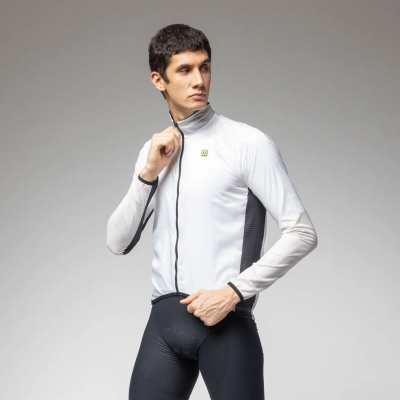
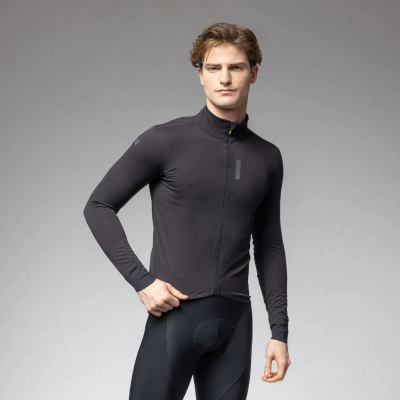
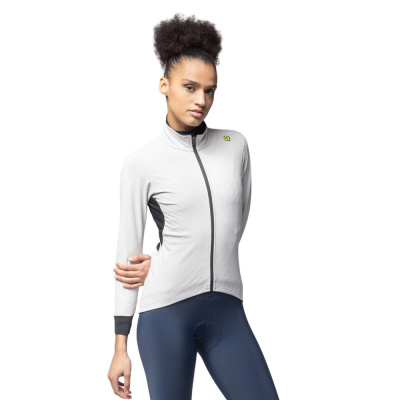
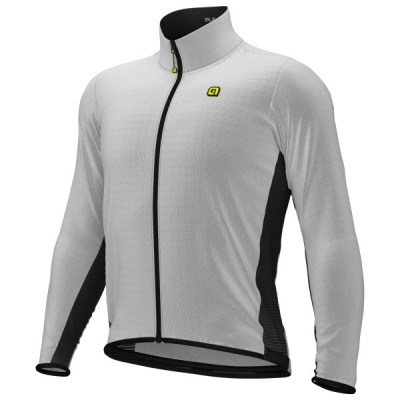
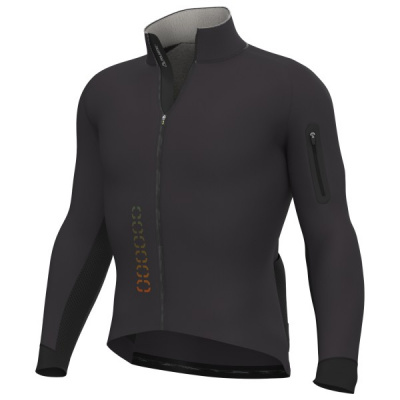
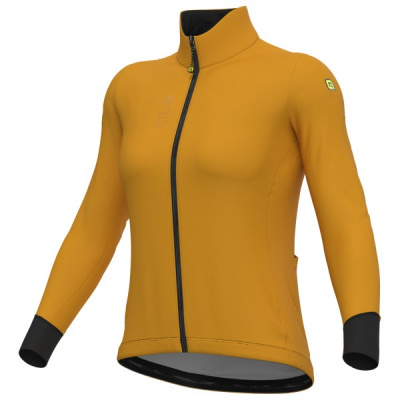
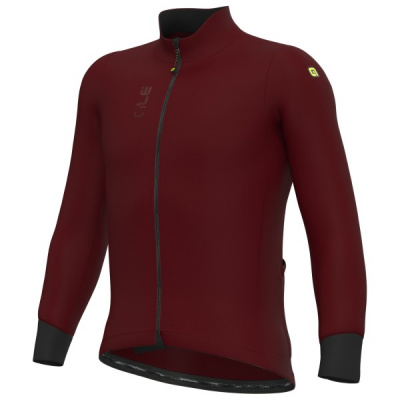
Prices and availability can change quickly. Delivery charges are not always included in listed prices.
Final price, stock status and delivery terms are set by retailer. We may receive a commission on purchases made.
How Alé's Fabric Tech Handles What UK Roads Throw At You
The Windtex membrane is the backbone of Alé's cold-weather jacket range. It works as a tight wind barrier - the kind that matters when you're descending into a headwind at 40mph and your chest feels like it's in a freezer - while still allowing enough vapour transfer to stop you cooking on the climb back up. It's not a heavy laminated material; it sits closer to a firm, bonded fabric that moves with you rather than fighting against you.
DWR coating handles the everyday British drizzle and road spray that would otherwise soak through a purely windproof shell. Worth knowing: DWR isn't waterproofing in the full-on waterproof jacket sense. It's a surface treatment that makes water bead and roll off rather than soak in. After a season of hard use and washing, that beading effect diminishes, but it's straightforward to restore - more on that below.
For serious winter riding, Alé's use of Polartec Alpha insulation is worth paying attention to. Unlike traditional thermal fleece wadding that traps moisture once you start working hard, Polartec Alpha is an open-structured material. Air and moisture move through it while it still keeps warmth in. On a long ride with a mix of efforts and long descents - the kind of day out in the Peak District or over the Brecon Beacons - that difference in feel is real. You're not peeling off a damp, heavy layer when you stop.
Body Mapping is what separates Alé's better jackets from a simpler single-fabric construction. Rather than the same material from collar to cuff, different zones use different fabrics matched to what your body needs in that specific area. The front panels prioritise wind and cold protection; the side and underarm panels open up for ventilation. On a humid spring morning when the temperature is cold enough to need a jacket but your effort level is high, that body-mapped construction stops you oscillating between too hot and too cold every ten minutes.
If you're weighing Alé against other Italian and European performance brands, it's worth comparing them directly with options from Castelli jackets, Assos jackets, and Endura jackets - each takes a slightly different line on the breathability-versus-protection trade-off.
Fit, Range, and Finding the Right Alé Jacket
Alé organises its range around clear fit tiers, and understanding them saves you a frustrating return. PR-S is the top of the tree - a proper race fit, cut close to the body, minimal excess fabric, designed for aerodynamic efficiency at pace. If you're used to wearing kit that stays put at 90rpm rather than flapping about, PR-S is the cut for you. PR-R sits just below: still a dedicated performance fit intended for regular racers and fast club riders, but with fractionally more room across the shoulders and torso. It's a more liveable fit for longer days without sacrificing the sense that the jacket is working with you rather than just on you.
The Solid range offers a slightly more relaxed club fit. Still performance-oriented - this isn't a leisure jacket - but there's enough room to layer a proper mid-layer underneath without the jacket pulling across the back every time you reach for the bars. For UK winter riding where a decent base layer is non-negotiable, Solid-fit jackets are often the more practical choice.
A note on sizing across all Alé products: the fit is traditionally Italian, which means it runs small and close to the body relative to UK sizing expectations. If you're between sizes, or you plan to build up your layering underneath as the temperature drops, size up. A jacket that fits neatly over a summer base layer in September may feel restrictive over a heavyweight thermal mid-layer in January. Check the size guide carefully and, when in doubt, go larger - you can always manage fit with what you wear underneath.
Looking for core protection without the bulk of full sleeves? Explore our dedicated range of Alé Gilets for packable, versatile layering.
Building a Winter Kit System and Keeping It Working
A Klimatik jacket works hardest when the rest of your kit is doing its job too. Pair it with a quality Alé base layer that actively moves moisture away from the skin - if your base layer is saturated, no jacket will keep you comfortable. The base layer does the wicking, the jacket handles the external conditions. Don't ask one garment to do both jobs alone.
On genuinely cold days - the kind of February morning in the Scottish Borders where the puddles are still iced over at 10am - add a lightweight thermal mid-layer between base and jacket. The Klimatik's cut allows for this without turning into a sail. Round it out with Alé gloves and Alé tights to keep the system consistent. Mixing kit from wildly different thermal ratings across different brands often leaves you with a warm core and freezing extremities - or the reverse.
Caring for the jacket properly keeps it performing across multiple seasons rather than fading after a winter. Wash at 30°C using a specialist tech-wash - regular detergent leaves residue in the membrane structure that gradually kills breathability. Fabric softener is worse: it coats the fibres and blocks the DWR treatment almost immediately. Air dry rather than tumble dry; heat degrades both the membrane and the DWR coating faster than anything else you can do to it.
Once the DWR stops beading water properly - you'll notice it when water starts to wet out across the surface rather than rolling off - re-proof the jacket with a DWR spray or wash-in re-proofer. One treatment usually brings it back close to original performance. Done regularly, this is what keeps a quality Alé jacket functioning well for three or four seasons rather than one.
Ale Jackets FAQs
Are Ale cycling jackets true to size?
Alé jackets follow a traditional Italian cut - close to the body and generally running small against UK sizing expectations. If you're planning to layer up underneath for winter riding, or you're between sizes, go up a size. A jacket that fits well over a base layer in autumn can feel tight once you add a thermal mid-layer in January.
Which Ale jacket is best for winter riding?
The Klimatik range - particularly jackets built around the Windtex membrane - is Alé's strongest option for deep winter. They block biting winds effectively, the DWR treatment handles road spray and drizzle, and the better models use body-mapped construction to balance insulation and breathability on mixed-effort days.
How do I wash my Ale waterproof cycling jacket?
Wash at 30°C with a specialist tech-wash and avoid fabric softener entirely - it blocks the breathable membrane and kills the DWR treatment. Air dry rather than tumble dry. When water stops beading on the surface after washing, apply a DWR re-proofer spray or wash-in treatment to restore the jacket's water-repellent performance.