
Ale Gloves
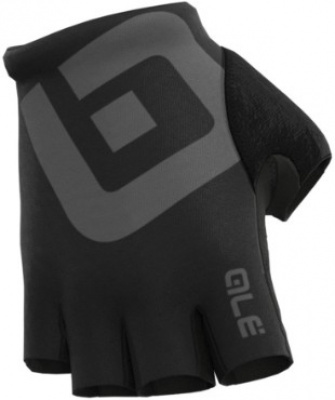
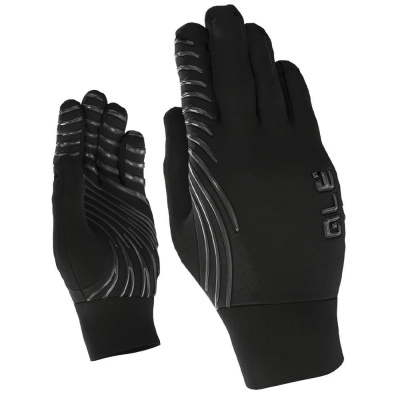
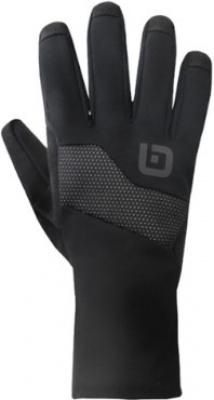
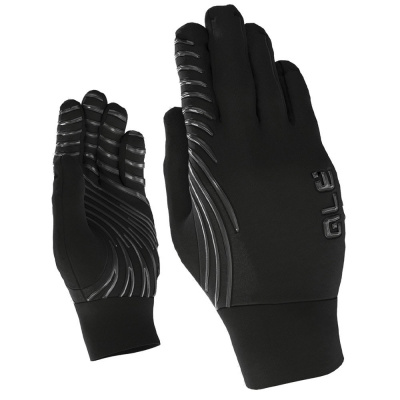
Alé cycling gloves sit at that satisfying crossroads of Italian racewear craft and genuine all-weather function - built to keep your hands comfortable, connected to the bars, and out of trouble whether you're grinding through a damp February morning or hammering a dry August sportive. The range spans from featherlight summer mitts with open-mesh backs that shed heat on long climbs, right through to serious thermal gloves with Windtex membranes that block a biting headwind without turning your hands into a sauna. What ties the range together is the attention to palm construction. Alé uses targeted gel palm inserts for ulnar nerve protection - the kind of detail that matters after two hours on rough chip-seal roads where the buzz never quite stops. Touchscreen-compatible fingertips mean you're not stripping a glove off to check your GPS in a layby. The fit leans race-cut and close, which keeps fabric off the hoods and your grip clean on the brakes. If you're weighing up options across the range, the key question is how exposed your riding actually gets - and Alé has a credible answer at every temperature.
Prices and availability can change quickly. Delivery charges are not always included in listed prices.
Final price, stock status and delivery terms are set by retailer. We may receive a commission on purchases made.
Fabric Tech and How It Holds Up in Real UK Conditions
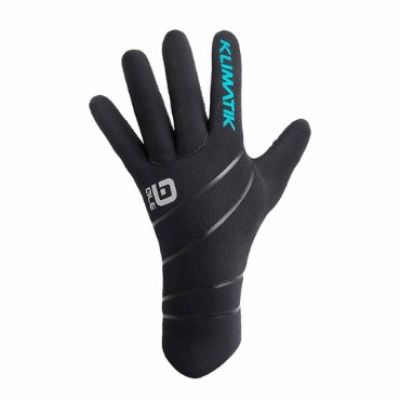
Alé's weather-resistant gloves lean heavily on two fabric systems you'll see referenced across the range. The Klimatik (also labelled K-Atmo) fabric uses a DWR coating to shed light rain and drizzle before it soaks through - useful when you're out on the Surrey lanes and the sky can't decide what it wants to do. It's not a full waterproof membrane, so in a sustained downpour you'll feel the damp eventually, but for typical UK drizzle it does its job and dries quickly. The second system is the Windtex membrane, which sits inside the more heavily insulated winter models. Windtex blocks cold air penetration effectively without the clammy, sweaty feeling you get from cheaper laminated fabrics. On a freezing Peak District descent, that matters - you want warmth, not wet hands from the inside out.
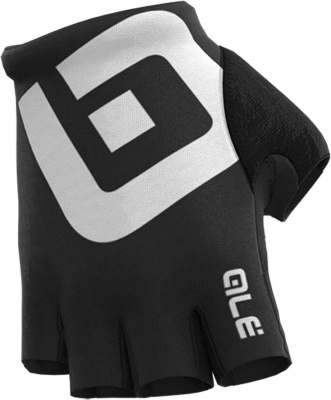
Summer mitts take a different approach entirely. The backs are typically constructed from lightweight open-mesh panels that vent aggressively during high-intensity efforts, pulling heat and moisture away from your hands. There's no padding wasted on the back of the hand - just a clean, minimal structure that keeps weight down and feel dialled. If you're comparing against something like Castelli gloves or GripGrab gloves, Alé sits in similar technical territory but with a noticeably sharper aesthetic and a fit that favours road riders over commuters.
Neoprene cuffs appear on the more serious wet-weather models. They compress slightly against your wrist, creating a seal that slows water ingress from road spray and rain running down your jacket sleeves. Not waterproof, but meaningfully better than a plain fabric cuff when the roads are filthy.
Fit Profile and What to Expect from the Palm Construction
Alé gloves are cut to an Italian race pattern. That means snug, close to the hand, with minimal excess fabric anywhere near the palm or between the fingers. On the hoods of drop bars, this translates to a clean interface - no bunching, no ridges. If you're used to the roomier cut of something like Endura gloves, the Alé fit can feel firm at first, particularly across the knuckles. It beds in with use, but it's worth knowing before you buy.
Sizing runs slightly small by UK standards. If you're between sizes, go up. For winter gloves where you might want a little air circulation or plan to layer under a cuff, sizing up is the sensible move anyway - a glove that's too tight in cold weather restricts blood flow and defeats the purpose of the thermal lining.
The palm construction is where Alé earns its reputation on rough roads. The gel palm padding is placed specifically to protect the ulnar nerve - the nerve that runs along the outer edge of your palm and takes the most punishment from road vibration on longer rides. This isn't a thick, spongy insert that softens everything; it's targeted and relatively thin, so shock absorption is there without blunting your feel for the bars and brake levers. That balance is harder to get right than it sounds, and it's one reason riders who've had numbness issues on chip-seal or cobbled sections tend to rate Alé's palm work.
Longer fingers on some models also improve coverage without the clumsiness you sometimes get from overly generous sizing. Check the specific model descriptions for finger length notes if that's a concern for you.
Fitting Alé Gloves Into a UK Riding Wardrobe
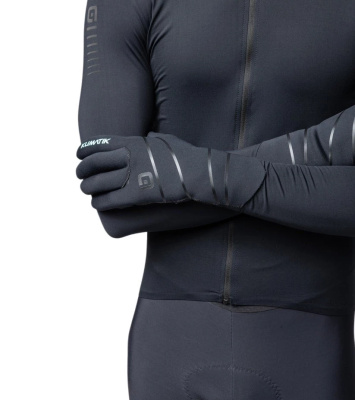
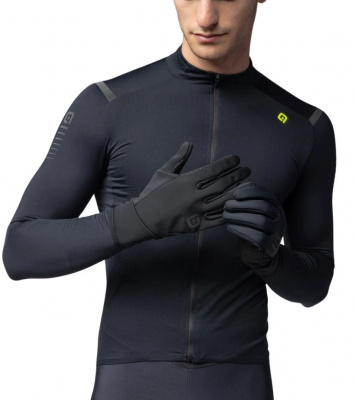
Getting the layering right is straightforward once you know the trick. When you're wearing Alé winter gloves with an Alé jacket, make sure the glove cuff goes underneath the jacket sleeve - not over it. Rain runs down your arm and straight into the glove if you get that backwards. It sounds obvious until you're standing in a car park at 6am in the dark pulling kit on. Worth checking before you set off.
For transitional weather - spring and autumn riding where temperatures swing wildly - the lighter Klimatik gloves pair well with Alé arm warmers. You get coverage when you need it and can shed layers when the road tips uphill. A thermal base layer underneath completes that system on genuinely cold days without you having to reach for the heavy winter gloves until conditions really demand it.
On care: wash at 30°C on a gentle cycle, using a mild technical detergent. No fabric softener - it strips the DWR coating and kills breathability in the Klimatik fabric faster than anything else. Air dry them away from direct heat. Hanging them on a radiator degrades the gel palm inserts and can crack neoprene cuffs over time. Turn them inside out to dry if they're heavily soiled - the synthetic palm material dries more evenly that way.
If you're looking at alternatives across the market, Assos gloves cover similar technical ground at comparable price points, though the fit philosophy differs. Assos trends wider in the palm; Alé stays closer to a race cut. Which works for you depends on hand shape as much as anything else.
Ale Gloves FAQs
Are Ale cycling gloves true to size?
Alé gloves run slightly small by UK standards - it's an Italian race-cut thing. If you're on the boundary between sizes or you want a little extra room in winter models for circulation, size up. A glove that's too tight in cold conditions will make your hands colder, not warmer.
Which Ale gloves are best for winter riding?
Go for models featuring a Windtex membrane or anything from the Klimatik range with a thermal fleece lining. These block wind effectively and retain heat on cold, damp mornings without making your hands sweat out on the climbs. Check for neoprene cuffs if wet roads are a regular feature of your riding.
How do I wash my Ale cycling gloves?
30°C, gentle cycle, mild technical detergent - and absolutely no fabric softener. Softener strips the DWR coating and ruins breathability, often permanently. Air dry them away from direct heat; radiators degrade the gel padding and can crack neoprene cuffs over repeated drying cycles.