
Ale Base Layers
Alé base layers sit at the sharp end of what Italian cycling apparel does best - technical fabrics cut close to the body, engineered to keep your core temperature in check whether you're grinding up a rain-soaked Welsh climb or halfway through a baking July sportive. Get this layer wrong and nothing else in your kit bag quite compensates for it.
What sets Alé apart is the specificity of the fabrics. Dryarn - one of the lightest synthetic fibres in cycling - handles moisture so aggressively that sweat barely registers on your skin before it's gone. Pair that with body-mapping technology that places open-mesh panels exactly where your body runs hottest, and you've got a base layer that actively manages your microclimate rather than just sitting there. At the colder end, Polypropylene and Merino wool blends trap warmth without letting sweat pool under your winter shell - the thing that turns a hard club run into a miserable one.
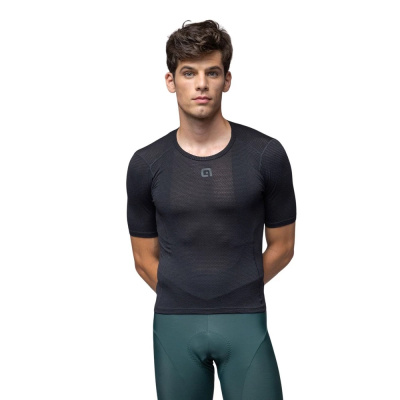
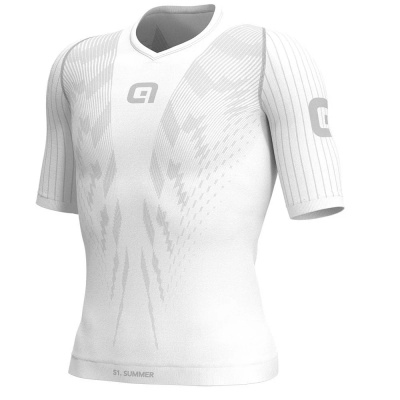
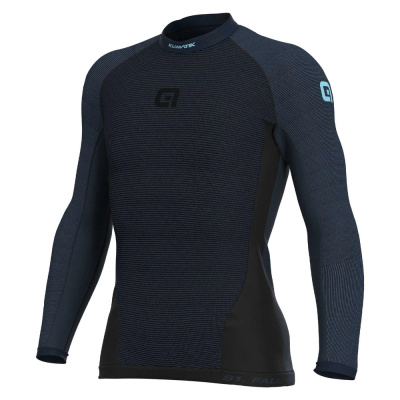
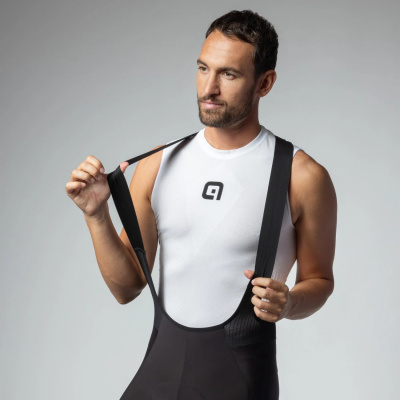
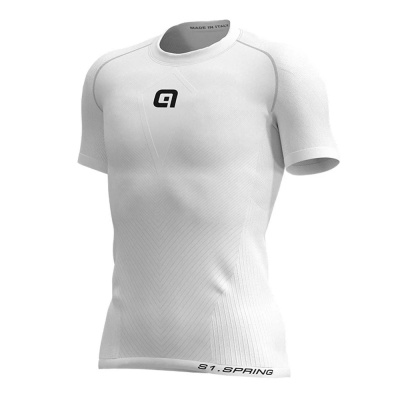
The range runs from featherweight sleeveless options for high summer through to long-sleeve thermal versions built for January. Seamless construction throughout means no pressure points, no chafing on long efforts. If you're building a layering system that works across the UK's thoroughly unpredictable riding calendar, this is where to start.
Prices and availability can change quickly. Delivery charges are not always included in listed prices.
Final price, stock status and delivery terms are set by retailer. We may receive a commission on purchases made.
Fabric Tech and What It Means at Full Gas
The core of any Alé base layer is the fabric choice, and it's worth understanding what's actually going on against your skin. Dryarn is the headline material in Alé's lighter options - it's a polypropylene-derived microfibre with a hydrophobic structure, meaning water molecules don't bond to it. Sweat gets pushed outward to the jersey sitting on top, leaving your skin dry even when you're deep in the red on a humid August climb in the Peak District. It's genuinely fast-acting moisture management rather than the vague wicking claims you see on cheaper kit.
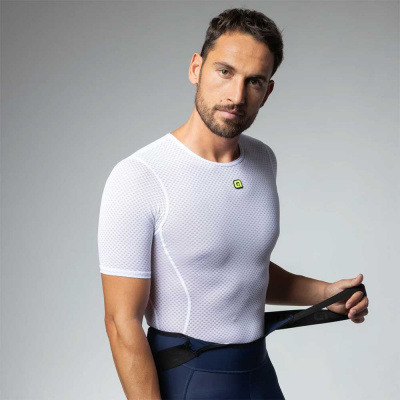
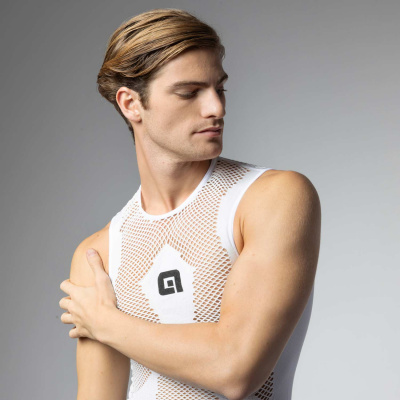
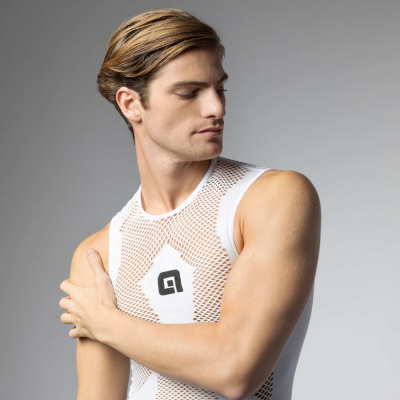
The open-mesh constructions used in summer-weight options take this further. By creating tiny air pockets between your skin and the outer jersey, they generate a cooling microclimate that flat-knit fabrics simply can't replicate. On a long, steep effort where your core temperature is climbing fast, that difference is tangible. Body-mapping technology places these ventilation zones with precision - typically across the chest and underarms - rather than applying a blanket mesh across the whole garment.
Winter options shift the priority toward thermal insulation without sacrificing moisture management. Polypropylene is particularly effective here: it has almost zero water absorption, so even when you're sweating heavily under a waterproof jacket on a wet February ride, the moisture travels outward rather than sitting cold against your chest. Merino wool blends add natural temperature buffering and a softer hand feel, which makes them well suited to longer, steadier efforts where you're not generating quite as much heat. Merino also resists odour better than synthetics - useful if you're running back-to-back riding days without laundry access. Compared to similar approaches from brands like Craft base layers, Alé leans toward a closer, more compressive fit at equivalent weights.
The Range Breakdown: Which Cut Suits Your Riding
Alé structures the base layer range around three clear silhouettes, and choosing the right one is fairly straightforward once you know what conditions you're dressing for.
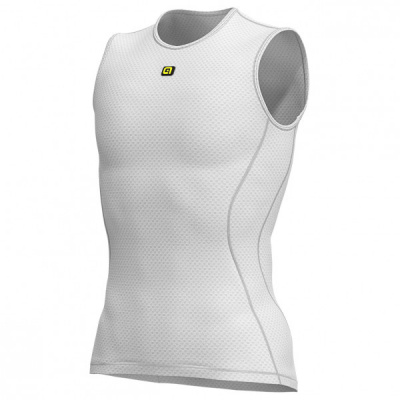
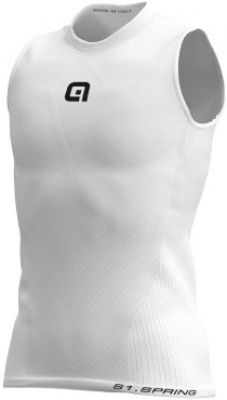
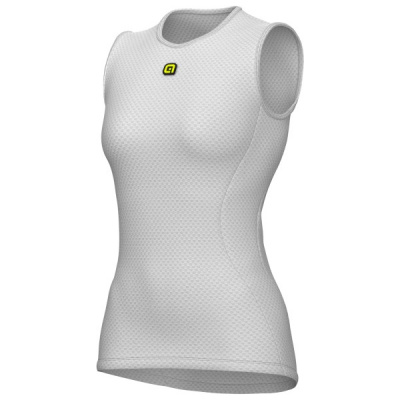
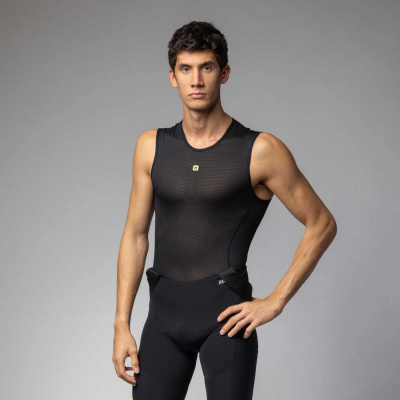
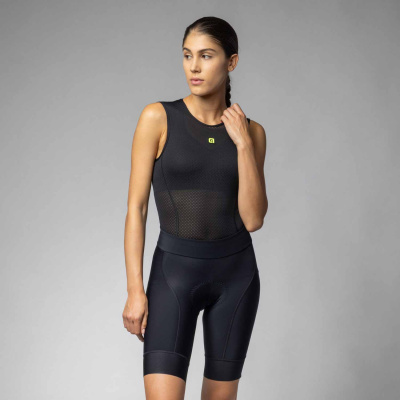
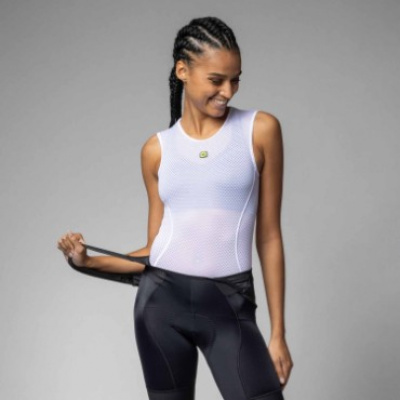
Sleeveless options are the go-to for genuine summer riding - think sportives in June and July, or training rides where temperatures are consistently above 18°C. The absence of sleeves removes a layer from the warmest parts of your arms, and with a lightweight mesh fabric doing the work on your torso, it's as close to wearing nothing as a technical base layer gets. If you run warm, these work well into autumn too.
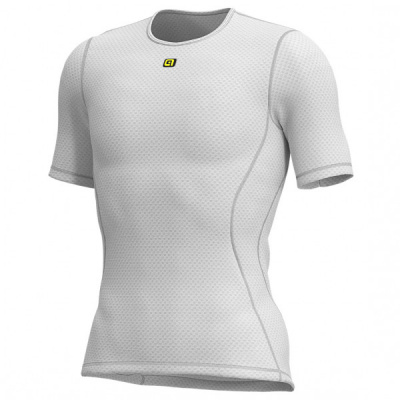
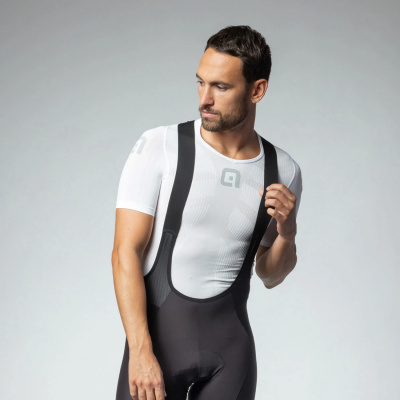
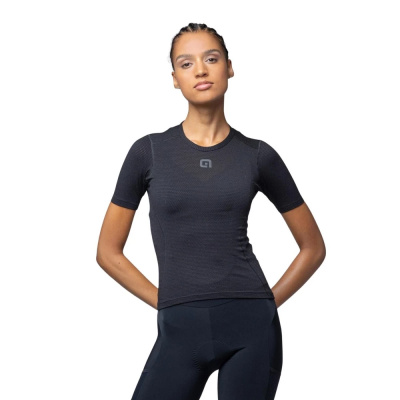
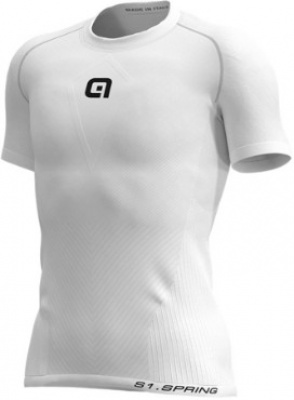
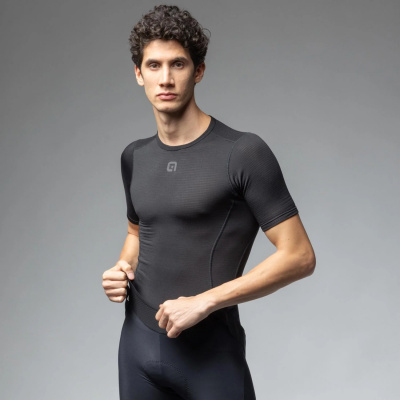
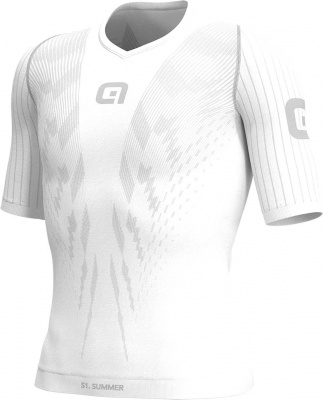
Short-sleeve versions offer the most versatile position in the range. They cover your arms on the cool early-morning start without committing you to full-length sleeves when the ride heats up, making them the sensible choice for spring and autumn riding - or honestly, most of a British summer. Pair them with Alé arm warmers and you've got a modular system that covers a wide temperature window without overcooling mid-effort.
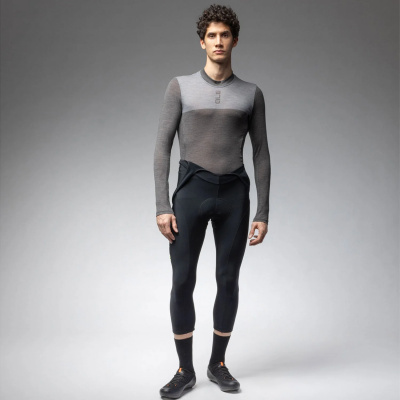
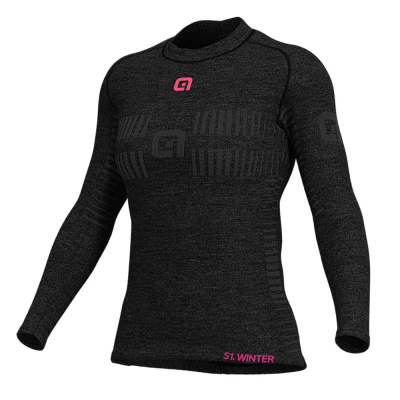
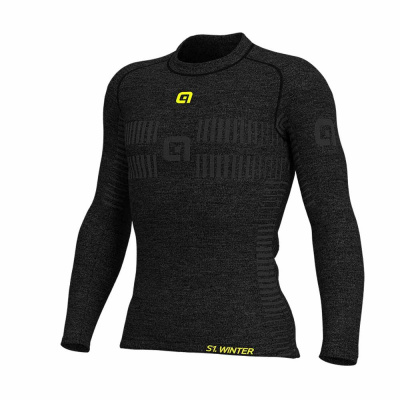
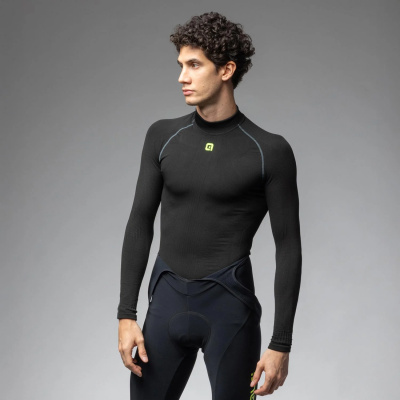
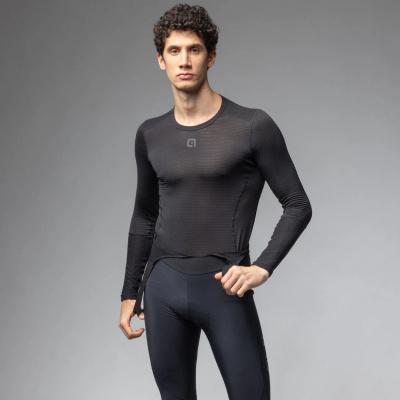
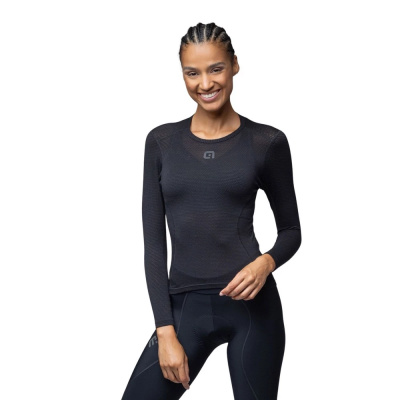
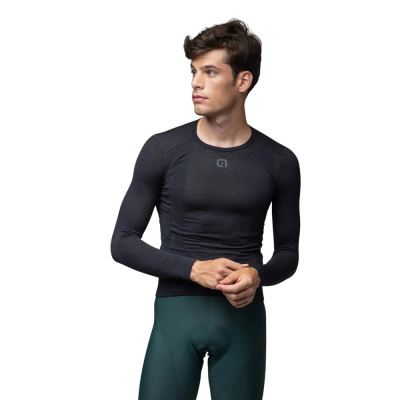
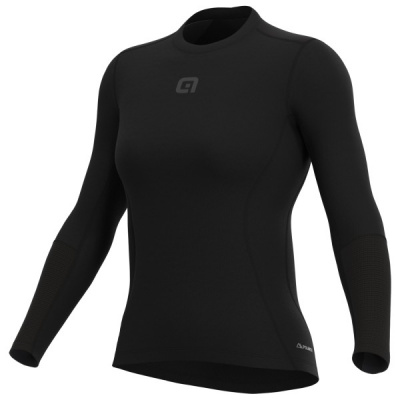
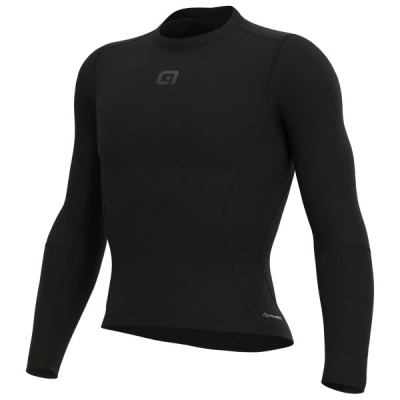
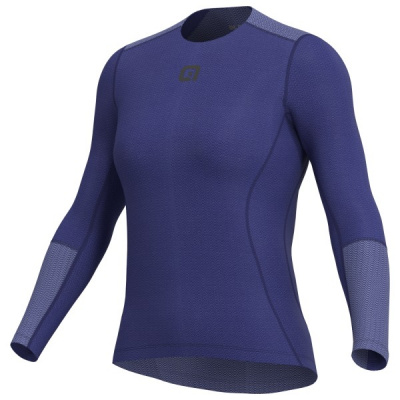
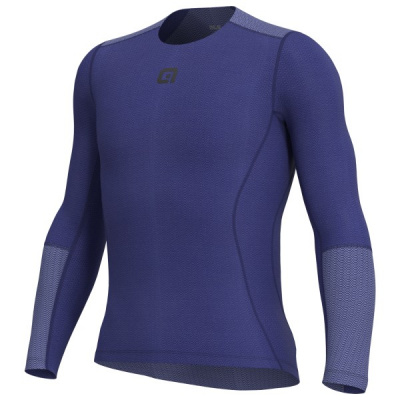
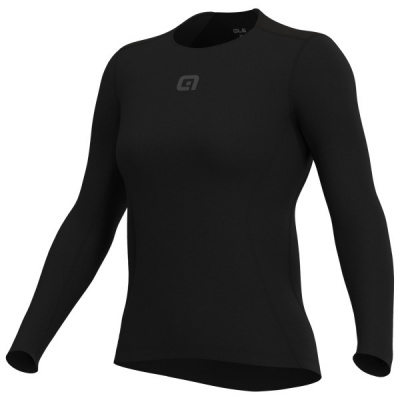
Long-sleeve thermal base layers are built for deep winter. These are the ones you reach for when it's genuinely cold - sub-5°C club runs, early morning commutes in November, or anything involving prolonged exposure to wet and wind. The heavier fabrics here provide meaningful thermal retention while the seamless construction keeps them comfortable under a snug-fitting Alé jacket for hours at a stretch.
One thing worth flagging: Alé sizing tends to run on the smaller side compared to UK and US cycling brands. If you're between sizes, the general advice is to go up - a second-skin fit is ideal, but restricted breathing defeats the purpose entirely. The fit should feel snug and wrinkle-free across the torso, with no bunching when you adopt a riding position. That close contact is what allows the technical fabrics to do their job; a loose base layer just traps sweat rather than moving it.
If you're comparing across Italian brands, Castelli base layers and Santini base layers occupy a similar technical space, with slight differences in fabric feel and fit profile worth exploring if you're undecided.
Layering It Into a UK Riding Wardrobe
A base layer only works as well as the system it sits within. In summer, the combination of a lightweight Alé mesh base with one of the Alé jerseys - particularly the more open-weave fabrics - creates a layering stack that moves moisture outward consistently. The key is keeping both layers close-fitting; a baggy jersey over a technical base layer breaks the wicking chain and you lose most of the benefit.
For winter, the base layer is your first line of defence, not your only one. A thermal long-sleeve base under an Alé gilet works well for dry, cold days where you want core protection without full sleeve coverage above the base. When it's properly grim - rain, sub-zero, or both - add a waterproof jacket on top and trust the base layer to manage the sweat that builds up underneath. This is where Dryarn and Polypropylene earn their keep; synthetic fabrics handle sustained moisture load under a sealed outer layer far better than cotton or cheaper polyester blends, which saturate and cool rapidly.
Wash care is straightforward but worth doing properly. Machine wash at 30°C, turn the garment inside out, and skip the fabric softener entirely - softener coats the fibres and progressively kills the moisture-wicking performance. Air drying rather than tumble drying preserves the fabric structure over time. Treat the wash routine right and a quality base layer lasts several seasons without meaningful performance drop-off.
Ale Base Layers FAQs
Should an Alé cycling base layer be tight?
Yes - snug, not suffocating. The fit needs to be close enough that the fabric stays in direct contact with your skin, which is what allows it to actively pull sweat away from your body. Wrinkles or loose sections break that contact and reduce wicking efficiency. If you're between sizes in Alé's Italian sizing, go up.
Do you wear a base layer under a cycling jersey in summer?
Worth it, yes - especially if you're pushing hard or riding in humid conditions. A lightweight open-mesh base layer pulls sweat off your skin and feeds it into your jersey faster than a jersey alone manages. The result is that you stay drier and cooler rather than sitting in a damp layer mid-ride. Sleeveless options keep the weight minimal.
Which Alé base layer is best for UK winters?
Go for a long-sleeve option built around Polypropylene or a Merino wool blend. Polypropylene absorbs virtually no water, so sweat keeps moving outward even when you're working hard under a waterproof jacket. Merino blends add warmth and odour resistance for longer, steadier winter efforts. Either way, the fit still needs to be close.