
Ale Gilets
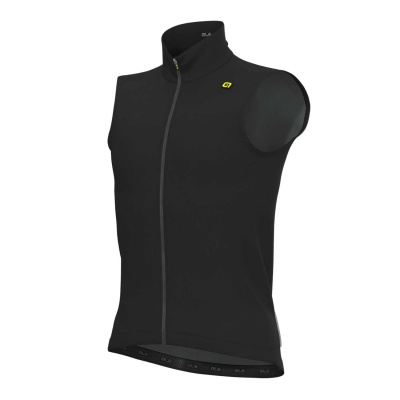
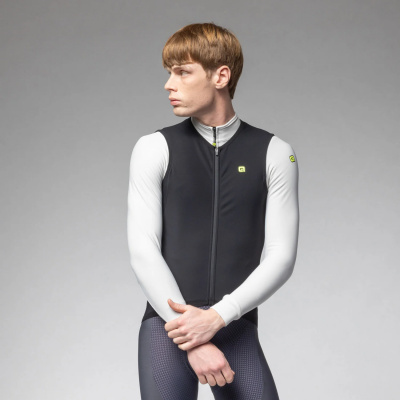
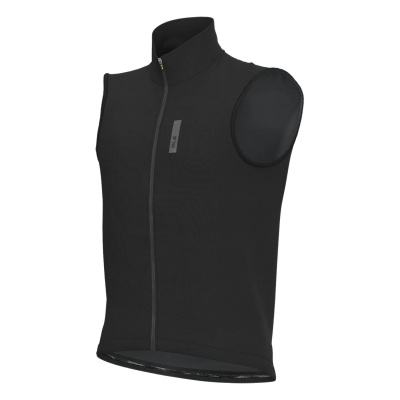
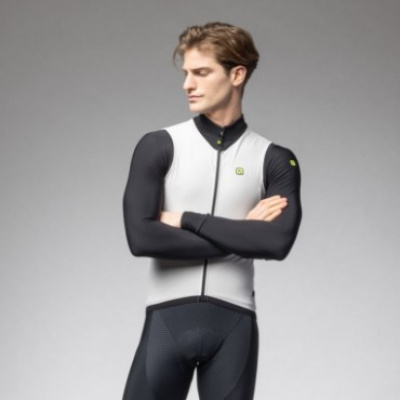
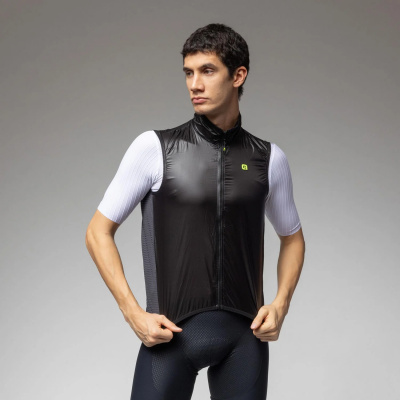
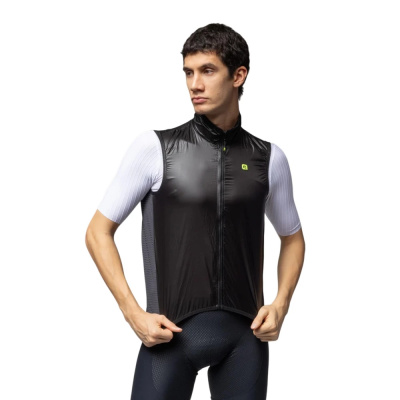
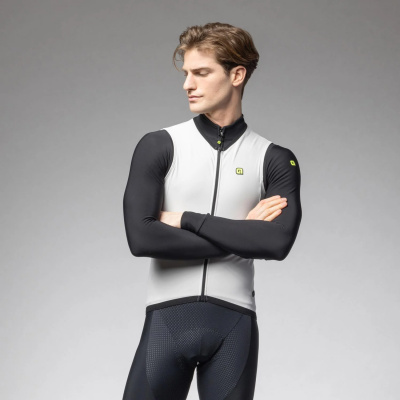
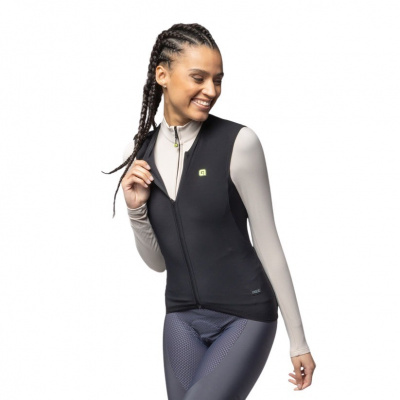
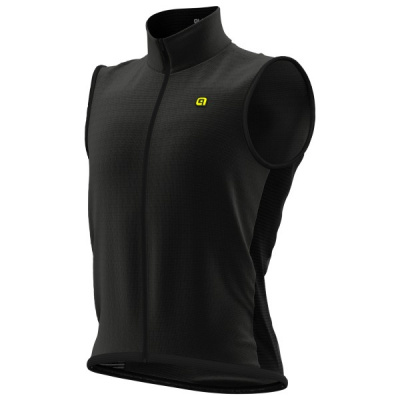
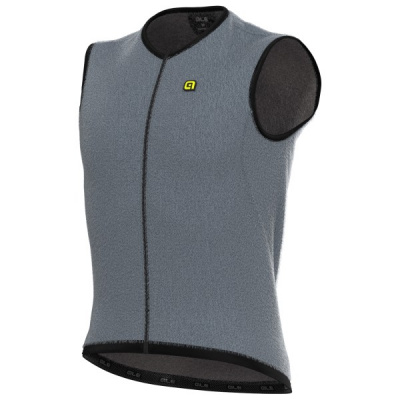
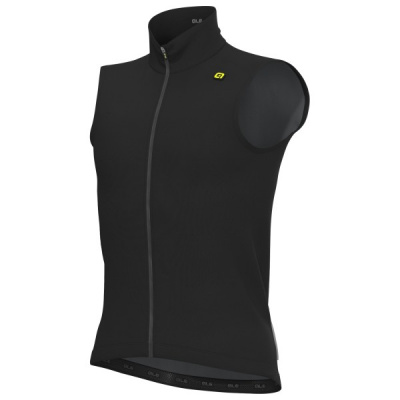
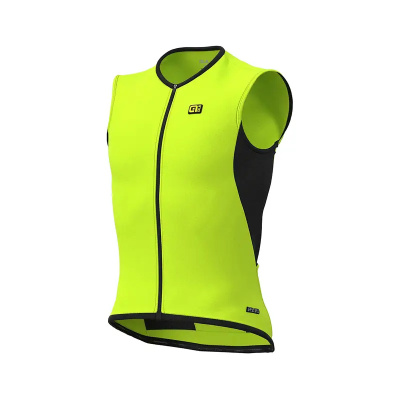
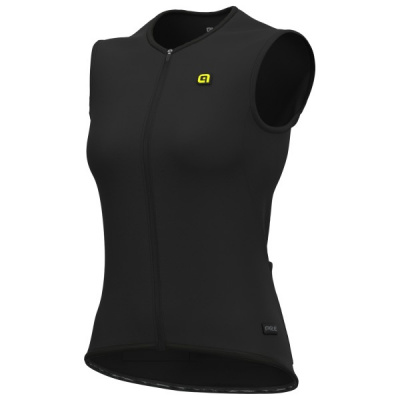
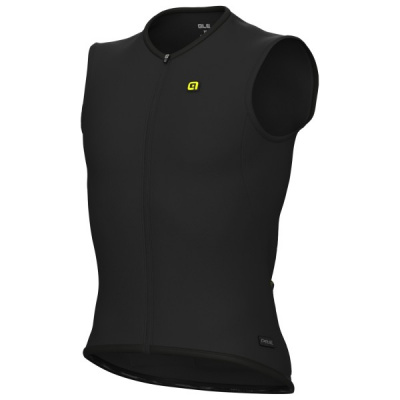
Alé gilets have earned their place in UK riders' back pockets for good reason - core protection that doesn't compromise when the wind picks up on a long descent or the road spray starts flying. These are Italian-made cycling vests built around a clear philosophy: keep your chest warm, let your back breathe, and don't add bulk you'll resent on the climbs.
The range splits broadly between featherweight windproof options you can scrunch into a jersey pocket before the café stop, and DWR-treated thermal vests from the Klimatik line that handle damp autumn miles without turning you into a mobile sauna. Wind Tex frontal panels do the heavy lifting against icy headwinds, while breathable mesh rear panels dump heat during hard efforts - so you're not choosing between freezing and overheating.
Alé's Italian cut runs close and purposeful. That matters if you're buying blind, so read the sizing section below before you click. The colour work is bold and the detailing is sharp - reflective hits where you need them, double-slider zips so you can reach your jersey pockets without a contortion act. Whether you're heading out for a chilly Peak District morning loop or need something stashed for a Highland descent, there's an Alé gilet built around that exact problem.
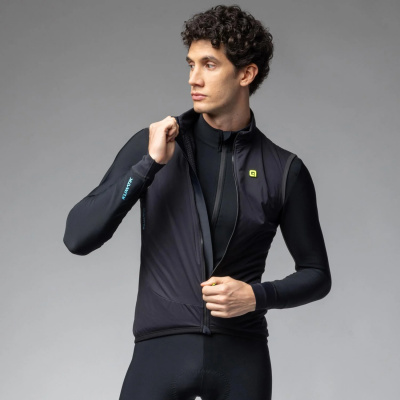
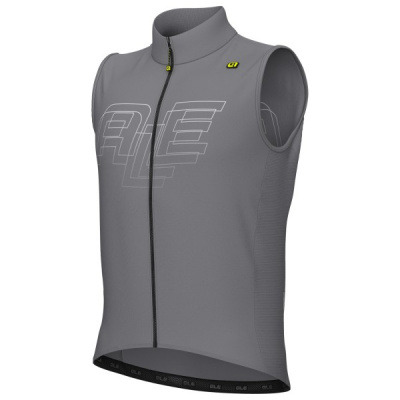
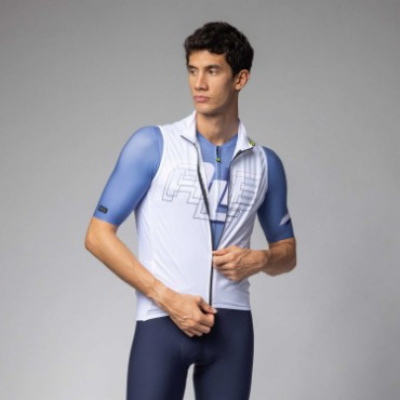
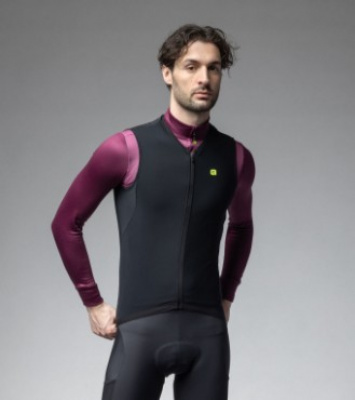
Prices and availability can change quickly. Delivery charges are not always included in listed prices.
Final price, stock status and delivery terms are set by retailer. We may receive a commission on purchases made.
Fabric Tech & Weather Performance
The front panel is where Alé does its most important work. Wind Tex fabric - a tightly woven, wind-blocking laminate - shuts out the kind of cold headwind that drains your core temperature before you've even hit the first climb. It's not just a marketing name; the material has a measurable effect on how warm you feel at 30 mph into a north-easterly, particularly on exposed routes like the Strathpuffer area or the A-roads flanking the Peak District plateau.
On the Klimatik range, Alé adds a DWR (Durable Water Repellent) coating to that frontal fabric. It's worth being clear about what that means in practice: road spray, light drizzle, and the kind of persistent British mizzle that can't decide if it's raining - all handled. A sustained downpour is a different conversation, and you'd want a proper rain jacket for that. The Klimatik gilet is water-resistant, not waterproof, and that trade-off is intentional. Full waterproofing would kill the breathability, and breathability matters.
The mesh back panel is the other half of the equation. During a punchy climb, your back generates heat fast, and a solid rear panel would trap it. The open mesh construction acts like a vent, wicking moisture away and letting excess warmth escape so you don't arrive at the top already drenched. It's a simple idea executed well, and it's what separates a gilet you'll actually reach for from one that stays in the drawer. Reflective detailing is integrated cleanly into the design - present enough to be useful in low autumn light, not so loud it dominates the colourway.
Understanding the Alé Fit & Range
Alé structures its range around a tiered system, and knowing which tier you're buying into saves confusion. The PR-S (Pro Racing System) is the aggressive end - a close, aerodynamic race fit designed for riders in a deep, committed position. Think criterium racing or fast sportives where you want the gilet acting like a second skin, not catching air. It's precise and purposeful, but it demands that you nail the sizing.
The PR-R sits a notch below in aggression. Still performance-oriented, still fitted, but with slightly more ergonomic shaping that works better if you spend long hours in the saddle rather than hammering short, sharp efforts. More practical for most UK club riders. The Klimatik line prioritises foul-weather functionality - a touch more coverage, a slightly less extreme cut, built for the days when staying comfortable matters more than marginal aerodynamics.
Now, Italian sizing. This is the conversation you need to have with yourself before ordering. Alé garments run small - noticeably so compared to British or American sizing conventions. The PR-S in particular is cut with a compressive, body-hugging intent that can catch riders out. Size up at least once from your usual fit; many riders with a UK large find themselves in an XL or even XXL in Alé's own scale. If you're between sizes, go up. A gilet that's slightly generous is manageable; one that restricts your breathing on a climb is not. Check Alé's own size chart against your chest and torso measurements rather than relying on your usual label. This applies across Alé jerseys and Alé base layers too - the pattern is consistent across the brand.
If you're used to the more generous cut of Endura gilets or the anatomically relaxed fit of Assos gilets, Alé will feel like a step up in snugness. That's not a flaw - it's a design choice that suits riders who want minimal flutter at speed. Just go in with eyes open.
Layering & Care for UK Riding
A gilet works hardest as part of a system, not in isolation. For spring and autumn riding - the seasons where UK weather is genuinely unpredictable from one valley to the next - pairing an Alé gilet over a long-sleeve jersey gives you a versatile base that covers most mornings without committing to a full jacket. Add Alé arm warmers and you've got a kit that can be dialled back or layered up depending on whether the sun comes out after the first hour. Most riders doing a four-hour loop through hilly country will start with everything on and strip to the jersey and gilet by mid-morning.
The double-slider zip is worth appreciating here. Reaching into your jersey pocket mid-ride without unzipping the entire front is a small thing that makes a real difference - particularly when you're trying to grab a gel at 20 mph without slowing the group down.
On care: the DWR coating that makes the Klimatik gilets water-resistant needs a bit of attention to stay effective. Wash at 30 degrees, not hotter. Avoid fabric softener entirely - it clogs the DWR treatment and degrades performance faster than anything else. Zip the gilet fully closed before it goes in the machine to protect the mesh rear panel from snagging. If the DWR starts to bead less effectively after a season of use, a low-heat tumble dry or a careful warm iron on a cloth can re-activate it. A dedicated DWR re-proofer spray works well for a full refresh. None of this is complicated, but skipping it means the gilet stops doing its job sooner than it should.
For riders who want to compare options across brands before committing, Castelli gilets are a natural reference point - similar Italian performance ethos, comparable fit philosophy, slightly different fabric choices. Worth a look side by side.
Ale Gilets FAQs
Are Alé gilets true to size?
No - Alé runs small by UK standards. The Italian cut is close and compressive, particularly in the PR-S race fit. Size up at least once from your usual UK size, and measure your chest against Alé's own size guide rather than going by label alone. If you're between sizes, the larger one is almost always the right call.
Are Alé gilets fully waterproof?
They're windproof and water-resistant, not waterproof. The Klimatik range uses a DWR coating on the frontal fabric that handles road spray and light rain well, but won't hold up to a sustained downpour. That's a deliberate trade-off - full waterproofing would compromise the breathability that makes these gilets usable at pace.
Can I pack an Alé gilet into my jersey pocket?
Yes, the lighter windproof models roll down small enough to stash in a standard rear jersey pocket. It's worth practising the roll before you head out - fold from the hem upward, compress toward the collar, and it tucks away tidily. Heavier Klimatik gilets are bulkier and less pocket-friendly, so check the specific model's packability before buying.