
Abus Goggles
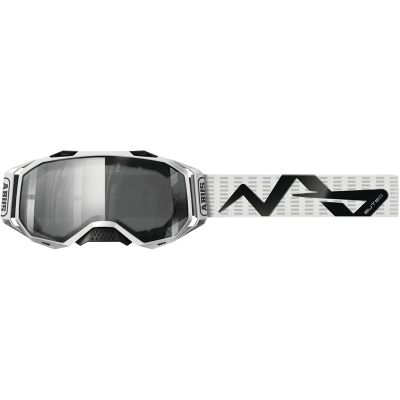
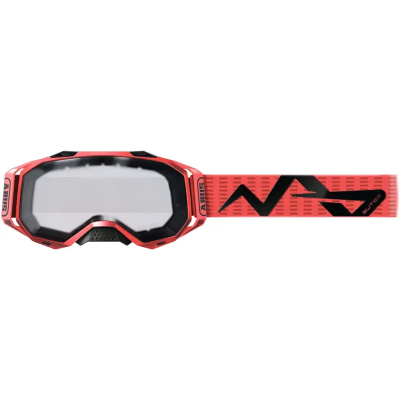
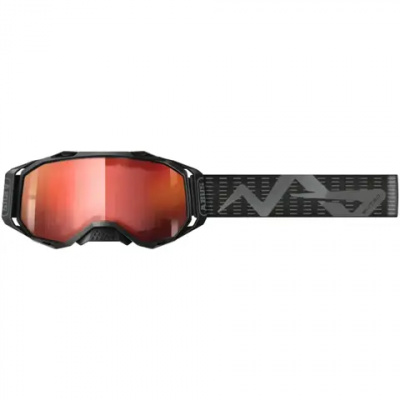
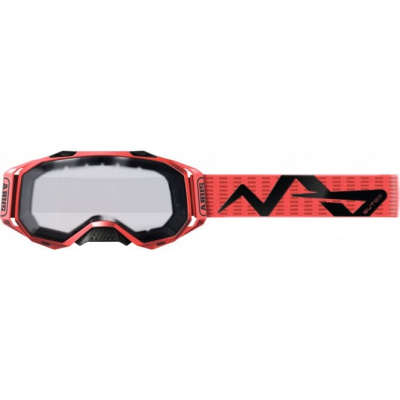
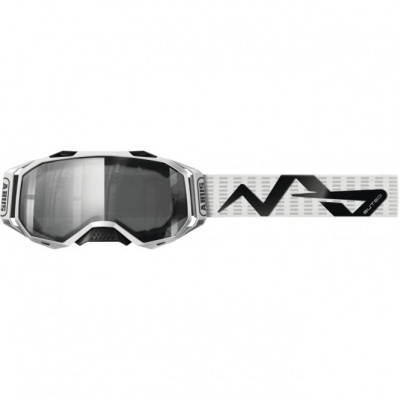
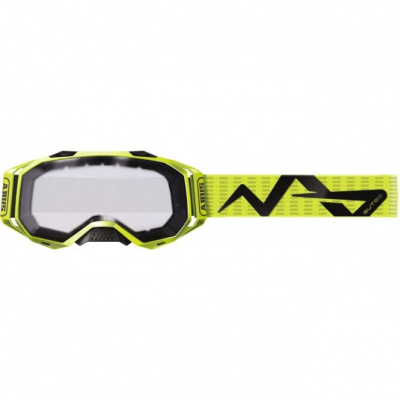
When you're dropping into a steep, rooty descent with rain hammering in sideways, ABUS goggles are built to keep your vision sharp where it matters most. ABUS has long been the name riders trust for head protection, and that same German engineering rigour carries directly into their eyewear. The gravity-focused ABUS Buteo sits at the centre of the range, designed specifically for enduro, downhill, and aggressive trail riding where clarity and reliability aren't optional.
What sets these apart starts with the lens. Scratch-resistant polycarbonate construction keeps things robust when branches and roost are flying, while the anti-fog coating handles the kind of clammy, close-canopy conditions you get on a dripping Welsh woodland climb. A triple-layer face foam wicks sweat during the slog up and stays comfortable once the pace picks up on the way down. The 40mm jacquard strap with silicone grip keeps the goggle planted through chatter and drops - no creeping, no rocking. Tear-off pin integration on the Buteo means you can run tear-offs on race day or when the mud is genuinely relentless. These are goggles with a clear purpose and the spec to back it up.
Prices and availability can change quickly. Delivery charges are not always included in listed prices.
Final price, stock status and delivery terms are set by retailer. We may receive a commission on purchases made.
Lens Tech and Weather Performance
The polycarbonate lens in ABUS MTB goggles does two jobs well: it takes a knock without cracking, and it stays optically clear long after cheaper lenses have fogged into opacity. Polycarbonate is lighter and more impact-resistant than standard plastics, which matters when a tree branch clips you at speed or a roost from your mate's rear tyre hits square on. The scratch-resistant coating is the practical layer on top of that - you will inevitably wipe a muddy glove across the lens at some point, and this surface resists the kind of micro-scratching that slowly ruins your forward view.
The anti-fog coating is where UK riders will feel the difference most. Our riding tends to involve sharp temperature changes - cold air on a shaded descent after a sweaty climb, or stepping out of a heated van at Ae Forest on a damp November morning. Without proper anti-fog treatment, that delta causes condensation to bloom across the lens in seconds. ABUS's coating disrupts that process, keeping the surface clear through the transitions that catch out lesser eyewear. For low-light woodland riding, clear lens options maximise available light under a heavy canopy, while tinted options work well on open moorland or bright bike park days. Swapping lenses depending on conditions is straightforward, so it's worth keeping both in the bag.
If you're comparing the lens package here against something like 100% goggles or Oakley goggles, the ABUS spec is genuinely competitive - particularly on anti-fog performance in humid conditions where those brands' entry-level options can fall short.
Fit, Foam, and How the Range Works
The ABUS Buteo goggles use a flexible frame that conforms to different face shapes without requiring a rigid fit. That flexibility matters on rough descents where vibration and G-forces through berms try to work any rigid frame away from your face. Combined with the 40mm jacquard strap and its silicone grip on the inner surface, the goggle stays put through the kind of high-speed, square-edge hits you get on Peak District grit or Surrey Hills roots. No rolling up the forehead mid-run.
The triple-layer fleece face foam is doing more than just making contact comfortable. The layered construction - typically a moisture-wicking inner layer, an absorbent mid-layer, and a softer outer layer - pulls sweat away from your face during the climb and prevents it from saturating through to the lens seal. A soaked foam seal is one of the main routes for fogging, so this is functional design, not just comfort padding. On longer enduro stages where you're working hard before a fast descent, that foam quality is directly relevant to how clear your vision stays when it counts.
Helmet integration is tidy, especially when paired with ABUS's own lids. The AirDrop and CliffHanger helmets are designed with goggle channels that seat the strap cleanly and align the goggle to the visor without a gap. That goggle gap - where wind and rain sneak in between lid and goggle - is a genuine annoyance on other pairings. With matched ABUS kit, it's a non-issue. The goggles will also work with most third-party helmets, and the flexible frame helps bridge minor geometry differences, but if you're running ABUS helmet spares and accessories anyway, the full system fit is worth factoring in. Riders using Fox goggles or Leatt goggles alongside non-matched helmets will recognise the difference a properly integrated pairing makes.
The tear-off pin integration on the Buteo is a proper race-spec feature. Pins are moulded into the lens frame, accepting standard tear-offs so you can layer several up before a muddy stage and peel them away as they clog. It keeps you from fumbling with the main lens mid-race. Not every rider needs this, but if you're doing enduro events or bike park laps in deep winter mud, it's a genuinely useful option rather than an afterthought.
Looking After Your Lenses After a UK Ride
The anti-fog coating on any goggle lens is a surface treatment, and it's more fragile than the polycarbonate beneath it. The single biggest mistake riders make is wiping a muddy lens dry with whatever's to hand - a jersey cuff, a rough cloth, fingers. Grit embedded in mud acts like sandpaper on that coating and destroys it within a few cleans. Rinse the lens with lukewarm water first, every time, before you touch it. Let the water carry the bulk of the mud and grit away. Once it's clear of debris, a clean microfibre cloth in a gentle dabbing motion is the right move - no harsh chemicals, no circular scrubbing.
Tear-offs need disposing of responsibly. They're small and light and easy to leave on a trail, but they're plastic and they accumulate. Pocket them, bin them at the van. The pins that hold them are robust, but check them periodically for bending if you're running tear-offs regularly.
Storage is simple but worth doing right. A goggle bag - the soft pouch most goggles ship with - keeps the lens from picking up scratches in your pack between rides. Loose in a bag with keys, tools, or a helmet is how lenses get wrecked in transit rather than on the trail. If you're also carrying ABUS lights in the same kit bag, keep the goggle pouch separate from anything with metal edges or clips.
For ABUS off-road goggles and ABUS downhill goggles specifically, lens swap intervals depend on coating wear rather than scratches alone. If the anti-fog performance drops noticeably - you're seeing consistent fogging where you didn't before - the coating is gone and a fresh lens is the fix. Replacement lenses are available and cheaper than a new goggle, so it's worth checking compatibility when you buy. Smith Optics goggles and Scott goggles have well-established lens replacement programmes as a benchmark - ABUS's aftermarket support for the Buteo is worth verifying at point of purchase if lens longevity is a priority for you.
Abus Goggles FAQs
Do ABUS goggles fit with all MTB helmets?
The flexible frame and adjustable silicone-backed strap give ABUS goggles a broad fit across most MTB helmets. That said, they're engineered to sit best alongside ABUS's own lids - the AirDrop and CliffHanger in particular - where the strap channels and visor geometry eliminate any goggle gap. Third-party pairings generally work fine, but that flush fit is harder to guarantee.
Are ABUS goggles compatible with tear-offs?
Yes - models including the ABUS Buteo have integrated pins built into the lens frame that accept standard tear-offs. Stack a few before a muddy race or a messy bike park session and peel them back as visibility drops. It's a clean system and the pins are robust enough for repeated use.
How do you clean ABUS goggle lenses without scratching them?
Rinse with lukewarm water before you touch the lens - grit in mud is what causes scratching, not the wiping itself. Once the surface is clear of debris, use a clean microfibre cloth and dab rather than drag. Avoid solvents or anything abrasive, which will strip the anti-fog coating faster than trail use ever would.