
Oakley Goggles
When you're threading roots in a gloomy Welsh forest or dropping into a loose, rocky chute, Oakley MTB goggles are built to make sure your vision is the last thing you're worrying about. Oakley has spent decades refining optical technology for extreme sport, and that precision carries straight into their dirt-focused goggle range. At the core of every pair sits the shatter-resistant Plutonite lens - a high-mass impact material that stops roost, snapping branches, and flung grit from reaching your eyes. Wrap that in a O Matter frame - Oakley's flexible, stress-resistant chassis - and you've got a goggle that bends to your face rather than pressing into it. The real standout, though, is Prizm lens technology. Rather than simply darkening or tinting your view, Prizm filters specific wavelengths to sharpen contrast on dirt, making roots, ruts, and off-camber lines read faster and more clearly. That matters enormously in the flat, grey light that UK riding dishes out most of the year. Whether you're racing a muddy enduro stage in the Peaks or sessioning the bike park on a damp Saturday, Oakley mountain bike goggles offer a fog-free, stable fit that works with your lid, not against it.
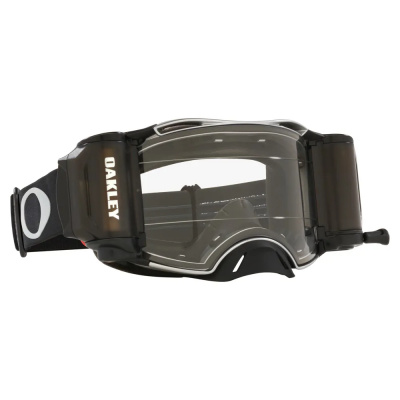
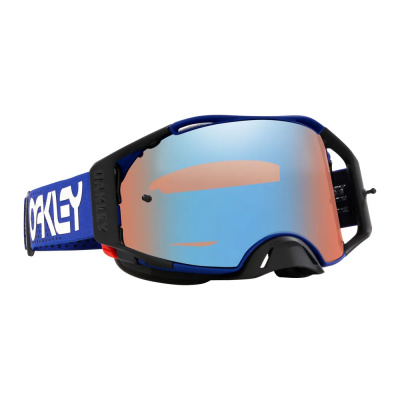
Prices and availability can change quickly. Delivery charges are not always included in listed prices.
Final price, stock status and delivery terms are set by retailer. We may receive a commission on purchases made.
Lens Tech and Seeing the Trail in UK Conditions
Are Oakley Prizm lenses good for mountain biking? The short answer is yes - and the reason why matters more than the marketing. Prizm Trail lenses are tuned specifically for dirt riding, boosting contrast in the brown, green, and orange end of the spectrum so that a dark root crossing a shadowed trail pops rather than blends in. On a typical ride through dense UK woodland - the kind where the canopy filters everything into flat, directionless light - that contrast boost is genuinely useful. You're reading the ground faster, and that fraction of a second adds up on a steep, rooty descent.
For winter riding or particularly overcast days, Prizm Low Light lenses push things further, brightening the overall scene without washing it out. Think of them like turning up the definition on a slightly murky image rather than simply cranking the brightness. When the light drops between the trees on a late afternoon in the Brecon Beacons, that distinction matters. The Plutonite lens material underpinning all of this isn't just about clarity - it's rated for high-mass impact resistance, so a stone kicked up by the rider in front won't compromise the lens or your eyes. It's also inherently UV-filtering, which means 100% UVA, UVB, and UVC protection without relying solely on coatings.
Fogging is the persistent annoyance of any goggle, particularly on UK trails where you're climbing in 85% humidity before dropping into cold air. Oakley address this with Factory Lite Vent mesh - a fine mesh panel across the frame vents that allows steady airflow while physically blocking mud and debris. The inner lens carries an anti-fog coating that works in conjunction with that airflow rather than trying to compensate for its absence. Keep moving and the system works well. On steep, slow climbs where airflow stalls, pulling the goggle slightly off your face for a few seconds resets things quickly. If you're comparing Oakley's ventilation approach to alternatives like 100% goggles or Fox goggles, Oakley's vent mesh sits at the more debris-protective end of the spectrum - useful if you're riding behind someone in wet, soft conditions where mud flies freely.
The Oakley MTB Goggle Range - Which One Suits You
Oakley's mountain bike goggle lineup has a clear hierarchy, and knowing where each model sits saves you picking the wrong tool for the job. The Oakley Airbrake MTB is the flagship, and its defining feature is Switchlock technology - a one-handed lens-swapping system that lets you move between lens tints mid-ride without fumbling with clips or a screwdriver. For enduro riders who start in murky morning light and finish in bright afternoon sun, that's a practical advantage rather than a gimmick. The Airbrake MTB uses a dual-lens construction and wide, cylindrical field of view that minimises peripheral distortion at speed. It's the one to look at if you're racing or regularly riding varied conditions.
Step down and you reach the O-Frame 2.0, which is the reliable workhorse of the range. No Switchlock here, but the O Matter chassis delivers the same face-conforming flexibility, and it accepts a wide range of replacement lenses and tear-off systems - making it popular with riders who prioritise low-maintenance practicality over rapid lens changes. The fit is slightly more relaxed, which suits a broader range of face shapes and works well under both full-face and open-face lids. Smith goggles offer a comparable mid-range option if you want to cross-shop, but the O-Frame 2.0's accessory ecosystem is extensive.
On lens replacements, tear-offs, and roll-off kits - there's a full range of Oakley-compatible vision accessories available. Head to the Oakley Sunglasses and Goggle Spares page on Bikesy for the complete picture on replacement lenses and lens care products; it's all listed there rather than buried here.
Helmet Fit, Strap Stability, and Keeping the Lenses Clean
Do Oakley goggles fit with all MTB helmets? Broadly, yes - but there are some specifics worth knowing. Oakley design their goggle straps with an outrigger strap attachment system, which means the strap exits from recessed anchor points on the frame rather than flat against it. This creates a more stable, lower-profile connection that sits cleanly in the goggle port of most full-face helmets without bunching or lifting the goggle away from your face. The strap itself is silicone-lined on the inner surface, which grips the helmet shell rather than sliding over it - useful when you're bouncing through a rough rock garden and don't want the goggle migrating up your forehead.
For open-face or half-shell helmets, the fit is similarly solid. The O Matter frame flexes to follow facial contours across the cheekbones and brow, so even if your helmet's goggle port is on the generous side, the frame adapts rather than gaping. If you're pairing goggles with a new lid, it's worth checking out Oakley helmets - they're designed with the goggle interface in mind, so the geometry works together cleanly.
Keeping Plutonite lenses in good condition is straightforward but worth doing right. Mud dries quickly and becomes abrasive, so rinse the lens with clean water before you wipe it - a dry wipe over dried mud will scratch the surface and degrade the coatings over time. A soft microfibre cloth, used gently after rinsing, is all you need. Store the goggles in the bag they came with, lens-side inward, and avoid leaving them on a car dashboard in direct sun - prolonged heat exposure degrades the anti-fog coating faster than trail use. A quick rinse after every muddy ride is genuinely one of the best habits you can build. Round out your kit with Oakley MTB shorts or Oakley body armour if you're building out a full Oakley setup - the range is cohesive enough that it makes sense.
Oakley Goggles FAQs
Are Oakley Prizm lenses good for mountain biking?
Prizm Trail and Prizm Low Light lenses are specifically tuned for dirt riding - they enhance contrast in the brown, green, and orange spectrum so roots, ruts, and off-camber lines read more clearly. In the dappled, flat light typical of dense UK woodland, that contrast boost makes a real difference to how quickly you're processing the ground ahead.
How do I stop my Oakley MTB goggles from fogging up?
Keep moving - airflow through the Factory Lite Vent mesh is what keeps the anti-fog coating working properly. On slow, humid UK climbs where airflow drops, pull the goggle slightly away from your face for a few seconds, or flip them onto your helmet until you're ready to drop in. Avoid wiping the inner lens with your glove, as this damages the anti-fog coating over time.
Do Oakley goggles fit with all MTB helmets?
Most of them, yes. The outrigger strap attachment sits low-profile in standard goggle ports, and the silicone-lined strap grips the helmet shell to prevent slipping. The flexible O Matter frame adapts across different face shapes and helmet geometries. For the cleanest integration, Oakley's own helmets are designed with their goggle interface in mind.