
Oakley Helmets
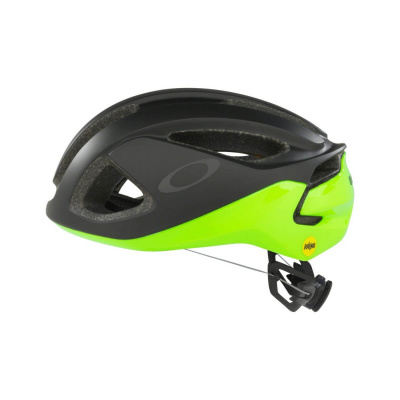
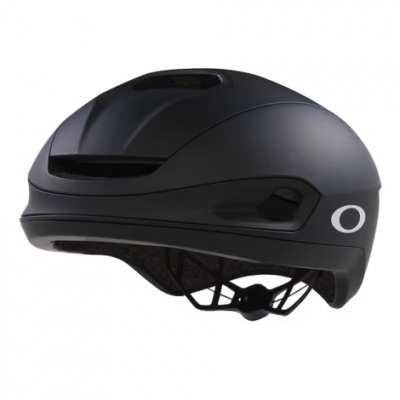
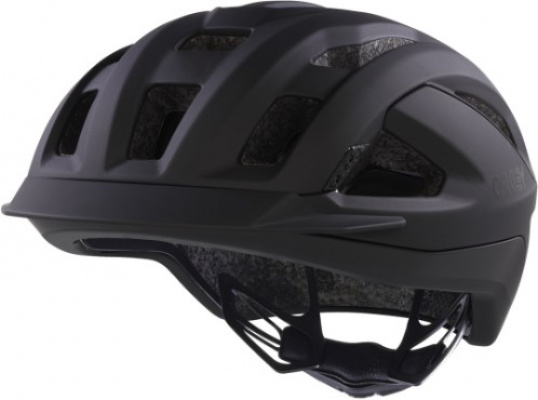
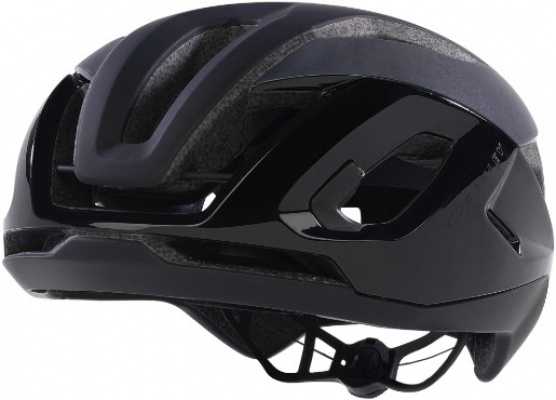
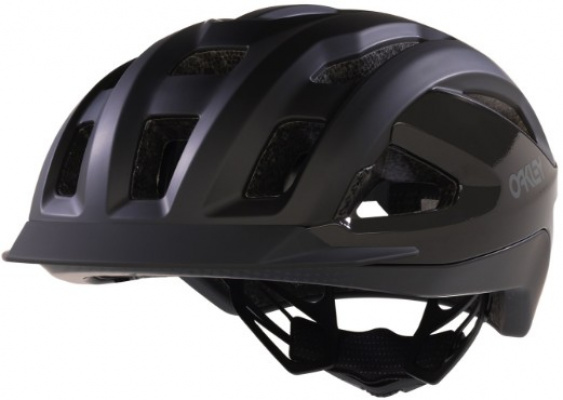
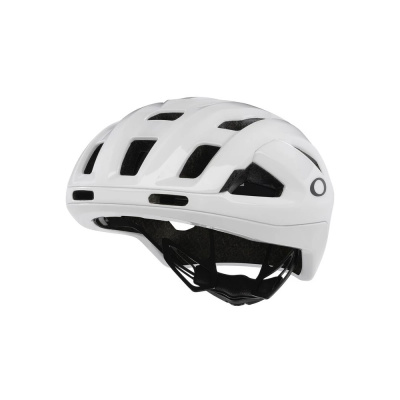
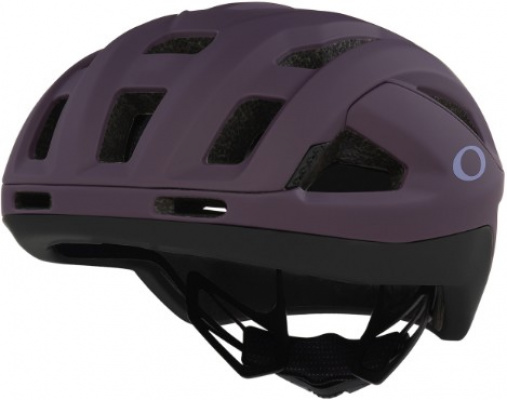
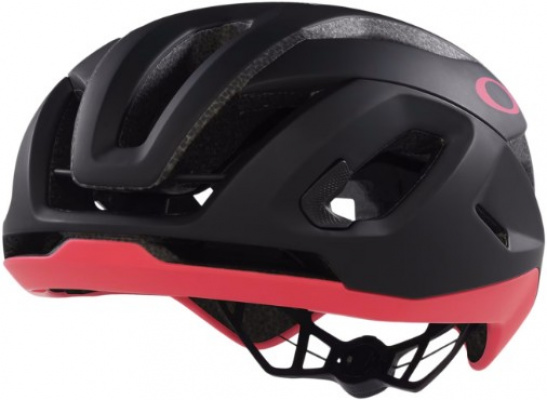
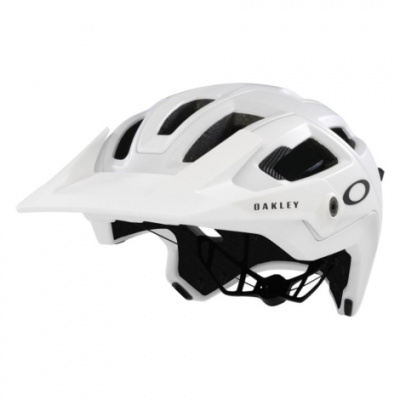
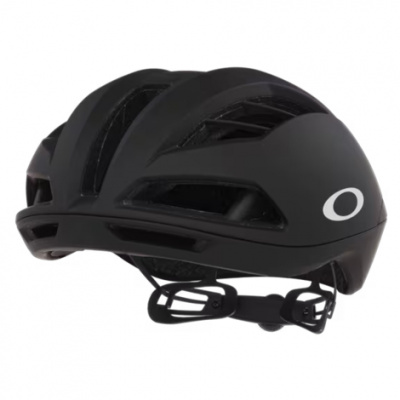
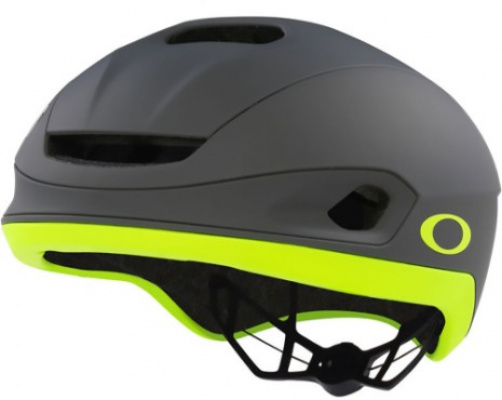
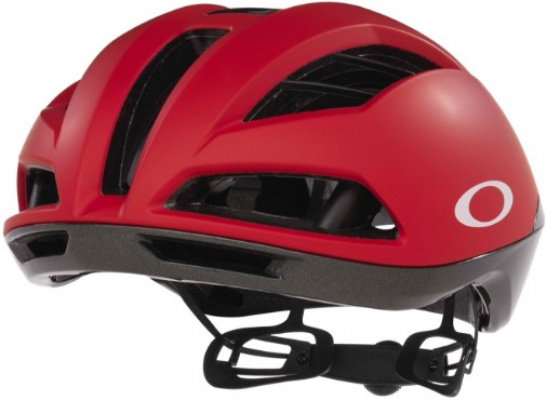
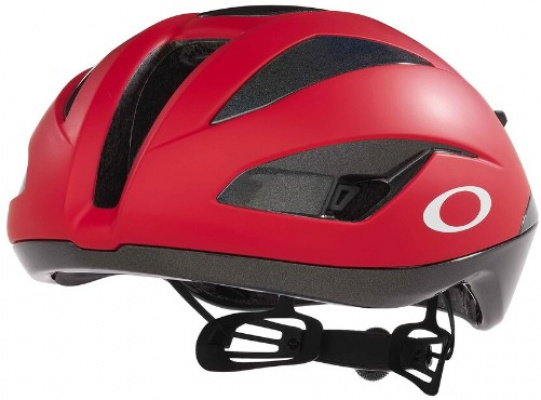
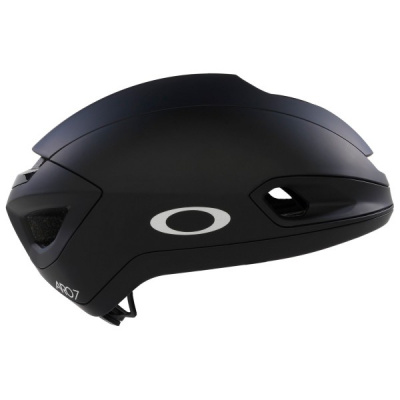
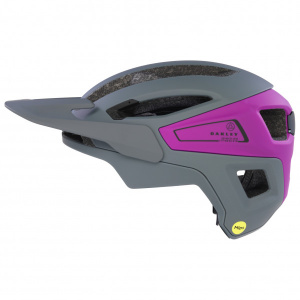
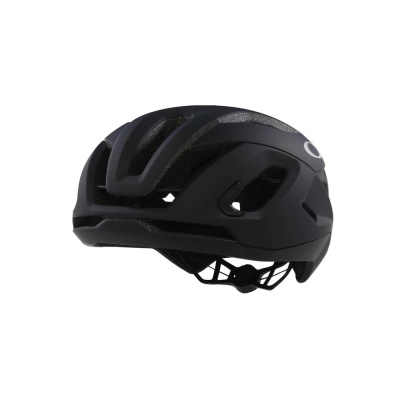
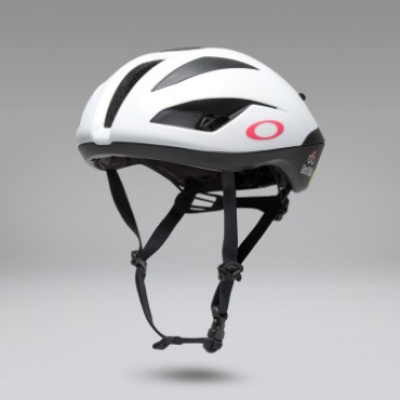
Oakley helmets have earned a serious reputation in road and mountain bike circles - not by coasting on the brand's optical legacy, but by building lids that genuinely deliver on safety, comfort, and a level of eyewear integration nobody else has matched. The range is built around two core technologies: MIPS for rotational impact protection, and the BOA 360 fit system for a pressure-free, dialled fit that works whether you're grinding up a long Welsh climb or picking your way through a rooty trail centre loop. Most helmets in the range use an EPS foam liner paired with a polycarbonate shell - a proven combination that manages impact energy without adding unnecessary weight. The silicone sweat guard keeps perspiration away from your lenses, which matters more than you'd think on a warm, muggy British summer ride. The Eyewear Dock - Oakley's integrated sunglass-stowing system - is the feature that keeps riders coming back. It actually works, holding your Oakley sunglasses securely when you're head-down on a climb or riding into fading light. There are two main families to know: the ARO series for road and gravel, and the DRT series for MTB. We'll break down exactly where each fits.
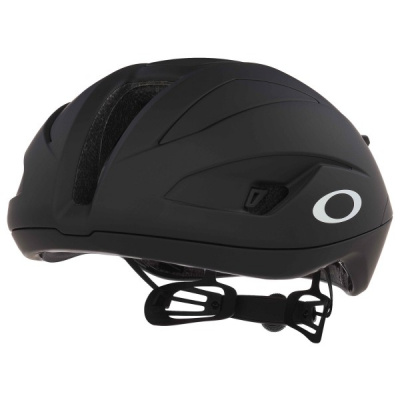
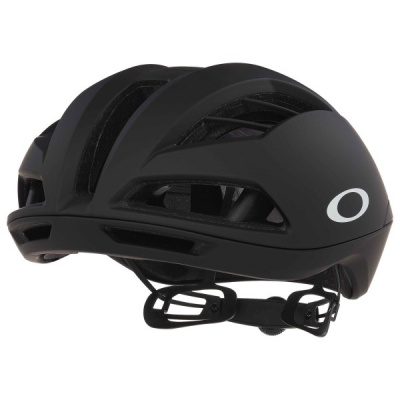
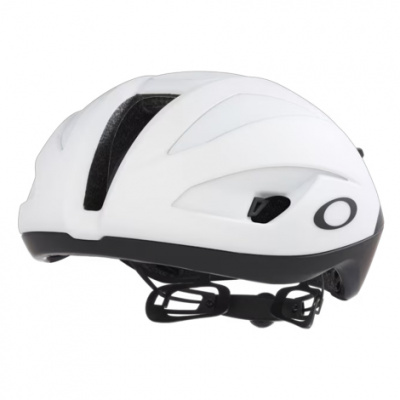
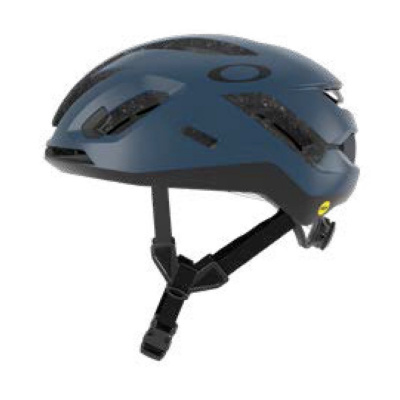
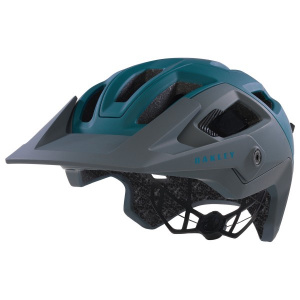
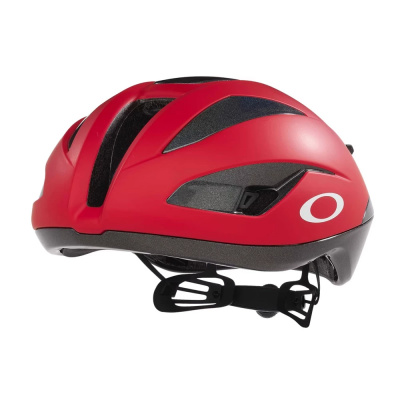
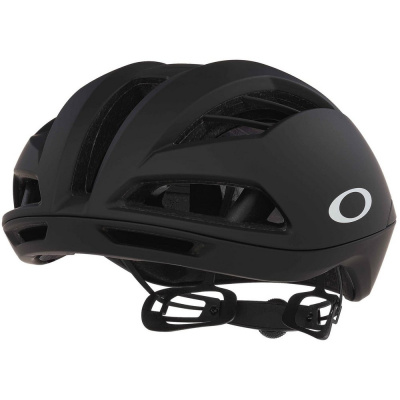
Prices and availability can change quickly. Delivery charges are not always included in listed prices.
Final price, stock status and delivery terms are set by retailer. We may receive a commission on purchases made.
Safety Tech and Ventilation Performance
MIPS technology sits at the heart of the Oakley helmet range. The system adds a low-friction slip plane between your head and the EPS foam liner, allowing the helmet to rotate slightly on impact rather than transferring rotational force directly to your brain. It's not a gimmick - independent testing consistently shows it reduces rotational acceleration in angled impacts, which are far more common in real crashes than straight-on hits. Most current ARO and DRT models carry it as standard, and it adds minimal weight to the overall package.
The EPS foam itself is shaped to channel airflow rather than simply filling the helmet's interior. Front intake ports pull air in and route it across the head, which makes a noticeable difference on the long, steady climbs that UK riding tends to produce - think Hardknott, the Mynd, or anything in the Brecon Beacons where you're moving slowly and generating a lot of heat. The polycarbonate outer shell keeps things robust without the penalty of a heavier composite construction.
The silicone sweat guard along the brow is a practical detail that earns its place. On humid British days when the sweat is coming freely, it intercepts moisture before it reaches your lenses - a small thing, but one less distraction when you need to focus. The X-Static brow pad works alongside it, wicking moisture away from the skin. If you're comparing Oakley against Giro helmets or Bell helmets at a similar price point, the integrated sweat management is one of the areas where Oakley pulls ahead on considered detail.
The ARO and DRT Ranges Explained
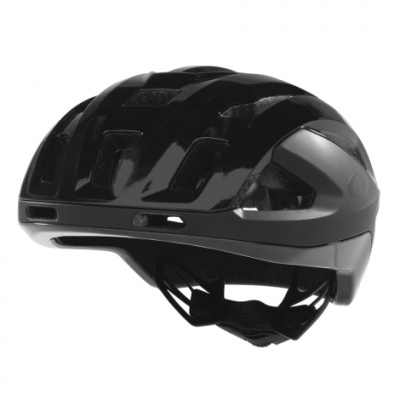
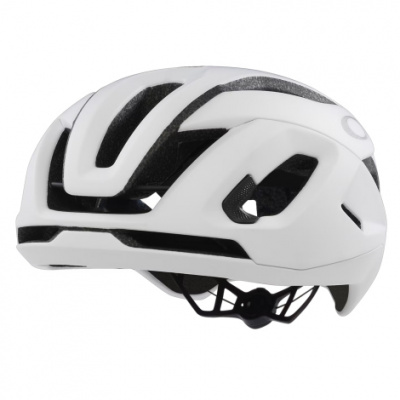
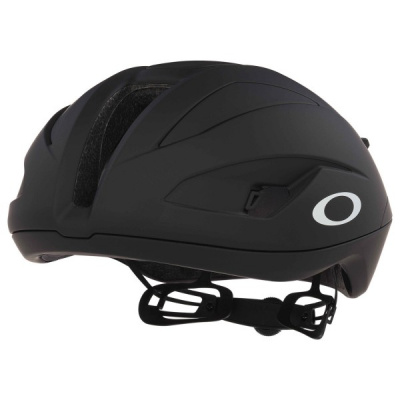
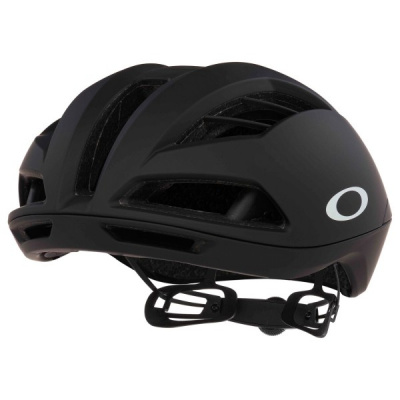
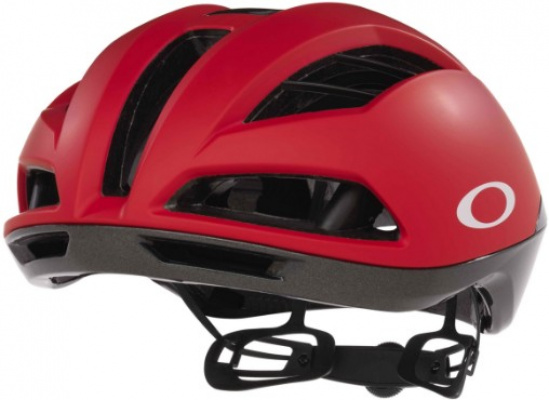
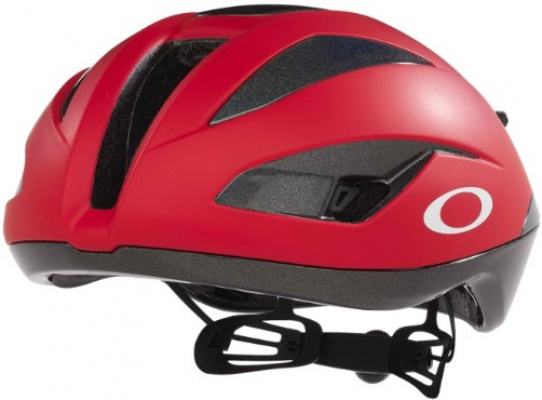
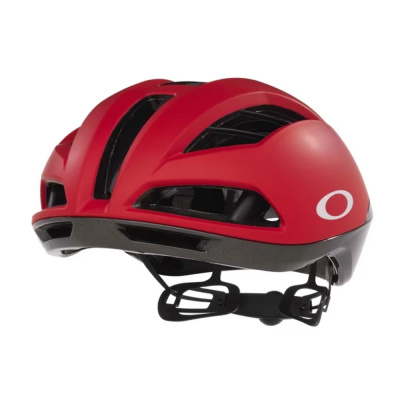
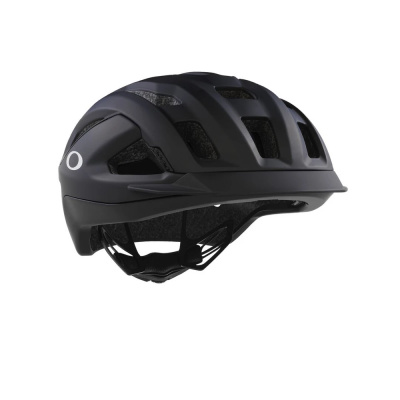
The ARO series is Oakley's road and gravel family. These helmets prioritise low weight, aerodynamic shaping, and generous ventilation - they're aimed at riders who spend most of their time on tarmac or packed gravel, where every gram and every degree of drag starts to matter over distance. The fit is snug and close to the head, which suits riders who want a helmet that doesn't shift around on fast descents. If you're putting in big miles on the road or mixing tarmac with light gravel, the ARO is the natural choice.
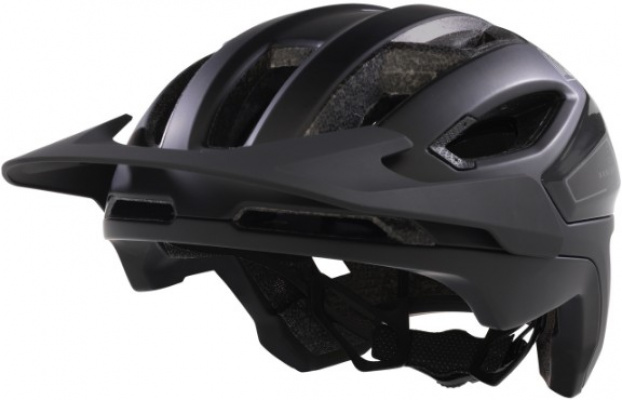
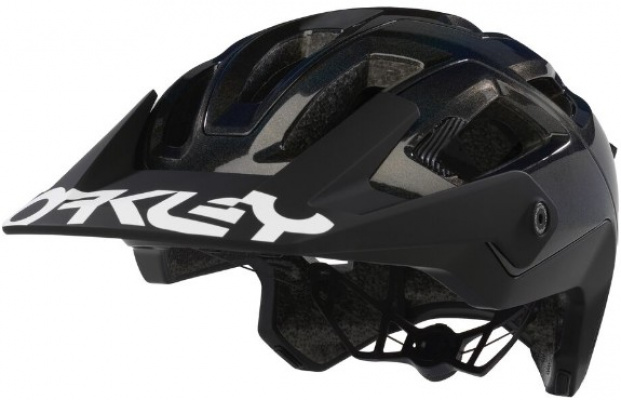
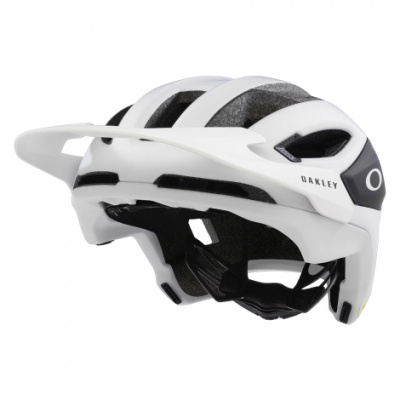
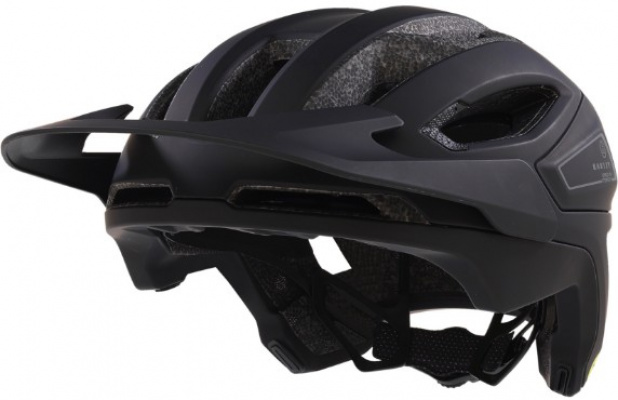
The DRT series is built around mountain biking demands. Extended rear skull coverage gives you more protection for the kind of backward falls that trail riding produces. The adjustable visor clears mud and rain effectively - genuinely useful on UK winter trails where the spray off wet roots is relentless. Goggle compatibility makes the DRT practical for uplift days or bike park sessions where a full-face isn't necessary but sunglasses won't cut it either. If you're weighing these up against something like Fox helmets for trail use, the DRT's integrated eyewear system is a genuine differentiator.
The BOA 360 fit system runs across both families. Traditional plastic retention cradles apply pressure at fixed points; the TX1 lace wraps around the head in a continuous loop, distributing load evenly. The result is a more comfortable fit across a wider range of head shapes, and micro-adjustment is genuinely micro - one click at a time rather than jumping between set positions. It's also worth knowing that the low-profile lace leaves enough clearance to layer a thermal skull cap underneath for winter riding without creating pressure points or compromising the safety fit. That's not a minor consideration for anyone riding through a British January.
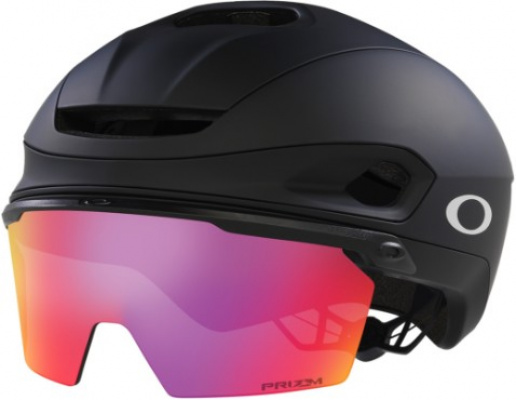
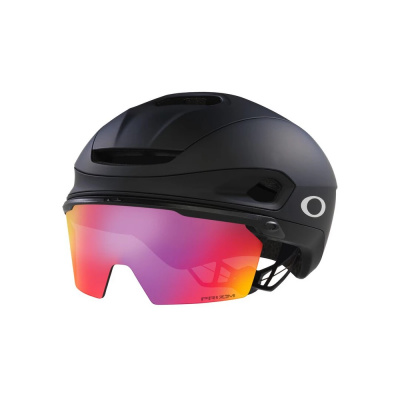
If you're racing against the clock, standard road helmets won't cut it. Head over to our dedicated Oakley Aero TT Helmets page for maximum aerodynamic gains.
On fit sizing: Oakley helmets run true to size across the range, but the BOA system gives you meaningful adjustment range either side of the nominal size. Measure your head circumference and cross-reference the specific model's size chart - don't assume your size from one brand translates directly.
Eyewear Integration and Riding Setup
The Eyewear Dock is the feature Oakley does better than anyone else in the helmet market. When you tuck your sunglasses into the dock - integrated channels and clips built into the front of the helmet - they sit flush and stable. They don't rattle, they don't drop when you put your head down, and they're accessible again in seconds. On a typical UK sportive where you're riding in and out of tree cover all morning, being able to pull your lenses off and stow them without stopping is worth more than it sounds.
The system is designed specifically around Oakley's own eyewear geometry, so it works most reliably with Oakley sunglasses - though many riders find it accommodates other brands too. For MTB riding where full eye protection matters, the DRT models are also compatible with Oakley goggles, which sit against the helmet's brow without leaving the gap that causes problems in cold or dusty conditions.
The X-Static brow pads are removable and hand-washable. Give them a rinse every few rides - they pick up salt, sunscreen, and general grime fast, and leaving them unwashed accelerates bacterial build-up that shortens the pad's life and starts to smell. Air-dry only; heat damages the X-Static fibres that do the moisture-wicking work. It takes two minutes and makes a real difference over a season.
Layering a cycling cap or thin thermal skull cap under the BOA lace in winter is straightforward. The TX1 lace adjusts to accommodate the extra bulk without the pressure spikes you get from a rigid plastic cradle being pushed into the cap. It keeps the helmet sitting correctly on your head - which matters for both comfort on long cold rides and for the helmet doing its job if you do go down. Pairing the helmet with a base layer or Oakley jersey that manages moisture from the neck up makes a noticeable difference on cold, damp British mornings where staying comfortable is half the battle.
Oakley Helmets FAQs
Do Oakley helmets run true to size?
Generally yes - Oakley helmets size consistently across the range. That said, the BOA 360 fit system gives you real adjustment range either side of your nominal size, so it's not a rigid fit. Measure your head circumference and check the model-specific size chart before ordering; don't rely on your size from another brand as a direct guide.
What is the difference between Oakley ARO and DRT helmets?
The ARO is a road and gravel helmet - lightweight, well-vented, aerodynamically shaped, and optimised for tarmac and packed gravel riding. The DRT is the MTB lid: more rear skull coverage, an adjustable visor for mud and rain clearance, and goggle compatibility. Different tools for different riding, with the BOA fit system and MIPS common to both.
Do Oakley helmets have MIPS?
Yes. The vast majority of current Oakley cycling helmets - including models across both the ARO and DRT ranges - include MIPS. The system adds a slip plane between your head and the EPS liner, reducing rotational force transfer in angled impacts. Check individual model listings to confirm, as a small number of entry-level colourways occasionally omit it.