
7protection Helmets
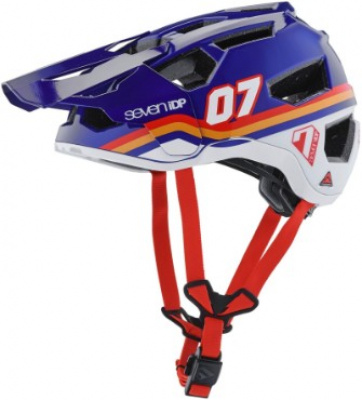
7Protection helmets - sold under the 7iDP tag - are built around one idea: Intelligent Design Protection. That means genuine engineering decisions rather than marketing padding, and it shows the moment you pick one up. The foam is shaped differently, the fit systems are more considered, and the ventilation layout has clearly been thought through by people who've spent time on bikes rather than behind desks.
The range centres on open-face and trail lids that work hard across the full spectrum of UK riding - from long, sweaty winch-and-plummet loops in the Welsh valleys to quick after-work blasts on your local singletrack. Ventilation is a priority here, which matters more than you'd think when you're grinding up a humid summer climb before the good stuff begins. The retention systems are dialled, goggle integration is properly considered, and the internal liners are built to survive the kind of repeated drenching that's just part of riding in Britain.
Whether you're pairing one with 7Protection knee pads for a gnarlier day out or just after a reliable trail lid for everyday use, there's a 7iDP helmet here worth a proper look. We'll break down exactly what separates them and help you find the right fit.
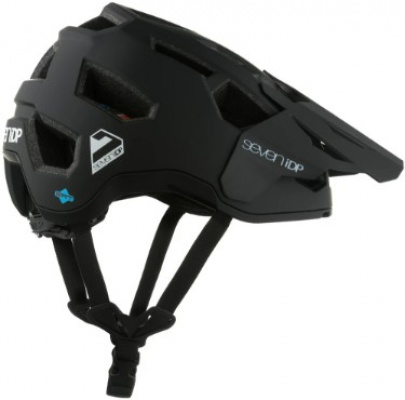
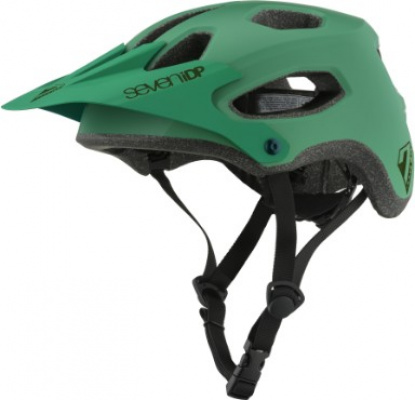
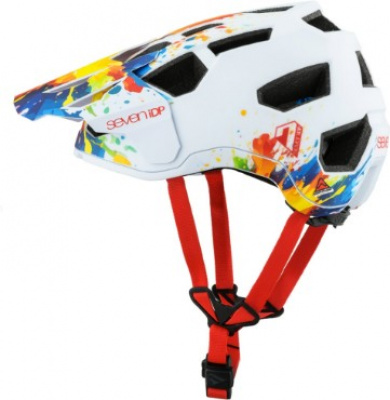
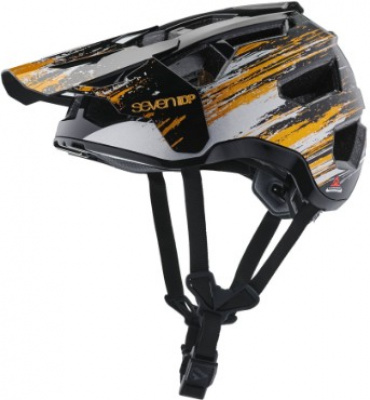
Prices and availability can change quickly. Delivery charges are not always included in listed prices.
Final price, stock status and delivery terms are set by retailer. We may receive a commission on purchases made.
What's Actually Inside a 7iDP Helmet
The headline tech in the 7Protection range is ConeHead dual-density EPS foam - and it's more than a naming exercise. Rather than a uniform block of foam, ConeHead uses a progressive density structure: softer on the outside to engage early in a lower-speed impact, firmer beneath to manage the harder hits. Think of it like a suspension fork with both low-speed and high-speed damping; each layer does a specific job rather than one material trying to handle everything at once.
On top of that, most of the premium 7iDP models add MIPS - the Multi-Directional Impact Protection System. The slip-plane liner inside the helmet allows a small amount of independent rotation on impact, which is designed to reduce rotational forces reaching your brain during the angled crashes that are, let's be honest, far more common on trail than a perfectly vertical drop. If a helmet doesn't list MIPS and it matters to you, check the spec before you buy.
The internal liners are moisture-wicking and antimicrobial, which sounds like box-ticking until you've worn a helmet through a wet Scottish ride and left it in a bag overnight. These liners actually pull sweat away during climbs and resist the kind of bacterial build-up that turns a perfectly good lid into something unpleasant by mid-season. They're also fully removable and machine washable, so a regular rinse keeps everything fresh without any faff.
Ventilation ports are generous across the range - deliberately so. Low-speed UK climbs generate sustained heat without much airflow to shift it, and a poorly ventilated helmet quickly becomes a distraction. 7iDP's port layout prioritises through-flow rather than just surface area, which makes a tangible difference on muggy summer evenings in the Surrey Hills or grinding up into the Peak District gale before the descent rewards you.
Fit, Sizing, and Finding the Right Model
7Protection helmets generally run to an intermediate oval head shape, which suits a broad range of riders without needing much adjustment out of the box. Sizing is true to the published head circumference ranges - measure carefully with a tape and match to the chart rather than guessing by feel in a shop. Getting it right here saves you a lot of micro-adjusting later.
The rear retention dial is the main fit tool, and it's a good one. A few clicks and the cradle tightens around the back of your skull to remove any bounce - that subtle forward-rock you feel on rough ground with an under-tightened lid. Dial it until the helmet feels locked without pressure points, then test it by shaking your head sharply. If it moves independently of your head, go a click tighter. Simple as that.
The Fidlock magnetic chinstrap buckle is worth singling out. One-handed operation sounds like a minor convenience until you're clipping in mid-ride or removing your helmet with cold, muddy gloves after a Peak District winter loop. Magnetic engagement is fast, secure, and noticeably better than traditional plastic clasps in gloveable conditions.
The core open-face trail range - the M2 sits at the centre of it - covers the majority of riders doing singletrack and enduro-style riding. It's the range we'd point most UK trail riders towards first. That said, 7Protection also make gravity-focused lids for those stepping up the commitment level. Looking for maximum protection on the bike park or full-on enduro stages? Check out our dedicated range of 7Protection Full Face Helmets.
Compared to alternatives from Bell or Giro, 7iDP trail helmets tend to sit at a similar technical level but with a slightly more focused fit profile and the ConeHead foam as a genuine differentiator. Worth trying on if you've found other brands sit awkwardly.
Running a 7iDP Helmet on UK Trails
Goggle compatibility is properly thought through here, not an afterthought. The adjustable visor on 7iDP trail helmets swings high enough to park your goggles underneath during a climb - a small thing that makes a real difference when you're pulling them off and on repeatedly on a technical loop. The rear shell is shaped to grip goggle straps without them slipping down, which matters when you're hitting root sections on a wet January ride in the Brecon Beacons and the last thing you want is to stop and reposition your eyewear.
For summer riding or drier days where goggles aren't needed, the visor geometry and retention system also work neatly with regular cycling glasses. No awkward gaps, no pressure on the frame arms. Tuck the arms over the retention cradle and they stay put.
Liner care is worth a quick mention. Pull the liners out after a wet ride rather than leaving them inside - they dry faster and the helmet shell airs out properly. A cool machine wash every few weeks during heavy use keeps the antimicrobial properties working and the fit padding in shape. Don't tumble dry; just hang them up. The whole process takes about two minutes and genuinely extends the life of the helmet.
For a complete protection setup, 7Protection elbow pads and 7Protection body armour are designed to work alongside the helmet range - consistent sizing, matched materials. Worth considering if you're building a full kit rather than mixing brands. And if you want your hands looked after too, 7Protection gloves complete the picture neatly.
If you're weighing up alternatives before committing, Bluegrass offers comparable trail-focused lids worth a look at a similar price point.
7protection Helmets FAQs
How do 7Protection helmets fit?
They fit true to size with an intermediate oval shape that works for most riders. Use the rear retention dial to micro-adjust the cradle until the helmet sits firm without bounce - measure your head circumference first and match it to the published size chart rather than estimating.
Do 7Protection helmets feature MIPS?
Yes, many models in the premium 7iDP range include MIPS. The slip-plane liner allows a small amount of rotational movement on impact, which is designed to reduce the rotational forces transferred to the brain during the angled impacts most common in trail riding. Check individual model specs to confirm inclusion.
Can I wear goggles with a 7Protection open-face helmet?
Yes. The trail helmets feature adjustable visors that lift high enough to stow goggles underneath, and the rear shell is shaped to hold goggle straps securely without slipping. It works just as well in reverse - park the goggles on the helmet during a climb, drop them back down for the descent.