
Bluegrass Helmets
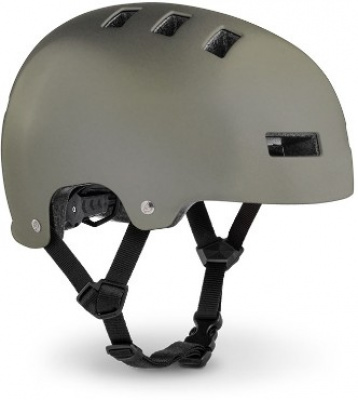
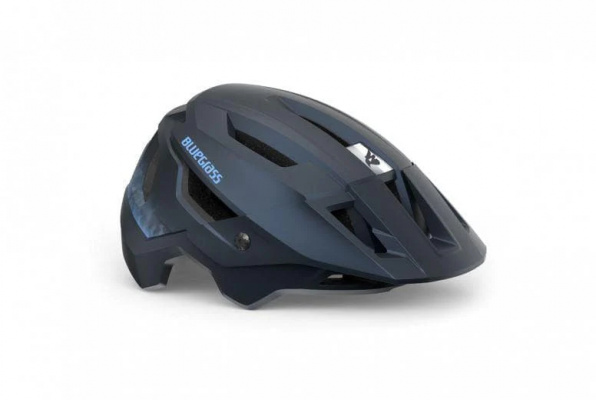
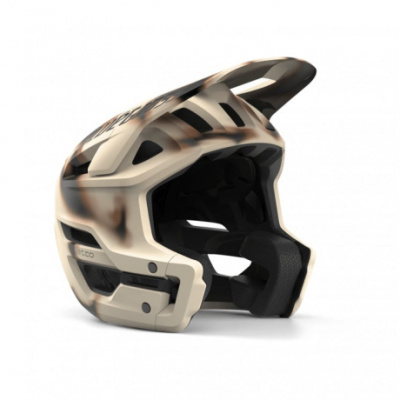
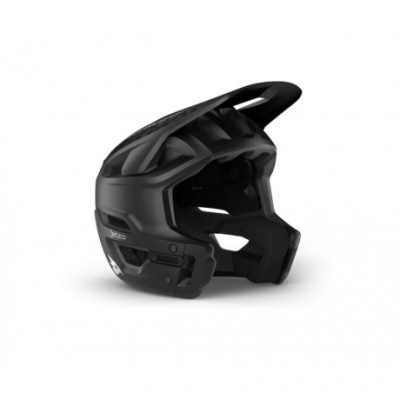
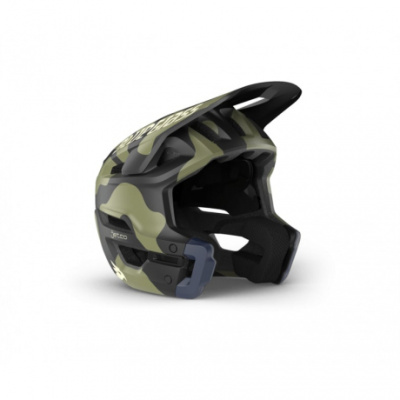
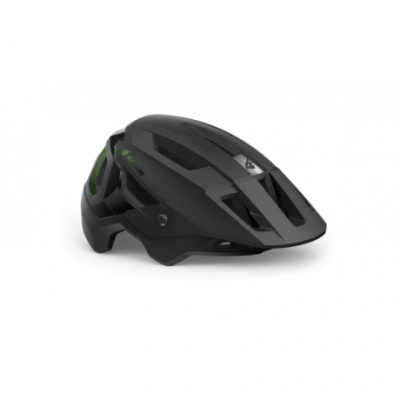
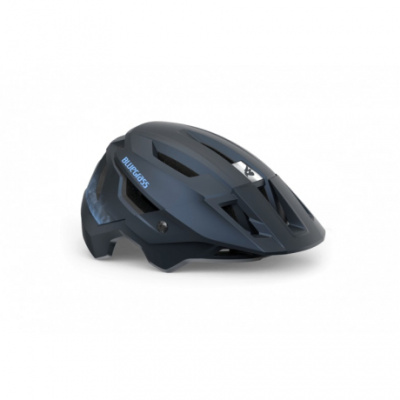
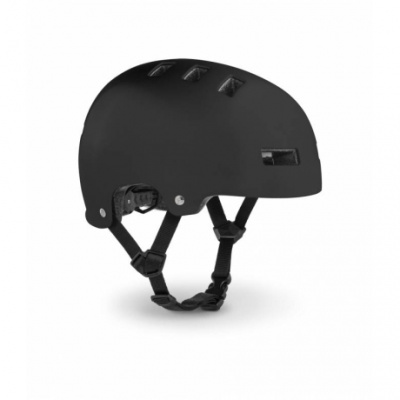
Bluegrass helmets have built a serious reputation in gravity riding circles, and it's not hard to see why. As the gravity-focused sister brand to MET, Bluegrass brings genuinely race-proven protection to enduro stages, downhill tracks, and the kind of aggressive trail riding that separates a good lid from a great one. The range covers three clear disciplines: the Legit for pure downhill, the Vanguard for lightweight enduro full-face duty, and the Rogue for open-face trail riding where you want coverage without the weight of a chin bar.
Every helmet in the line-up is built around a polycarbonate shell with a shaped EPS liner, and the top-tier models layer in MIPS technology - that's the rotational impact management system that's become the benchmark across the industry. ASTM F1952-15 and F2032-15 downhill certifications mean the full-face options aren't just tested hard, they're tested to the right standard for the riding you're doing. Add goggle-friendly ergonomics, flexible safety-release visors, and ventilation that genuinely works on a slow, sweaty Welsh climb, and you've got a range worth a proper look before you buy.
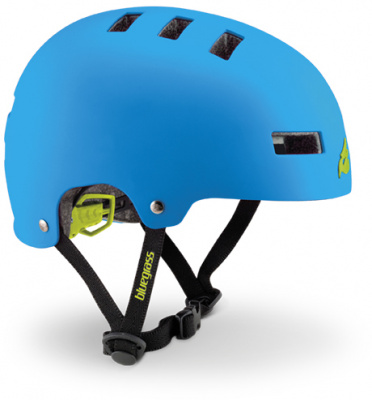
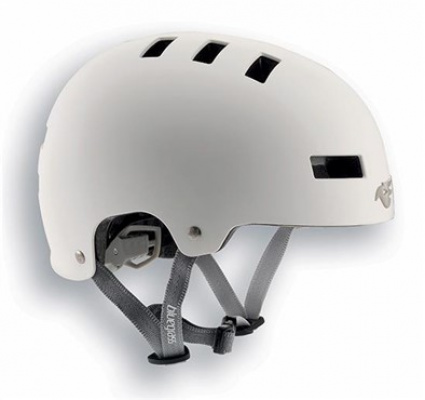
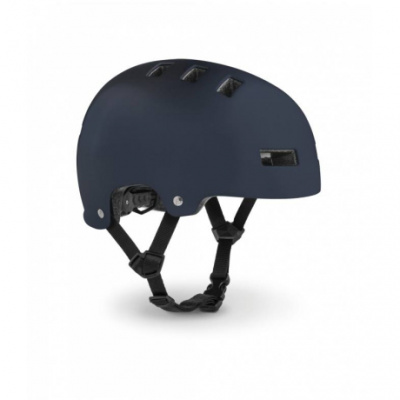
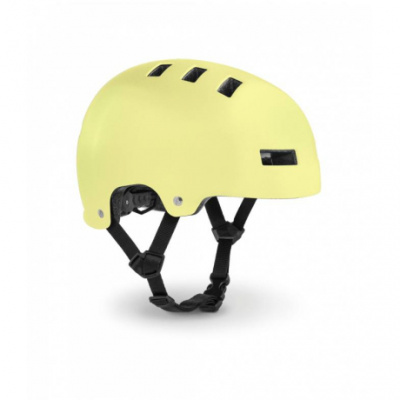
Prices and availability can change quickly. Delivery charges are not always included in listed prices.
Final price, stock status and delivery terms are set by retailer. We may receive a commission on purchases made.
Impact Tech & Weather Performance
The core of any Bluegrass helmet is its EPS liner - a shaped expanded polystyrene shell that absorbs and disperses impact energy. On the full-face models, a polycarbonate outer shell adds structural rigidity while keeping the overall weight manageable. That combination is well-proven and widely trusted, but what Bluegrass does with the internal architecture is where things get interesting for UK riders specifically.
MIPS - the Multi-Directional Impact Protection System - sits between the EPS liner and the helmet's comfort padding. On an angled impact (which is most real-world crashes), MIPS allows the helmet to rotate a few degrees relative to your head, reducing the rotational force transferred to the brain. It's not a marketing layer; the independent testing behind it is substantial. Most premium Bluegrass helmets carry it, and those that do are clearly labelled in the model name, so you won't have to guess at the spec sheet.
Ventilation is genuinely well thought out here, particularly for the enduro and trail end of the range. The internal channelling isn't just there to look open - it's designed to pull warm air away from the goggle lens, which matters when you're grinding up a greasy Peak District climb at half pace. Goggle fogging on the ascent is one of those small miseries that ruins a descent, and Bluegrass has clearly engineered with that in mind. The flexible safety-release visor also plays a practical role: in a forward impact it breaks away rather than levering your neck, and day-to-day it adjusts easily to work with different goggle profiles without catching on the lens edge.
The shell designs shed mud reasonably well, and the removable pads - more on washing those below - make post-ride cleanup far less grim than it would be otherwise. If you're running mud-specific goggles for winter riding, the goggle compatibility across the range is solid; there's no awkward gap between visor and frame that funnels cold air straight onto the lens.
Understanding the Bluegrass Fit & Range
Bluegrass helmets are built around an intermediate oval head shape - slightly longer front-to-back than wide side-to-side. That suits the majority of European riders well, though if you know you run a very round head, it's worth trying one on before committing. The fit is dialled in via the Safe-T retention system, which comes in two variants across the range: Safe-T Advanced and Safe-T Heta. Both use a dial-adjust cradle at the back of the helmet that you can micro-tune while wearing gloves - actually useful on a cold morning rather than just a spec-sheet claim. The Heta variant adds height adjustment, which helps riders with longer heads get the helmet sitting correctly rather than just clamped on.
The Legit is the dedicated downhill helmet. It's a full-face built to ASTM F1952-15 certification, with the chin bar geometry and extended coverage that bike park laps and proper DH tracks demand. Heavy? Relative to a trail lid, yes. Heavy for what it's protecting you from? Not really. If you're comparing it against Bell helmets at the same end of the market, the Legit holds its own on both protection spec and ventilation without asking you to cook on the uplift.
The Vanguard is where most enduro riders will land. It's a convertible full-face - chin bar removes for the climbs, clips back on for the descents - certified to both ASTM F1952-15 and F2032-15. The weight saving over a dedicated DH lid is meaningful across a long stage race day, and the ventilation is noticeably better when you're actually pedalling. If you've been running an open-face lid for enduro and wondering whether a convertible full-face is worth the step up, the Vanguard makes a compelling case. Fox helmets and Giro helmets offer similar convertible options at this price point, so it's a properly competitive segment - worth comparing specs directly before deciding.
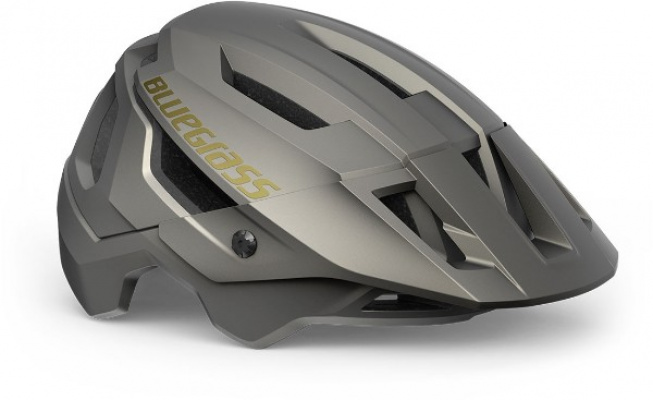
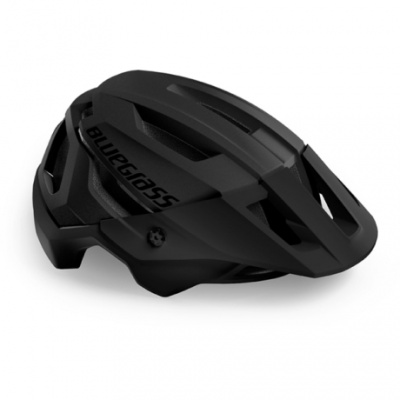
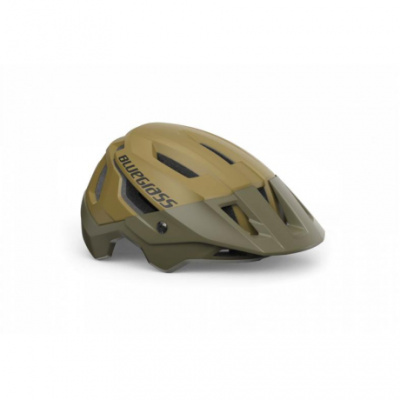
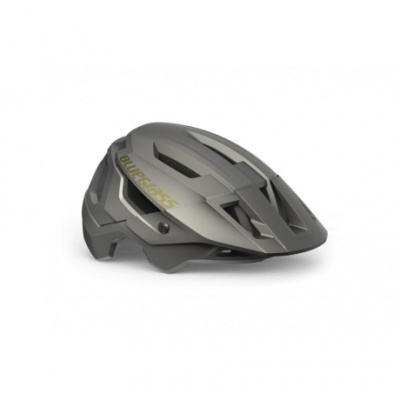
The Rogue is the open-face trail option: lighter, better ventilated, designed for riders who want solid protection without chin bar coverage. It suits aggressive trail riding and milder enduro use where the open-face trade-off feels acceptable.
Need replacement pads, visors, or retention dials to keep your lid running properly? Head over to our dedicated Bluegrass Helmet Spares page for the full range of compatible parts.
Care & Maintenance for UK Riding
A British winter does a number on kit, and helmets are no exception. After a muddy session - Afan, Kielder, wherever you've been suffering - getting the pads out promptly makes a real difference. Bluegrass pads are removable and machine-washable; stick them in a mesh bag on a cool, gentle cycle and they'll come out without shrinking or losing their shape. Don't leave them in the helmet, damp and compressed, for three days. That's how you end up with a lid that smells like a wet dog by February.
Cleaning the polycarbonate shell needs a bit of care. Matte finishes in particular are sensitive to solvent-based cleaners, which can dull or streak the surface permanently. Warm water and a soft cloth does the job fine. For dried mud in the vents, a soft brush - an old toothbrush works - is less likely to scratch the shell than anything abrasive. Avoid spraying products like WD-40 anywhere near the EPS liner; petroleum-based compounds degrade expanded polystyrene over time, quietly compromising the protection you're relying on.
Storage matters more than most riders think. A damp garage or shed isn't a neutral environment for an EPS liner - persistent moisture exposure can affect the foam's integrity, and UV from a sunny windowsill will fade and weaken the shell over time. A helmet bag on a shelf indoors is the low-effort answer. And the standard advice holds: any significant impact means the helmet should be replaced, even if there's no visible damage. EPS crushes once, by design. Pairing a fresh lid with Bluegrass body armour and Bluegrass gloves keeps your protection consistent across the contact points that matter most.
Bluegrass Helmets FAQs
How do Bluegrass helmets fit?
Bluegrass helmets are built around an intermediate oval head shape and generally run true to size. The Safe-T retention dial lets you micro-adjust the cradle for a snug, stable fit - you can do it one-handed with gloves on, which is exactly when you need it. If you know your head runs very round, try before you buy.
Are Bluegrass helmets good for enduro?
Yes. The Vanguard is purpose-built for enduro - it's a convertible full-face certified to ASTM F1952-15 and F2032-15, so it meets the standard for proper downhill use with the chin bar on. The ventilation holds up on long pedalling sections, and the removable chin bar keeps weight manageable across a full race day.
Do Bluegrass helmets have MIPS?
Most premium Bluegrass helmets include MIPS rotational impact protection. It's clearly flagged in the model name and product description, so you won't need to dig through spec sheets to find out. If MIPS is a must-have for you, filter by model name or check the listed certifications on each product page.