
7protection Full Face Helmets
7Protection full face helmets are built around one clear idea: you shouldn't have to choose between staying cool on the climb and staying safe on the way down. The brand - widely known as 7iDP - has made gravity-focused protection its entire focus, and that shows in every detail of the Project 23 range.
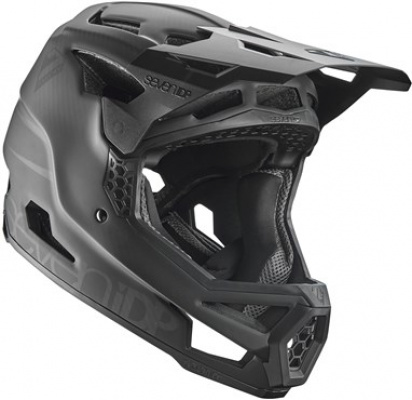
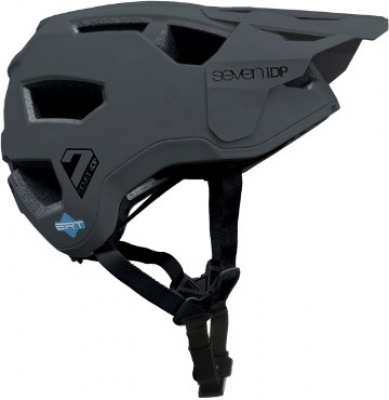
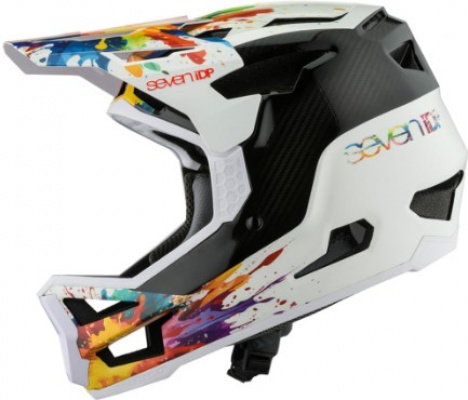
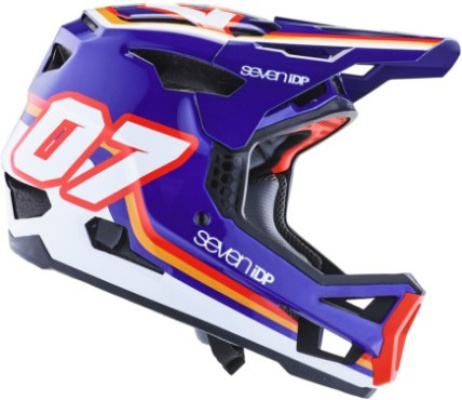
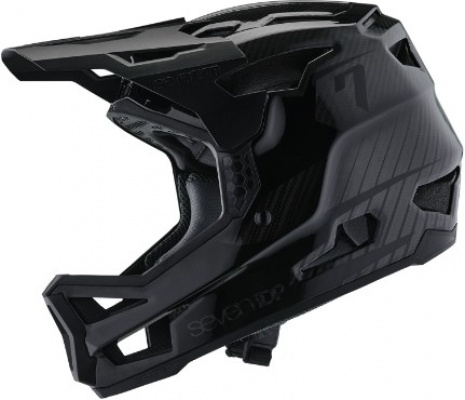
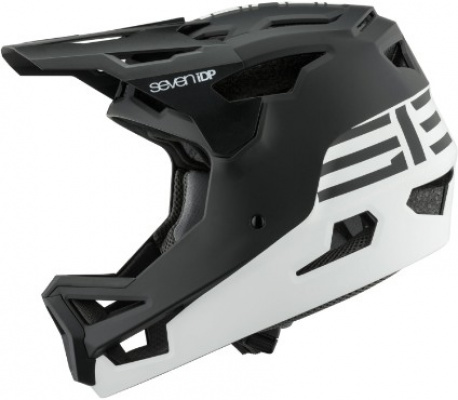
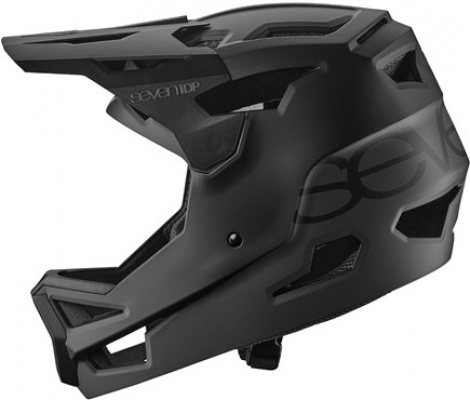
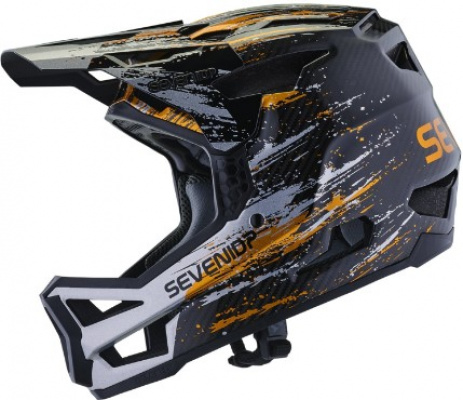
At the core of the lineup sits the Project 23, a downhill-certified full face that punches serious airflow through 23 oversized vents - enough to keep you from steaming up on a damp Welsh fire-road slog before you drop into the good stuff. It's not just about ventilation, though. The helmets layer in S.E.R.T slip-plane technology to manage rotational forces, and the CRV crash-release visor is designed to break away cleanly under impact rather than loading your neck with unwanted torque.
The range covers three shell materials - carbon, glassfibre, and ABS - so there's a Project 23 to suit different budgets without ditching the safety spec. Fidlock magnetic buckles mean you're not fumbling with clips in the cold with gloves on, which anyone who's stood in a muddy car park in November will appreciate. Whether you're racing enduro stages or lapping the bike park, these lids are worth a close look.
Prices and availability can change quickly. Delivery charges are not always included in listed prices.
Final price, stock status and delivery terms are set by retailer. We may receive a commission on purchases made.
Shell Tech and Impact Protection: Carbon vs ABS
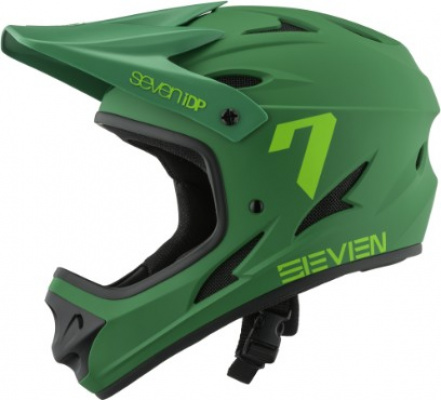
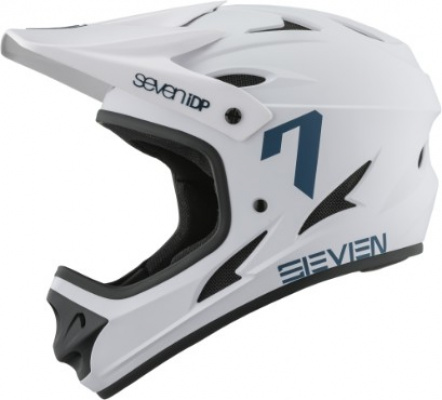
The Project 23 range uses three distinct shell constructions, and the differences matter more than just weight on the scales. The carbon full face version is the flagship - stiff, light, and the fastest to transfer and disperse impact energy across the shell before it reaches your head. The fiberglass shell model sits in the middle: still notably lighter than the ABS version, with a flex characteristic that many riders find absorbs sharp edge impacts well. The ABS option is the most accessible price point and adds a bit of heft, but it shares the same certified protection architecture as its more expensive siblings.
Inside all three, you get a dual-density liner pairing EPS foam - which handles the initial high-energy crush - with EPP impact foam that manages repeated or lower-velocity hits. That matters in enduro, where a single long stage can involve multiple small strikes before the big one. Layered on top of the foam system is S.E.R.T technology (Seven Energy Reduction Technology), 7Protection's slip-plane approach that allows a thin layer within the helmet to move independently on oblique impacts. Rotational forces are a significant factor in concussion risk, and S.E.R.T addresses that in a similar way to MIPS - a low-friction plane between shell and liner that lets the helmet rotate slightly while your head doesn't. If you're weighing up alternatives, Leatt full face helmets use their own Turbine rotational system, while Fox full face helmets offer MIPS-equipped options across similar price brackets - both solid points of comparison when you're deciding which protection philosophy works for you.
All Project 23 models carry downhill certified ratings, so they meet the same safety standard whether you're buying carbon or ABS. The certification isn't tiered by price. That's worth knowing.
Getting the Fit Right Across the 7Protection Range
Measure your head circumference just above your eyebrows - that's the number that matters, not your usual hat size or a rough guess. 7Protection helmets generally run true to size, but if your measurement lands right on the boundary between two sizes, go up. A full face that's a fraction too snug will create pressure points across a long enduro day, and that discomfort compounds fast when you're four stages in and the trail isn't getting any easier.
The Fidlock magnetic buckle closure is one of those details that sounds like a minor convenience until you've used it with winter gloves on. One-handed, half-fumbling, you click it shut without looking. That's genuinely useful at a busy start gate or when you're moving quickly between uplift runs. The strap system overall is well-considered - no excessive bulk under the chin, which helps with goggle compatibility on tracks where mud clearance and seal quality matter.
Speaking of which, goggle fit is clean across the Project 23 line. The frame geometry accommodates most standard MTB goggles without gap issues, which is relevant on wet Scottish or Welsh descents where a poor seal invites mud into places it shouldn't be. If you want to see the full breadth of 7Protection protective gear - including 7Protection body armour and 7Protection knee pads to match - it's worth browsing the wider range for a coordinated protection setup.
Not every rider needs a full face, of course. If you're after something for trail riding or less aggressive descending, the full 7Protection helmets range includes open-face and trail options worth considering alongside these gravity-focused lids.
Ventilation and Why It Matters on UK Trails
Twenty-three vents sounds like a marketing number until you're grinding up a steep Brecon Beacons fire road in August with humidity sitting somewhere around "sauna". The Project 23's ventilation architecture isn't just vent count - the channels are shaped to pull air through the EPS liner and exhaust heat out the rear, which keeps airflow moving even at low pedalling speeds. That's the critical bit for winch-and-plummet riding, where you're not generating the forward speed to force air through passively.
Goggle fogging is a real problem in those conditions, and the venting helps maintain a slight positive pressure that resists misting. It won't solve a poorly-fitted goggle, but with a decent seal it makes a meaningful difference compared to more restrictive downhill mountain bike helmets that prioritise aerodynamics over breathability.
The CRV crash release visor deserves specific mention here. On a wet, rooty descent - the kind of thing you find on Scottish enduro stages where the ground doesn't drain and everything is covered in a film of organic matter - a visor that locks rigidly in place under impact becomes a lever arm against your neck. The CRV is engineered to detach cleanly at a calibrated force threshold, shedding rotational energy before it loads your cervical spine. It re-attaches after a crash, so it's not a single-use sacrifice. For comparison, Troy Lee Designs full face helmets use a similar breakaway visor approach, but the CRV's calibration is specifically tuned around 7Protection's own shell geometries. Pair your lid with 7Protection gloves and you've got a cohesive setup from a brand that clearly thinks about how the pieces work together under pressure.
7protection Full Face Helmets FAQs
Are 7Protection full face helmets true to size?
Generally, yes - but measure your head circumference just above the eyebrows rather than guessing from a hat size. If your measurement falls between two sizes, go up. A slightly generous fit avoids pressure points on longer enduro rides, and you can dial things in with the padding if needed.
What is the difference between the Project 23 Carbon, Glassfibre, and ABS?
Weight and price, essentially. The carbon shell is lightest and stiffest; glassfibre sits in the middle; ABS is the most affordable but adds noticeable grams. Crucially, all three share the same 23-vent airflow system, S.E.R.T rotational protection, CRV visor, and downhill safety certification. You're not buying less protection at the lower price point.
Are 7Protection full face helmets suitable for enduro riding?
Yes, the Project 23 range was developed with enduro demands in mind. The 23-vent system means you won't cook on technical climbs, while the downhill certification means you're properly covered on the descents. The Fidlock buckle and goggle-friendly frame geometry are both practical enduro details rather than bike park add-ons.