
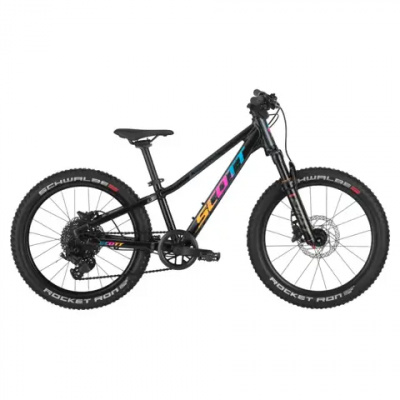
Scott Scale 200
Light, tough, and confidence-inspiring: the first proper mountain bike that teaches skills and stokes enthusiasm.
- Lightweight alloy frame: easy to handle, builds confidence fast
- Tektro hydraulic discs: strong stopping with less hand effort
- Rigid fork keeps weight low, teaches proper handling
- 7-speed Shimano drivetrain: simple, reliable, low-maintenance
- Kid-specific geometry: stable, controlled, comfortable fit
- 20-inch wheels suit riders roughly 115 - 125 cm tall
Scott Scale 200 Deals
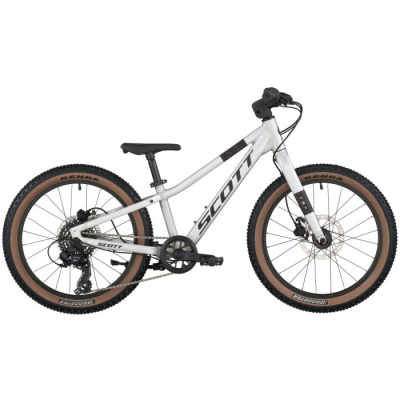
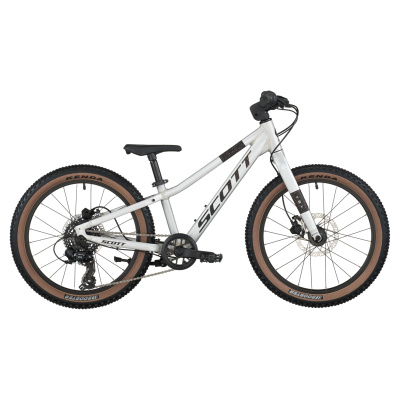
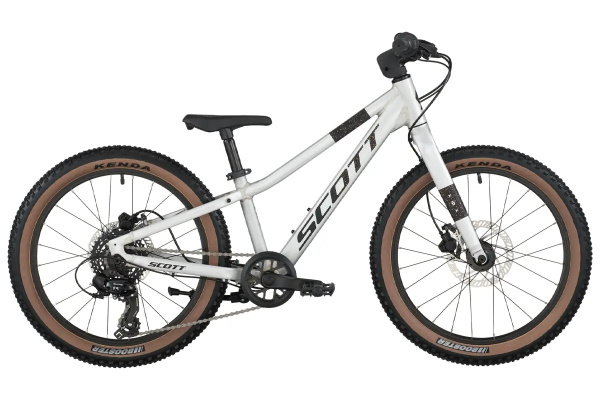
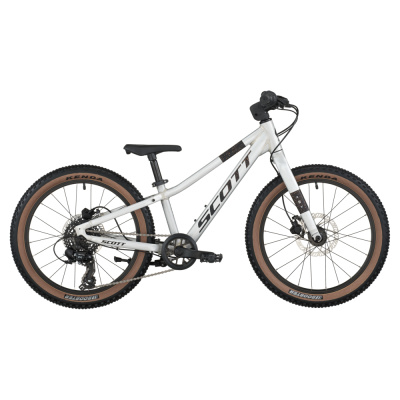
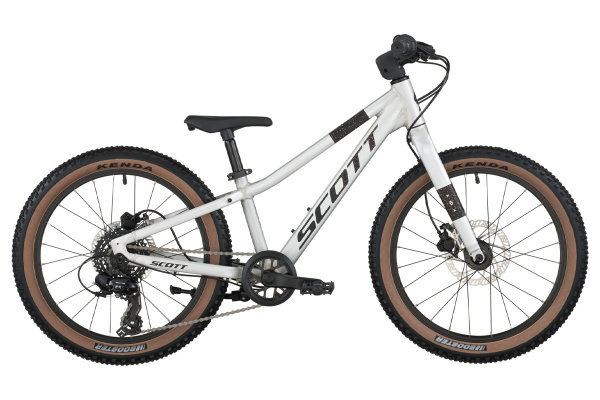

Prices and availability can change quickly. Delivery charges are not always included in listed prices.
Final price, stock status and delivery terms are set by retailer. We may receive a commission on purchases made.
Bikesy's Verdict
The Scott Scale 200 is the first proper mountain bike that won't frustrate a keen young rider. It's light enough to handle easily, tough enough to survive the inevitable tumbles, and equipped well enough - hydraulic brakes, kid-specific geometry, reliable drivetrain - that it gets out of the way and lets them focus on the fun. The rigid fork teaches proper line choice and bike control faster than any suspension fork, and the stable, confidence-inspiring ride makes exploration feel natural rather than daunting.
It's not the lightest or most feature-packed kids' bike on the market, but it's one of the most well-rounded. If your child is ready to move beyond balance bikes and basic single-speeds, and you want something that'll handle the school run, weekend bridleway loops, and tentative trail centre laps without complaint, the Scale 200 delivers. It's a tool for building skills and stoking enthusiasm, and that's worth more than any component upgrade.
Pros
- Light enough for young riders to handle confidently and manoeuvre easily
- Tektro hydraulic discs offer strong, predictable stopping with minimal hand effort
- Kid-specific geometry promotes stability, control, and proper riding posture
- Durable 6061 alloy frame withstands the rigours of enthusiastic young riders
- Rigid fork teaches line choice and bike handling while keeping weight low
Cons
- Rigid fork transmits bumps directly if your child is riding rougher, rockier trails regularly
- 7-speed drivetrain may feel limited on steep sustained climbs in hilly terrain
- Heavier than some boutique kids' bikes if you're chasing the absolute lightest option
About the Scott Scale 200
The Scale 200 is Scott's answer to a question every parent asks: what's the first proper mountain bike that won't hold my child back? Built around a custom-tubed 6061 alloy frame and rolling on 20-inch wheels, it's light enough for a seven-year-old to wrestle onto the car rack yet tough enough to survive the sort of treatment only young riders can dish out. Hydraulic disc brakes and a rigid fork might sound like odd bedfellows, but together they deliver predictable stopping and a direct connection to the trail that teaches bike control faster than any suspension fork ever could.
At 8.8 kilograms the Scale 200 punches well below its weight class, and you feel that advantage the moment your child swings a leg over. The geometry is drawn specifically for younger bodies - shorter reach, taller stack, narrower bars - so they're not wrestling an adult bike shrunk down. It's a proper tool for learning, whether that's navigating the school run, exploring bridleways at the weekend, or tackling the first tentative laps of a local trail centre.
This isn't a toy with knobblies bolted on. The Scale 200 shares its DNA with Scott's full-size hardtails, from the semi-integrated headset to the disc-specific hubs, and it shows in the way it rides. Confidence grows fast when the bike beneath you responds predictably, and that's the real gift here: a machine that gets out of the way and lets young riders focus on the fun.
Scott Scale 200 geometry
Scott's drawn the Scale 200 around a single frame size tailored to riders between roughly 115 and 125 centimetres tall - typically five to eight years old, though every child grows at their own pace. The proportions favour stability over aggression: the head angle is relaxed enough to inspire confidence on descents without feeling sluggish on the flat, and the seat tube angle sits the rider forward just enough to keep weight over the pedals when the gradient kicks up.
Reach and stack are dialled for shorter torsos and arms, so your child isn't stretched out like a time-triallist or cramped into a tuck. The 540-millimetre handlebar is narrow enough for small hands to grip comfortably, and the 50-millimetre stem keeps the front end responsive without twitchiness. When you pair that with a low standover height, mounting and dismounting becomes second nature - critical when nerves are high or the trail suddenly narrows.
The wheelbase strikes a sweet spot between nimble and planted. It's short enough to dart through tight singletrack and long enough to hold a line when the surface gets loose or rutted. Bottom bracket height is modest, lowering the centre of gravity and making the bike feel stable rather than tippy, which matters when you're still learning to weight and unweight through corners. The result is a riding position that feels natural from the first pedal stroke, encouraging exploration rather than caution.
Component choices & upgrades
The stock build on the Scale 200 is already well sorted for its intended audience. Shimano's 7-speed drivetrain - a Tourney rear mech paired with a SunRace 11 - 34-tooth cassette - covers everything from gentle climbs to flat-out sprints on the playground tarmac. The Revo twist shifter is intuitive for small hands still mastering grip strength, and the single chainring up front eliminates the confusion (and chain drops) that come with a front mech.
Tektro's HD-M276 hydraulic brakes are the real standout. They require far less hand force than cable-actuated stoppers, which means your child can modulate speed confidently rather than grabbing fistfuls of lever in a panic. The 160-millimetre rotors front and rear offer plenty of power without being overkill, and the system is low-maintenance enough that you won't be bleeding lines every other weekend.
Kenda's K1227 Booster tyres in 20×2.2-inch are a sensible all-rounder: enough tread to bite on dirt and grass, enough volume to smooth out bumps, and a casing that won't puncture the first time your child rides through a thorn patch. If they're spending more time on tarmac than trails, a faster-rolling slick will drop rolling resistance and add a few kilometres per hour. Conversely, if proper off-road riding becomes the norm, a more aggressive tread pattern will add grip in mud and loose gravel.
The rigid AL-6061 fork keeps weight down and feedback high, but if your child is progressing onto rockier trails and you want to smooth the ride, the Scott Scale RC 200 - a step up in the range - comes with a short-travel suspension fork. For most young riders, though, the rigid fork is a better teacher: it forces them to read the trail, choose lines, and use their legs as suspension, skills that pay dividends when they eventually move to a bigger bike.
Grips, saddle, and pedals are all sized for smaller bodies, and there's little need to swap them unless fit becomes an issue. The Syncros saddle is firm but not punishing, and the junior grips are narrow enough to suit small palms. If your child is racing or riding longer distances, a set of lightweight flat pedals with better pins will improve foot security, but the stock reflector-equipped pedals are perfectly adequate for general riding.
Where the Scott Scale 200 excels
The Scale 200 is outstanding as a first proper mountain bike for young riders who've outgrown balance bikes and basic single-speeds. It's light enough to manoeuvre easily, robust enough to survive the inevitable tumbles, and equipped well enough that it won't hold back a child who's keen to explore. The hydraulic brakes and kid-specific geometry make it a confidence-builder, and that's worth more than any component upgrade.
It handles a broad range of riding well: the school run, weekend bridleway loops, mellow singletrack at trail centres, and even the odd BMX track session. The rigid fork and efficient drivetrain mean it pedals quickly on the flat and climbs without drama, while the stable geometry and decent tyres inspire trust when the trail points downhill or the surface turns loose.
Where it's not ideal is on genuinely rough or technical terrain. The rigid fork transmits every bump straight to the bars, and while that's a useful teaching tool, it can be fatiguing on longer rides over roots and rocks. The 7-speed drivetrain, though reliable, doesn't offer the range for steep sustained climbs if your child is riding in genuinely hilly country. And while the Scale 200 is light for a kids' bike, it's still heavier than some boutique options - though those often cost twice as much.
This is a bike for building skills and stoking enthusiasm, not for podium finishes at national-level races. If your child is already competing seriously, the Scale RC 200 or a dedicated race hardtail will serve them better. But for the vast majority of young riders - those who want to ride with friends, explore new trails, and maybe discover a lifelong love of cycling - the Scale 200 hits the mark.
Scott Scale 200 FAQs
What is the best age for a 20-inch bike?
A 20-inch wheel bike typically suits children aged five to eight, though height is a better guide than age. If your child is between 115 and 125 centimetres tall, a 20-inch wheel will likely fit well, but always check standover height and reach to ensure they can touch the ground comfortably and reach the bars without stretching.
Is a rigid fork good for a kids' mountain bike?
Yes, especially for younger or less experienced riders. A rigid fork is lighter, simpler, and more direct than suspension, which helps children learn proper line choice and body positioning. It also requires less maintenance and won't sag or need servicing. Once they're riding rougher trails regularly, a suspension fork becomes more beneficial.
How much should a kids' mountain bike weigh?
A good kids' mountain bike should weigh between 8 and 10 kilograms for a 20-inch wheel model. The Scale 200's 8.8 kilograms is competitive, making it easier for young riders to handle, lift, and control. Lighter is generally better, but not at the expense of durability or safety.
Are hydraulic disc brakes necessary on a kids' bike?
They're not strictly necessary, but they're a significant advantage. Hydraulic discs require far less hand force to operate than cable-actuated brakes, which means children can stop confidently and modulate speed more easily. That builds safer habits and reduces the risk of grabbing too hard in a panic.
What size bike does a 7-year-old need?
Most seven-year-olds will fit a 20-inch wheel bike, though some taller children may be ready for a 24-inch wheel. Measure your child's height and inseam, then check the manufacturer's size chart. The Scale 200 is designed for riders between 115 and 125 centimetres, which covers the typical seven-year-old range.
How do I choose the right Scott bike size for my child?
Start with height: Scott's kids' bikes are sized by wheel diameter (16, 20, 24, 26 inches) rather than frame size. Check the recommended height range for each model, then have your child sit on the bike to confirm they can touch the ground with both feet and reach the bars comfortably. Standover clearance and reach matter more than age or wheel size alone.
Key Features & Benefits
- Lightweight 6061 alloy frame with custom tubing: Easy for young riders to control, lift, and manoeuvre, building confidence and reducing fatigue on longer rides
- Tektro HD-M276 hydraulic disc brakes with 160 mm rotors: Powerful, predictable stopping with far less hand effort than cable brakes, helping children brake safely and smoothly
- Rigid AL-6061 fork: Keeps weight low and provides direct trail feedback, teaching proper line choice and body positioning without maintenance hassle
- Kid-specific geometry and 540 mm handlebar: Proportions tailored to shorter torsos and arms ensure a comfortable, stable riding position that encourages exploration
- Shimano 7-speed drivetrain with Revo twist shifter: Simple, reliable gearing that's intuitive for small hands and covers a broad range of terrain without complexity
Scott Scale 200 2025 differences
The 2025 Scott Scale 200 shares the same core specification as the 2026 model: the same 6061 alloy frame, Tektro HD-M276 hydraulic disc brakes, Shimano 7-speed drivetrain, and rigid AL-6061 fork. Component choices - Kenda K1227 Booster tyres, Syncros saddle and grips, Formula hubs - are identical across both years. In practical terms, the 2025 and 2026 models are the same bike, with no meaningful changes to geometry, weight, or equipment. If you're choosing between the two, pick whichever is more readily available or better priced; the riding experience will be indistinguishable.
Alternatives to Consider
Within Scott's own kids' range, the Scott Scale RC 200 is the natural step up: it adds a short-travel RST suspension fork and a 9-speed Microshift drivetrain, making it better suited to rougher trails and more experienced young riders. If your child is still finding their feet or riding mostly on smoother surfaces, the standard Scale 200 is the smarter choice. For younger or smaller riders, the Scott Contessa 20 offers a similar alloy frame and hydraulic brakes but with slightly different geometry and styling aimed at a broader audience.
Cross-brand, the Specialized Jett 20 is a close peer: it shares the Scale 200's lightweight alloy frame and hydraulic disc brakes, though it often comes with a slightly more aggressive tyre and a marginally lower weight. The Trek Wahoo 20 is another strong contender, offering a similar 7-speed drivetrain and rigid fork but with Trek's Alpha aluminium frame and a slightly more upright riding position. For a more premium option, the Woom 5 is lighter still - around 7.5 kilograms - thanks to its focus on weight-saving components, though it typically costs more and uses V-brakes rather than hydraulics. The Frog 55 is another lightweight alternative with a reputation for excellent geometry and durability, though it also tends to favour rim brakes over discs. Finally, the Orbea Grow 2 offers an adjustable frame that extends the bike's usable lifespan as your child grows, paired with hydraulic brakes and a rigid fork, making it a practical long-term investment.
Each of these bikes brings slightly different priorities - weight, adjustability, component spec, or geometry - but the Scale 200 sits comfortably in the middle of the pack, offering a well-rounded package that balances performance, durability, and value without requiring you to choose between them.
Reviews
Lightweight alloy construction and kid-specific proportions make the Scale 200 easy to handle from the first ride. The frame feels planted without being sluggish, and the rigid fork delivers direct feedback that helps young riders read the trail and choose lines rather than relying on suspension to smooth mistakes. When the path tilts downhill or the surface turns loose, the stable geometry and low centre of gravity inspire trust.
Tektro's hydraulic brakes are a genuine highlight. They require far less hand force than cable-actuated stoppers, which means children can modulate speed confidently rather than grabbing fistfuls of lever in a panic. Stopping power is strong and predictable, and the system holds up well to the sort of treatment young riders dish out. Because the brakes work so reliably, confidence grows fast.
Shimano's 7-speed drivetrain covers a broad range without overwhelming small hands. The Revo twist shifter is intuitive, and the 11 - 34-tooth cassette handles everything from gentle climbs to flat-out sprints on tarmac. It's not the widest range, but it's more than adequate for the terrain most young riders will tackle. Chain retention is solid, and the single chainring up front eliminates the confusion that comes with a front mech.
Kenda's K1227 Booster tyres offer decent grip on dirt and grass without feeling draggy on the road. They're not the most aggressive tread, but that's deliberate: the Scale 200 is designed for versatility, and these tyres deliver it. If your child is spending more time on proper singletrack, a more aggressive tread will add bite, but the stock rubber is a sensible starting point.
At 8.8 kilograms the Scale 200 is light enough for young riders to wrestle onto the car rack and manoeuvre confidently on the trail. It's not the lightest kids' bike available, but it's competitive, and the weight is well distributed. The rigid fork keeps the front end lively, and the low standover height makes mounting and dismounting second nature. Worth it if you want a bike that builds skills and enthusiasm without holding your child back.
Full Specification
| Spec | Value |
|---|---|
| Frame Material | Alloy 6061 |
| Frame Design | KIDS20 aluminum frame with custom tubing and semi-integrated cartridge bottom bracket |
| Frame Features | Disc brake mounts, semi-internal cable routing, standard dropouts |
| Bottom Bracket | Feimin BB68 cartridge square taper |
| Rear Axle | Formula 5x135mm |
| Fork | AL-6061 rigid fork with IS mount |
| Drivetrain | 7-speed Shimano |
| Shifters | Shimano SL-RV300-7R Revo shift control |
| Rear Derailleur | Shimano RD-TY300 7-speed |
| Crankset | Prowheel alloy with double chain guard |
| Crank Length | 114 mm |
| Cassette | SunRace CSM40 7-speed 11 - 34T |
| Chain | KMC Z7 |
| Brakes | Hydraulic disc |
| Brake Levers | Tektro HD-M276 |
| Calipers | Tektro HD-M276 |
| Rotors (Front) | 160 mm |
| Rotors (Rear) | 160 mm |
| Rims | Black anodized alloy disc specific |
| Hubs (Front) | Formula 5x100mm 24H 6-bolt disc mount |
| Hubs (Rear) | Formula 5x135mm 24H 6-bolt disc mount |
| Spokes | 15G UCP black |
| Tyres (Front) | Kenda K1227 Booster 20x2.20 30 TPI |
| Tyres (Rear) | Kenda K1227 Booster 20x2.20 30 TPI |
| Handlebar Width | 540 mm |
| Handlebar Rise | 20 mm |
| Handlebar Clamp Diameter | 19 mm grip diameter |
| Stem Length | 50 mm |
| Stem Angle | +10° |
| Stem Clamp Diameter | 25.4 mm |
| Grips | SYNCROS junior 100/80 |
| Headset | Feimin 48/28.6/44/30.0 semi-integrated |
| Seatpost Diameter | 27.2 mm |
| Saddle | SYNCROS KIDS III |
| Pedals | Children's pedals with reflectors |
| Weight (Approx) | 8.8 kg |