
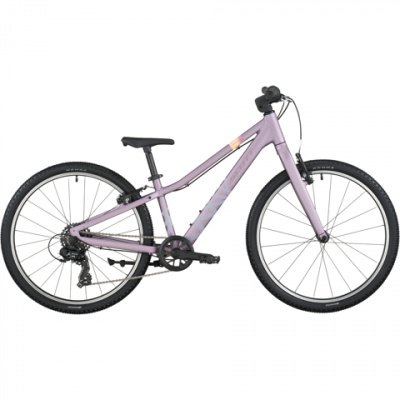
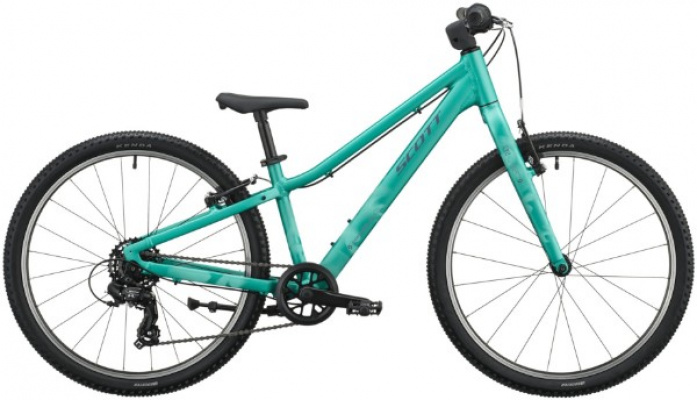
Scott Contrail 400
Light, tough, and simple - a first proper mountain bike that builds confidence and survives the school run.
- Lightweight 8.9 kg alloy frame for easy handling
- Kid-specific geometry builds confidence and control
- Shimano 7-speed drivetrain tackles varied terrain
- Tektro V-brakes sized for smaller hands
- Kenda tyres grip trails and tarmac alike
- Rigid fork keeps weight low, maintenance simple
Scott Contrail 400 Deals
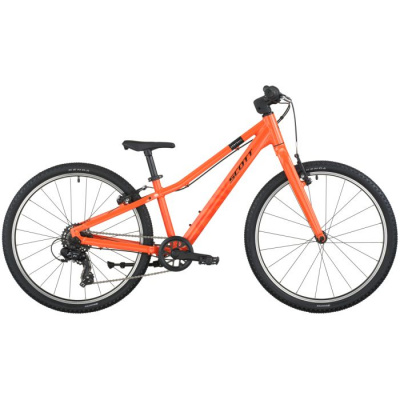
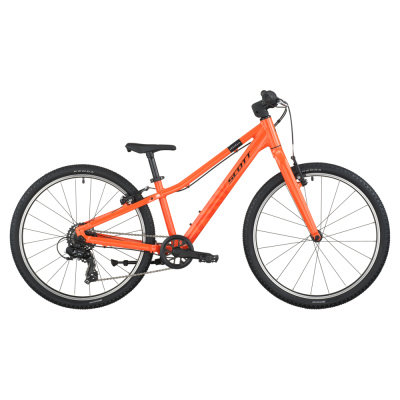

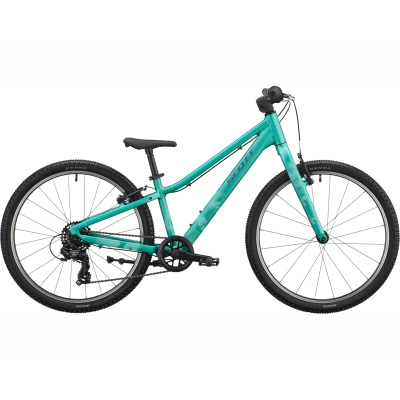
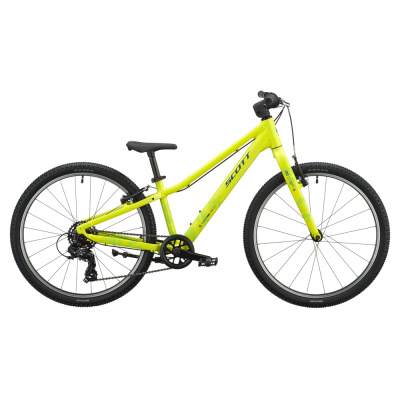
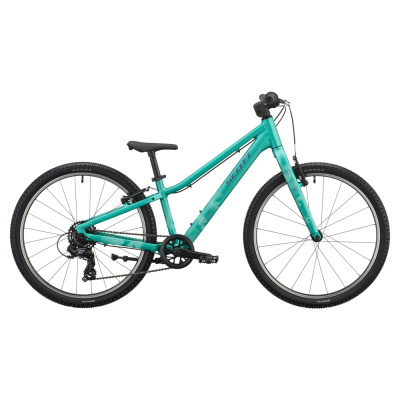
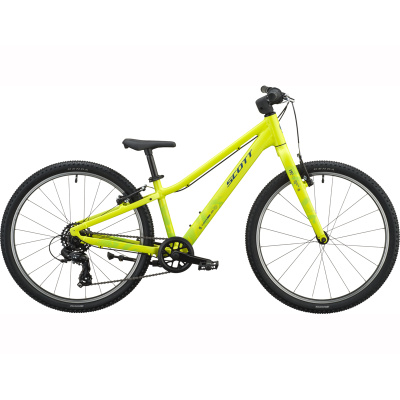
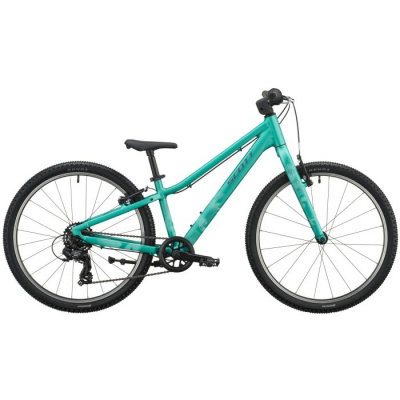
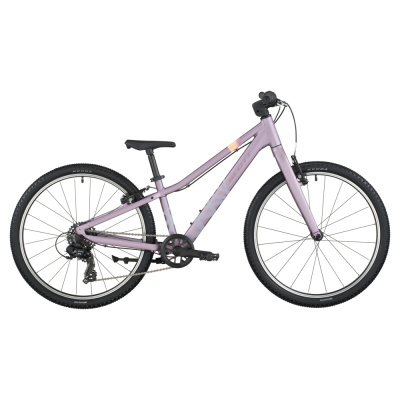
Prices and availability can change quickly. Delivery charges are not always included in listed prices.
Final price, stock status and delivery terms are set by retailer. We may receive a commission on purchases made.
Bikesy's Verdict
The Contrail 400 nails the brief: it's light, tough, and simple enough that young riders can focus on having fun rather than wrestling a heavy, complicated machine. At 8.9 kilograms, it's genuinely easy for a child to handle, and the kid-specific geometry and components mean it fits properly and inspires confidence from the first ride. The Shimano seven-speed drivetrain and Tektro V-brakes are reliable and low-maintenance, and the rigid fork keeps weight down and complexity out of the equation.
It's not a bike for serious off-road racing or technical trails - the lack of suspension and the V-brakes' wet-weather limitations see to that - but for school runs, park paths, and light trail exploration, it's hard to fault. If you want a first proper mountain bike that'll survive the inevitable tumbles, encourage skill development, and not spend half its life in the workshop, the Contrail 400 delivers. Your child will outgrow it before they outride it, and that's exactly as it should be.
Pros
- Impressively light at 8.9 kg - easy for young riders to handle and control
- Kid-specific geometry and components build confidence without overwhelming
- Durable Alloy 6061 frame survives school runs and light trail abuse
- Shimano seven-speed drivetrain offers enough range for varied terrain
- Simple, low-maintenance V-brakes and rigid fork keep running costs down
Cons
- Rigid fork transmits bumps directly - less comfortable on rough trails than suspended alternatives
- V-brakes lose power in wet conditions if you're tackling steep descents
- Mid-range components are reliable but not as refined as higher-tier groupsets if your child races
About the Scott Contrail 400
The Contrail 400 is Scott's answer to the question every parent with a keen young rider asks: can a kids' bike actually be light, tough, and fun to ride without costing the earth? Built around an Alloy 6061 frame that tips the scales at just 8.9 kilograms complete, this 24-inch-wheeled machine is designed for riders from around 125 centimetres tall - typically eight to eleven years old - who've outgrown stabilisers and are ready to explore beyond the back garden. It's a proper mountain bike in miniature, with geometry and components scaled to suit smaller bodies and shorter attention spans, yet it's robust enough to survive the school run, the local woods, and everything in between.
What sets the Contrail 400 apart is its focus on the fundamentals. There's no suspension fork adding weight and complexity, no disc brakes demanding bleed kits and patience. Instead, you get a rigid alloy fork, dependable Tektro V-brakes with levers sized for little hands, and a Shimano seven-speed drivetrain that offers enough range to spin up gentle climbs without overwhelming a novice shifter. The result is a bike that feels nimble and responsive, encourages exploration, and won't spend half its life in the workshop. It's the sort of machine that lets young riders build skills and confidence without fighting the bike itself.
We've spent time examining the Contrail 400 at expos and in showrooms, and the attention to detail is clear. The narrow Q-factor crankset, the 540-millimetre-wide riser bar, the Syncros grips - all are proportioned to suit a child's physique. The frame's custom tubing keeps weight down without sacrificing durability, and the semi-integrated headset and Post Mount rear dropout are proper grown-up standards, not toy-bike shortcuts. This is a bike that respects its rider, however small.
Scott Contrail 400 geometry
Scott doesn't publish a full geometry chart for the Contrail 400, but the frame's design philosophy is clear: upright, stable, and confidence-inspiring. The single-size frame is built around 24-inch wheels and a kid-specific layout that prioritises easy handling over outright speed. The riser bar - 540 millimetres wide with 20 millimetres of rise - puts the rider in a comfortable, slightly upright position that makes steering intuitive and reduces fatigue on longer rides. Paired with a short 50-millimetre stem, the cockpit feels quick and responsive without being twitchy, so young riders can navigate tight corners and technical sections without feeling overwhelmed.
The rigid fork keeps the front end predictable and the overall weight low, which matters more on a kids' bike than you might think. There's no fork dive under braking, no sag to manage, and no need to explain compression damping to an eight-year-old. The trade-off is less comfort on rough ground, but for the Contrail 400's intended use - school runs, park paths, and light trails - the simplicity and low weight are worth it. The bike's stable wheelbase and relaxed angles mean it tracks straight on gravel and doesn't punish small mistakes, so riders can focus on having fun rather than wrestling the handlebars.
The 27.2-millimetre seatpost offers plenty of adjustment, and the upright riding position means young riders can see what's ahead and react in time. It's a geometry that builds confidence, not one that demands it.
Component choices & upgrades
The Contrail 400's stock build is well-judged for its audience. The Shimano Tourney seven-speed drivetrain - controlled by a twist-grip Revo shifter - offers a 12-28T or 12-32T cassette (sources vary) paired with a 28T or 30T chainring. That's enough range to spin up moderate climbs and cruise on the flat without overwhelming a rider who's still learning to shift smoothly. The KMC Z7 chain is durable and easy to maintain, and the Prowheel alloy crankset's narrow Q-factor and 130-millimetre arms are sized to suit shorter legs. There's even a chainguard to keep trousers clean and fingers safe.
The Tektro V-brakes - TS325A levers and Tektro callipers - are simple, reliable, and easy for small hands to operate. They won't match the power or modulation of hydraulic discs, but for a bike this light and a rider this size, they're more than adequate. The Kenda K1227 Booster tyres, at 24 by 1.75 inches, offer a good balance of grip and rolling speed on tarmac, gravel, and dry trails. The alloy rims are V-brake compatible and anodised black, and the Formula hubs - 20-hole front, 24-hole rear - are straightforward and serviceable.
Upgrades? Honestly, most young riders will outgrow this bike before they outride it. If your child is particularly keen or the local trails are especially rough, you might consider swapping the Kenda tyres for something with a more aggressive tread - though the stock rubber is versatile enough for most scenarios. A set of fresh brake pads when the originals wear out will keep stopping power sharp, and a basic service schedule (chain lube, brake adjustment, tyre pressure checks) will keep the bike running smoothly. Beyond that, save your money for the next size up.
Where the Scott Contrail 400 excels
The Contrail 400 is outstanding at being a first proper mountain bike. It's light enough for a child to manoeuvre confidently, tough enough to survive the inevitable tumbles and rough treatment, and simple enough that basic maintenance won't require a degree in mechanical engineering. It excels on school runs, park paths, and light trails - anywhere a young rider wants to explore without being held back by a heavy, clunky machine. The upright position and stable geometry make it easy to control, and the seven-speed drivetrain offers enough range to tackle gentle climbs without forcing a rider to grind up hills in too high a gear.
It's also excellent for building skills. The rigid fork and V-brakes teach young riders to read the trail ahead and brake smoothly, rather than relying on suspension and hydraulic power to mask mistakes. The bike's light weight means it's easy to lift over obstacles, and the responsive handling encourages experimentation with line choice and cornering technique. It's a bike that rewards effort and builds confidence, not one that does all the work for you.
Where it's not ideal: serious off-road riding. The rigid fork and V-brakes are fine for smooth trails and light gravel, but on rough, rooty, or rocky terrain, the lack of suspension will rattle young riders and slow them down. Wet or muddy conditions will also test the V-brakes' limits - rim brakes lose power when wet, and small hands may struggle to generate enough force on steep descents. If your child is racing or tackling genuinely technical trails, you'll want a bike with a suspension fork and disc brakes. But for the vast majority of young riders, the Contrail 400's simplicity and light weight are far more valuable than extra features they don't yet need.
Scott Contrail 400 FAQs
What is the maximum weight limit for the Scott Contrail 400?
Scott doesn't publish a specific weight limit for the Contrail 400, but as a kids' bike built around an Alloy 6061 frame and standard components, it's designed for riders up to around 50 kilograms. Beyond that, you're better off looking at adult-sized bikes with stronger wheels and more robust components.
Is the Scott Contrail 400 suitable for off-road trails?
Yes, for light trails and gravel paths. The Kenda tyres offer decent grip, and the stable geometry inspires confidence on unpaved surfaces. However, the rigid fork and V-brakes mean it's not ideal for rough, technical terrain or steep descents - those demand suspension and more powerful brakes.
What is the difference between the Scott Contrail 200 and 400?
The Contrail 200 runs 20-inch wheels and is aimed at younger, smaller riders, while the 400 uses 24-inch wheels and suits children aged eight to eleven. The 400 also typically features a slightly wider gear range to suit longer rides and more varied terrain.
Does the Scott Contrail 400 come with pedals?
Yes, it comes with kids' pedals fitted with reflectors. They're basic platform pedals designed for everyday use, and they're perfectly adequate for learning and exploring. If your child progresses to clipless pedals, they're easy to swap out.
How heavy is the Scott Contrail 400?
The complete bike weighs 8.9 kilograms, which is impressively light for a kids' mountain bike. That low weight makes it easy for young riders to handle, lift, and control, and it's a key reason the Contrail 400 feels so nimble and responsive.
What size rider is the Scott Contrail 400 best for?
It's designed for riders from around 125 centimetres tall, typically aged eight to eleven years. The single-size frame and adjustable seatpost offer a decent range of fit, but if your child is significantly taller or shorter, you'll want to look at the Contrail 200 (smaller) or an adult-sized bike (larger).
Can you put different tyres on the Scott Contrail 400?
Yes, the 24-inch wheels and V-brake-compatible rims accept a wide range of 24-inch tyres. If you want more grip for muddy trails or a slicker tread for tarmac, swapping tyres is straightforward and a good way to tailor the bike to your child's riding style.
Key Features & Benefits
- Lightweight 8.9 kg Alloy 6061 frame: Young riders can manoeuvre, lift, and control the bike confidently without fighting excess weight
- Kid-specific geometry and narrow Q-factor crankset: Comfortable, intuitive handling that suits shorter legs and smaller bodies, reducing fatigue and building skills
- Shimano seven-speed Tourney drivetrain with Revo shifter: Enough gear range to tackle climbs and flats without overwhelming a novice shifter, encouraging exploration
- Tektro V-brakes with child-sized levers: Reliable, easy-to-operate stopping power that small hands can control, with simple maintenance
- Rigid alloy fork and straightforward build: Low weight, predictable handling, and minimal maintenance - no suspension setup or hydraulic bleeds required
Scott Contrail 400 2025 differences
The 2025 model shares the same core specification as the 2026 release, with one minor variation: some 2025 listings specify a 12-28T cassette, while 2026 sources more commonly cite a 12-32T range. The wider cassette offers a slightly easier climbing gear, though the difference is marginal for the bike's intended use. Frame design, geometry, and component choices - Shimano Tourney drivetrain, Tektro V-brakes, Kenda tyres, and Alloy 6061 construction - remain consistent across both years. Earlier mentions of a 2022 model confirm the platform has been stable for several seasons, with only minor spec tweaks rather than wholesale redesigns.
Alternatives to Consider
Within Scott's own range, the Contrail 200 is the obvious step-down: it shares the same design philosophy but runs 20-inch wheels and suits younger, smaller riders. If your child has outgrown the 200 or is ready for 24-inch wheels, the 400 is the natural progression. Scott doesn't offer a direct step-up in the Contrail line, so once your rider outgrows the 400, you're looking at adult-sized hardtails like the Scott Scale 970 or Scott Aspect 960, which bring larger wheels, more sophisticated drivetrains, and suspension forks.
Cross-brand, the Specialized Jett 24 is a close peer: it's similarly lightweight, runs 24-inch wheels, and focuses on simplicity and durability for young riders. The Trek Wahoo 24 is another solid option, offering a comparable spec with a slightly different frame design and component mix. Frog Bikes MTB 62 is worth considering if you prioritise ultra-low weight and kid-specific ergonomics - Frog's bikes are often lighter still, though they can be harder to find. The Woom OFF 5 is another lightweight contender, with a focus on intuitive handling and quality components, though it typically commands a higher price. Finally, the Giant XTC Jr 24 offers a more aggressive, race-oriented geometry if your child is already chasing podiums rather than just exploring trails. Each of these bikes shares the Contrail 400's core mission - getting young riders out and riding - but with subtle differences in weight, geometry, and component spec that suit different priorities and budgets.
Reviews
Lightweight construction and thoughtful component choices define the ride. At 8.9 kilograms, the Contrail 400 feels nimble in young hands, and that low weight translates directly into confidence - riders can steer, brake, and recover from mistakes without fighting the bike. The upright position and stable geometry make it easy to read the trail ahead, and the short stem keeps steering responsive without feeling nervous. When you're eight years old and still learning to judge braking distances, that predictability matters.
Shimano's Tourney drivetrain shifts reliably enough for its audience. The Revo twist-grip is intuitive - no fumbling with thumb levers - and the seven-speed range offers enough gears to spin up gentle climbs without forcing a grind. We appreciate the narrow Q-factor crankset and 130-millimetre arms, which suit shorter legs and reduce the splayed-knee pedalling you see on poorly proportioned kids' bikes. The chainguard is a practical touch, keeping trousers clean and fingers safe.
Tektro's V-brakes deliver adequate stopping power for the bike's weight and intended use. Small hands can operate the levers comfortably, and the brakes are easy to adjust and maintain - no hydraulic bleeds or rotor truing required. In dry conditions on moderate descents, they're more than sufficient. Wet weather or steep trails will expose their limits, but for the Contrail 400's core audience, simplicity trumps outright power.
Because the fork is rigid, every bump and rut comes straight through to the rider. On smooth tarmac and well-groomed trails, that's no issue - the bike feels efficient and direct. On rougher ground, younger riders will feel the chatter, and longer rides over broken surfaces can become tiring. The Kenda tyres grip well on dry trails and gravel, though they're not aggressive enough for muddy or loose conditions. Swapping to a knobbier tread is straightforward if your local terrain demands it.
Full Specification
| Spec | Value |
|---|---|
| Frame Material | Alloy 6061 |
| Frame Design | KIDS24 V-Brake, custom tubing, semi-integrated headset (CBR), SCOTT dropout, Post Mount (PM) |
| Bottom Bracket | Feimin BB68, cartridge, square taper |
| Rear Axle | Formula RB32-7QR, 5x135mm |
| Fork | AL6061 rigid fork, V-Brake compatible |
| Drivetrain | 7-speed |
| Shifters | Shimano SL-RV300-7R, Revo Shifter |
| Rear Derailleur | Shimano Tourney RD-TY300, 7 Speed |
| Crankset | Prowheel Alloy Crank, 130mm arm length |
| Chainring | 28T or 30T |
| Cassette | Shimano CS-HG200-7, 12-28T or 12-32T, 7-Speed |
| Chain | KMC Z7 |
| Brakes | V-Brake (Rim Brake) |
| Brake Levers | Tektro TS325A |
| Brake Calipers | Tektro V-Brake |
| Rims | Alloy 21mm anodized black, V-Brake compatible |
| Hubs (Front) | Formula RB31-FQR, 20H, 5x100mm |
| Hubs (Rear) | Formula RB32-7QR, 24H, 5x135mm |
| Spokes | 15G / UCP / black |
| Tyres | Kenda K1227 Booster, 24x1.75" |
| Handlebar | LEADTEC Kids riser bar, alloy, 540mm width, 20mm rise, 19mm diameter grip area |
| Stem | LEADTEC Alloy, 50mm length, +10° rise, 25.4mm clamp diameter |
| Grips | Syncros Grips Kids100/80 |
| Headset | Feimin, 48/28.6/44/30, semi-integrated |
| Seatpost | Alloy, 27.2mm diameter, 300mm length |
| Saddle | Syncros KIDS or Syncros KIDS III |
| Pedals | Kids pedal with reflector |
| Weight (Approx) | 8.9 kg |