
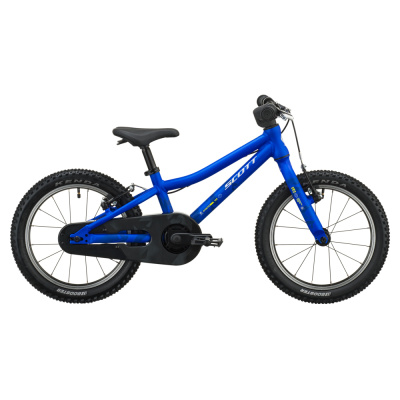
Scott Contrail 160
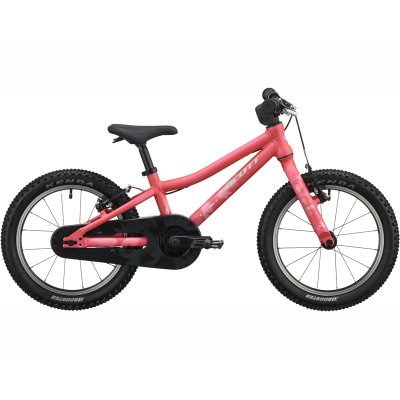
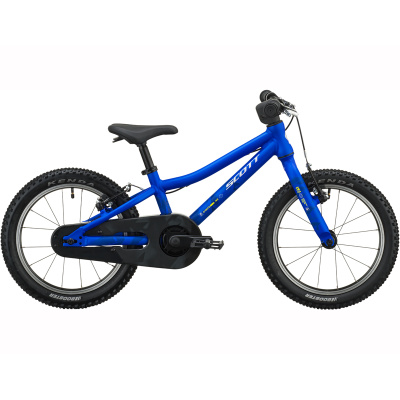
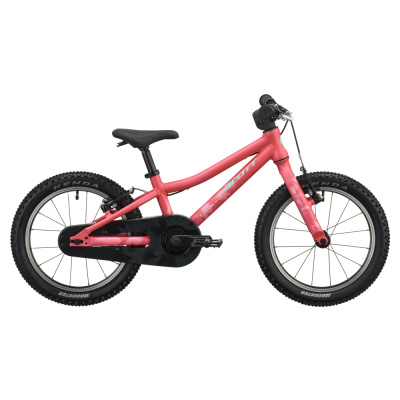
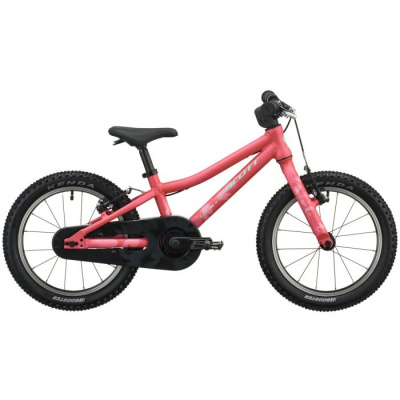
Light, simple, and confidence-building - the perfect first proper bike for young riders learning to pedal, steer, and explore.
- Lightweight 6061 aluminium frame: easy for small hands to steer
- Single-speed simplicity: focus on balance, not gears
- Child-sized brake levers: proper control for little fingers
- Full chainguard and kickstand: practical, safe, ready to ride
- 16-inch wheels suit riders around 95 cm tall
- Complete bike weighs just 6.1 kg
Scott Contrail 160 Deals
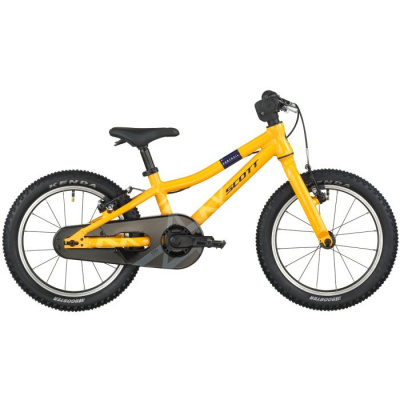
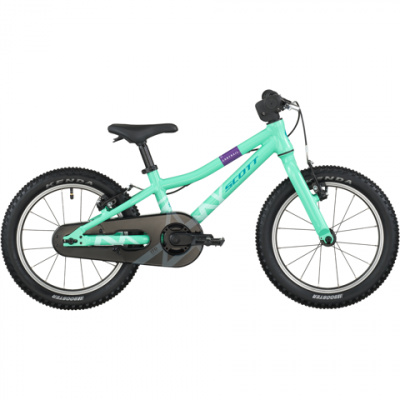

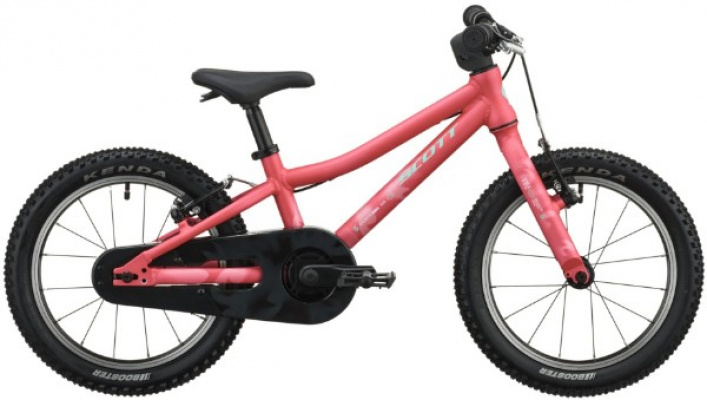
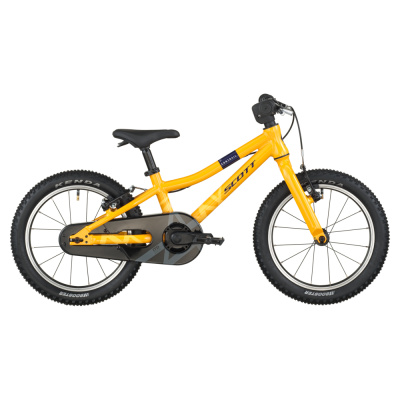
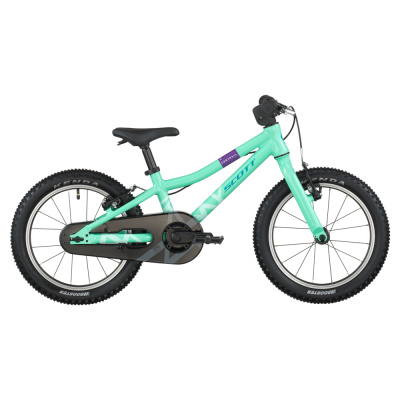
Prices and availability can change quickly. Delivery charges are not always included in listed prices.
Final price, stock status and delivery terms are set by retailer. We may receive a commission on purchases made.
Bikesy's Verdict
The Contrail 160 nails the brief: it's light, simple, and built to turn hesitant pedallers into confident riders. At 6.1 kilograms, it's genuinely manageable for a young child, and the single-speed drivetrain strips away complexity so they can focus on the fundamentals - balance, steering, stopping. Child-sized brake levers and grips mean proper control, not compromise, and the Kenda tyres handle everything from tarmac to gravel without drama.
This is a bike that respects its rider. The geometry is stable without being sluggish, the components are thoughtfully chosen, and the practical touches - chainguard, kickstand - make it easy to live with. It's not trying to be a miniature race bike or a toy; it's a proper first bike that builds confidence and lasts long enough to be passed on. If your child is around 95 centimetres tall and ready to ride, the Contrail 160 is an excellent place to start.
Pros
- Lightweight 6.1 kg frame makes handling and steering effortless for young riders
- Single-speed simplicity removes complexity, letting children focus on balance and confidence
- Child-sized brake levers and grips ensure proper control and comfort
- Durable aluminium frame with full chainguard and kickstand adds practicality and safety
- Kenda tyres roll fast on tarmac and grip well on grass and gentle gravel
Cons
- Rigid fork means no suspension if your child encounters rougher ground
- Single size and 16-inch wheels limit the age range - outgrown relatively quickly as children grow
About the Scott Contrail 160
The Contrail 160 is Scott's answer to the question every parent asks: what's the best bike to get my child riding confidently? Built around a lightweight 6061 aluminium frame with a bent top tube and a rigid fork, it strips away complexity and weight in equal measure. At 6.1 kilograms, it's light enough for a young rider to pick up, push along, and - crucially - steer without wrestling the bars. The single-speed drivetrain means there's no fumbling with shifters, no chain slap, and no confusion. Just pedal, brake, balance. That's the whole game when you're learning, and the Contrail 160 respects that.
Scott has spec'd child-specific components throughout: Tektro brake levers sized for small hands, a Syncros saddle that doesn't swallow a little rider, and grips that actually fit. The Prowheel crankset runs a 26-tooth chainring paired with a 16-tooth freewheel sprocket - a sensible ratio that lets kids spin without grinding or spinning out on the flat. Kenda K1227 Booster tyres roll fast on tarmac but grip well enough on grass, gravel, and the occasional dirt path. It's a bike that works on the driveway, in the park, and on the way to school.
This isn't a toy. The semi-integrated headset, sealed-bearing hubs, and external cable routing are all proper bike tech, scaled down. The full chainguard keeps fingers and trouser legs safe, and the integrated kickstand means the bike can stand up on its own - small details that make a big difference when you're five years old and still figuring out how bikes work. The Contrail 160 is designed to build confidence, not frustration, and it does that by being light, simple, and genuinely rideable.
Scott Contrail 160 geometry
Geometry on a kids' bike isn't about slack head angles or long reach figures - it's about stability, ease of handling, and making sure a child can touch the ground when they need to. The Contrail 160's frame is proportioned for riders around 95 centimetres tall, with a standover height that lets them plant both feet flat when stopped. The bent top tube drops the standover further, so there's no awkward straddling or tiptoe balancing.
The head tube angle and fork rake are tuned for predictable steering - not twitchy, not sluggish. When a child turns the bars, the bike responds without drama. The wheelbase is short enough to make tight turns manageable but long enough to keep the bike stable at speed (or what passes for speed when you're learning). The bottom bracket sits low, lowering the centre of gravity and making the bike feel planted rather than tippy. Crank arms measure 90 millimetres, which suits the shorter leg length of a young rider and keeps the pedalling motion natural.
The rigid aluminium fork keeps weight down and simplifies the front end. There's no suspension to maintain, no stanchions to scratch, and no extra grams to haul around. For the smooth paths and gentle trails a Contrail 160 will see, a rigid fork is the right call. The overall geometry is about making the bike feel like an extension of the rider, not an obstacle to overcome.
Component choices & upgrades
The Contrail 160 arrives well sorted for its intended use. The Tektro J-310 V-brakes and child-sized levers offer plenty of stopping power without requiring a death grip, and the KMC S1 chain is robust enough to handle the occasional dropped bike or muddy puddle. The Syncros saddle and grips are sized correctly, and the LEADTEC riser bar gives a comfortable, upright position that helps young riders see where they're going.
Upgrades aren't really part of the conversation here. This is a bike designed to be ridden, outgrown, and passed on to a younger sibling or friend. If anything wears out - tyres, brake pads, grips - replace them with like-for-like parts. The Kenda tyres are a sensible all-rounder; if your child rides mostly on tarmac, a slicker tread might roll a touch faster, but the difference is marginal. If they're tackling more dirt, the stock rubber will cope just fine.
The only real 'upgrade' worth considering is a bell or a small bottle cage if your child is riding longer distances. Otherwise, leave the bike as it is. The spec is thoughtfully chosen, and chasing marginal gains on a 16-inch kids' bike misses the point entirely.
Where the Scott Contrail 160 excels
The Contrail 160 is outstanding at being a first proper bike. It's light enough for a child to handle independently, simple enough to ride without confusion, and tough enough to survive the inevitable tumbles and crashes that come with learning. It excels on smooth tarmac, park paths, quiet streets, and gentle gravel tracks - the kind of terrain where most young riders spend their time.
It's also brilliant for building confidence. The low standover, predictable steering, and easy-to-reach brakes mean a child can focus on the joy of riding rather than fighting the bike. The single-speed setup removes a layer of complexity, so there's no worrying about which gear to be in or when to shift. Just pedal, steer, stop. That simplicity is liberating.
Where it's not ideal: rough, rooty singletrack or steep, technical descents. The rigid fork and narrow tyres aren't built for that, and a young rider on a 16-inch bike shouldn't be tackling that kind of terrain anyway. This is a bike for learning, exploring, and having fun on manageable surfaces. It's not a miniature mountain bike, and it doesn't pretend to be.
If your child is ready for gears or bigger wheels, the Contrail 200 or 400 models are the natural next step. But for a rider around 95 centimetres tall who's just starting out, the Contrail 160 is exactly what's needed: light, simple, and confidence-building.
Scott Contrail 160 FAQs
What is the ideal age for a Scott Contrail 160?
The Contrail 160 is designed for children around 95 centimetres tall, which typically corresponds to ages four to six, though every child grows at their own pace. The best way to check fit is to have your child stand over the bike - they should be able to touch the ground with both feet flat. If they're on tiptoes, the bike's too big; if there's loads of clearance, they've likely outgrown it.
How much does the Scott Contrail 160 weigh?
The complete bike weighs approximately 6.1 kilograms. That's light enough for a young child to manoeuvre, lift over a kerb, or pick up after a fall. Weight matters more on a kids' bike than almost any other factor - every extra gram makes the bike harder to handle.
Is the Scott Contrail 160 a single-speed bike?
Yes, it's single-speed. There are no gears, no shifters, no derailleurs. The Prowheel crankset runs a 26-tooth chainring paired with a 16-tooth freewheel sprocket, giving a sensible ratio for flat ground and gentle slopes. Single-speed keeps things simple and lets young riders focus on balance and steering.
What type of brakes does the Scott Contrail 160 have?
It uses Tektro J-310 V-brakes - rim brakes that clamp onto the wheel rims when the lever is pulled. The levers are child-sized, so small hands can reach and operate them easily. V-brakes are reliable, easy to maintain, and provide plenty of stopping power for a lightweight kids' bike.
What is the maximum weight limit for the Scott Contrail 160?
Scott doesn't publish a specific weight limit for the Contrail 160, but it's designed for young children who fall within the recommended height range (around 95 centimetres). As a general rule, kids' bikes of this size are built to handle riders up to approximately 30 kilograms, though that's an informal guideline rather than a hard specification.
Can the Scott Contrail 160 be used for off-road trails?
It can handle gentle gravel paths, hard-packed dirt, and smooth trails, but it's not built for technical singletrack or rough, rooty terrain. The rigid fork and 16-inch wheels are best suited to parks, pavements, and mellow off-road surfaces. If your child is riding anything more challenging, they're likely ready for a larger, more capable bike.
How do I assemble a Scott Contrail 160?
Most bikes arrive partially assembled: you'll need to attach the front wheel, fit the handlebars, adjust the saddle height, and check the brakes. Basic tools - Allen keys, a spanner - are all you need. If you're not confident, any local bike shop will assemble it for a small fee. Make sure the brakes work properly and the wheels spin freely before your child rides it.
Key Features & Benefits
- 6061 aluminium frame weighing just 6.1 kg: Light enough for a child to steer, lift, and control confidently without wrestling the bike
- Single-speed drivetrain with 26T chainring and 16T freewheel: Removes gear confusion, letting young riders focus entirely on balance, pedalling, and steering
- Tektro child-sized brake levers and V-brakes: Small hands can reach and operate the brakes easily, building confidence and control
- Full chainguard and integrated kickstand: Protects fingers and clothing while making the bike easy to park and practical for everyday use
- Kenda K1227 Booster 16×2.0" tyres: Roll fast on tarmac and grip well on grass and gravel, handling the varied surfaces young riders explore
Scott Contrail 160 2025 differences
The 2025 Contrail 160 shares the same core specification as the 2026 model: 6061 aluminium frame, rigid fork, single-speed drivetrain with a 26-tooth chainring and 16-tooth freewheel, Tektro V-brakes with child-sized levers, and Kenda K1227 Booster tyres. Component choices - Syncros saddle and grips, Prowheel crankset, KMC chain - remain consistent year-on-year. The 2026 model appears to be a continuation of the 2025 spec rather than a significant update, reflecting the stable, proven formula that works for this category of kids' bike.
Alternatives to Consider
Within Scott's own range, the Contessa 16 offers a similar spec with styling often preferred for girls, while the Roxter 16 leans slightly more towards a mini-mountain-bike aesthetic. If your child is ready for gears or bigger wheels, the Scott Contrail 200 (20-inch wheels) or Contrail 400 (24-inch wheels) are the natural next steps, adding derailleur gears and more capable geometry as skills and height increase.
Cross-brand, the Trek Wahoo 16 is a close peer: aluminium frame, single-speed, V-brakes, and a similar focus on lightweight simplicity. The Specialized Riprock 16 adds slightly fatter tyres and a more adventurous look, though it's a touch heavier. Frog 48 (also 16-inch wheels) is another strong contender, known for its obsessive attention to child-specific geometry and component sizing. The Islabikes Cnoc 16 (if still available in your market) has long been a benchmark for lightweight kids' bikes, though it often commands a premium. Each of these bikes shares the Contrail 160's philosophy - light, simple, confidence-building - but with subtle differences in geometry, component choice, and brand ethos.
Reviews
Lightweight construction transforms how a young rider interacts with the bike. At 6.1 kilograms, the Contrail 160 doesn't fight back when a child tries to steer, lean, or recover from a wobble. That low weight is the single biggest factor in building early confidence, and it shows in how quickly kids progress from tentative pedalling to proper riding.
Single-speed simplicity proves its worth every time a child hops on. There's no fumbling with shifters, no chain dropping between gears, no confusion about which lever does what. Pedal, brake, steer - that's the entire interface, and it's exactly right for this stage of learning. When a child can focus entirely on balance and steering rather than mechanical operation, progress accelerates.
Child-sized brake levers make a tangible difference. Small hands can reach and squeeze them without stretching or straining, which means better modulation and more confidence when slowing down. The Tektro V-brakes deliver plenty of stopping power without requiring a vice grip, and the simple cable-actuated design is easy for parents to adjust or maintain.
Kenda tyres strike a sensible balance between speed and grip. They roll fast enough on tarmac to keep up with older siblings but bite well enough on grass and gravel to handle the varied surfaces young riders encounter. Tread depth is modest, which suits the bike's intended use - this isn't a mini enduro rig, and it doesn't need to be.
Rigid fork keeps weight down and maintenance simple. Because the Contrail 160 will spend its life on smooth paths and gentle trails, suspension would add complexity and grams without delivering meaningful benefit. The aluminium fork is stiff, predictable, and bombproof.
Practical touches like the full chainguard and kickstand elevate the everyday experience. The chainguard keeps fingers and trouser legs safe, and the kickstand means the bike can stand upright on its own - small details that matter when you're five years old and still learning how bikes work. Build quality feels solid throughout, with sealed-bearing hubs and a semi-integrated headset that wouldn't look out of place on an adult bike.
Full Specification
| Spec | Value |
|---|---|
| Frame Material | 6061 Aluminium |
| Frame Design | Bended Top Tube, Semi-integrated Headtube |
| Frame Features | External cable routing, designed for V-brakes |
| Bottom Bracket | BSA threaded square type (BB68) |
| Rear Axle Type | Bolt-on type, 16H |
| Fork | Rigid Aluminium 6061 |
| Drivetrain | Single Speed |
| Crankset | Prowheel, 26T chainring, 90mm crank arm length |
| Cassette | Freewheel Sprocket 16T |
| Chain | KMC S1 |
| Brakes | V-Brake (Rim Brake) |
| Brake Calipers | Tektro J-310 V-Brake |
| Brake Levers | Tektro Kids' Lever |
| Rims | Alloy, black, 16H |
| Hubs | Alloy, sealed bearing, bolt-on type, 16H |
| Spokes | 15G UCP, black |
| Tyres | Kenda K1227 Booster, 16x2.0 |
| Handlebar | LEADTEC Kids riser bar, alloy, 460mm width, 20mm rise |
| Stem | Ahead, Alloy, 30mm length, 25.4mm clamp diameter |
| Grips | Syncros Grips Toddler |
| Headset | Semi-integrated 1 1/8 |
| Seatpost | Alloy, 26.8mm diameter |
| Saddle | Syncros KIDS II |
| Pedals | Kids Pedals with reflectors |
| Weight (Approx) | 6.1 kg |
| Wheel Size | 16 inches |