
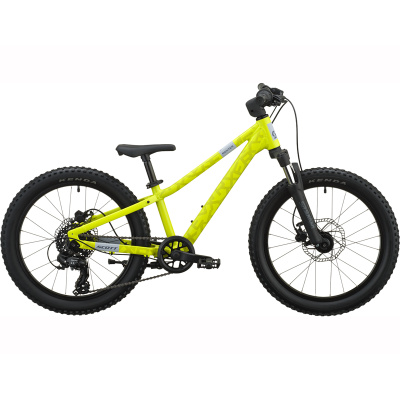
Scott Roxter 200
Build trail confidence with hydraulic brakes, tuned suspension, and geometry that rewards curiosity over perfection.
- Hydraulic disc brakes: proper stopping power for small hands
- 63mm suspension fork tuned for lighter riders
- 7-speed drivetrain with 11-34T cassette for easier climbs
- 20-inch wheels with 2.2" tyres for grip and stability
- Durable 6061 alloy frame at 9.9 kg
- Designed for riders from 115 cm tall (ages 6 - 8)
Scott Roxter 200 Deals
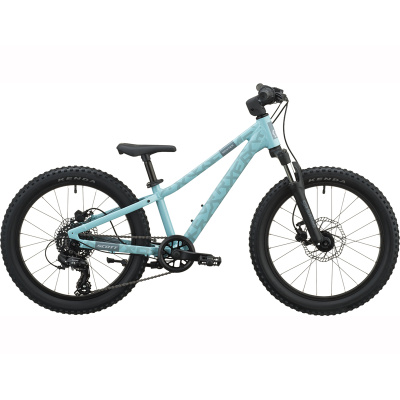

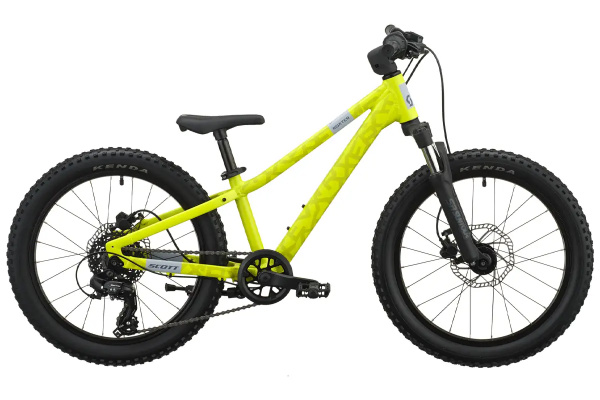
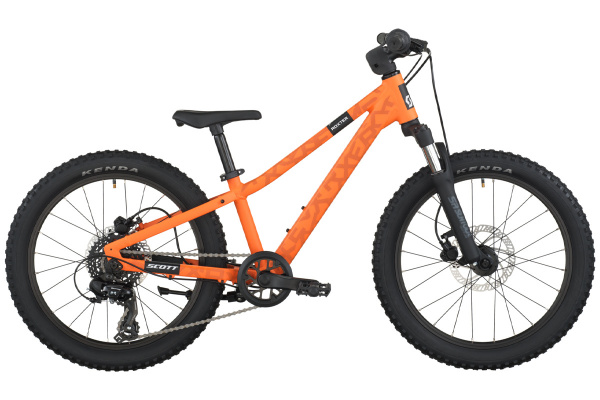
Prices and availability can change quickly. Delivery charges are not always included in listed prices.
Final price, stock status and delivery terms are set by retailer. We may receive a commission on purchases made.
Bikesy's Verdict
The Roxter 200 is a confidence-building trail bike that gets the fundamentals right. Hydraulic brakes, a suspension fork tuned for lighter riders, and geometry that encourages exploration rather than punishing mistakes make it an excellent first mountain bike for young riders ready to leave the tarmac behind. It's not the lightest or sharpest option in its class, but it's durable, capable, and priced to make sense for families who want a bike that'll handle local trails without requiring a second mortgage.
If your child is six to eight years old, tall enough to reach the bars comfortably, and curious about singletrack, the Roxter 200 will serve them well. It's a bike that rewards curiosity, builds skills, and - most importantly - makes riding fun.
Pros
- Hydraulic disc brakes with short-reach levers for small hands
- Suspension fork tuned for lighter riders smooths rough trails
- Kid-friendly geometry builds confidence without feeling twitchy
- 7-speed drivetrain with wide-range cassette eases climbs
- Durable alloy frame at a manageable 9.9 kg
Cons
- Heavier than pricier options if weight is a priority
- Tourney drivetrain is reliable but not quick-shifting when skills progress
- 63mm fork travel feels underdamped on aggressive or technical terrain
About the Scott Roxter 200
The Roxter 200 is Scott's answer to a question every parent with a trail-hungry six-year-old eventually asks: what's the first proper mountain bike that won't frustrate them or break the bank? Built around 20-inch wheels and a 6061 alloy frame, it weighs 9.9 kilograms - light enough that a child can wrestle it over a log without calling for backup, heavy enough that it won't fold when they inevitably launch it off a kerb. The geometry is designed to inspire confidence rather than terror, with a low standover and proportions that let young riders steer, brake, and balance without contorting themselves around an adult-sized cockpit shrunk down.
Hydraulic disc brakes are the headline act here, and rightly so. Tektro's HD-M276 levers are shaped for smaller hands and paired with 160mm rotors front and rear, delivering the kind of stopping power that turns nervous dabs into controlled scrubs. The SR Suntour XCT-JR fork offers 63mm of travel with a softer spring tune, smoothing out roots and ruts without the harsh rebound that can unsettle a lighter rider. It's not a downhill sled - this is a bike for local trails, park loops, and the kind of riding where fun trumps speed - but it's built to handle the knocks and tumbles that come with learning.
The seven-speed Shimano Tourney drivetrain uses a twist shifter and an 11-34T cassette, giving young legs enough range to spin up short climbs without grinding to a halt. Kenda Karma2 tyres at 2.2 inches wide provide grip and cushion, and the whole package is aimed squarely at riders from about 115 centimetres tall - typically six to eight years old - who've outgrown balance bikes and are ready to explore beyond the tarmac.
Scott Roxter 200 geometry
Scott hasn't published granular geometry charts for the Roxter 200, but the design intent is clear: keep the centre of gravity low, the reach short, and the handling intuitive. The single-size frame uses a semi-integrated headset and a relatively upright riding position, which means young riders can see where they're going without craning their necks or tipping forward over the bars. The 540mm-wide handlebar offers enough leverage for steering without being so wide that it catches on trees, and the 50mm stem keeps the front end responsive without making it twitchy.
The 20-inch wheels strike a balance between rollover and manoeuvrability - big enough to smooth out bumps and maintain momentum, small enough that a child can flick the bike through tight corners or lift the front wheel over an obstacle. The low standover height means they can dab a foot quickly when things go sideways, and the slack-ish head angle (relative to a road bike, at least) adds stability at speed without making slow-speed balance a chore. It's a geometry that rewards curiosity rather than punishing mistakes, which is exactly what you want when the rider is still learning where the limits are.
Component choices & upgrades
The stock build is sensibly sorted for its intended audience. Shimano's Tourney rear mech and twist shifter are bombproof and easy to use - no finicky indexed clicks to confuse a beginner - and the 7-speed cassette covers enough range that most young riders won't feel short-changed on climbs or flat sections. The Tektro hydraulic brakes are a genuine upgrade over the mechanical or V-brake setups you'll find on cheaper kids' bikes, and the short-reach levers mean even small hands can modulate power without white-knuckling the bars.
That said, if your child is already confident and riding harder terrain, a few tweaks can sharpen the experience. Swapping the Kenda Karma2 tyres for something with a more aggressive tread - say, a Schwalbe Rocket Ron or Maxxis Ikon in 20x2.0 - will add bite on loose or muddy trails without much weight penalty. The fork's 63mm travel is adequate for most beginner riding, but if they're regularly hitting rougher trails, a service to ensure the spring rate and damping are dialled in for their weight will make a noticeable difference. The saddle and grips are basic but functional; if comfort becomes an issue after longer rides, aftermarket options exist, though most kids won't notice until they're putting in serious hours.
The drivetrain is the one area where you might eventually want more. The 11-34T cassette is fine for gentle climbs, but if you're tackling steeper or longer ascents, an 11-40T cassette (if compatible with the Tourney mech) would ease the load. That's a future consideration, though - for most riders starting out, the stock setup will do the job without fuss.
Where the Scott Roxter 200 excels
This is a bike for building confidence and having fun on trails that don't require body armour. It's outstanding at introducing young riders to singletrack - the kind of riding where roots, rocks, and gentle climbs are part of the adventure, not obstacles to be feared. The hydraulic brakes and suspension fork mean they can focus on steering and balance rather than wrestling with the bike, and the wide tyres forgive wobbly lines and sudden weight shifts. It's equally happy on park paths, gravel tracks, and neighbourhood loops, making it a versatile choice for families who ride a mix of terrain.
It also does well as a skills-development platform. The geometry encourages proper body position without forcing it, and the bike's weight and proportions make it easy for kids to learn how to pump through dips, hop over small obstacles, and corner with intent. It's not a race bike - the Tourney drivetrain and 9.9-kilogram weight see to that - but it's not trying to be. If your child is entering their first XC race or chasing Strava segments, you'll want something lighter and sharper. If they're learning to love riding and exploring what their local trails offer, the Roxter 200 hits the mark.
Where it's less ideal: aggressive or technical terrain. The 63mm fork travel and entry-level components are fine for moderate trails, but if you're regularly riding steep descents, rock gardens, or jump lines, the bike will feel underdamped and undersprung. It's also not the lightest option in its class - lighter builds exist at higher price points - so if you're hauling it into a car or lifting it over gates, you'll notice the extra grams. And while the Tourney drivetrain is reliable, it's not quick-shifting or particularly refined; older or more experienced riders might find it limiting.
Scott Roxter 200 FAQs
What is the ideal height for a Scott Roxter 200?
Scott recommends the Roxter 200 for riders from approximately 115 centimetres tall, which typically covers children aged six to eight years. The single-size frame and low standover height mean it'll fit a range of heights within that bracket, but if your child is significantly taller or shorter, it's worth checking the fit in person to ensure they can reach the bars comfortably and touch the ground with both feet.
Is the Scott Roxter 200 a good mountain bike for kids?
Yes, it's a solid first trail bike. The hydraulic disc brakes, suspension fork, and kid-friendly geometry make it capable and confidence-inspiring on beginner to intermediate trails. It's not a race-ready machine, but for young riders learning the ropes and exploring local singletrack, it's well-suited to the task.
What is the weight of the Scott Roxter 200?
The bike weighs 9.9 kilograms. That's reasonable for a kids' mountain bike with a suspension fork and hydraulic brakes, though lighter options do exist at higher price points.
How many gears does the Scott Roxter 200 have?
It has seven speeds, driven by a Shimano Tourney rear mech and an 11-34T cassette. The twist shifter is easy for young riders to use, and the range covers most terrain they're likely to encounter at this stage.
Are hydraulic disc brakes good for kids' bikes like the Scott Roxter 200?
Absolutely. Hydraulic discs offer more stopping power with less hand force than mechanical or rim brakes, which is crucial for smaller hands and lighter riders. The Tektro HD-M276 levers on the Roxter 200 are designed with short reach, making them accessible and safe for young riders who are still developing grip strength.
What kind of maintenance does the Scott Roxter 200 require?
Regular checks of tyre pressure, brake pad wear, and chain lubrication will keep it running smoothly. The hydraulic brakes may need occasional bleeding, and the fork should be serviced annually if it's seeing regular use. The Tourney drivetrain is low-maintenance, but cables and housing should be inspected for fraying or dirt buildup, especially after muddy rides.
Can a five-year-old ride a Scott Roxter 200?
It depends on their height and riding ability. The bike is designed for riders from 115 centimetres tall, which is typically six years and up. A tall, confident five-year-old might manage it, but if they're shorter or still developing balance, a smaller bike with 16-inch or 18-inch wheels would be a better fit.
What is the maximum weight limit for the Scott Roxter 200?
Scott doesn't publish a specific weight limit for the Roxter 200, but as a kids' bike with 20-inch wheels and entry-level components, it's designed for riders in the 20 - 30 kilogram range. Beyond that, the frame and wheels should still hold up, but the ride quality and component durability may suffer.
Key Features & Benefits
- Tektro HD-M276 hydraulic disc brakes with 160mm rotors: Powerful, modulated stopping with less hand force - crucial for safety and control on descents
- SR Suntour XCT-JR fork with 63mm travel and softer spring: Absorbs bumps and roots without harsh rebound, keeping young riders comfortable and in control
- Shimano Tourney 7-speed drivetrain with 11-34T cassette: Wide enough range for climbs, simple twist shifter makes gear changes intuitive for beginners
- Kenda Karma2 20x2.2" tyres: Extra width adds grip and cushion, forgiving wobbly lines and building confidence on varied terrain
- 6061 alloy frame with low standover and kid-specific geometry: Durable, easy to handle, and proportioned so young riders can steer, brake, and balance naturally
Scott Roxter 200 2025 differences
The 2025 model shares the same core specification as the 2026 release: SR Suntour XCT-JR fork with 63mm travel, Shimano Tourney 7-speed drivetrain with an 11-34T cassette, Tektro HD-M276 hydraulic disc brakes, and Kenda Karma2 20x2.2" tyres. Frame material and geometry remain unchanged, with the same 6061 alloy construction and kid-friendly proportions. One source suggested the 2026 model might feature an upgraded SR Suntour XCE28 fork with 80mm travel and an 8-speed drivetrain with an 11-40T cassette, but this appears to be a reporting conflict rather than a confirmed change - most 2026 listings mirror the 2025 spec exactly. If you're choosing between the two model years, expect identical performance and capability; any price difference is likely down to retailer stock clearance rather than meaningful updates.
Alternatives to Consider
Within Scott's kids' range, the Roxter 20 (without the '200' suffix) may offer different gearing or spec tweaks, though details are scarce; the Contessa Walker and Roxter Walker are balance-bike or very-early-pedal options for younger siblings. For a step up in capability, look to Scott's Scale RC 200, which brings a lighter frame and sharper components for kids ready to race or ride harder trails.
Cross-brand, the Specialized Riprock 20 is a close peer - slightly burlier tyres and a playful, confidence-inspiring geometry make it a strong alternative if you want a bit more cushion and grip. The Specialized Jett 20 leans lighter and racier, better suited to kids who've already got trail time under their belts and want to go faster. Trek's Precaliber 20 7-speed is another solid choice, with a similar Tourney drivetrain and disc brakes, though it skews slightly more towards all-round riding than pure trail focus. The Cannondale 20 Kids Trail offers comparable spec and geometry, with Cannondale's typically tidy frame design and reliable component choices. All four sit in the same beginner-to-intermediate trail category, so the decision often comes down to fit, local availability, and which brand's geometry suits your child's proportions best.
Reviews
Longer reach and a calmer front centre bring poise to a bike that could easily have felt nervous. The 540mm bar and 50mm stem give young riders enough leverage to steer confidently without the front end darting around, and the low standover means they can dab a foot without drama when balance goes sideways. Hydraulic brakes are the real win - modulation is smooth, power is there when needed, and the short-reach levers mean even small hands can squeeze hard enough to scrub speed on a descent without white-knuckling the bars.
Suspension travel is modest at 63mm, but the softer spring tune suits lighter riders well. It's not plush, but it takes the sting out of roots and rocks without the harsh rebound that can unsettle a beginner. When the trail gets rougher, the fork does its job without fuss, letting young riders focus on line choice rather than bracing for impact. The Kenda Karma2 tyres add grip and cushion, forgiving wobbly lines and sudden weight shifts - exactly what you want when confidence is still building.
Tourney shifts are reliable but not refined. The twist shifter is intuitive for kids who haven't yet learned indexed clicks, and the 11-34T cassette covers enough range that most climbs feel manageable. Weight is noticeable at 9.9 kilograms - not heavy for its class, but not featherlight either - so lifting it over obstacles or into a car boot reminds you this is a durable, real-world bike rather than a race-day special. It's built to handle the knocks and tumbles that come with learning, and it does so without complaint.
Full Specification
| Specification | Detail |
|---|---|
| Bike Type | Kids' Mountain Bike |
| Wheel Size | 20 inches |
| Frame Material | 6061 Alloy |
| Frame Design | KIDS20 disc with semi-integrated headset (CBR), SCOTT dropouts, Post Mount disc brake mounts |
| Approximate Weight | 9.9 kg |
| Fork Model | SR Suntour XCT-JR |
| Fork Travel | 63 mm |
| Brakes | Hydraulic Disc, Tektro HD-M276 with short reach levers |
| Brake Rotors | 160 mm front and rear |
| Drivetrain Speed | 7-speed |
| Shifters | Shimano SL-RV300-7R Revo (twist shifter) |
| Rear Derailleur | Shimano RD-TY300 |
| Crankset | Prowheel Alloy, 28T chainring, 114 mm arm length with double chain guard |
| Cassette | SunRace CSM40, 7-speed, 11 - 34T |
| Chain | KMC Z7 |
| Bottom Bracket | Feimin BB68 cartridge, square taper |
| Tyres | Kenda K1237 Karma2, 20×2.2 inches, 30 TPI |
| Front Hub | Formula 5×100 mm, 24H, 6-bolt disc |
| Rear Hub | Formula 5×135 mm, 24H, 6-bolt disc |
| Spokes | 15G unplated carbon steel, black |
| Handlebar | LEADTEC Kids riser bar, alloy, 540 mm width, 20 mm rise, 19 mm grip diameter |
| Stem | LEADTEC Alloy, 50 mm length, +10° rise, 25.4 mm clamp diameter |
| Grips | Syncros Grips Kids 100/80 |
| Headset | Feimin 48/28.6/44/30, semi-integrated |
| Seatpost | Syncros KIDS III, 27.2 mm diameter |
| Saddle | Syncros KIDS III |
| Pedals | Kids pedal with reflector |