
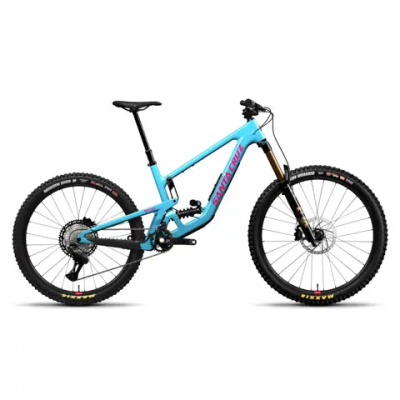
Santa Cruz Nomad
Charge steep, technical descents with unshakeable confidence, then pedal back up without the slog.
- VPP suspension: pedal-efficient, bump-devouring 170mm travel
- Mixed-wheel setup: 29" front stability, 27.5" rear agility
- Glovebox storage: tools and spares inside the frame
- Carbon C frame: robust layup with lifetime warranty
- Size-specific chainstays: balanced handling across all sizes
- Slack 63.5° head angle: confidence on steep descents
Santa Cruz Nomad Deals
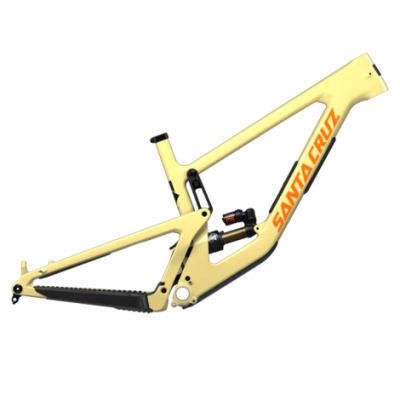
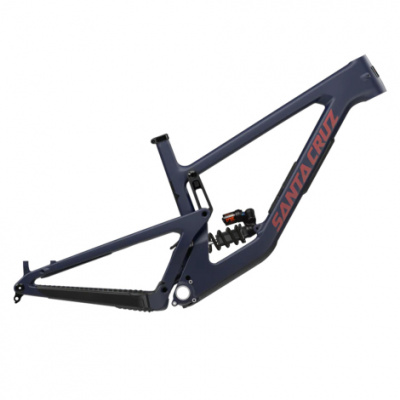
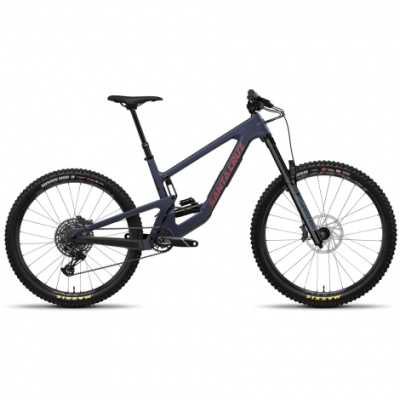
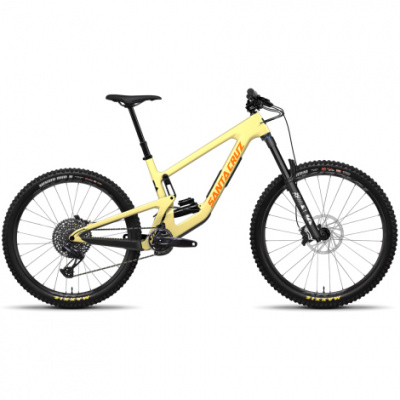
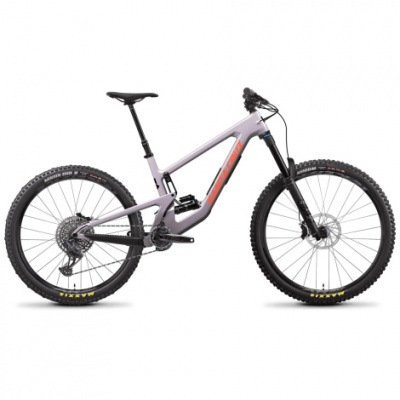
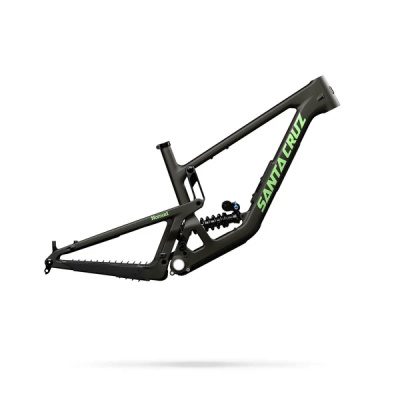
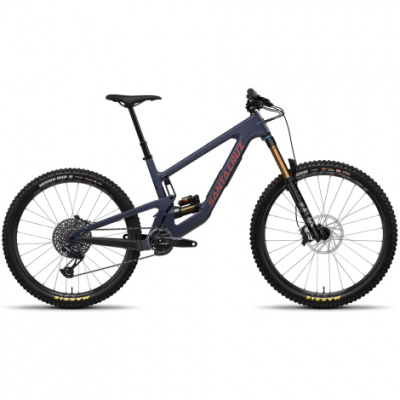
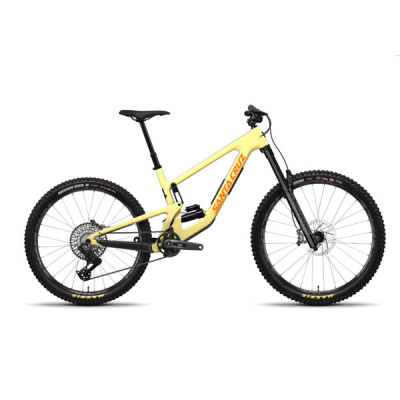
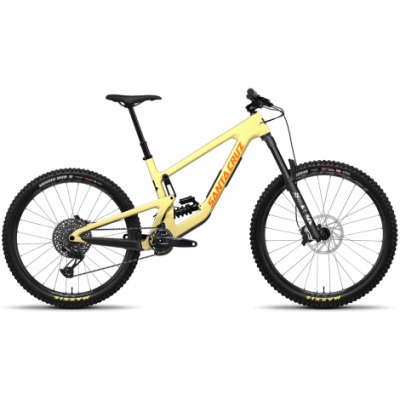
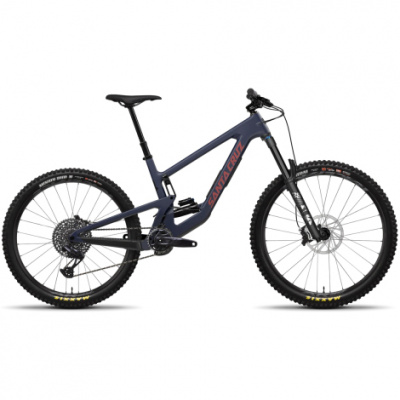
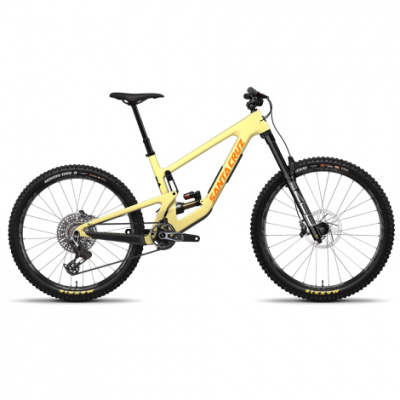
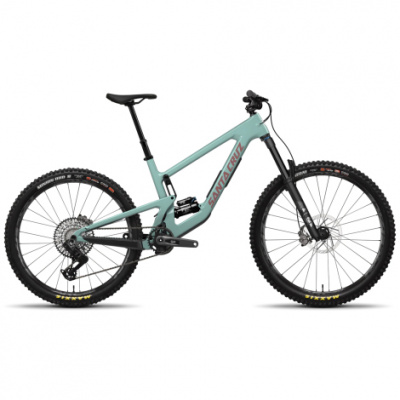
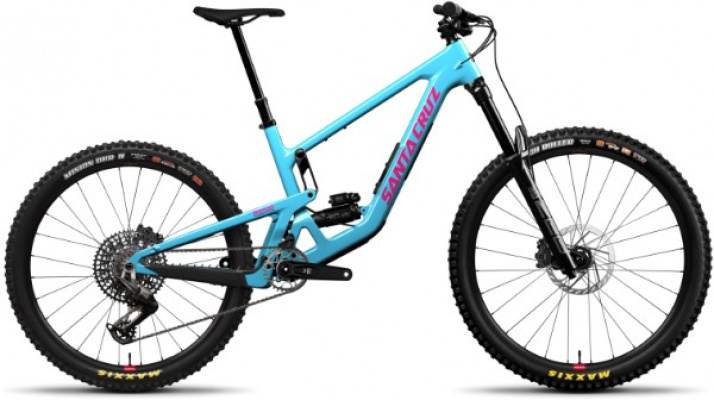
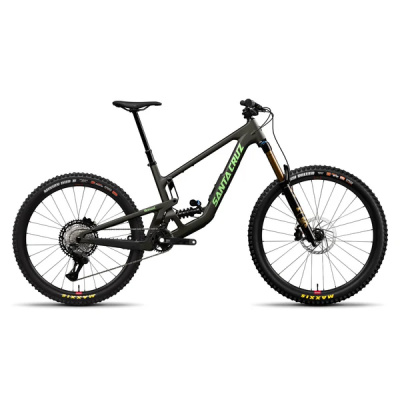
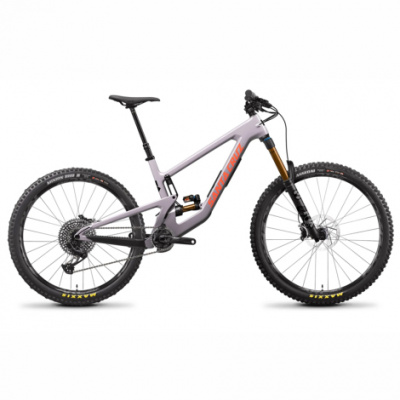
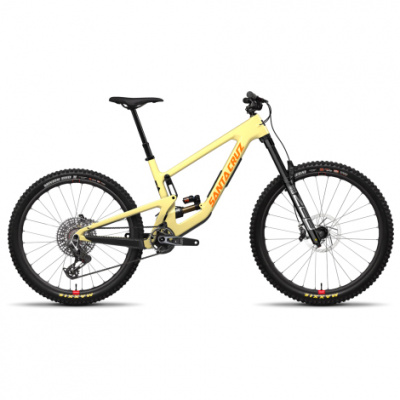
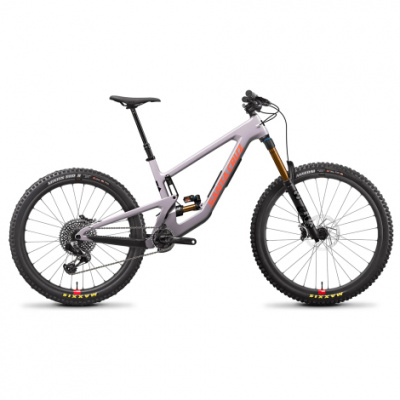
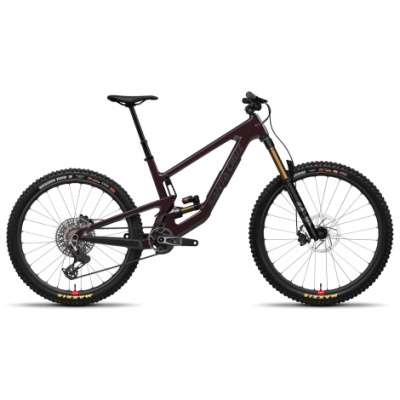

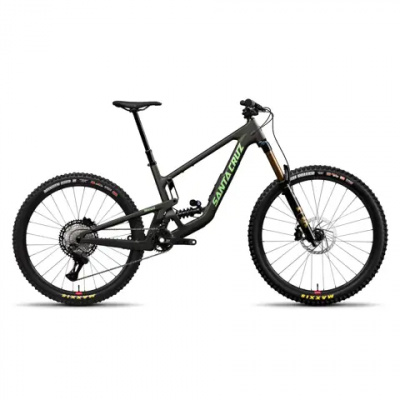
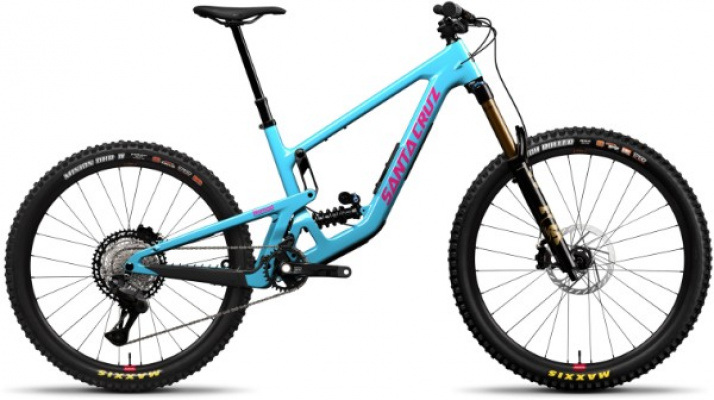
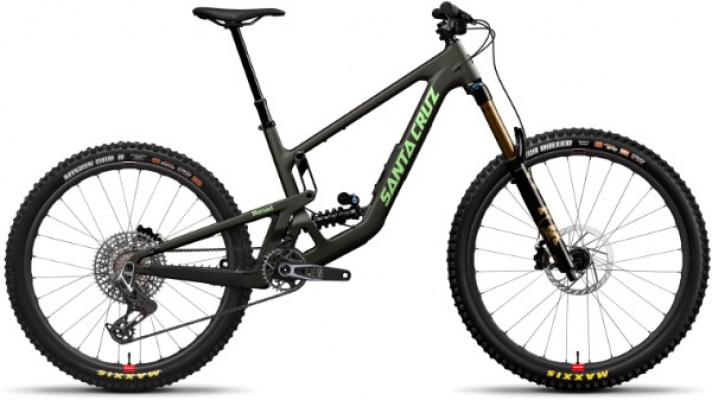
Prices and availability can change quickly. Delivery charges are not always included in listed prices.
Final price, stock status and delivery terms are set by retailer. We may receive a commission on purchases made.
Bikesy's Verdict
The Nomad is Santa Cruz's uncompromising answer to riders who measure their weekends in vertical metres descended, not gentle trail miles. It's built to charge steep, technical descents with the kind of confidence that lets you commit to lines you'd hesitate on with less bike beneath you, yet it climbs well enough to earn those descents without feeling like a slog. The mixed-wheel setup sharpens handling without sacrificing front-end composure, VPP suspension stays active through the roughest terrain, and practical touches like the Glovebox storage and lifetime warranty show a bike designed for hard use over the long haul.
If your riding involves bike parks, enduro racing, or big mountain missions where 170mm of travel and a slack head angle are assets rather than excess, the Nomad delivers in spades. It's not the bike for mellower trails or riders chasing weight savings, but for those who want a gravity-fed tool that still pedals back up for another lap, it's one of the most capable options out there. The Carbon C build arrives well-specced and ready to ride hard straight out of the box, with upgrade paths that make sense only if you're truly pushing the limits. This is a bike that rewards aggression and commitment - if that's your riding, you'll struggle to find a better partner.
Pros
- Exceptional downhill confidence and control on steep, technical terrain
- Mixed-wheel setup balances front-end stability with rear-end agility
- VPP suspension pedals efficiently for a 170mm-travel enduro bike
- Glovebox storage keeps tools and spares inside the frame
- Robust Carbon C construction backed by lifetime warranty
- Size-specific geometry maintains consistent handling across the range
Cons
- Heavier than trail-focused bikes if you're chasing weight savings or all-day efficiency
- Overkill for mellower, less technical trails where the travel and slack geometry aren't needed
- Geometry flip chip has minimal real-world impact, limiting on-the-fly adjustment
About the Santa Cruz Nomad
The Nomad has always been Santa Cruz's answer to riders who want to send it hard without compromise. This Carbon C iteration carries that torch with 170mm of VPP travel front and rear, a mixed-wheel chassis that pairs a 29-inch front with a 27.5-inch rear, and a geometry that's slack enough to inspire confidence on the steepest chutes yet balanced enough to pedal back up for another lap. It's built for riders who measure their weekends in vertical metres descended, not gentle trail miles ticked off.
What sets the Nomad apart isn't just the travel or the aggressive stance - it's the way Santa Cruz has threaded the needle between gravity-fed chaos and all-day rideable. The VPP suspension platform keeps the rear wheel glued to the ground when you're hammering through rock gardens, yet it doesn't wallow or bob when you're grinding back uphill. That mixed-wheel setup sharpens the handling without sacrificing front-end composure, so you can rail berms and pop off lips with equal ease. And the Glovebox - a tidy storage cavity inside the downtube - means you can leave the backpack at home on most rides, which is a small but tangible win when you're already carrying enough momentum to worry about.
This is a bike that thrives in bike parks, on enduro stages, and anywhere the terrain gets properly gnarly. It's not a trail bike that moonlights as an enduro rig; it's the real deal, designed to absorb punishment and reward aggression. If your idea of a good day involves shuttle runs, steep natural lines, or racing against the clock on technical descents, the Nomad is built for exactly that.
Santa Cruz Nomad geometry
The Nomad's geometry is all about planting you in a position where you can commit to the line without second-guessing. That 63.5-degree head angle is slack enough to keep the front wheel tracking true when the trail pitches down and the rocks pile up, but it's not so extreme that you're wrestling the bike through tighter sections or feeling vague at lower speeds. Reach figures stretch from 430mm in small to 517mm in double-XL, giving you room to move your weight fore and aft as the terrain demands - crucial when you're picking your way through a rock garden one moment and leaning into a high-speed berm the next.
The seat tube angle sits around 77 degrees across the range, which keeps your hips over the bottom bracket when you're climbing. You're not fighting to stay centred on the pedals, even when the gradient ramps up and you'd rather be descending. Combined with size-specific chainstay lengths - ranging from 439mm on the small to 450mm on the double-XL - the Nomad maintains a consistent feel no matter which frame you're on. Shorter riders get the same playful, poppy rear end that taller riders enjoy, rather than being stuck with a stretched-out back end that dulls the handling.
Stack grows proportionally with reach, so you're not cramped or overstretched regardless of size. The 30mm bottom bracket drop keeps the centre of gravity low, which adds stability when you're charging through rough sections at speed, though it does mean you'll want to pick your lines carefully through rock-strewn climbs to avoid pedal strikes. There's a flip chip in the lower link that tweaks the geometry slightly, but the real-world impact is subtle - most riders set it once and forget it. What matters more is how the whole package comes together: you sit low and centred, with enough front-centre length to inspire confidence and enough rear-end snap to keep things lively.
Component choices & upgrades
The Carbon C build arrives with a well-sorted spec that's designed to handle the abuse this bike invites. SRAM GX Eagle shifting is crisp and reliable, the RockShox Super Deluxe Select+ rear shock and FOX 38 or RockShox Zeb fork up front deliver 170mm of controlled travel, and SRAM Code R brakes provide plenty of stopping power for steep descents. It's a package that works straight out of the box, and for many riders it'll stay that way for seasons of hard riding.
That said, if you're regularly pushing the bike to its limits - racing enduro, sessioning jump lines, or shuttling the gnarliest descents you can find - there are a few areas where upgrades can sharpen the experience. Swapping the rear shock for a coil unit (the frame accepts both air and coil) can add a more supple, planted feel on rough trails, though you'll sacrifice a bit of adjustability and add a touch of weight. If you're finding the Code R brakes adequate but not confidence-inspiring on long, steep descents, stepping up to a four-piston option with larger rotors will give you more power and better modulation when you need it most.
Wheels are another sensible upgrade path if you're chasing durability or weight savings. The stock RaceFace AR Offset 30 rims are solid, but moving to a carbon wheelset - Santa Cruz's own Reserve hoops or similar - can shave rotating weight and add a bit more compliance without compromising strength. Tyres are always personal, but the Maxxis Assegai and Minion DHR II combo is a proven pairing; if you're riding looser or wetter conditions, experimenting with tread patterns and compounds can fine-tune grip and rolling speed. The OneUp dropper post is reliable, though if you want more drop or prefer a different lever feel, that's an easy swap. The key is that the stock build doesn't leave you wanting - it's a question of tailoring the bike to your specific demands, not fixing shortcomings.
Where the Santa Cruz Nomad excels
The Nomad is built for one thing above all else: descending with speed and control on terrain that would rattle lesser bikes to pieces. Steep, technical trails littered with rocks, roots, and drops are where it comes alive. The 170mm of VPP travel soaks up repeated hits without packing down, the mixed-wheel setup keeps the rear end nimble and the front end composed, and the slack geometry lets you lean into the bike and trust it to hold the line. If you're racing enduro, lapping a bike park, or shuttling big mountain descents, this is the tool for the job.
It's also surprisingly capable when the trail points upward. The VPP suspension pedals efficiently for a bike with this much travel, and the steep seat angle keeps your weight positioned well for traction and power transfer. You won't mistake it for a lightweight trail bike on long fire-road climbs, but it'll get you to the top without feeling like a slog. That makes it a genuine one-bike solution for riders who want to earn their descents but don't want to compromise on downhill performance.
Where the Nomad is less ideal is on mellower, flowy trails where its travel and heft are overkill. If your local riding is mostly smooth singletrack with gentle gradients and the occasional root section, you'll be lugging around capability you're not using. It's also not the bike for riders who prioritise weight savings or all-day pedalling efficiency over descending prowess. The Nomad asks you to commit - to steep lines, to aggressive riding, to the kind of terrain where 170mm of travel and a slack head angle are assets, not excess. If that's your riding, it delivers in spades. If it's not, you'll be happier on something lighter and more trail-focused.
Santa Cruz Nomad FAQs
What is the intended use of the Santa Cruz Nomad?
The Nomad is designed for aggressive all-mountain and enduro riding - think bike park laps, shuttle runs, enduro racing, and demanding backcountry descents. It's built to handle steep, technical terrain with confidence while still offering enough climbing ability to pedal back up for another run.
What are the benefits of the mixed-wheel (mullet) setup on the Nomad?
The 29-inch front wheel rolls over obstacles more easily and provides stability at speed, while the 27.5-inch rear wheel sharpens handling, makes the bike more playful in the air and through corners, and improves rear-end grip on steep, loose terrain. It's a blend of composure and agility that suits aggressive riding.
Does the Santa Cruz Nomad have internal storage?
Yes, the Nomad features the Glovebox - an integrated storage compartment inside the downtube that typically holds a tool wallet and inner tube. It's a practical touch that lets you carry essentials without a backpack on many rides.
How does the Santa Cruz Nomad compare to the Santa Cruz Bronson?
The Bronson shares some technology and the mixed-wheel design but typically offers slightly less travel and is positioned as a more versatile all-mountain bike. The Nomad is more focused on descending performance and enduro use, while the Bronson is a bit more balanced for varied trail riding.
What is the travel amount on the Santa Cruz Nomad?
The Nomad has 170mm of travel front and rear, delivered through Santa Cruz's VPP suspension platform. It's enough to handle big hits and rough terrain while still remaining efficient enough to pedal uphill.
Is the Santa Cruz Nomad good for climbing?
For a bike with 170mm of travel and an enduro focus, the Nomad climbs surprisingly well. The VPP suspension is efficient under pedalling, and the steep seat angle keeps your weight positioned for traction and power. It's not a lightweight trail bike, but it'll get you to the top without excessive struggle.
What tyre sizes can fit on the Santa Cruz Nomad?
The Nomad is designed to accommodate aggressive tyres in the 2.5-inch to 2.6-inch range, which is typical for enduro bikes. The stock setup includes a 2.5-inch Maxxis Assegai up front and a 2.4-inch Minion DHR II out back, both proven choices for grip and durability.
What is VPP suspension?
VPP (Virtual Pivot Point) is Santa Cruz's proprietary suspension design that uses two short links to create a virtual pivot point that moves throughout the travel. It balances pedalling efficiency with bump absorption, allowing the bike to remain active over rough terrain while minimising energy loss when you're climbing or sprinting.
Key Features & Benefits
- 170mm VPP suspension front and rear: Soaks up big hits and rough terrain while remaining efficient enough to pedal uphill without excessive bob or energy loss
- Mixed-wheel (29" front, 27.5" rear) setup: Combines front-end stability and rollover with rear-end agility and playfulness, sharpening handling on technical descents and in the air
- Glovebox integrated frame storage: Carries tools, tube, and essentials inside the downtube, reducing the need for a backpack on most rides
- Size-specific chainstay lengths: Ensures consistent, balanced handling across all frame sizes, so shorter riders get the same playful rear end as taller riders
- Slack 63.5° head angle and steep 77° seat angle: Inspires confidence on steep descents while keeping your weight centred for traction and power on climbs
Santa Cruz Nomad 2024 and 2023 differences
The 2025 Nomad continues the platform introduced with the 2023 Nomad 6 redesign, which brought the mixed-wheel (29-inch front, 27.5-inch rear) setup, increased reach figures, an improved VPP suspension leverage curve, and the introduction of the Glovebox storage. The 2024 model carried those changes forward with component updates - SRAM GX Eagle drivetrains, FOX 38 and RockShox Zeb forks, and RockShox Super Deluxe or FOX Float X rear shocks were common across builds.
For 2025, Santa Cruz has introduced SRAM T-Type Transmission drivetrains on select builds, offering improved shifting precision and durability, and updated brake options including SRAM Maven Silver Stealth on higher-end models. Geometry remains consistent with the 2023/2024 platform, maintaining the same reach, stack, and head angle figures across the size range. The core ride character - slack, stable, and playful - hasn't changed; the updates are focused on component refinement rather than frame redesign. If you're considering a 2024 model, you're getting the same proven chassis with slightly older component specs, which may represent better value if pricing reflects the model-year difference.
Alternatives to Consider
Within the Santa Cruz range, the Bronson shares the mixed-wheel platform and VPP suspension but dials back the travel slightly, making it a more versatile all-mountain option if you want a bit more agility on mellower trails without sacrificing too much descending capability. Step up to the Megatower and you're looking at a full 29er with more travel, aimed squarely at enduro racing and the most demanding descents - it's the choice if you want maximum stability and aren't concerned about a bit of extra weight or reduced playfulness.
Cross-brand, the Yeti SB160 is a direct rival, offering similar 160mm travel in a mixed-wheel package with Yeti's Switch Infinity suspension; it's known for a slightly more refined, composed feel on rough terrain. The Specialized Enduro</expert (in its 170mm guise) brings SWAT storage, adjustable geometry, and a reputation for aggressive descending with efficient climbing, though some riders find it less playful than the Nomad. The Trek Slash 9.7 delivers 160mm travel in a full 29er format with adjustable geometry and a focus on enduro racing, trading a bit of the Nomad's rear-end snap for added front-wheel composure. For a slightly different take, the Transition Patrol Carbon offers 160mm travel in a mixed-wheel setup with a more rearward axle path, favouring bump absorption and a planted feel over outright playfulness. Each brings its own character, but the Nomad's blend of VPP efficiency, mixed-wheel agility, and practical storage keeps it distinct in a crowded field.
Reviews
Steep, loose descents reveal the Nomad's true intent. VPP suspension stays active through repeated square-edged hits, the rear wheel tracking with a planted, confidence-inspiring feel that lets you commit to lines you'd second-guess on lesser bikes. Mixed-wheel geometry sharpens the handling without sacrificing front-end composure - the 29-inch front rolls over obstacles and holds speed, while the 27.5-inch rear snaps through corners and pops off lips with a playful, intuitive feel. When the trail pitches down and the rocks pile up, the Nomad simply gets on with it.
Climbing ability surprises for a bike with this much travel and such an aggressive stance. VPP keeps pedal bob in check, and the steep seat angle positions your weight well for traction and power transfer. You're not fighting the bike on long fire-road grinds, though you'll notice the heft compared to lighter trail machines. Because the suspension remains active, technical climbs - roots, rocks, loose sections - are less of a struggle than you'd expect from a 170mm enduro rig.
Glovebox storage proves more useful than it sounds. Tools, tube, and a few essentials tuck inside the downtube, eliminating the need for a backpack on most rides and lowering the centre of gravity slightly. It's a small detail, but one that adds up over a long day. Build quality is robust - shuttle guards, grease ports, and Santa Cruz's lifetime warranty signal a bike designed to take punishment season after season. The geometry flip chip adjusts head and seat angles slightly, though the real-world impact is subtle enough that most riders set it once and leave it.
When terrain gets properly gnarly - bike park laps, enduro stages, big mountain descents - the Nomad delivers the confidence and control to push harder. It's not a bike that flatters gentle trails or rewards tentative riding; it asks you to commit, and when you do, it rewards that aggression with stability, grip, and a planted feel that lets you carry speed through sections that would rattle lesser machines.
Full Specification
| Spec | Value |
|---|---|
| Frame | Carbon Fiber, VPP Full Suspension |
| Frame Material | Carbon C or Carbon CC |
| Frame Features | Internal cable routing, Glovebox in-frame storage, lower link grease port, shuttle guards, mud flap, size-specific chainstay lengths, flip chip geometry adjustment |
| Available Sizes | S, M, L, XL, XXL |
| Bottom Bracket | SRAM DUB 68/73mm Threaded |
| Rear Axle | 148x12mm Boost |
| Fork | FOX 38 Float Performance or RockShox Zeb Select+ |
| Fork Travel | 170mm |
| Rear Shock | RockShox Super Deluxe Select+ or FOX Float X |
| Rear Shock Mount | 230x65mm |
| Rear Travel | 170mm |
| Suspension Platform | VPP (Virtual Pivot Point) |
| Drivetrain | 1x12-speed |
| Shifters | SRAM GX Eagle or SRAM X0 Eagle AXS or SRAM T-Type |
| Rear Derailleur | SRAM GX Eagle or SRAM X0 Eagle AXS or SRAM T-Type |
| Crankset | SRAM GX Eagle 148 DUB 32t |
| Cassette | SRAM XG1275 Eagle 12-speed 10-50t |
| Chain | SRAM GX Eagle 12-speed |
| Brakes | Hydraulic Disc |
| Brake Levers | SRAM Code R or SRAM Maven Silver Stealth |
| Rotors (Front) | 200mm |
| Rotors (Rear) | 200mm |
| Rims (Front) | RaceFace AR Offset 30, 29-inch |
| Rims (Rear) | RaceFace AR Offset 30, 27.5-inch |
| Hubs (Front) | DT Swiss 370, 15x110 |
| Tyres (Front) | Maxxis Assegai 29x2.5, 3C, MaxxGrip, EXO+ |
| Tyres (Rear) | Maxxis Minion DHR II 29x2.4 |
| Tubeless Ready | Yes |
| Handlebar | Santa Cruz 35 Carbon, 800mm |
| Stem | Burgtec Enduro MK3, 42mm |
| Headset | Cane Creek 40 IS Integrated |
| Seatpost | OneUp V2 Dropper Post 31.6mm or RockShox Reverb |
| Saddle | WTB Silverado CroMo |
| Weight (Approx) | 15.6 kg |