
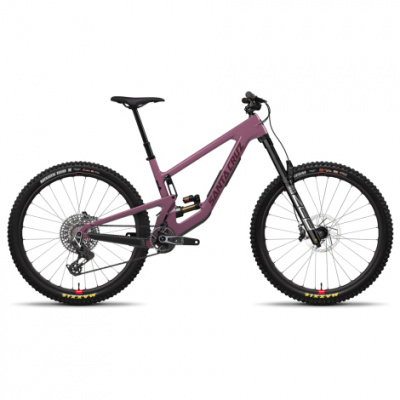
Santa Cruz Megatower
Crush steep, rough descents with high-speed composure, then pedal back up without hating the climb.
- 165mm VPP rear, 170mm fork: big-hit absorption, pedal-friendly platform
- Glovebox downtube storage: tools and spares stay secure
- Size-specific chainstays: consistent handling across S to XXL
- Flip chip geometry: tune head angle and BB height
- 29" wheels with 2.5" tyre clearance: speed and grip
- Coil-shock compatible with bottle-cage space retained
Santa Cruz Megatower Deals
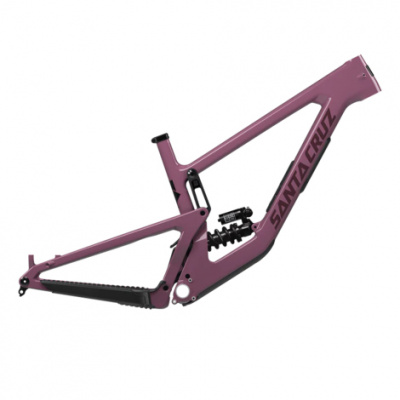
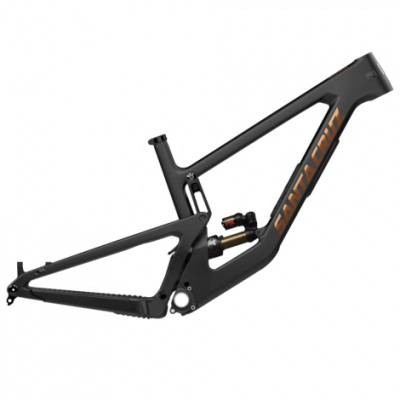
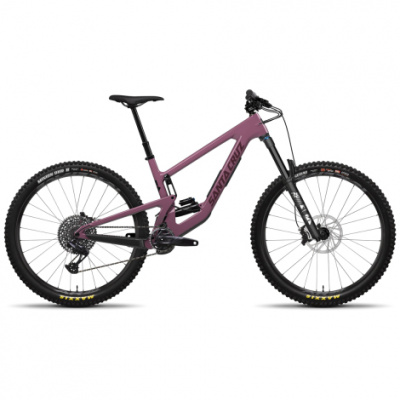
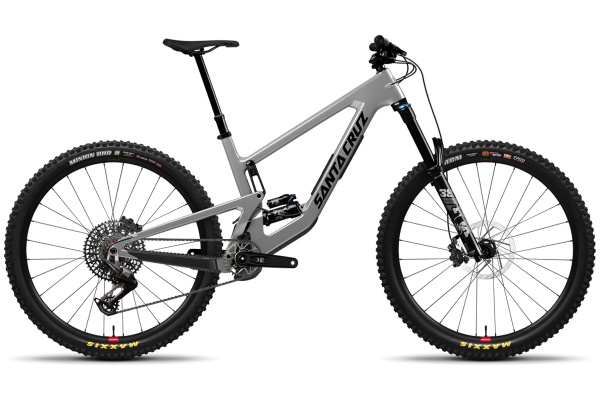
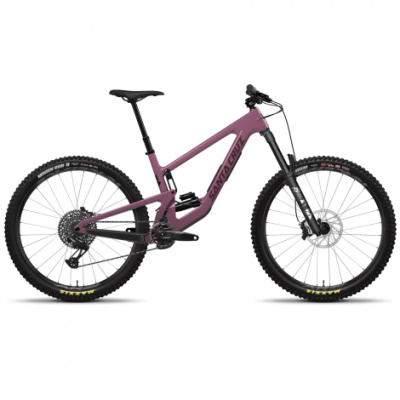
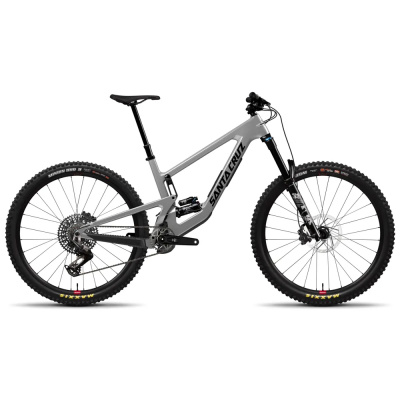
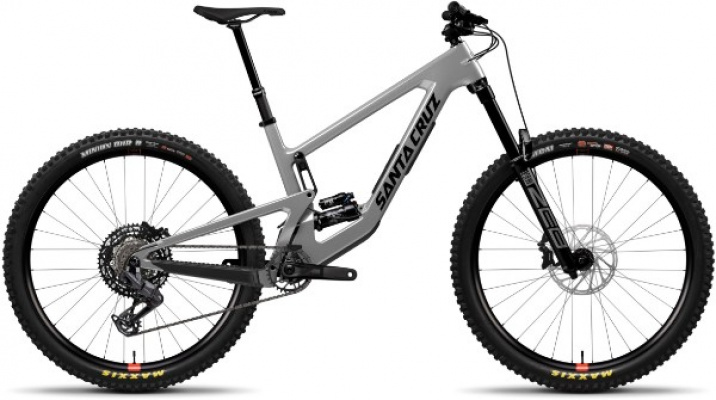
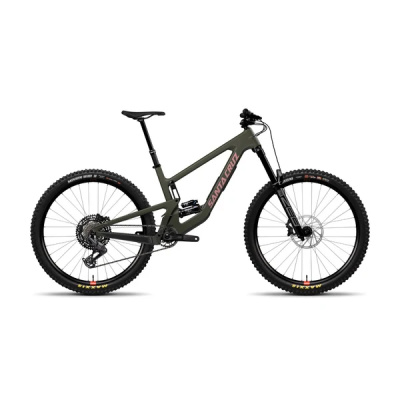
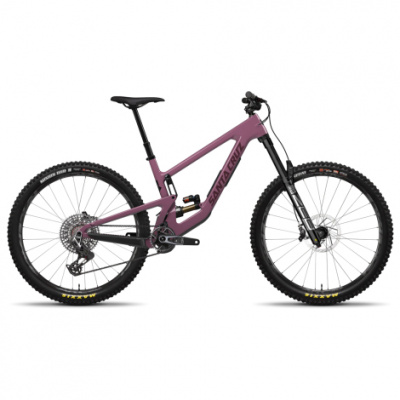

Prices and availability can change quickly. Delivery charges are not always included in listed prices.
Final price, stock status and delivery terms are set by retailer. We may receive a commission on purchases made.
Bikesy's Verdict
The Megatower is the bike you want when the trail gets steep, rough, and fast. It soaks up repeated hits, holds a line through compressions, and climbs well enough to justify the ride to the top - all while keeping tools secure in the downtube and giving you room to fit a coil shock if you prefer. The Carbon C frame delivers the same stiffness and strength as the pricier CC option, just with a touch more weight, and the VPP suspension platform balances descending prowess with pedalling efficiency better than most bikes in this travel range.
If you're racing enduro, lapping a bike park, or chasing big-mountain descents where confidence and composure matter more than agility, the Megatower makes a compelling case. It's not the lightest or most playful option for mellower trails, but that's not what it's built for. This is a downhill bike you can pedal everywhere, and it does both jobs exceptionally well.
Pros
- Exceptional high-speed stability and descending composure on rough, steep terrain
- Surprisingly capable climber for 165mm travel, thanks to steep seat angle and efficient VPP
- Glovebox downtube storage keeps tools secure without external straps or rattles
- Size-specific chainstays deliver consistent handling across the full size range
- Coil-shock compatible with bottle-cage space retained
Cons
- Heavier than racier enduro options if you're chasing climb times or prefer a lighter feel
- Long wheelbase and slack geometry feel less playful on mellower, tighter trails
- Overkill for riders whose local terrain is mostly groomed flow or rolling XC
About the Santa Cruz Megatower
The Megatower has always worn its intent on its sleeve: this is a downhill bike you can pedal everywhere. The Carbon C frame delivers the same stiffness and strength as its pricier CC sibling - just with a touch more weight - and wraps Santa Cruz's lower-link VPP suspension around 165 millimetres of rear travel. Pair that with a 170-millimetre fork and you've got a machine that soaks up repeated hits, holds a line at speed, and still climbs well enough to justify the ride to the top.
What sets the Megatower apart is how it balances gravity-fed aggression with trail-bike manners. The steeper seat angle keeps your weight forward when you're grinding uphill, while the slack head angle and long wheelbase plant the front wheel through rock gardens and compressions. You're not wrestling it through tight switchbacks - it's composed rather than darting - but point it downhill and the bike finds another gear entirely. The Glovebox storage tucked into the downtube is a practical touch: no more rattling tools or zip-tied spares, just a clean latch and room for essentials.
This is the bike for riders who chase steep, unkempt descents and want the headroom to push harder without the chassis folding. It's equally at home on enduro stages, bike-park laps, or all-day epics where the climbs are a tax you pay for the descents. If your weekends involve more gravity than groomed flow, the Megatower makes a compelling case.
Santa Cruz Megatower geometry
Reach grows steadily from 430 millimetres in small to 520 in double-XL, and Santa Cruz pairs each frame size with the same 436-millimetre chainstay to keep the handling consistent. That's a deliberate choice: shorter riders get the same balanced feel as taller ones, without the back end growing disproportionately long. The result is a bike that corners predictably across the size range, with enough front-centre length to keep the front wheel tracking through rough ground rather than deflecting.
The 63.8-degree head angle (in the high flip-chip setting) is slack enough to inspire confidence at speed but not so extreme that you're fighting the bike on tighter trails. Drop the chip into the low position and you'll slacken things by three-tenths of a degree while lowering the bottom bracket by 3.5 millimetres - useful if you're racing or riding steeper, looser terrain where every bit of stability counts. The 77-degree seat angle (effective) is steep by older standards but typical for modern enduro bikes; it puts you over the cranks when seated, so climbs don't feel like you're pushing a wheelbarrow.
Stack climbs with reach, so taller riders aren't forced into a cramped cockpit. The wheelbase stretches past 1,300 millimetres in XL, which translates to high-speed calm and a reluctance to get knocked off line. You'll notice it most when the trail gets rough and fast: the Megatower holds its composure where shorter bikes start to feel nervous. On mellower trails or tighter woods, that same length can feel less playful - this isn't a bike that flicks through tight gaps - but that's the trade-off for descending security.
Component choices & upgrades
The Carbon C build comes well sorted from the factory. SRAM's GX Eagle drivetrain offers a wide 10-50 tooth range that covers steep climbs and fast descents without drama, and the Code R brakes deliver plenty of power with 200-millimetre rotors front and rear. The FOX 38 Performance fork and Float X2 shock are capable pieces - more than adequate for most riders - and the Maxxis Assegai front tyre is a confidence-inspiring choice for loose or mixed conditions. RaceFace AR Offset rims on DT Swiss 370 hubs with a 36-tooth ratchet provide reliable engagement and durability.
That said, if you're racing or riding at the sharp end, there's room to refine. Upgrading to a FOX 38 Factory fork brings finer damping adjustments and a lighter chassis, which you'll feel most on long, chattery descents where small-bump compliance matters. Swapping the shock to a coil - something the frame accommodates without sacrificing bottle-cage space - can add suppleness and support if you're heavier or prefer the feel of a steel spring. The rear tyre is a Minion DHR II in MaxxTerra compound; if you're chasing outright grip, a MaxxGrip rear or a Continental Kryptotal can add security in loose or wet conditions, though you'll trade some rolling speed.
Cockpit tweaks are personal. The 800-millimetre Burgtec bar and 42-millimetre stem suit most riders, but if you're taller or prefer more leverage, a wider bar or shorter stem can sharpen steering response. The RockShox Reverb Stealth dropper is reliable, though some riders prefer the simpler internals of a cable-actuated post if they've had hydraulic issues in the past. None of these upgrades are essential - the stock build is genuinely capable - but they're worth considering if your skills or terrain demand more.
Where the Santa Cruz Megatower excels
This bike is built for steep, technical descents where speed and composure matter more than agility. If you're racing enduro, lapping a bike park, or exploring big-mountain trails with sustained rough sections, the Megatower gives you the confidence to carry speed and trust the chassis. The VPP suspension absorbs repeated square-edged hits without packing up, and the long wheelbase keeps the front wheel planted through compressions and rock gardens. You can push harder because the bike isn't asking you to manage it - it just gets on with the job.
It's also surprisingly capable on climbs. The steep seat angle and efficient VPP platform mean you're not fighting the suspension or your position when the gradient kicks up. You won't mistake it for a cross-country bike, but it'll get you to the top of long fire roads or technical climbs without excessive fatigue. That makes it a genuine one-bike option if your riding mixes big descents with significant elevation gain.
Where it's less ideal is on mellower, flatter trails or tight, twisty singletrack where nimbleness matters more than stability. The long wheelbase and slack geometry mean it doesn't flick through tight corners or change direction as quickly as shorter-travel trail bikes. If your local riding is mostly groomed flow trails or rolling XC, the Megatower will feel like overkill - capable, but not as playful or responsive as something with less travel and a shorter wheelbase. It's also on the heavier side, so if you're chasing Strava times on climbs or prefer a lighter, more flickable feel, there are better choices.
Santa Cruz Megatower FAQs
Is the Santa Cruz Megatower good for climbing?
Yes, surprisingly so for a bike with this much travel. The steep 77-degree seat angle keeps your weight forward and centred over the cranks, while the VPP suspension platform resists bob without feeling overly firm. You'll climb more slowly than on a lighter trail bike, but the Megatower won't leave you exhausted before the descent.
What is the travel of the Santa Cruz Megatower?
165 millimetres at the rear, paired with a 170-millimetre fork as standard. You can fit a 65-millimetre-stroke shock to increase rear travel to 170 millimetres if you want more cushion, and the frame accepts forks up to 180 millimetres without compromising geometry too severely.
What is the best year for the Santa Cruz Megatower?
The 2023 model introduced the V2 platform with revised VPP suspension, steeper seat angles, size-specific chainstays, and the Glovebox storage - all significant improvements. The 2024 and 2025 models carry those updates forward with new colourways and minor spec tweaks, so any V2-generation Megatower (2023 onward) is a strong choice. Earlier models (2019 - 2022) are still capable but lack the refinement and storage of the V2.
What is the weight of the Santa Cruz Megatower Carbon C?
Frame weight is approximately 3.5 kilograms, roughly 250 to 280 grams heavier than the Carbon CC frame. Complete bike weight varies by build, but expect around 16 to 17 kilograms for a typical Carbon C spec with alloy wheels and mid-tier components.
Can the Santa Cruz Megatower fit a coil shock?
Yes, the frame is designed to accommodate coil shocks while still leaving room for a bottle cage in the front triangle. That's a deliberate design choice for riders who prefer the suppleness and support of a steel spring, particularly on rough or high-speed terrain.
What size tyres fit on the Santa Cruz Megatower?
Up to 2.5 inches wide. The stock setup typically runs a 2.5-inch Maxxis Assegai up front and a 2.4-inch Minion DHR II at the rear, which offers a good balance of grip, rolling speed, and clearance for mud.
Is the Santa Cruz Megatower good for enduro racing?
Absolutely. The combination of 165-millimetre rear travel, a slack head angle, and a long wheelbase gives you the stability and composure to carry speed through rough, steep stages. The efficient VPP suspension and steep seat angle mean you won't lose too much time on liaison climbs, and the Glovebox storage is handy for spares during long race days.
What are the alternatives to the Santa Cruz Megatower?
Within Santa Cruz, the Nomad offers similar travel with mixed-wheel compatibility and a more freeride-oriented character, while the Hightower is a lighter, more versatile trail bike with less travel. Cross-brand, the Specialized Enduro, Yeti SB160, Trek Slash, and Pivot Firebird are direct competitors with comparable geometry and travel.
Key Features & Benefits
- 165mm VPP rear suspension with lower-link shock mount: Absorbs repeated big hits without packing up, while maintaining pedalling efficiency on climbs
- Glovebox integrated downtube storage: Secure, rattle-free space for tools and spares without external straps or bags
- Size-specific 436mm chainstays across all frame sizes: Consistent, balanced handling whether you're on a small or double-XL frame
- Flip-chip geometry adjustment: Tune head angle and bottom-bracket height to suit steeper terrain or personal preference
- Coil-shock compatibility with retained bottle-cage mounts: Fit a steel-spring shock for added suppleness without sacrificing hydration space
Santa Cruz Megatower 2024, 2023 & 2022 differences
The 2023 model introduced the V2 generation of the Megatower, bringing significant updates: revised VPP suspension with improved bottom-out resistance and a more progressive leverage curve, steeper seat tube angles (77 degrees effective) for better climbing position, size-specific chainstays (436mm across all sizes) to ensure consistent handling, and the addition of Glovebox integrated downtube storage. Rear travel increased to 165 millimetres (from 160mm on the original), and the frame was redesigned to accommodate coil shocks while retaining bottle-cage space.
The 2024 model carried the V2 platform forward with new colourways and minor spec updates but no significant geometry or suspension changes. The core design remained consistent with the 2023 iteration.
The 2022 model was the first year of the V2 announcement, featuring the travel increase to 165mm rear and 170mm front, the revised VPP suspension, and Glovebox storage. Earlier models (2019 - 2021) used the original Megatower platform with 160mm rear travel, adjustable chainstay length (rather than size-specific), and slightly less progressive suspension tuning. The V2 generation (2022 onward) represents a meaningful step forward in climbing efficiency, descending composure, and practical storage.
Alternatives to Consider
Within the Santa Cruz range, the Santa Cruz Nomad offers similar 165-millimetre rear travel but with mixed-wheel (29-inch front, 27.5-inch rear) compatibility and a more freeride-focused character - slightly more playful in the air, slightly less efficient on climbs. If you want less travel and more all-day versatility, the Santa Cruz Hightower drops to 145 millimetres of rear travel with a shorter wheelbase, making it lighter and more flickable on mellower trails while still handling rough descents competently.
Cross-brand, the Specialized Enduro Expert is a direct rival with 170 millimetres of rear travel, a slightly steeper head angle, and Specialized's adjustable geometry system for fine-tuning. The Yeti SB160 T2 matches the Megatower's travel and descending focus but uses Yeti's Switch Infinity suspension, which some riders find more supple in the mid-stroke. The Trek Slash 9.7 offers 160 millimetres of rear travel with Trek's Active Braking Pivot, designed to keep the suspension active under braking - useful if you're hard on the anchors mid-corner. For a slightly different flavour, the Pivot Firebird 29 Team XTR brings 162 millimetres of DW-link travel and a reputation for composed, predictable handling, though it's typically spec'd at a higher price point. Finally, the Evil Offering V2 GX delivers 160 millimetres of DELTA suspension with a more rearward axle path, which some riders prefer for square-edged hits and a planted rear end.
Each of these bikes trades blows with the Megatower depending on your priorities - slightly more travel here, a touch less weight there, different suspension kinematics - but all occupy the same aggressive enduro space where descending prowess and climbing capability need to coexist.
Reviews
Stability at speed is where this bike earns its reputation. Long, rough descents that would have lesser frames chattering or deflecting feel composed and predictable under the Megatower, with the VPP suspension absorbing repeated hits without packing up or feeling harsh. The lower-link shock mount keeps the rear wheel tracking through compressions and square edges, and the long wheelbase means the front end stays planted even when the trail gets loose or off-camber.
Climbing performance surprises most riders who expect a bike with this much travel to be a slog. The steep seat angle and efficient suspension platform mean you're not fighting bob or a rearward position when the gradient kicks up, and the bike carries momentum well on fire roads or technical climbs. It's not as light or nimble as a trail bike, but it won't leave you exhausted before the descent.
When the trail points down, the Megatower finds another level. High-speed sections, rock gardens, and jump lines all feel manageable because the chassis isn't asking you to micromanage it - just pick a line and trust the bike to hold it. The slack head angle and long front centre give you room to move around without the front wheel wandering, and the suspension has enough travel and progression to handle big compressions or case landings without bottoming harshly.
Glovebox storage is a practical addition that keeps tools and spares secure without rattles or external straps. On mellower or tighter trails, the long wheelbase and slack geometry feel less responsive - this isn't a bike that flicks through tight switchbacks or changes direction quickly. Because it's built for stability and big hits, it trades some playfulness for composure. If your riding mixes steep, rough descents with significant climbs, the Megatower delivers the confidence and capability to push harder without the chassis folding.
Full Specification
| Spec | Value |
|---|---|
| Frame | Full suspension VPP (Virtual Pivot Point) |
| Frame Material | Carbon C |
| Frame Features | Glovebox in-frame storage; internal cable routing; integrated mud flap; ISCG05 mounts; flip chip geometry adjustment |
| Tyre Clearance | Up to 2.5 inches |
| Available Sizes | S, M, L, XL, XXL |
| Bottom Bracket | Threaded BSA 68/73mm |
| Rear Axle | 148x12mm Boost |
| Fork | FOX 38 Float Performance or Factory |
| Fork Travel | 170mm |
| Rear Shock | FOX Float X2 or RockShox Super Deluxe Select+ |
| Rear Travel | 165mm |
| Suspension Platform | VPP with lower-link mounted shock; progressive leverage ratio |
| Drivetrain | 1x12 speed |
| Shifters | SRAM GX Eagle 12-speed |
| Rear Derailleur | SRAM GX Eagle 12-speed |
| Crankset | SRAM GX Eagle DUB |
| Crank Length | 170mm or 175mm |
| Chainring | 30t or 32t |
| Cassette | SRAM GX Eagle XG-1275 10-50t |
| Chain | SRAM GX Eagle 12-speed |
| Brakes | Hydraulic disc |
| Brake Levers | SRAM Code R |
| Calipers | SRAM Code R |
| Rotors (Front) | 200mm |
| Rotors (Rear) | 200mm |
| Wheels | 29 inch |
| Rims (IW) | RaceFace AR Offset 30 |
| Hubs (Front) | DT Swiss 370 15x110 |
| Hubs (Rear) | DT Swiss 370 12x148 |
| Spokes | Sapim Race |
| Tyres (Front) | Maxxis Assegai 2.5 inch 3C MaxxGrip EXO+ |
| Tyres (Rear) | Maxxis Minion DHR II 2.4 inch 3C MaxxTerra EXO+ |
| Handlebar | Burgtec Alloy 800mm width 30mm rise |
| Stem | Burgtec Enduro MK3 42mm |
| Headset | Cane Creek 40 IS Integrated |
| Seatpost | RockShox Reverb Stealth 31.6mm or Race Face Aeffect |
| Saddle | WTB Silverado Pro or WTB Volt |
| Mounts | Bottle cage mounts; glovebox storage |
| Weight (Approx) | Approximately 16.33 kg (36 lbs) for XL Carbon C |