
Santa Cruz Mountain Bikes
Santa Cruz mountain bikes have earned their cult following the hard way - through genuinely clever engineering, carbon frames that outlast the trends, and a warranty programme that puts most of the industry to shame. The lineup runs from nimble short-travel trail bikes right through to full-bore enduro sleds, so whether you're threading tight Midlands woodland or sending chunky Welsh trail centre lines, there's a model built around what you actually ride. VPP suspension sits at the heart of every full-suspension bike here, a kinematics system refined over decades that pedals cleanly and digs deep into its travel when the ground turns rough. Frames come in two carbon grades - C and CC - covering different budgets without compromising the core ride quality. Every bike ships with a lifetime frame warranty and free pivot bearing replacements for the original owner, which matters more than you'd think once a British winter gets involved. Worth knowing before you browse: if you're after motorized assistance, head to our dedicated Santa Cruz E-Bikes page. Prefer to spec your own build? The Santa Cruz Frames collection is the place to start.
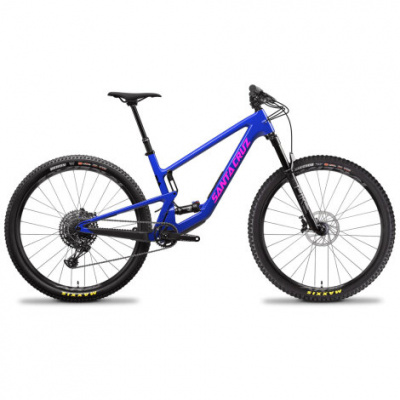
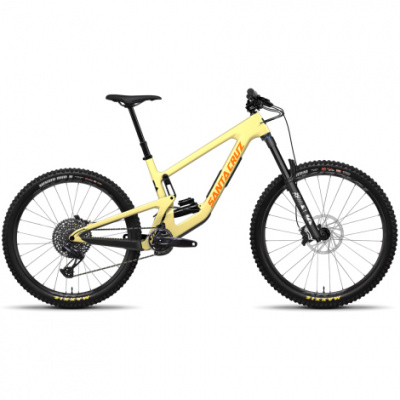
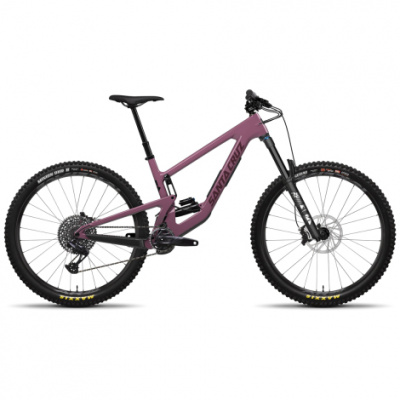
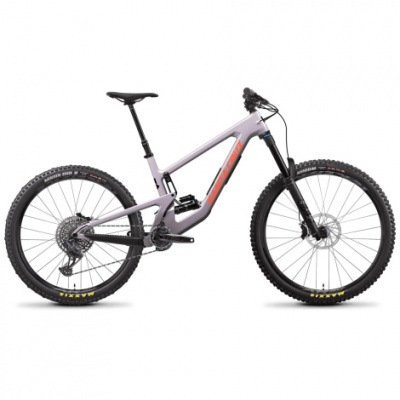
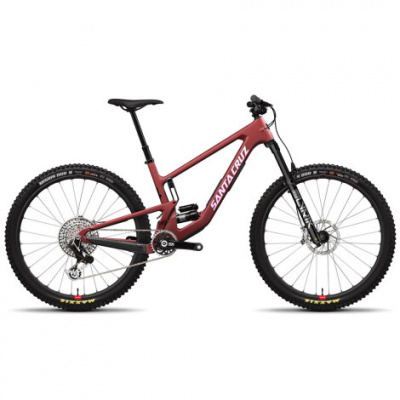
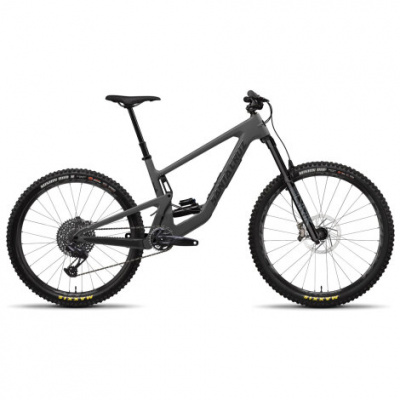
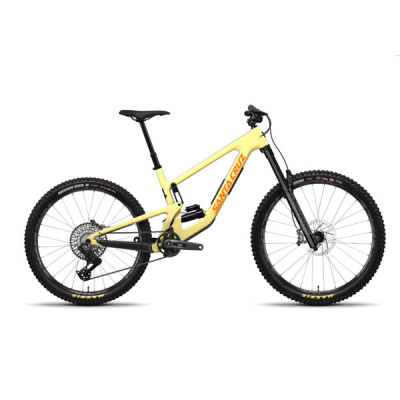
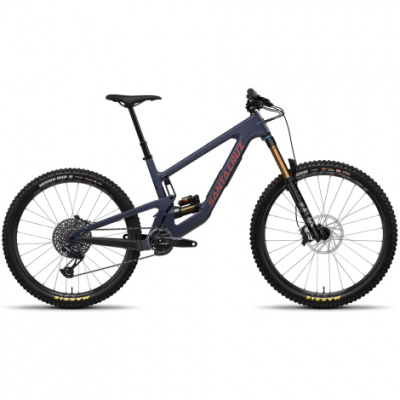
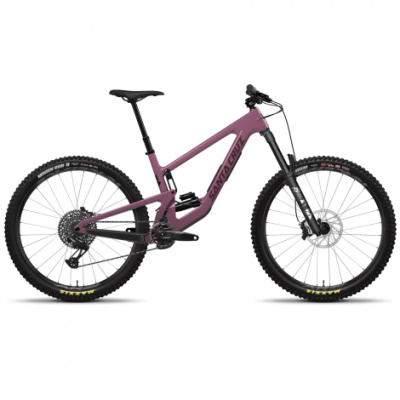
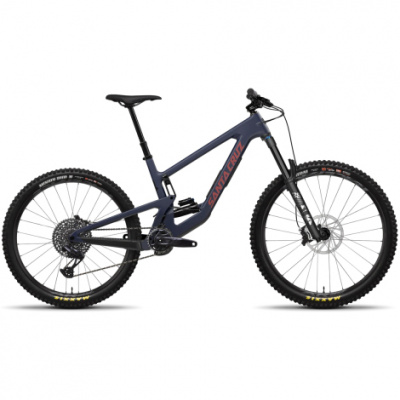
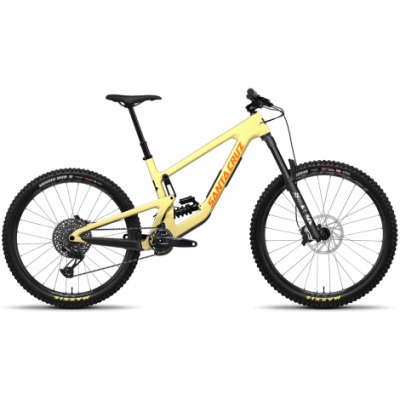
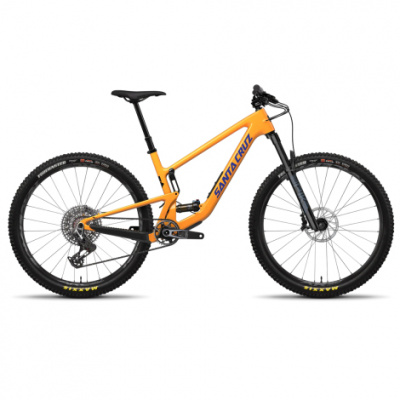
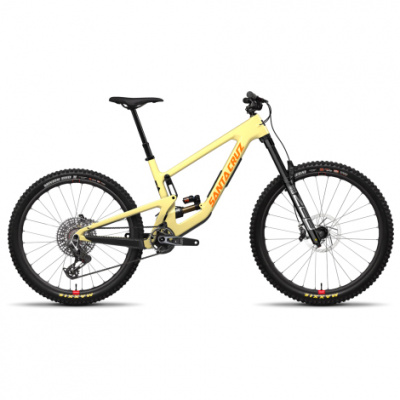
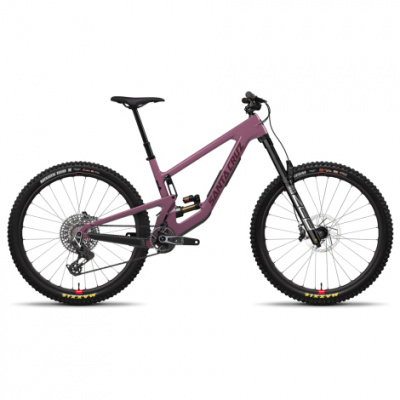
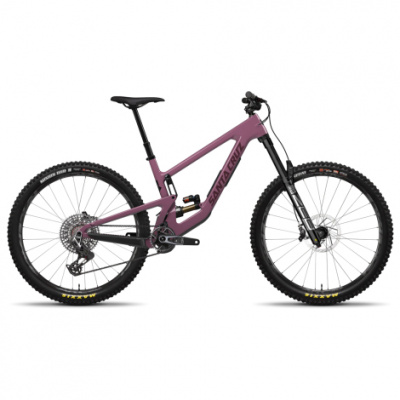
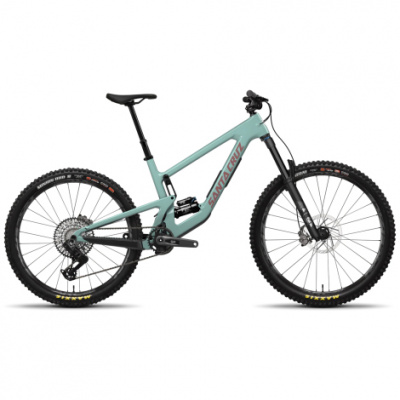
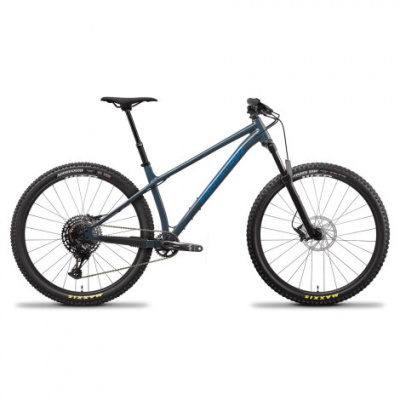
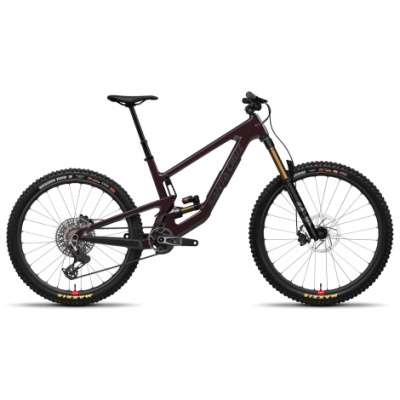
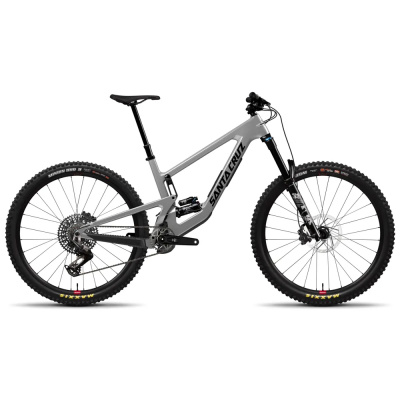
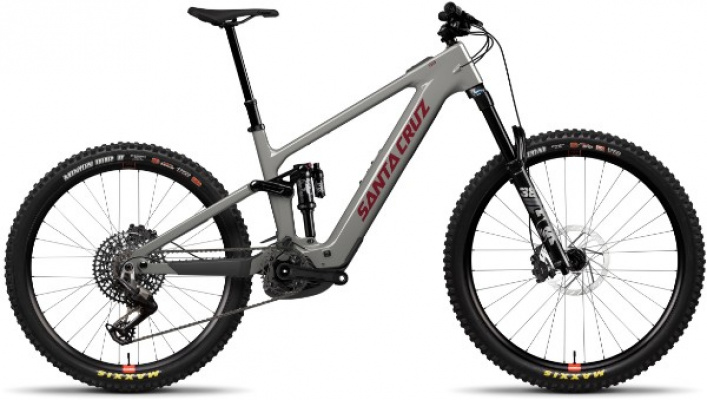
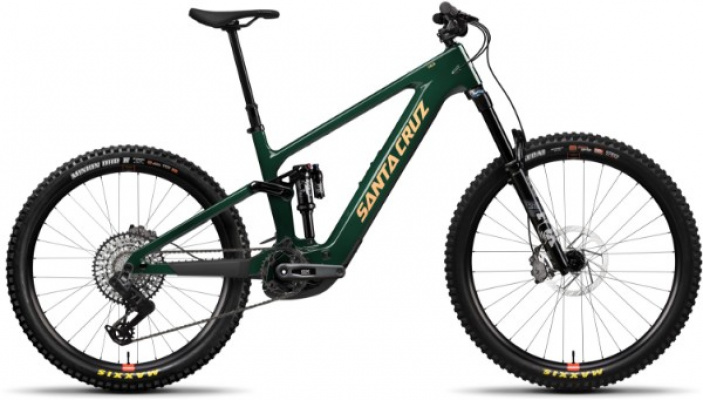
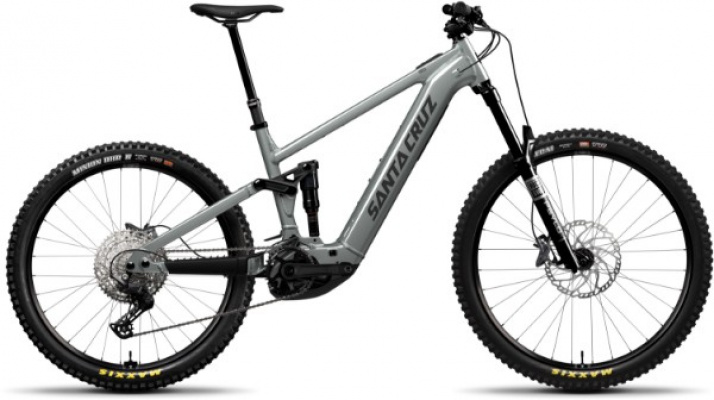
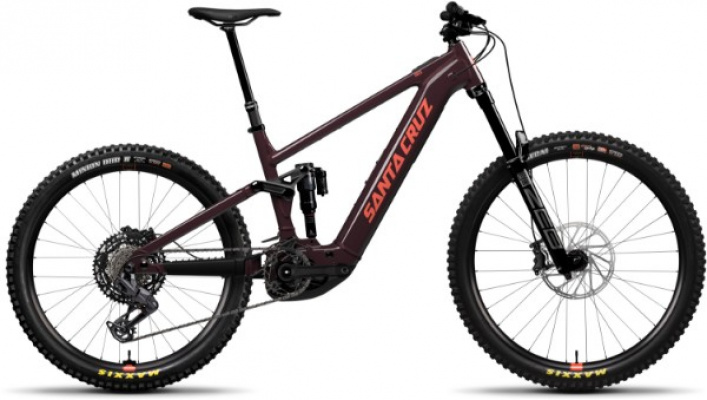
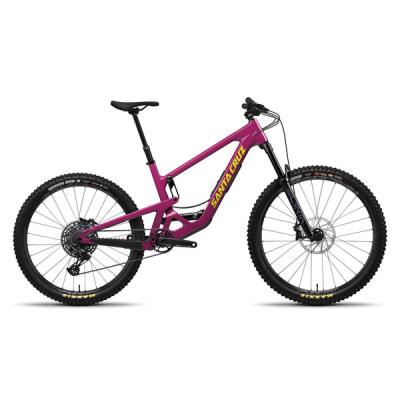
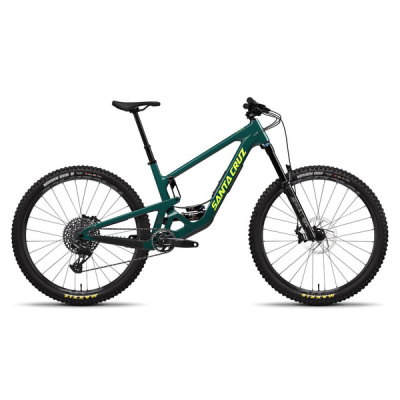
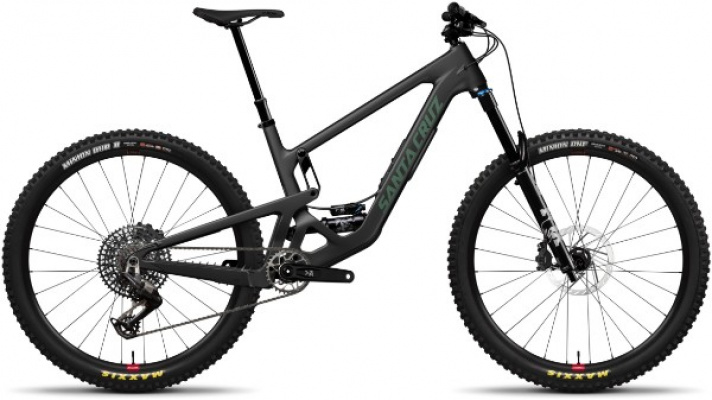
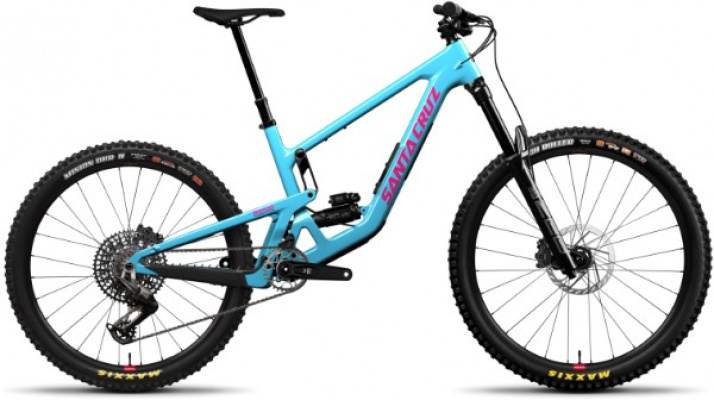
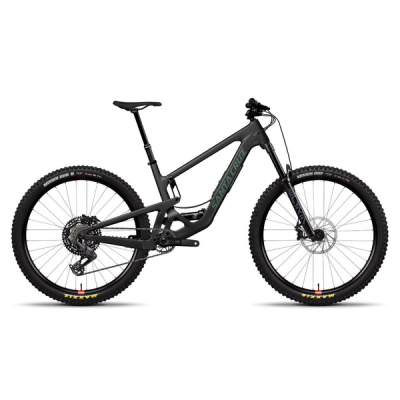
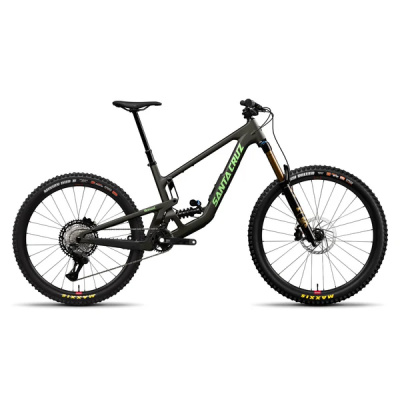
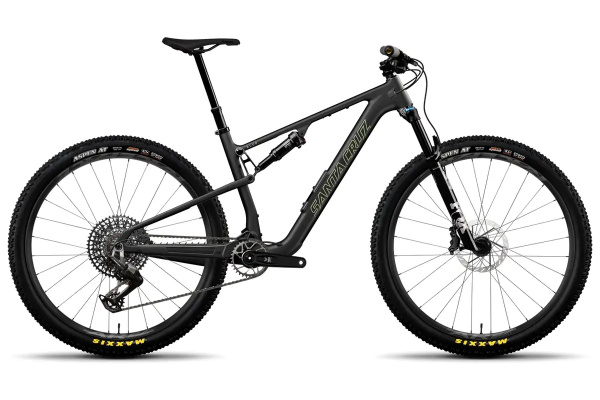
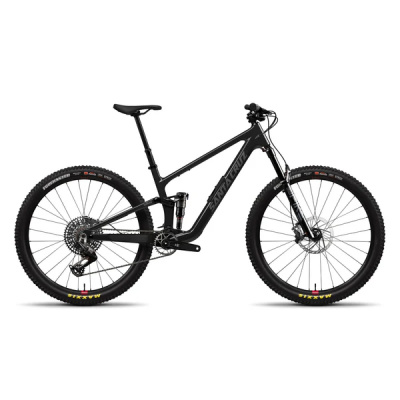
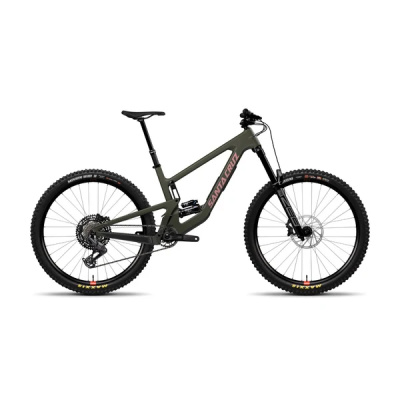
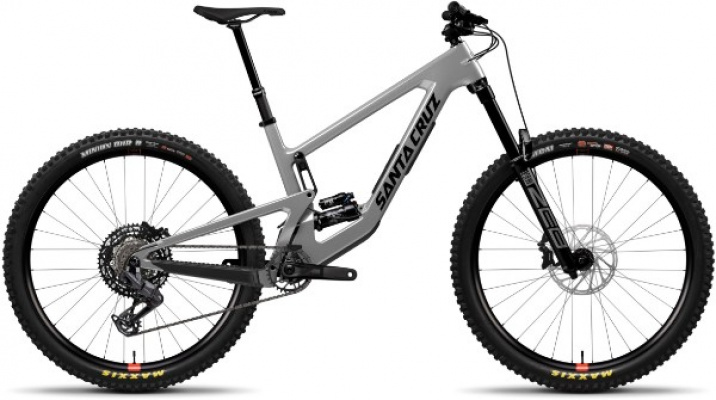
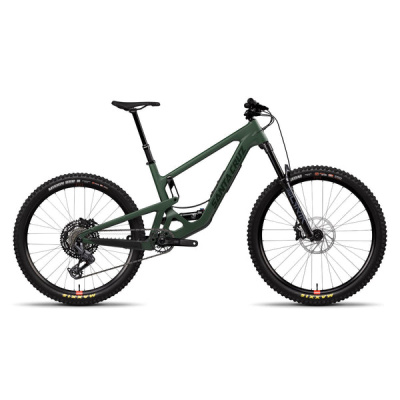
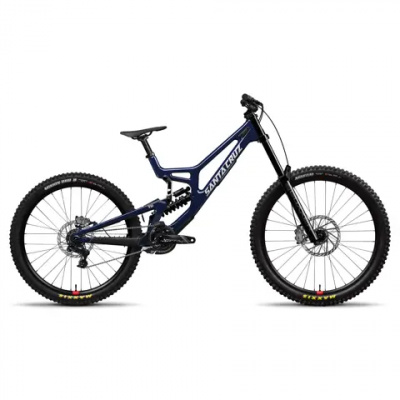
Prices and availability can change quickly. Delivery charges are not always included in listed prices.
Final price, stock status and delivery terms are set by retailer. We may receive a commission on purchases made.
Decoding the Santa Cruz MTB Lineup
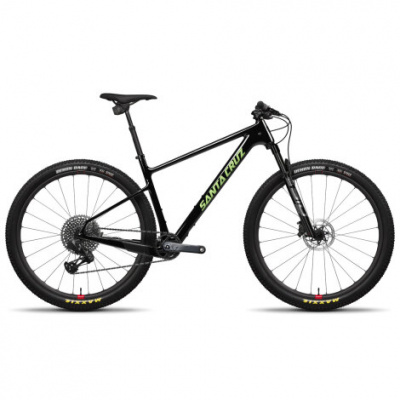
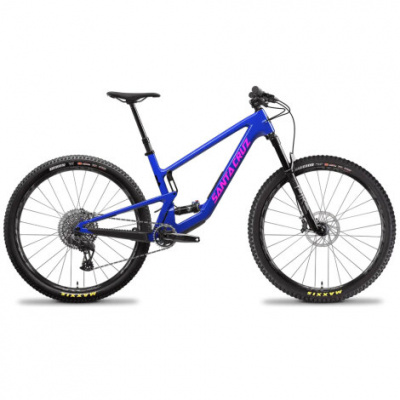
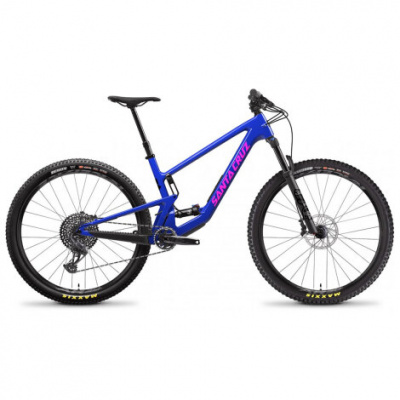
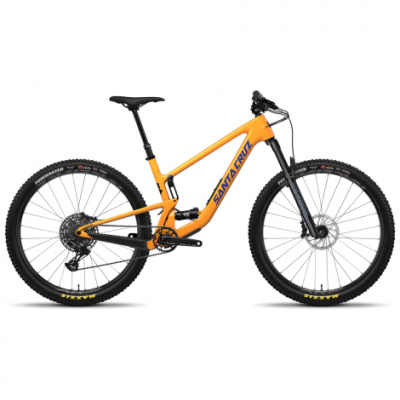
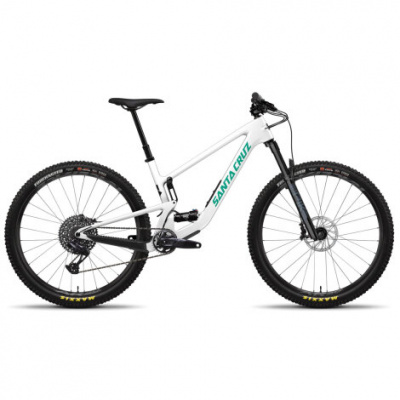
The range splits into three clear families, and knowing which one fits your riding is the quickest way to narrow things down. Short-travel trail bikes - the Tallboy and 5010 - sit at the sharper, more efficient end. The Tallboy runs 29-inch wheels with around 120mm of travel and rewards riders who want to cover distance and climb well without giving up descending fun. The 5010 runs 27.5-inch wheels with similar travel figures and has a snappier, more flick-able character that suits technical, punchy riding. Think of the Santa Cruz Tallboy vs 5010 choice as the difference between flowing and flickable - both are capable, but they reward different inputs.
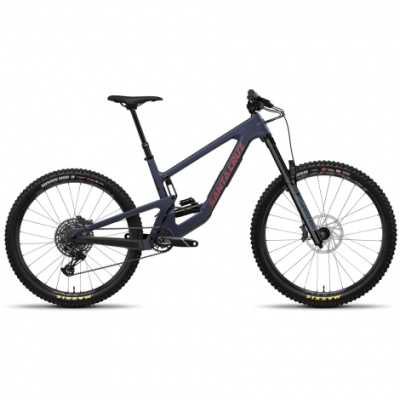
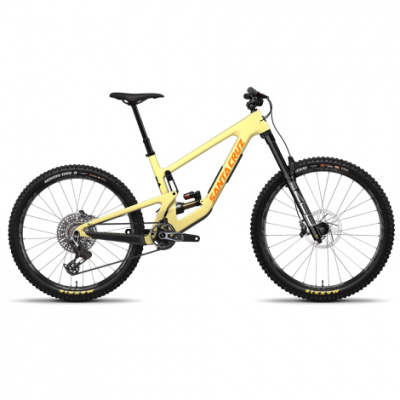
Mid-travel all-mountain bikes are where the range gets particularly compelling for UK riders. The Hightower offers around 140 - 150mm of travel on 29-inch wheels, sitting at a genuinely versatile point in the lineup. The Bronson takes a similar travel figure but uses 27.5-inch wheels - or a mullet MX wheel setup (29 front, 27.5 rear) - to sharpen its handling on steeper, looser ground. The Santa Cruz Hightower vs Megatower question comes up constantly: the Hightower is your do-everything trail weapon, while the Megatower steps up to 160mm of travel with a geometry designed for proper enduro use and racing. At the far end sits the Nomad, a dedicated enduro race bike with 170mm of travel and a chassis built around sending it rather than slogging up climbs.
Build kits follow a logical naming structure. Every frame - whether C or CC carbon - is offered across several trim levels that Santa Cruz label with letters and component groupset names. Entry builds typically carry an R or S designation with Shimano drivetrains. Step up and you'll find GX AXS wireless shifting and increasingly sorted suspension packages. Top-spec X01 and XX builds shave weight and add refined component quality throughout. The Santa Cruz gravel range follows similar logic if road-to-trail is more your thing.
The Santa Cruz Tech Philosophy
VPP - Virtual Pivot Point - is the suspension system Santa Cruz has developed and refined since the late 1990s, and it's the defining feature of every full-suspension bike in the range. It works by using two short, counter-rotating links to create a virtual pivot location that sits outside the physical frame. The practical result is a system that resists chain-induced squat when you're pedalling hard uphill, then opens up and tracks the ground with impressive sensitivity the moment the going gets rough. That combination of pedalling efficiency and descending depth is what separates VPP from simpler single-pivot designs.
The lower-link mounted shock is part of what makes this work. By driving the shock from the lower link rather than a rocker arm up high, Santa Cruz keeps the suspension motion well-controlled and the overall feel consistent through the travel. It's not just a theoretical benefit - riders moving across from bikes with high-mounted shocks often notice how composed a Santa Cruz feels when the trail deteriorates quickly.
Geometry flip chips appear across the mid and long-travel models, letting you adjust bottom bracket height between a higher and lower setting. Higher gives more clearance on technical ground; lower drops the centre of gravity for faster, more committed riding. It's a ten-minute job in the car park with a torque wrench. Proportional geometry is another detail worth understanding - Santa Cruz scales chainstay lengths with frame size, meaning a size large and a size small aren't just stretched versions of each other. Smaller riders get a chassis that actually handles correctly for their weight and body position, not an oversized bike squeezed down.
The Glovebox - Santa Cruz's in-frame downtube storage - appears on several models and deserves a mention. It's a proper hinged compartment built into the downtube that swallows a tube, tyre levers, and a multi-tool without any rattling. Useful on a long day out when you don't want a hip pack. CC carbon uses a higher-grade fibre specification and more refined layup process than the standard C carbon. The stiffness and strength are the same - Santa Cruz is clear on this - but CC frames come out meaningfully lighter. C carbon brings the same ride character at a lower price point, and for most riders who aren't counting grams, it's the smarter buy.
Living with a Santa Cruz in the UK
Here's something worth knowing if you're riding through winter in the Peaks or the Tweed Valley: the lower-link VPP area, tucked close to the bottom bracket, is exposed enough to collect grit and mud during sloppy conditions. It's not a design flaw - it's just geometry - but it does mean the pivot bearings work harder in UK winters than they might in Californian dust. This is precisely where Santa Cruz's lifetime bearing warranty earns its keep. Free replacement pivot bearings for the original owner, for life, is genuinely unusual in this industry and takes a real sting out of long-term ownership costs. Keep the pivots clean with a hose-down after muddy rides, and they'll last well between services.
Sizing is worth a brief mention. Santa Cruz bikes tend to feel slightly more compact in reach than some of the more aggressive long-and-slack brands currently popular in enduro circles. That's not a criticism - it actually makes them more manageable in tight, technical UK woodland where chucking a long bike around costs you momentum. If you're used to riding something like an Ibis or a Forbidden, check the reach figures carefully before you assume your usual size applies.
The MX mullet wheel setup - 29-inch front, 27.5-inch rear - is available on several models including the Bronson and is worth considering for riders tackling the steep, technical descents common in Welsh trail centres and Scottish riding spots. The larger front wheel rolls over rough ground more easily while the smaller rear keeps the bottom bracket height in check and quickens the steering when you need to pivot fast. It's a genuine performance choice, not a marketing gimmick. Santa Cruz full suspension bikes across the range hold their value well on the second-hand market, which makes the initial outlay feel less punishing when you eventually move on.
Related searches:
Santa Cruz Mountain Bikes FAQs
Are Santa Cruz mountain bikes worth the money?
For most serious riders, yes. The premium reflects proper carbon engineering, VPP suspension that genuinely performs at both ends of the travel, and a lifetime frame and bearing warranty that saves real money over time. Resale values hold up well too, which softens the initial cost when you eventually move on to something new.
What is the difference between Santa Cruz C and CC carbon?
CC carbon uses a higher-grade fibre and a more refined layup to hit the same stiffness and strength targets as C carbon - just at a noticeably lower weight. C carbon frames aren't a compromise on ride quality; they're simply heavier. If weight isn't your obsession, C is the smarter spend and delivers the same VPP feel on the trail.
Do Santa Cruz bikes come with a lifetime warranty?
Yes - Santa Cruz covers frames and Reserve carbon wheels with a lifetime warranty for the original owner, and that includes free replacement pivot bearings for life. For UK riders dealing with wet winters and gritty conditions, that bearing programme alone is worth factoring into the total cost of ownership.