
Zimtstern Jackets
Zimtstern MTB Jackets bring Swiss mountain engineering to British trails, blending waterproof protection with a refreshingly green approach to technical fabrics. Born in the Alps where weather shifts faster than you can drop a saddle, these jackets handle the sort of conditions you'll recognise from any autumn ride through the Peak District or a wet winter loop in the Tweed Valley. Zimtstern's roots lie in snowboarding, but their transition to dirt has been seamless - articulated sleeves, helmet-compatible hoods, and PFC-free DWR finishes that don't compromise on shedding spray.
What sets them apart is the intersection of performance and sustainability. Primaloft Bio insulation breaks down when it eventually hits landfill, bluesign approved materials keep the production chain clean, and 4-way stretch fabric means you're not wrestling a stiff shell on technical descents. Whether you're after a packable windbreaker for spring epics or a fully taped shell for Scottish slop, Zimtstern covers the spectrum without the race-replica aesthetic. These are jackets for riders who want their kit to work as hard as they do, mile after muddy mile.
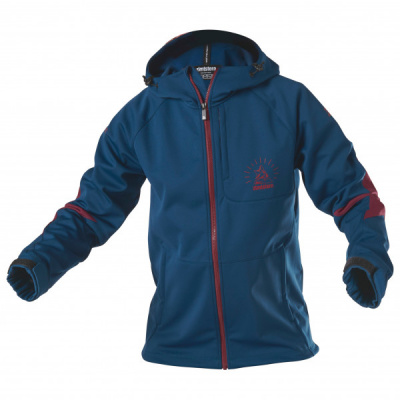
Prices and availability can change quickly. Delivery charges are not always included in listed prices.
Final price, stock status and delivery terms are set by retailer. We may receive a commission on purchases made.
Weather Protection Meets Breathability
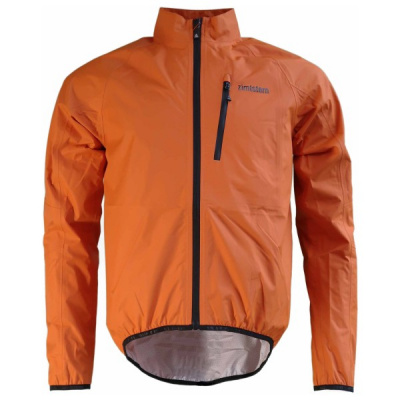
Zimtstern waterproof cycling jackets typically carry water column ratings around 10,000mm, paired with breathability figures in the same ballpark - enough to keep you dry through a sustained downpour on the South Downs without turning into a mobile sauna on the climbs. The hydrophilic membrane does the heavy lifting here, allowing moisture vapour to escape while blocking rain and trail spray. Fully taped seams seal the deal, particularly at shoulders and chest where water loves to sneak through stitching under pack straps.
The PFC-free DWR finish is where Zimtstern's green credentials show up in practice. Traditional water repellents rely on perfluorinated chemicals that linger in the environment; Zimtstern's eco-friendly alternative beads water just as effectively across the outer fabric, keeping the membrane from saturating and maintaining breathability. You'll notice it most on long, wet rides - the jacket stays light, dries faster back at the van, and doesn't cling when you're pushing through overgrown singletrack.
Storm Shell fabrics feature across their range, combining durability with a supple hand feel that doesn't crackle like budget hardshells. The 4-way stretch is crucial here. When you're reaching for a low bar on a steep chute or twisting to check your line, the fabric moves with you rather than pulling tight across shoulders or restricting elbow bend. It's a detail you don't think about until you try a non-stretch shell and feel like you're wrapped in cardboard.
Trail Fit and Compatibility
Zimtstern jackets run what they call a 'Ride Fit' - relaxed enough to layer a Zimtstern jersey or thermal base underneath, but not so baggy that excess fabric flaps on descents or snags on branches. Articulated sleeves are pre-curved to match your riding position, so there's no bunching at the elbows or tension across the forearms when you're in attack mode. Drop tails extend coverage at the back, keeping roost and road spray off your lower back and backside - handy on any winter ride through the Forest of Dean or a muddy blast round Gisburn.
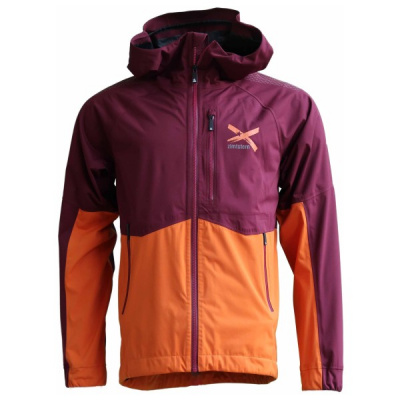
Hood designs deserve attention. Zimtstern builds them to fit over trail helmets without ballooning or blocking peripheral vision, using adjustable toggles at the back and a stiffened peak to keep rain out of your eyes. It's a feature that separates trail-specific jackets from generic outdoor shells. If you're running elbow pads or a lightweight back protector, the Ride Fit accommodates them without feeling restrictive - something to consider if you're hitting uplift days or gnarlier natural trails where a bit of armour makes sense.
Cuffs typically use hook-and-loop tabs or low-profile elastic, sitting snug over gloves without riding up or letting draughts in. Pit zips appear on some models, giving you a quick ventilation option when the gradient kicks up and you're generating more heat than the breathable membrane can shift alone. Pockets are positioned high enough to clear hip pack belts, usually with water-resistant zips and enough room for a phone, snack, or multi-tool.
Shells vs. Insulation: Choosing Your Layer
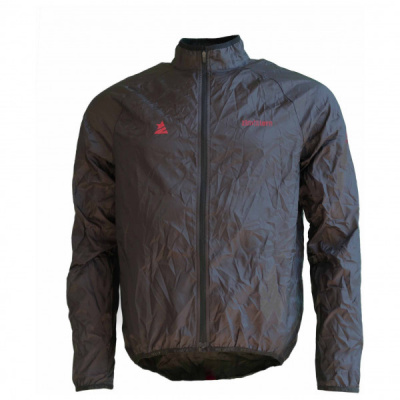
Zimtstern's range splits broadly into lightweight windbreakers and insulated options, and knowing which suits your riding makes all the difference. A Zimtstern windbreaker MTB jacket is your spring and autumn workhorse - packable, breathable, and designed to cut wind chill on exposed ridgelines or fast descents where sweat management matters more than warmth. These shells layer beautifully over a long-sleeve jersey, and you can stuff them into a pack pocket when the sun breaks through mid-ride.
For winter, Primaloft Bio insulation changes the game. This biodegradable synthetic fill traps warmth without the bulk of down, and it keeps insulating even when damp - a non-negotiable trait for British conditions. Insulated jackets work best for cold, dry days or as a mid-layer under a waterproof shell when temperatures drop below freezing. Think December rides in the Cairngorms or early-morning winter loops where you're starting cold and staying that way for the first hour.
Layering is where Zimtstern's system thinking pays off. Pair a breathable mountain bike jacket shell with a Zimtstern trouser and you've got a cohesive kit that manages moisture and temperature across a wide range. The S.Cafe technology - odour control using recycled coffee grounds woven into the fabric - keeps things fresher on multi-day trips or when you're too knackered to wash kit between rides. It's a small detail, but it works.
If you're comparing options, 7mesh jackets lean more minimalist and race-focused, while Endura jackets offer broader sizing and often come in at a lower price point. Dirtlej takes a different tack entirely with their poncho-style coverage, great for commuting but less tailored for aggressive trail riding. Zimtstern sits in the middle - technical enough for serious days out, stylish enough that you don't look like you've raided a road cyclist's wardrobe.
Swiss Roots and a Greener Approach
Zimtstern started life making snowboard gear in the Swiss Alps, where conditions swing from bluebird powder days to sideways sleet in the space of an hour. That background shows in their approach to mountain biking - they understand variable weather, high-output activity, and the need for kit that doesn't quit when things get grim. The transition from snow to dirt wasn't a marketing pivot; it was a natural extension of designing for mountain environments.
The brand's 'Made for Friends' ethos underpins their sustainability push. Bluesign approved materials mean the entire supply chain - from raw fabric to finished jacket - meets strict environmental and safety standards. PFC-free DWR coatings, recycled polyester, and Primaloft Bio insulation all point the same direction: reducing the footprint of high-performance gear without compromising what it does on the trail. It's not greenwashing; it's baked into the product line.
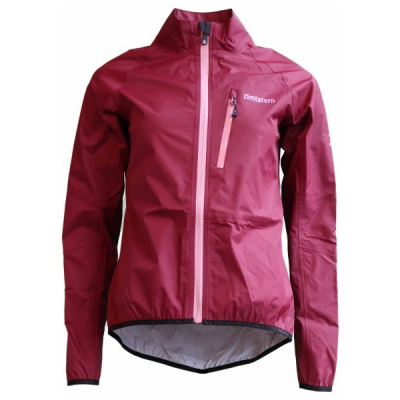
Zimtstern women's trail jackets get equal attention in the range, with cuts tailored for female riders rather than shrunk-and-pinked versions of men's designs. Shorter torsos, adjusted sleeve lengths, and shaped waists make a tangible difference in fit and comfort. If you're after Swiss engineered bike jackets that don't treat women's kit as an afterthought, Zimtsern delivers.
Durability matters too. These aren't disposable shells you'll replace every season. Reinforced zones at shoulders and elbows handle pack rub and the occasional off, and the fabrics hold up to repeated washing without losing water repellency. When the DWR eventually wears down - usually after a year or two of hard use - a spray-on treatment brings it back to life. Compared to brands like Fox or ION, Zimtstern leans more understated in graphics but no less robust in construction.