
Zefal Pannier Racks
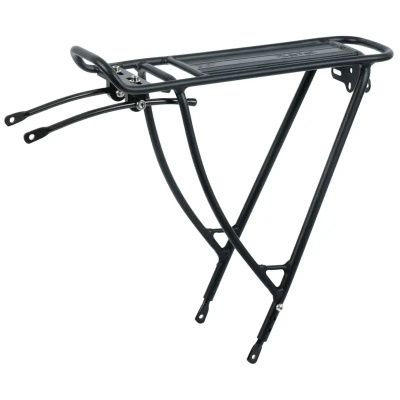
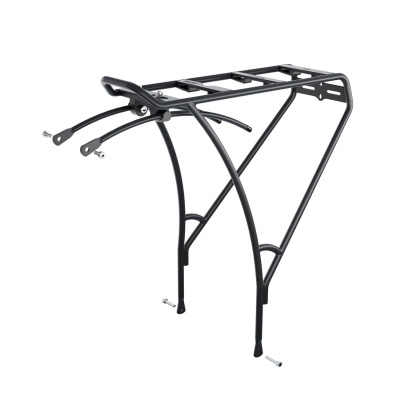
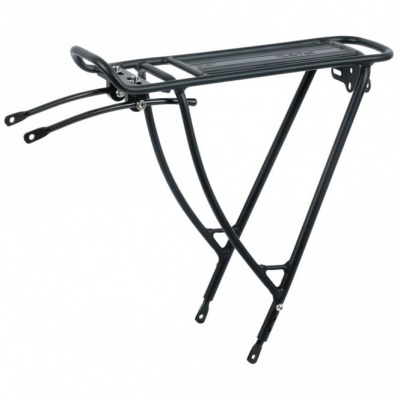
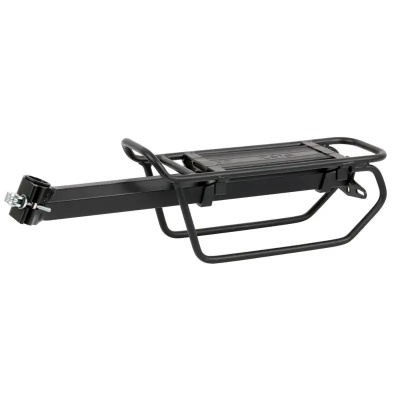
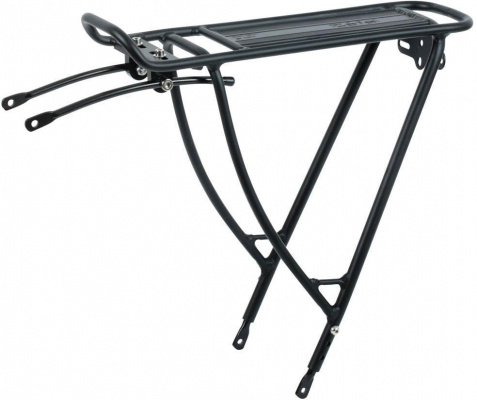
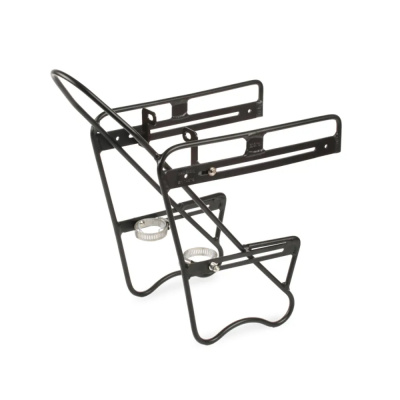
Zefal pannier racks are engineered in France to handle everything from a damp Monday commute to a fully loaded multi-day tour - and they're built with the kind of mechanical rigour that makes bike shop staff actually recommend them. The Raider series uses hollow 6061 aluminium throughout, which keeps weight honest without sacrificing the stiffness you need when a pair of heavy panniers are swinging off the back on a rough B-road. That's not marketing padding - it's a genuine structural choice that affects how your bike handles when loaded.
Compatibility is where a lot of riders get caught out. Zefal designs these racks to work across wheel sizes from 26 inches up to 29 inches, with adjustable stays to match, and the disc-specific models are shaped to clear modern calipers that would foul a standard rack's lower legs. If you're running full-length Zefal mudguards underneath - sensible on UK roads - you'll want to check deck clearance before you commit to a model. All the load-bearing Raider racks meet ISO 11243 standards, meaning they've been independently tested to carry up to 27kg safely. For commuters, tourers, or anyone who's had a cheaper rack crack mid-ride, that certification matters.
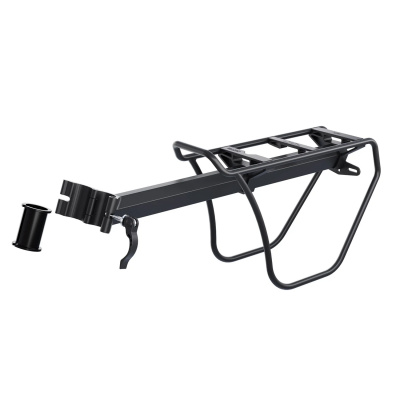
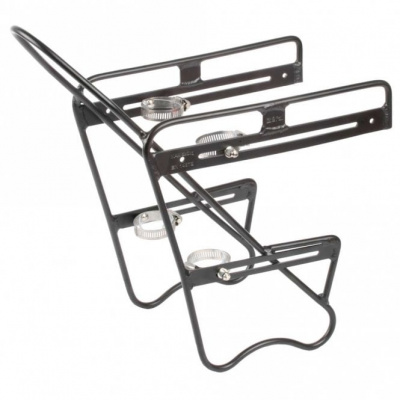
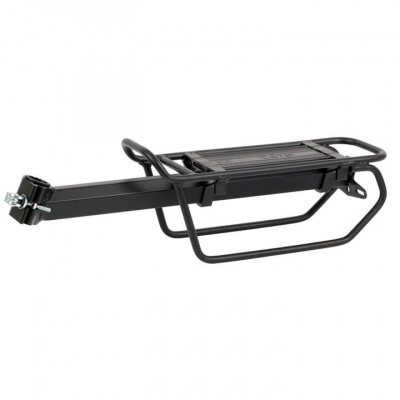
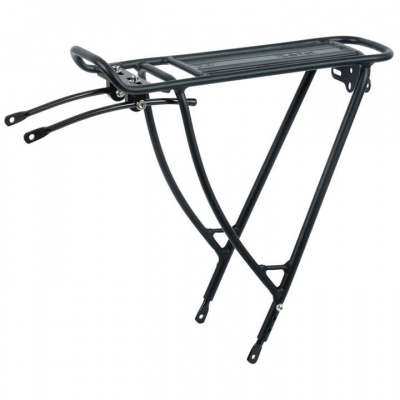
Prices and availability can change quickly. Delivery charges are not always included in listed prices.
Final price, stock status and delivery terms are set by retailer. We may receive a commission on purchases made.
Will a Zefal Rack Actually Fit Your Bike?
This is the question worth answering before anything else. Start by checking whether your frame has threaded eyelets at the rear dropouts and along the seat stays - these are the anchor points that make a solid, rattle-free installation possible. Most dedicated commuter and touring bikes have them as standard, but plenty of sportive road bikes and older frames don't. Run your finger along the underside of the seat stays and around the dropout plate; you're feeling for small threaded bosses, usually M5.
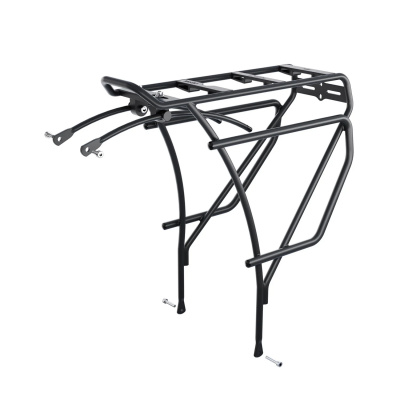
Disc brake clearance is the other variable that catches people out. Standard rack legs run straight down toward the dropout, which puts them directly in the path of a post-mount or flat-mount caliper on most modern bikes. Zefal addresses this on the Raider R70 with offset lower legs that kick outward to clear the caliper body without compromising the rack's structural integrity. If you're unsure whether your caliper protrudes past the frame, hold a straight edge along the seat stay - anything sticking beyond that line needs a disc-specific rack. Wheel size adjustability runs from 26 inches through 27.5 inches, 700c, and 29 inches via the adjustable side structures, so geometry mismatches are rarely a dealbreaker. Heel clearance is trickier: it depends on your chainstay length and foot size, and Zefal's adjustable side stays on the Raider series let you shift the rack deck laterally to dial this in. Worth checking with a loaded bag before you bolt everything tight.
Raider R30, R50, and R70: Picking the Right Tier
The Raider range runs three tiers, and they suit genuinely different use cases rather than just sitting at different price points for the sake of it. The R30 is the stripped-back option - a clean platform rack aimed at commuters who want solid mounting brackets and a decent load platform without extra bulk. It's light, fits most standard frames with eyelets, and does the job for a day bag or a couple of soft panniers. No frills, which is exactly what some riders want.
Step up to the R50 and you gain side rails around the rack deck. That sounds minor, but those rails are what keep pannier hooks located properly when you're bouncing over potholed city streets. Without them, a heavily loaded bag can work its way forward or backward across the platform. The R50 also handles higher loads more confidently, making it the pick for riders who are commuting with a full change of clothes, laptop, and lunch rather than just a light messenger bag.
The R70 is the touring-grade flagship. It brings the disc brake-compatible leg geometry, the full adjustable side structures for heel clearance, and the ISO 11243-tested 27kg capacity that serious touring demands. The hollow 6061 aluminium construction gives it an optimal stiffness-to-weight ratio - stiff enough that the rack doesn't flex and creak under load, light enough that it doesn't add dead weight to a bike you're already loading heavily. If you're planning a loaded trip across the Cairngorms or heading down through the Lake District with camping gear, the R70 is the rack to look at. Compared to alternatives from Blackburn or SKS, the Raider R70 sits in competitive territory on weight and compatibility, though rack choice often comes down to how a specific model fits your exact frame rather than brand loyalty.
Once your rack is sorted, you'll need luggage to match. Browse the full range of Zefal pannier bags to complete your setup with bags designed around the same mounting geometry.
Keeping a Zefal Rack Running Through UK Winters
The 6061 alloy rack body won't rust. The steel mounting bolts absolutely will, and UK winters will accelerate that process faster than you'd expect. Road salt and winter grit work into the thread interface between bolt and frame eyelet, and if you leave it long enough, the bolt effectively welds itself in place. Getting a seized M5 rack bolt out of an aluminium frame eyelet is a bad afternoon's work. Prevention is straightforward: before you install any rack, run a thin smear of copper slip or marine grease onto every bolt thread. It takes two minutes and saves real grief down the line.
Torque is the other maintenance point that gets ignored. UK roads - particularly in cities where resurfacing is more aspiration than reality - generate constant low-frequency vibration that backs hardware out over time. Rack stays are lever arms, so even small amounts of bolt movement translate into wobble and eventually failure under load. Check bolt torque every 500 miles or so; the spec is typically 4 - 5Nm, which is firm but not aggressive. A basic torque wrench is worth keeping in your kit for this. If you're running Zefal lights off the rack or seat post, check those mounts at the same time. Also worth noting: if you're running full mudguards under the rack - and on UK roads you probably should be - confirm there's enough clearance between the guard and the rack deck so they don't contact each other when the guard flexes over a big bump. A few millimetres of breathing room is all you need, but it's worth checking before the first wet ride.
Zefal Pannier Racks FAQs
How do I know if a Zefal pannier rack will fit my bike?
Check your frame for threaded eyelets at the rear dropouts and seat stays - those are the standard mounting points. Zefal racks adjust to fit 26-inch through 29-inch wheels, but if you're running disc brakes with calipers that protrude past the frame, you'll need a disc-specific model like the Raider R70 with its offset lower legs.
What is the maximum weight limit for Zefal rear racks?
The Raider R50 and R70 are ISO 11243 compliant and rated to 27kg. Spread that load evenly across both sides of the rack - an unbalanced load puts asymmetric stress on the mounting bolts and affects how the bike handles, particularly at low speed or when braking.
Can I fit a Zefal rack to a bike without mounting holes?
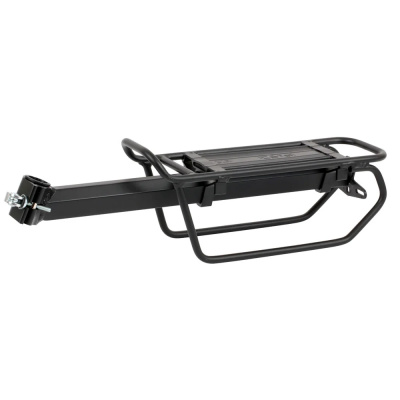
You can, but you'll need adapters to do it safely. A seat post clamp with integrated rack mounts handles the upper stays, while rubberised P-clips clamped around the lower frame tubes substitute for dropout eyelets. It's a workable solution for lighter loads, though a frame with proper eyelets will always give you a more secure, rattle-free result.