
Yomo Kids Bikes
YOMO Kids Bikes bring German engineering precision to the school run and weekend trail, stripping out every unnecessary gram without sacrificing strength. These aren't scaled-down adult bikes with heavy steel frames and clunky components. YOMO builds from the ground up for children's anatomy, using 6061 aluminum frames and featherweight alloy components to deliver some of the lightest bikes on the market. That power-to-weight ratio matters when you're learning to balance or tackling the first proper hill ride.
Child-specific geometry runs deeper than a bright paint job. The low Q-factor keeps the pedal stance narrow to match smaller hips, reducing knee strain and improving pedalling efficiency. Short-reach brake levers mean tiny hands can actually modulate stopping power rather than squeeze hopelessly at full stretch. Standover height sits reassuringly low, so confidence builds faster when feet can plant firmly at every wobble. From balance bikes through to 26-inch geared models, the range covers the progression from park laps to proper family rides across the Peaks or the South Downs.
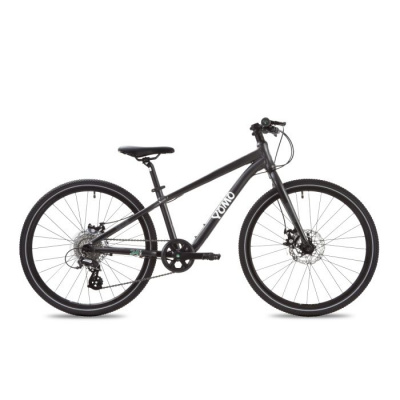
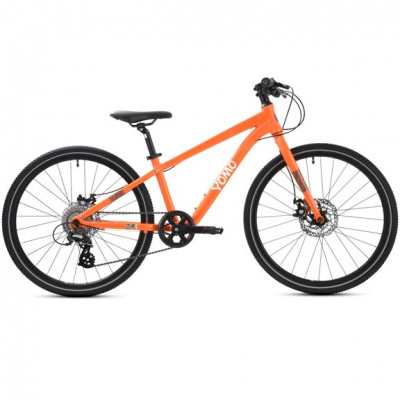
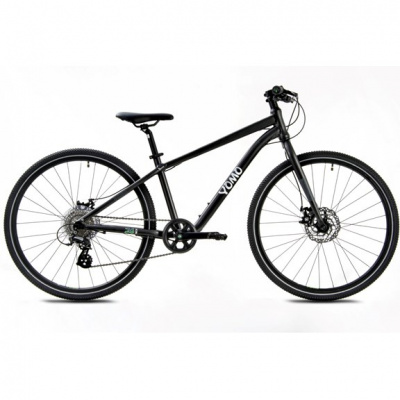
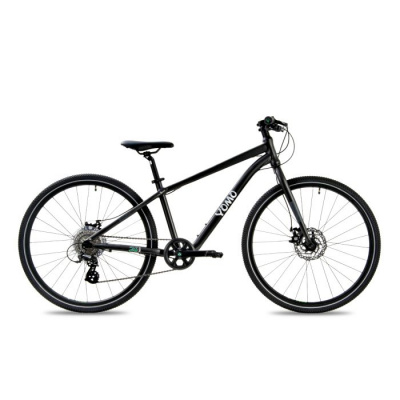
Prices and availability can change quickly. Delivery charges are not always included in listed prices.
Final price, stock status and delivery terms are set by retailer. We may receive a commission on purchases made.
What Makes YOMO Frames and Forks Different
The 6061 aluminum frame forms the backbone of every YOMO bike, delivering a stiffness-to-weight balance that lets young riders accelerate without fighting the bike's mass. Alloy this grade is heat-treated and butted in key stress zones, so you get durability where it counts - bottom bracket shell, head tube junction - without the penalty of excess material elsewhere. Welds are clean and reinforced, built to handle the inevitable kerb hops and dropped bikes that come with childhood.
Forks vary by model. Smaller wheelbases typically pair the alloy frame with a lightweight alloy fork to keep the front end nimble and the overall weight down. Larger sizes sometimes spec a CrMo (chromoly steel) fork for a touch more compliance over rough stuff, absorbing chatter on bridleways without adding much heft. Either way, the fork crown clearance accommodates Kenda tires wide enough for grip on damp grass or gravel without clogging in typical British muck.
Rotational weight - wheels, tires, tubes - matters more than static frame weight when a child is trying to maintain momentum. YOMO fits sealed cartridge bearings in the hubs, reducing drag and keeping grit out during wet rides. Rims are alloy, not the cheap steel hoops you'll find on supermarket bikes, so braking performance stays consistent even after a puddle-splashing session. Kenda rubber strikes a decent balance between rolling speed and puncture protection, though you can always swap to a faster slick if your child graduates to tarmac laps.
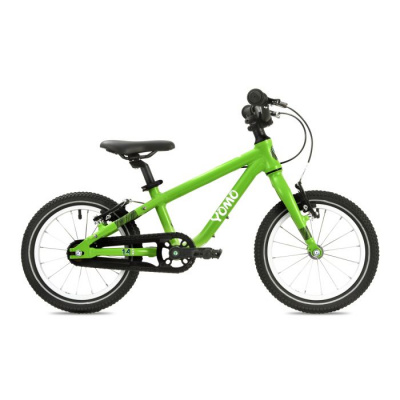
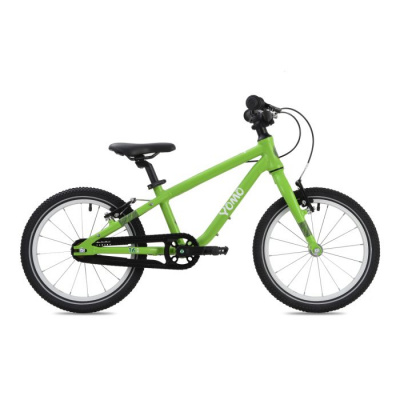
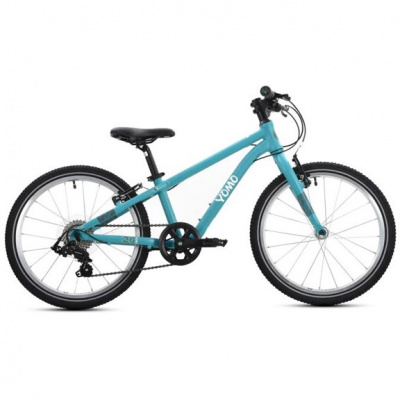
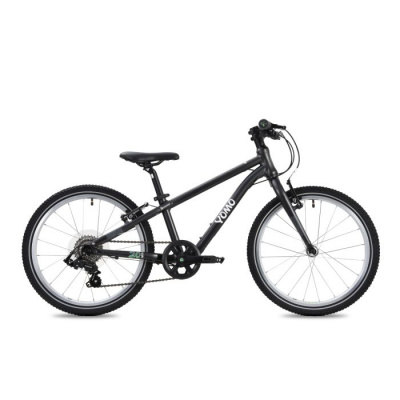
Drivetrains keep it simple where it should be. The YOMO 14 inch bike and 16-inch models run single-speed setups - one less thing to think about when you're mastering pedalling cadence and steering at the same time. Step up to the YOMO 20 inch bike and beyond, and you'll find Shimano thumb shifters paired with a 6- or 7-speed cassette, intuitive enough for small hands but robust enough to survive ham-fisted gear changes. Chainrings are sized to keep gearing low and accessible; no child needs a 52-tooth big ring.
Getting the Right Fit for Your Child
Age ranges on kids' bike charts are rough guides at best. Inseam measurement tells you what you actually need to know. Measure from the floor to the crotch while your child stands in socks, then compare that figure to YOMO's published standover height for each model. You want at least 2 - 3 cm of clearance when they straddle the top tube with both feet flat - enough to dismount confidently without a painful meeting of anatomy and aluminum.
YOMO's low bottom bracket geometry drops the center of gravity, which translates to better stability when cornering or navigating uneven ground. That design also lowers the saddle minimum height, so younger or shorter riders can start with feet comfortably reaching the ground. As they grow, the seat post has plenty of extension before you need to size up. Don't be tempted to buy two sizes too big for longevity; an oversized bike kills confidence faster than anything, and a struggling child won't ride it.
Reach to the handlebars matters too. YOMO specs shorter stems and narrower bars than adult bikes, keeping the cockpit compact so small torsos don't overstretch. If your child is between sizes, err toward the smaller frame and raise the saddle as they grow. You'll get a season or two of use, and they'll actually enjoy the riding. Compare that approach to what you'd find on a Frog Bikes model or a Cube kids' range - all follow similar child-specific geometry principles, though YOMO often undercuts them on weight.
Keeping It Running Through Winter and Mud
Sealed cartridge bearings in the hubs and bottom bracket are your first line of defense against the grime that accumulates on British trails and cycle paths. Unlike loose ball bearings, cartridge units keep water and dirt out of the races, so you're not repacking grease every few months. A quick wipe-down after a muddy ride and an occasional spray of frame protector will keep the 6061 aluminum looking tidy and free from corrosion.
V-brakes are the standard fitment across most YOMO models. They're easy to adjust - just a 5mm Allen key to tweak pad alignment - and replacement pads cost pennies. In wet conditions, rim braking performance does drop compared to disc brakes, but for the speeds and distances most children cover, V-brakes offer plenty of stopping power and teach good brake modulation. Check pad wear every month or so; kids tend to drag brakes on descents.
Chain maintenance is straightforward. Wipe off the worst of the mud with a rag, apply a wet lube if you're riding through winter, and backpedal to work it into the links. Single-speed setups on smaller models need even less attention - no derailleur to clog, no indexing to drift out of tune. For geared bikes, a quick visual check that the derailleur hanger isn't bent after a tumble will save you a trip to the bike shop. If you're after something with similar low-maintenance appeal, Boardman and Giant kids' bikes also lean toward simple, durable drivetrains.
Why German Engineering Matters for Small Riders
YOMO emerged from a straightforward observation: most kids' bikes were heavy, ill-fitting toys rather than proper cycling equipment. The brand's design ethos borrows from adult performance bike development - analyze the rider's biomechanics, strip out unnecessary weight, optimize contact points - and applies it to children's proportions. That means narrow Q-factor cranks to match narrower hips, shorter brake lever reach to suit smaller hands, and a focus on making every component as light as practicable without compromising safety.
The shift from steel to high-grade aluminum wasn't just about shedding grams. A lighter bike accelerates faster, climbs more willingly, and fatigues the rider less over distance. For a child who might weigh 20 kg, the difference between an 8 kg bike and a 12 kg bike is proportionally huge - imagine adding 20% to your own body weight and then trying to ride. YOMO's lightweight YOMO children's bicycles regularly clock in under 6 kg for 14-inch models, a figure that makes learning to ride genuinely easier.
Featherweight alloy components - handlebars, stems, seat posts - are specced throughout the range, not just on flagship models. That democratizes performance, so even entry-level YOMO bikes handle more like scaled-down road or mountain bikes than the budget alternatives you'll find at big-box retailers. It's an approach shared by Cannondale in their kids' lineup, though YOMO often edges ahead on outright weight savings. If you're completing the kit, consider pairing a YOMO with a quality helmet from Hornit or a classic steel balance bike from Bobbin Bikes for younger siblings.
Are YOMO bikes good for beginners? Absolutely. The ultra-low standover height and reduced weight lower the barrier to entry, so children spend less time wrestling the bike and more time actually riding. Balance comes quicker when the bike isn't fighting back. How much does a YOMO bike weigh? The 14-inch model sits around 5.8 kg, with larger sizes scaling up proportionally but still undercutting many rivals. What size YOMO bike does my child need? Measure that inseam, check the standover clearance, and pick the size that lets them plant both feet flat with a couple of centimeters to spare. Simple as that.