
Wisper E-Bikes
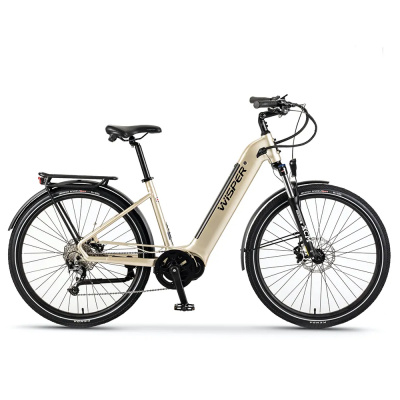
Wisper Electric Bikes have been quietly shaping the UK e-bike scene since 2005, long before the morning commute became a battery-powered affair. Designed in Kent and built for British roads, Wisper's range spans everything from the upright comfort of the Wayfarer to the compact practicality of the Tailwind, all anchored by high torque rear hub motors that tackle our hills without fuss. What sets Wisper apart is the full throttle option: DVSA type approval under the L1e-B category means you can legally twist and go up to 15.5mph without pedalling - a rare feature in the UK market and a genuine boon when you're lugging shopping or nursing tired legs. Battery choice runs from standard 375Wh packs through to the 700Wh Samsung mega-range units, so whether you're pottering to the shops or tackling a cross-county loop, there's a configuration that fits. Wisper step through e-bikes dominate the lineup, prioritising ease of access and an upright riding position, while the folding electric bikes in the 806 series fold small enough for the boot or train without compromising on power.
Prices and availability can change quickly. Delivery charges are not always included in listed prices.
Final price, stock status and delivery terms are set by retailer. We may receive a commission on purchases made.
Hub Motors and Sensor Types: What Drives a Wisper
Wisper leans on rear hub motors rather than mid-drive units, a choice that keeps weight low in the wheel and simplifies maintenance. The motors deliver north of 50Nm of torque, enough to haul you up the North Downs or through the Peaks without that grinding, breathless grind. Torque figures matter less than how the power arrives, though, and that's where sensor choice comes in.
Most Wisper models ship with a cadence sensor as standard. Spin the cranks and the motor kicks in - simple, predictable, and forgiving if your pedalling rhythm is all over the shop. It's a binary on-off affair: you pedal, you get watts. For smoother, more intuitive assistance, some models offer a torque sensor upgrade. This reads how hard you're pressing the pedals and scales assistance to match, so gentle pressure on the flat translates to gentle help, while a hard stomp on a climb gets you a proportional shove. The difference feels like riding with an invisible tailwind versus riding with a mate who knows exactly when to give you a push. If you're coming from a Cannondale or Cube mid-drive, the hub motor won't feel as tightly integrated into your pedal stroke, but it's quieter, needs less drivetrain fettling, and won't chew through chains and cassettes at the same rate.
Does Wisper have a throttle? Yes, and it's the headline act. Opt for the L1e-B type-approved models and you get a twist-grip throttle that propels you to 15.5mph without a single pedal stroke. Legally. It requires registration, a number plate, and insurance, but the paperwork is minimal and the practicality is huge - think junctions, traffic lights, or that final slog home when your knees have clocked off early.
Battery Architecture: Range You Can Actually Plan Around
Wisper mounts batteries either on the rear rack or inside the downtube, depending on the model. Rack-mount designs keep the centre of gravity higher but make swapping cells a five-second job - slide, click, done. The 806 folding series uses this approach, and if you're commuting with a spare battery in your bag, you've effectively doubled your range without waiting for a charge.
Battery capacity breaks down into three tiers. The 375Wh standard pack is fine for short hops - 10 to 20 miles depending on assist level, rider weight, and whether you're climbing the Cotswolds or cruising the Fens. Step up to the 575Wh long-range option and you're looking at 30 to 50 miles in mixed use, enough for a weekend potter or a hilly commute without range anxiety. The 700Wh Samsung mega-range battery pushes that envelope further still, comfortably clearing 60 miles if you're judicious with assist and not hammering into a headwind the whole way. Real-world range always lags the brochure, especially in winter when cold saps cell efficiency and you're running lights, but Wisper's figures are honest enough that you won't be caught short.
Charging takes four to six hours from flat, and the rack-mount setup means you can charge the battery on or off the bike. If you live up a flight of stairs or park in a communal area, that's a practical win. The cells are Samsung throughout, a reassuring choice given their track record for longevity and thermal management. Compare that to some Ebco or Dawes models that use generic packs, and you're buying a bit more confidence in the five-year outlook.
Riding Through British Weather: Keeping It Running
Wisper's electronics are rated to handle British damp, but they're not submarines. The LCD display and controller sit around IP54 or IP65 depending on the model - fine for rain, less fine for pressure-washing or leaving the bike out in a storm for weeks. Wipe down the connectors now and then, especially around the battery cradle where road spray collects, and you'll avoid the gremlins that creep in when moisture meets corrosion.
Winter riding means cold batteries, and cold batteries deliver less range. Charge indoors if you can; lithium cells don't like sub-zero temps and charging a frozen pack can shorten its lifespan. If you're storing the bike over winter, leave the battery at around 60 per cent charge and top it up every month or so to keep the cells healthy. Hub motors are low-maintenance compared to mid-drives - no extra strain on the chain or cassette - but you'll still want to keep the drivetrain clean and the hydraulic disc brakes bled annually. Wisper specifies hydraulic discs across most of the range, a sensible choice given the extra weight and speed of an e-bike, and they'll haul you down from 15.5mph in the wet without drama.
If you're folding and unfolding regularly, check the hinge bolts on the 806 series every few weeks. They're robust, but repetition loosens things, and a wobbly hinge is a wobbly ride. A drop of grease on the pivot points keeps the fold smooth and stops squeaks creeping in.
British Design, Asian Build: What That Means for You
Wisper designs and tests in Kent, but the frames and components are manufactured in Asia under the brand's supervision. That's standard across the industry - Boardman, Bianchi, and most others follow the same model - and it's how brands keep costs competitive without sacrificing quality control. Wisper's geometry skews toward comfort: upright riding positions, swept-back bars, and wide saddles that suit pottering more than hammering. If you're after a Brompton-style fold with a bit more grunt, the 806 is worth a look; if you want step-through ease and a relaxed ride, the Wayfarer and Tailwind tick those boxes without fuss.
Are Wisper electric bikes any good? They're solid, dependable machines built for the UK market by a brand that's been doing this longer than most. You won't find cutting-edge carbon or boutique componentry, but you will find sensible spec, decent range, and a dealer network that can actually help when something goes wrong. The Wisper Wayfarer review consensus points to comfort and reliability over flash, while the Wisper Tailwind electric bike appeals to riders who want a bit more speed and a sportier feel without losing the upright position. The Wisper full throttle e-bike option remains the ace in the pack - legal, practical, and genuinely useful in ways a standard pedelec just isn't.
Where are Wisper bikes made? The design and testing happen in the UK, the manufacturing in Asia. That split keeps the brand competitive and ensures the geometry and spec are tuned for British roads, British weather, and British riders who'd rather not wrestle a 25kg bike over a kerb or up a flight of steps. The step-through frames and folding hinges reflect that pragmatism, and the high efficiency hub motors deliver the torque you need without the complexity you don't.