
Wilier Road Bikes
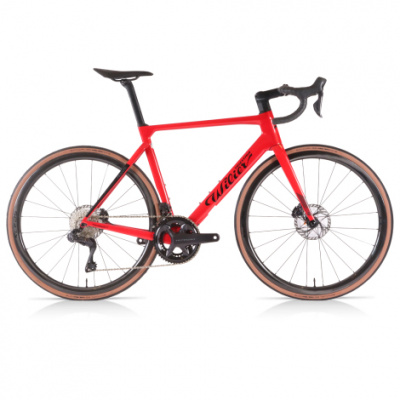
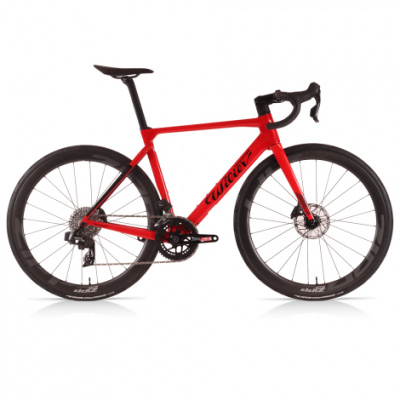
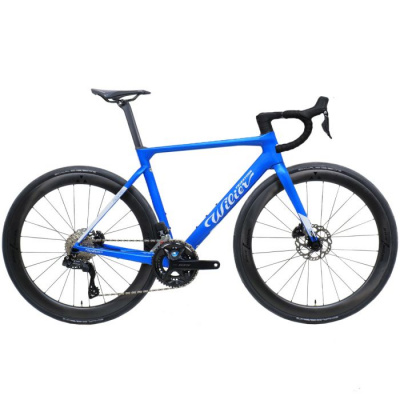
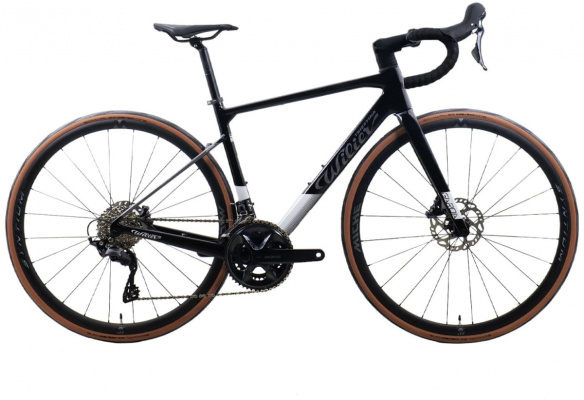
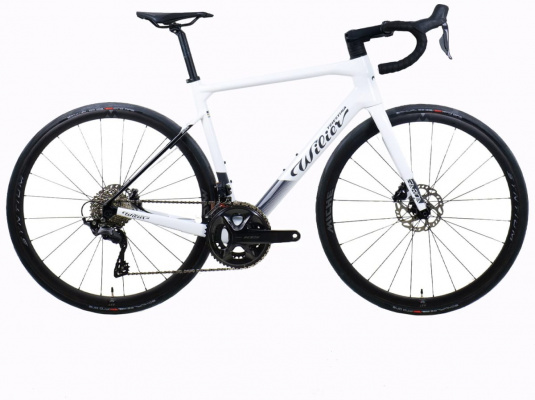
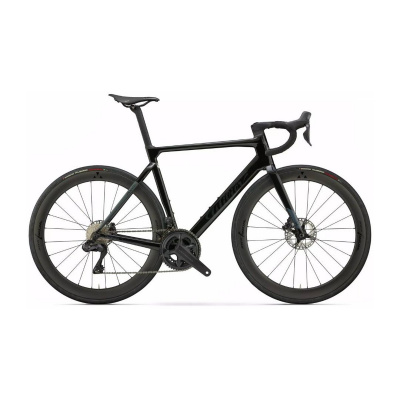
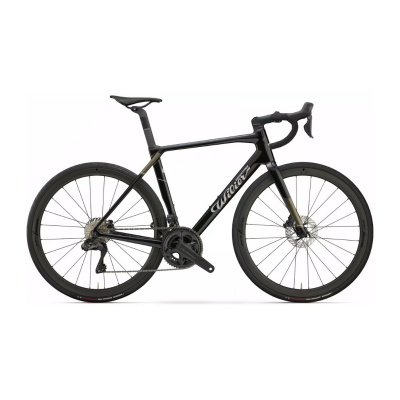
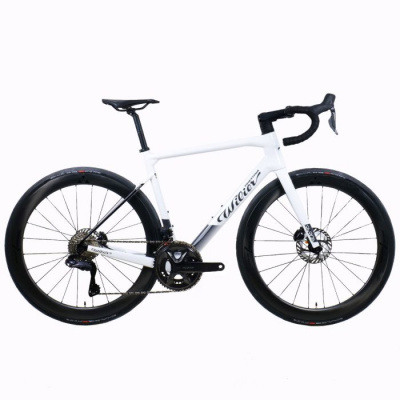
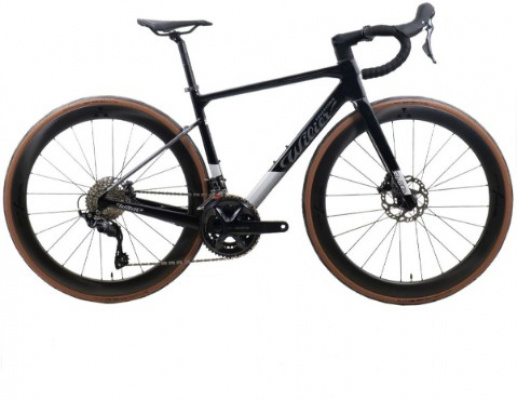
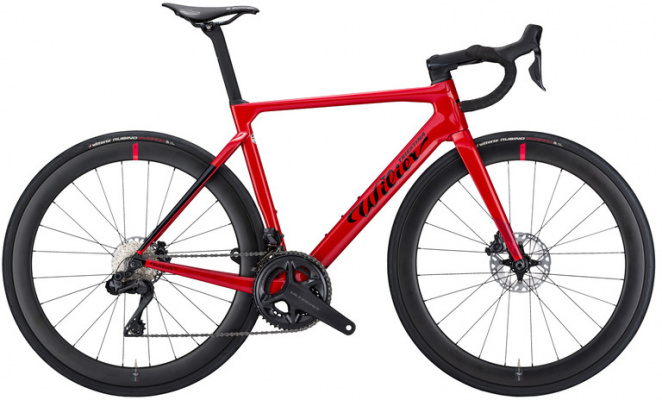
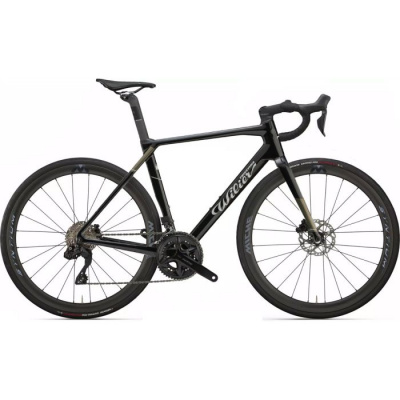
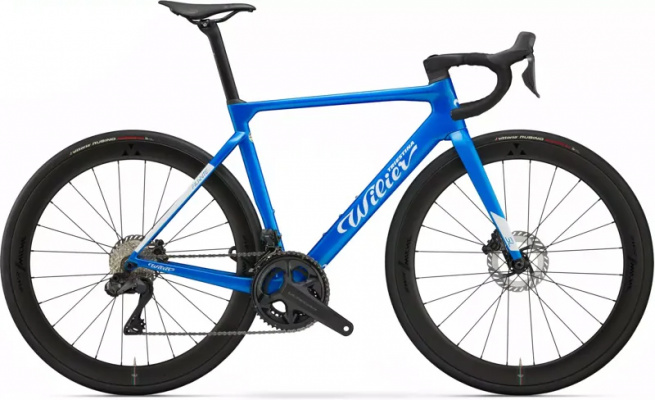
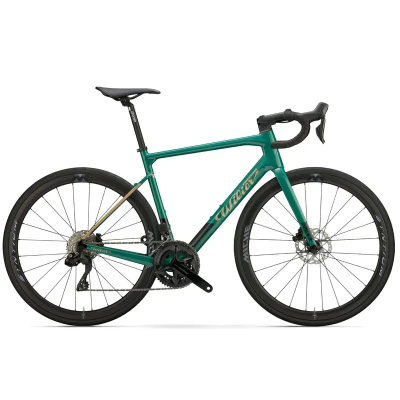
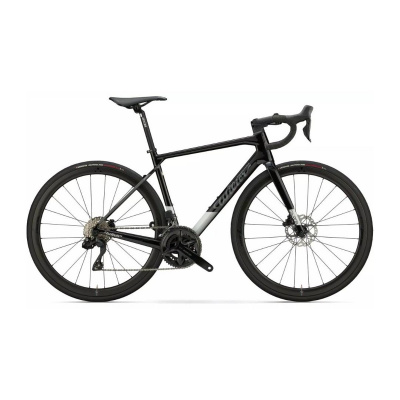
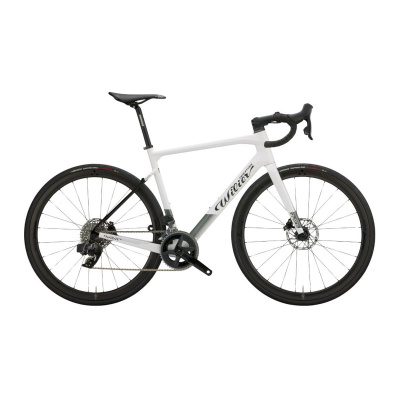
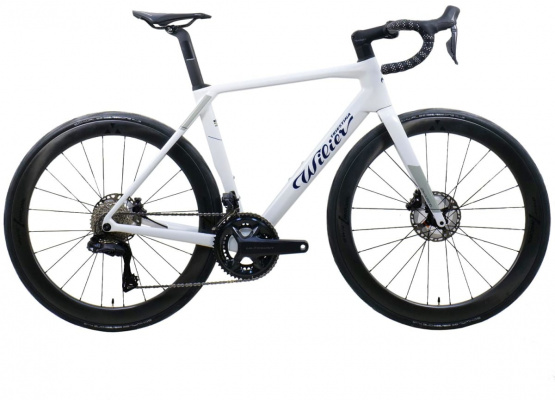
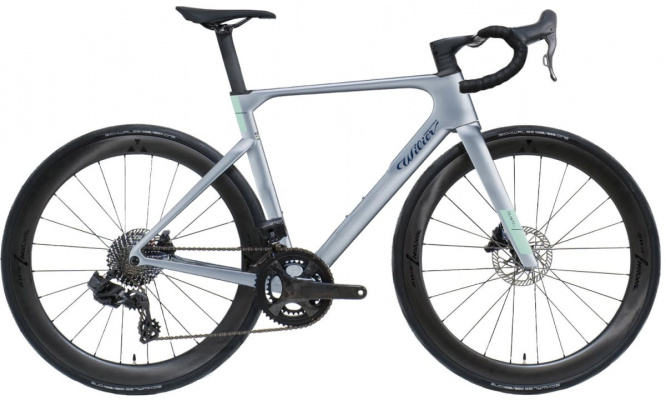
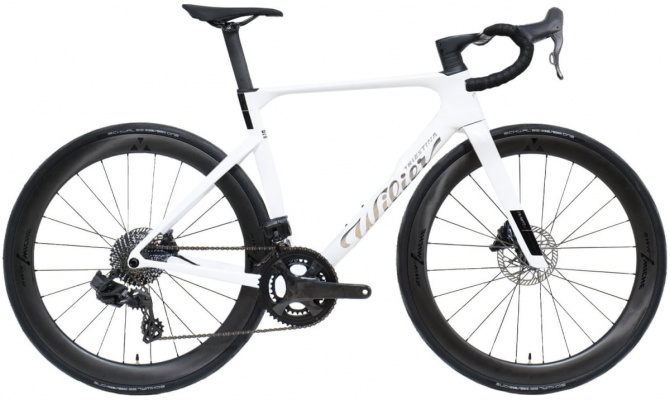
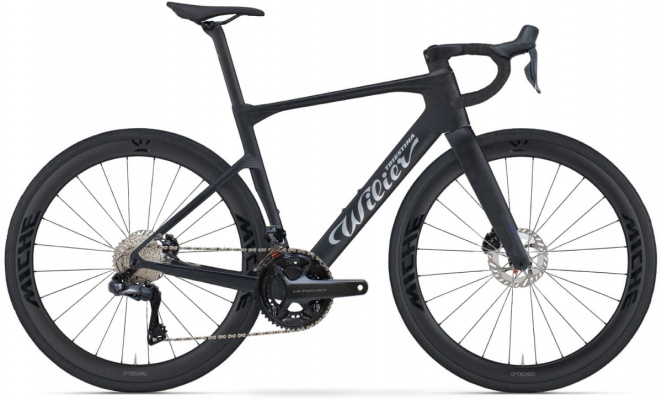
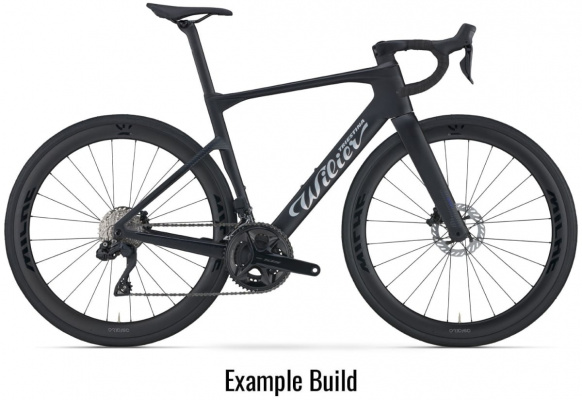
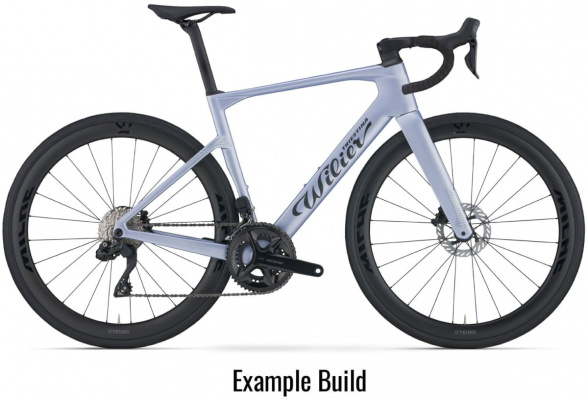
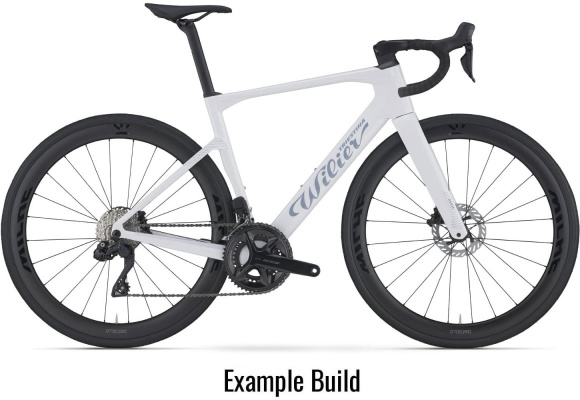
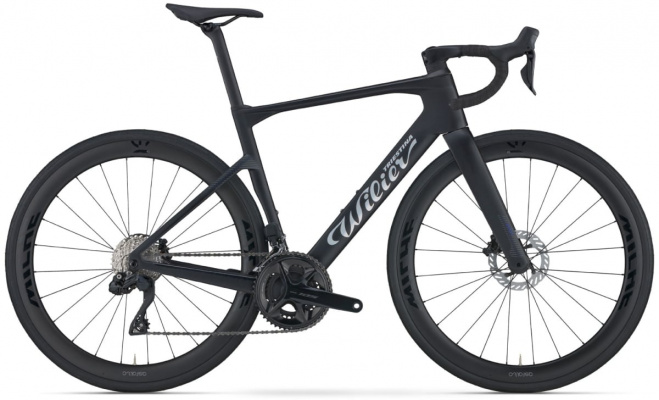
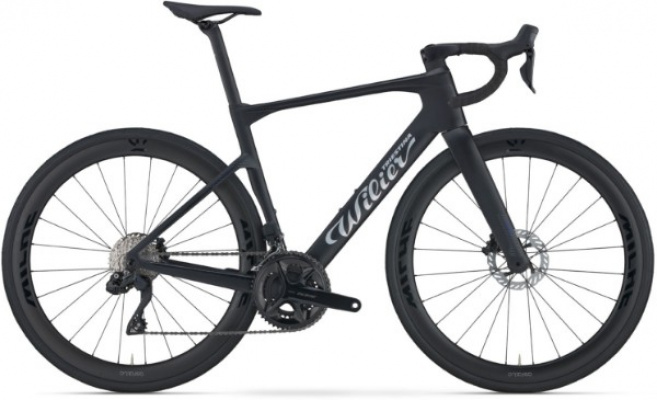
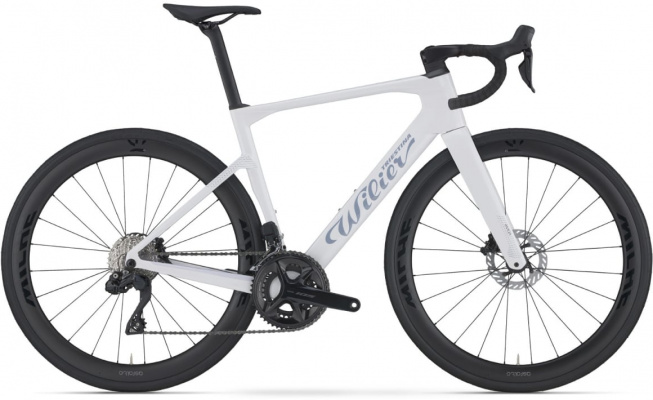
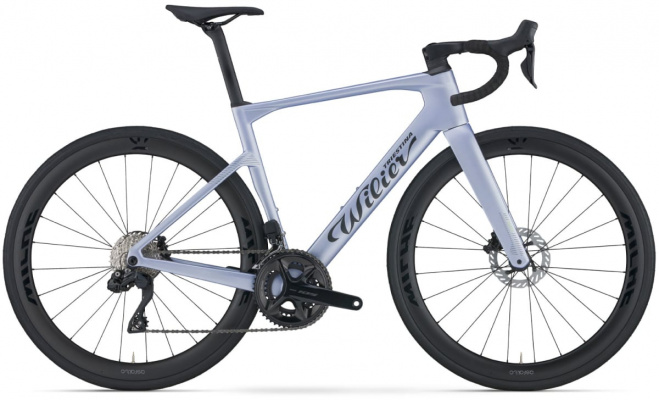
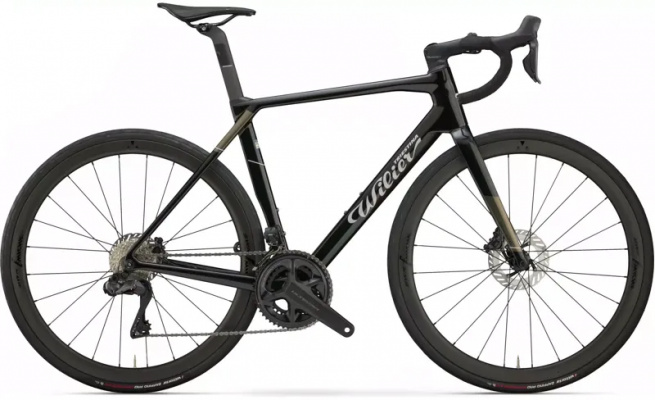
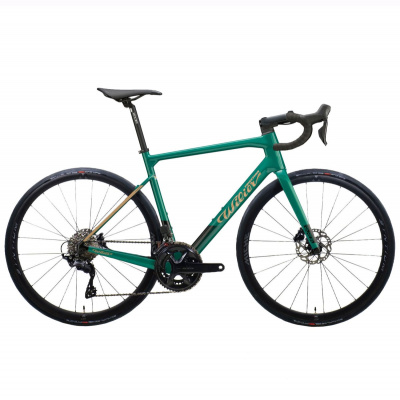
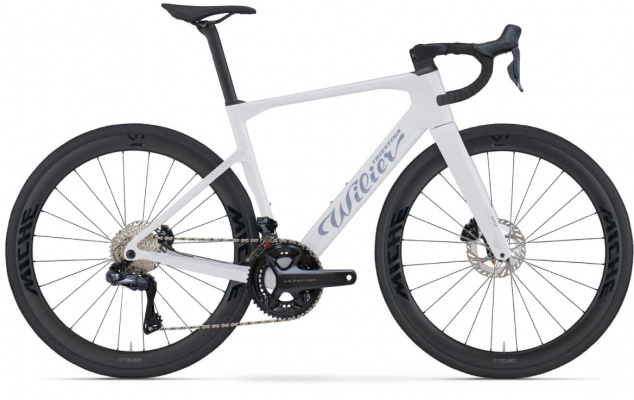
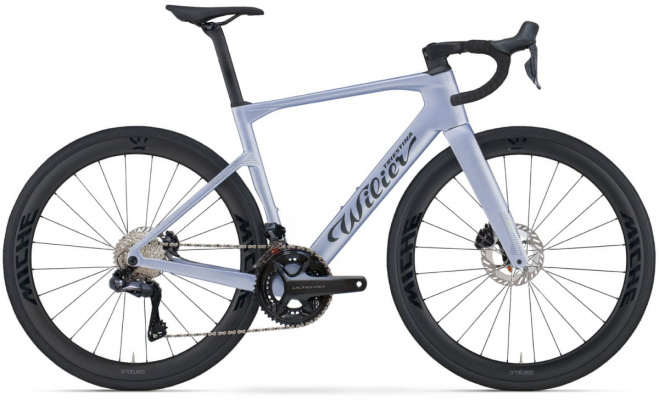
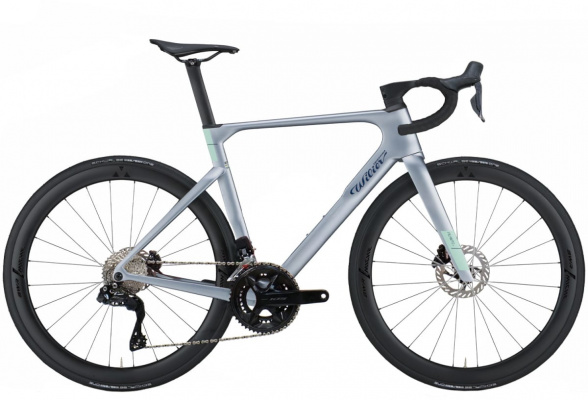
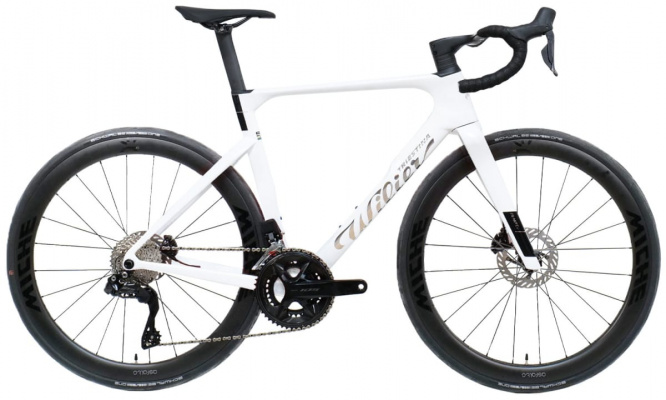
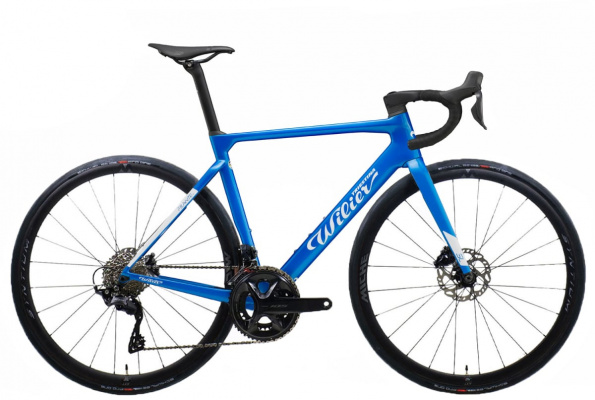
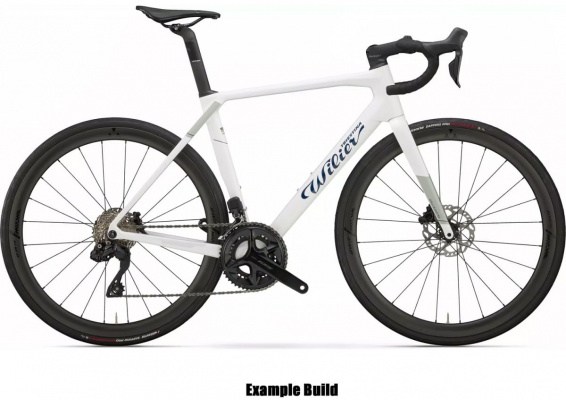
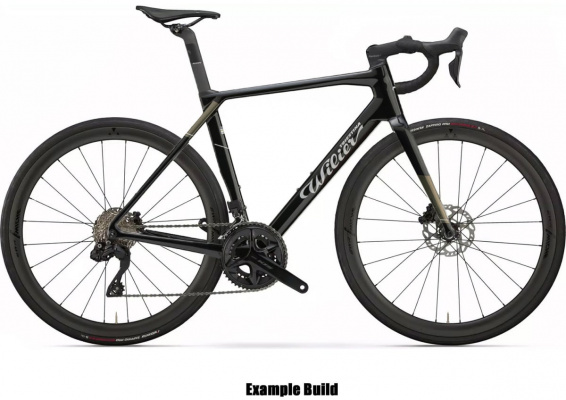
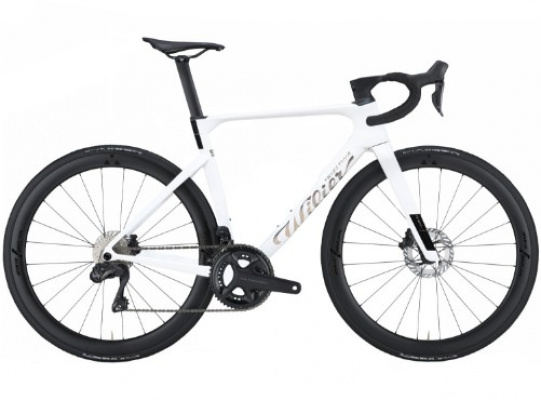
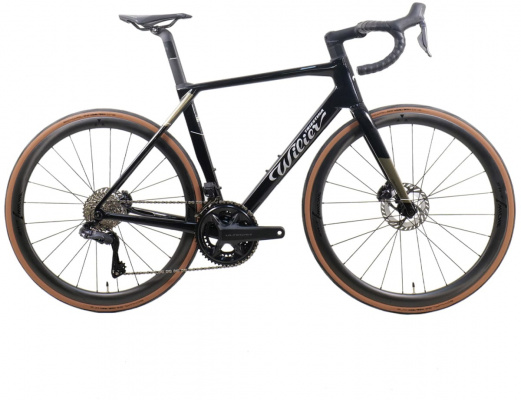
Wilier Road Bikes carry the weight of Italian cycling history - literally stamped into every frame since 1906, when Pietro Dal Molin started building in Bassano del Grappa. You're looking at bikes that balance the brand's signature Ramata copper-hued heritage with modern WorldTour performance under the Astana Qazaqstan Team. The range splits neatly: the Filante SLR chases pure aero speed on rolling roads, the Zero SLR strips weight for Alpine climbs, and the GTR Team and Garda models stretch geometry for endurance comfort on long sportives. What sets Wilier apart? Paint quality that turns heads in any car park, backed by HUS-MOD carbon layups that blend high-modulus fibres with Liquid Crystal Polymer for stiffness you can feel and impact resistance you won't. Whether you're eyeing a race machine or a winter training partner, Wilier Triestina carbon road bikes deliver that distinctive Italian blend of craft and speed - bikes that look as good propped against a café wall as they do hammering through Box Hill.
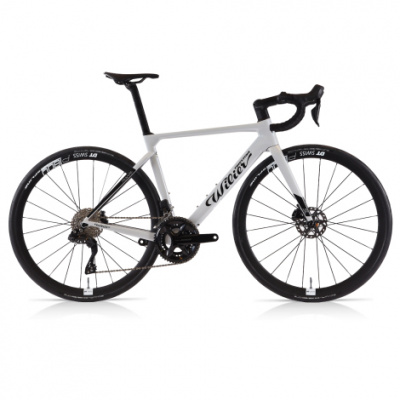
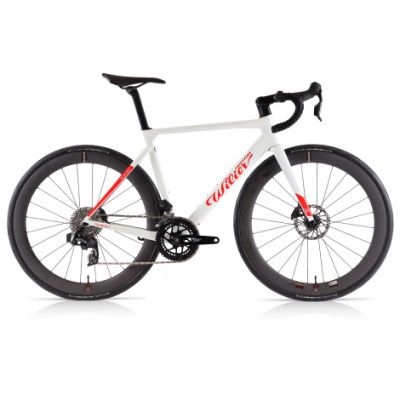
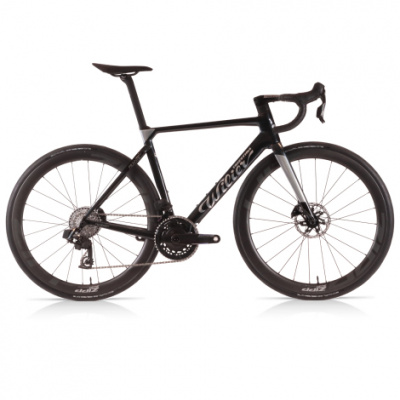
Prices and availability can change quickly. Delivery charges are not always included in listed prices.
Final price, stock status and delivery terms are set by retailer. We may receive a commission on purchases made.
Engineering Italian Speed: HUS-MOD and LCP
Wilier's HUS-MOD carbon isn't just marketing speak. High-modulus carbon fibre gets woven with Liquid Crystal Polymer strands - think of LCP as microscopic aramid threads that absorb shock without adding dead weight. The result? Frames that stay stiff under sprint loads but don't rattle your fillings on rough tarmac. You feel it most on long descents where lesser frames start to buzz. The Filante SLR takes this further with truncated airfoil tube profiles - wider trailing edges that manage airflow without the draggy bulk of older aero shapes. Wind-tunnel data shows gains over traditional round tubes, but on the road it translates to less effort holding 40 km/h on dual carriageways or bridging gaps in chain gangs.
Wilier also layers in S.E.I. Film - a viscoelastic material sandwiched between carbon plies - to dampen high-frequency vibration. It's subtle, not plush, but after three hours on Kentish lanes you'll notice less fatigue in your hands. The trade-off? HUS-MOD frames command a premium over standard carbon, and you won't find budget-friendly alloy options in the road lineup. If you're comparing Bianchi road bikes or Colnago, expect Wilier to sit in a similar price bracket - Italian pedigree costs, but the ride quality justifies it.
Geometry & Component Compatibility
Race geometry on the Filante SLR and Zero SLR runs aggressive: lower stack, longer reach, tighter angles that put you in the wind. If you're used to endurance bikes, the first ride feels like leaning into a headwind - purposeful, not punishing. The GTR Team flips the script with a taller head tube and shorter top tube, opening the cockpit for all-day comfort without sacrificing handling precision. Stack differences can exceed 30 mm between sizes, so Wilier's Accu-Fit sizing system matters - it keeps saddle height and reach consistent across the range, meaning a 54 cm GTR positions you similarly to a 54 cm Zero SLR, just with different bar height.
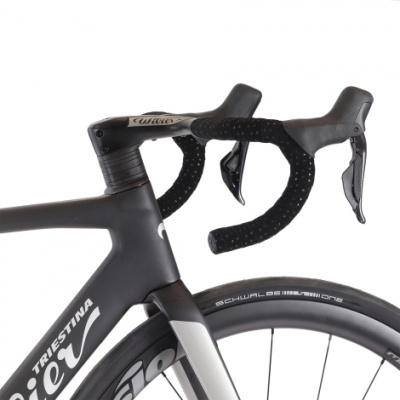
Tyre clearance has caught up with the times. Modern Wilier frames swallow 30 - 32 mm rubber, enough for winter training on rough B-roads or light gravel exploration if you fancy a detour. Disc brakes are standard across the lineup now - hydraulic calipers handle Welsh rain and Scottish mist better than any rim brake, and rotor mounts follow flat-mount standards for easy pad swaps. Electronic groupset integration is seamless: Shimano Di2 and SRAM AXS both route through the Easy-Drive System, an integrated cockpit that hides cables inside the bars and stem. Clean looks, yes, but also fewer rattles and simpler bar tape changes. The catch? Proprietary seatpost clamps mean you can't just swap in any aftermarket post - stick with Wilier's own or compatible options to avoid fitment headaches.
If you're building a complete setup, consider pairing with Wilier gravel bikes for off-season adventures or Wilier e-bikes for recovery spins - the brand's geometry philosophy carries across categories.
Choosing Your Wilier for the Season
Model selection hinges on where you ride most. The Zero SLR is the climbing bike - sub-7 kg framesets that vanish beneath you on 10% ramps. Think Dolomites, think Alpe d'Huez, think anything with a gradient that makes your lungs burn. In the UK, that's the Pennines, Snowdonia, or the Cairngorms - anywhere you'd rather shed grams than chase aero watts. The Filante SLR does the opposite: it's built for speed on rolling roads, flat crits, and bunch sprints. Surrey Hills, the Fens, or long drags through the Cotswolds suit it perfectly. Truncated airfoils save watts when you're holding tempo, and the stiffer bottom bracket rewards out-of-the-saddle efforts.
For winter training and sportives, the GTR Team and Garda models relax the geometry without dulling the ride. Endurance geometry means you can rack up 200 km on a Fred Whitton or a DIY audax without your lower back staging a protest. Disc brakes become non-negotiable in British weather - wet descents off Hardknott or greasy roundabouts in November demand consistent stopping power, and hydraulic discs deliver it every time. Tyre clearance also lets you fit 28 - 30 mm rubber with a bit of tread, useful when the forecast can't decide between drizzle and downpour.
Are Wilier bikes good quality? Absolutely. WorldTour teams don't ride frames that can't handle the abuse of cobbled Classics or Alpine switchbacks. The paint alone - often multi-layer lacquer with metallic flake - survives car park knocks better than most, and the carbon layups have proven themselves in professional racing. Where are Wilier road bikes made? Design and engineering happen in Bassano del Grappa, Italy, while high-end carbon manufacturing takes place in specialist Asian facilities. Final assembly and quality control for premium models often return to Italy, ensuring consistency. It's a common approach among Italian brands - Pinarello and Basso follow similar paths.
The Legacy of the Copper Bike
Wilier's Ramata finish - that distinctive copper-bronze hue - traces back to the brand's earliest frames, when metal finishes were as much about corrosion resistance as aesthetics. The halberd logo, a nod to medieval weaponry, reinforces the Bassano del Grappa roots; the town's history is steeped in metalwork and craftsmanship. Over a century later, Wilier still leans into that heritage, offering Ramata paint options on flagship models and limited editions. It's not just nostalgia - the finish commands attention in any peloton and signals you're riding something with provenance.
But heritage only gets you so far. Wilier's survived this long by evolving: from steel to aluminium to carbon, from rim brakes to discs, from mechanical shifting to wireless electronic. The monocoque integrated handlebar on the Filante SLR, for instance, shaves grams and improves aerodynamics - tech that didn't exist a decade ago. What is the difference between Wilier Filante and Zero SLR? The Filante SLR prioritises aerodynamics with truncated airfoil tubes and a focus on minimising drag for flat and rolling speed. The Zero SLR is a lightweight climbing bike, optimised for the lowest possible weight and maximum stiffness on steep gradients. Both use HUS-MOD carbon, but the tube profiles and layup schedules diverge to suit their disciplines.
If you're weighing Wilier against peers like Cervélo or Factor, the Italian brands lean harder on aesthetics and ride feel, while North American marques often chase lab numbers. Neither approach is wrong - it's whether you value that visceral connection to a bike's lineage or prefer pure data-driven performance. Wilier sits comfortably in the former camp, and for riders who appreciate craft as much as speed, that's exactly the point.
Related searches: