
Wilier Gravel Bikes
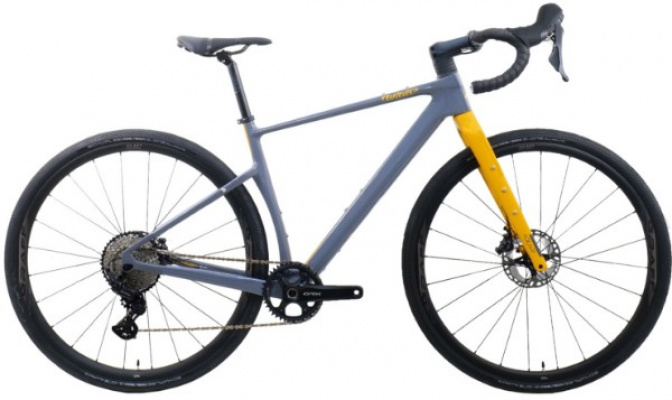
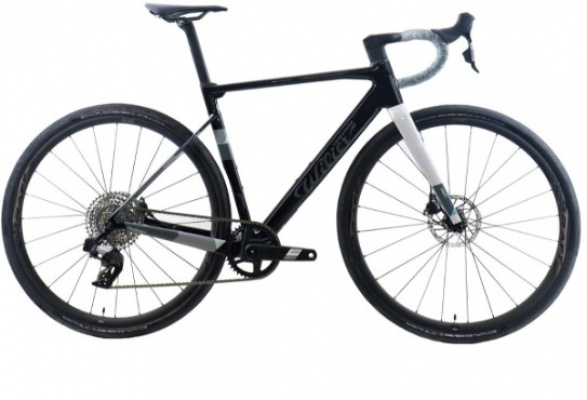
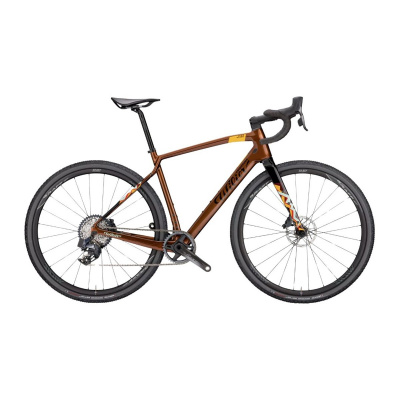
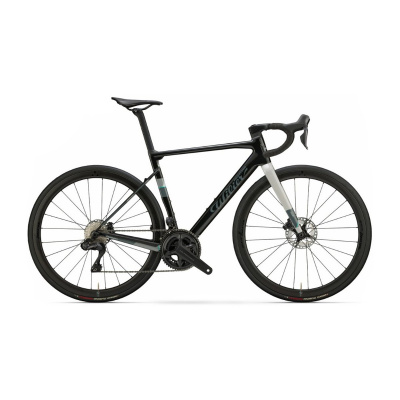
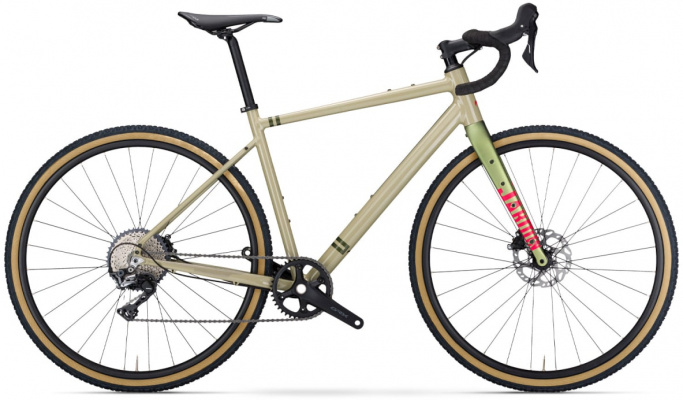
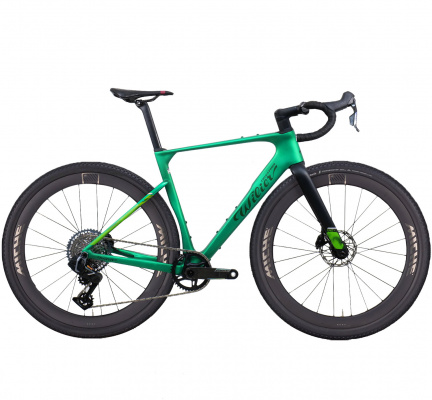
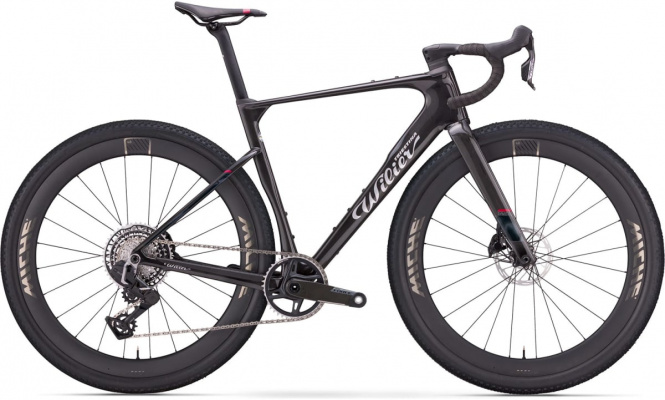
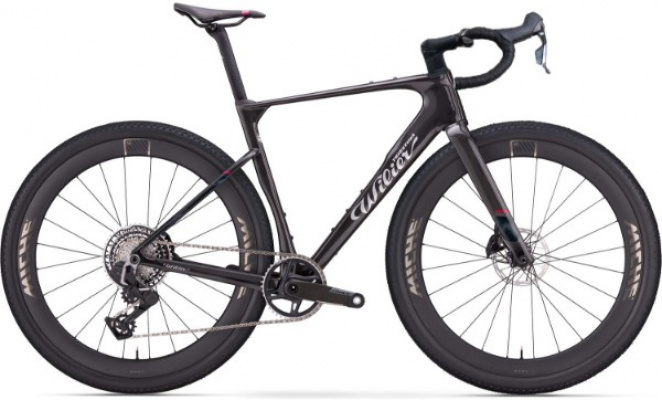
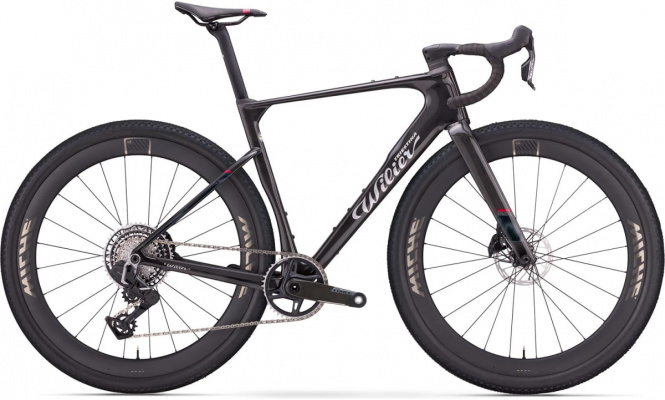
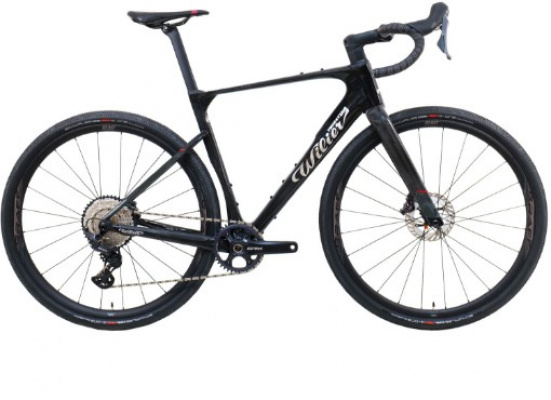
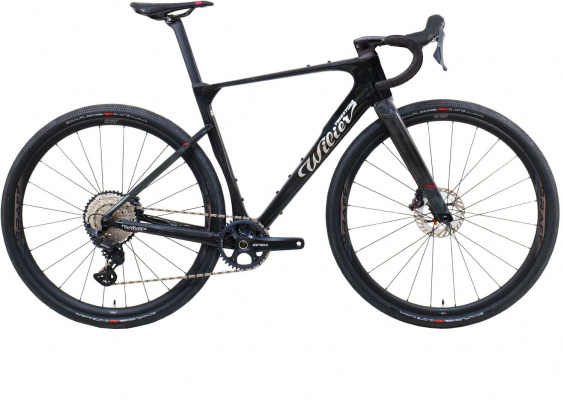
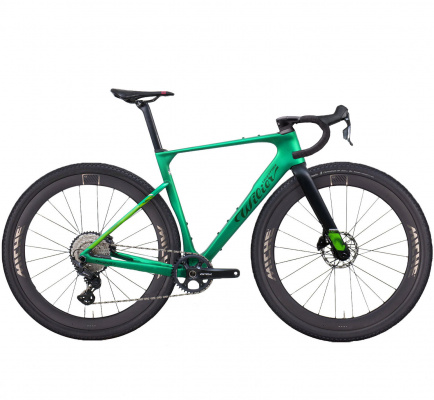
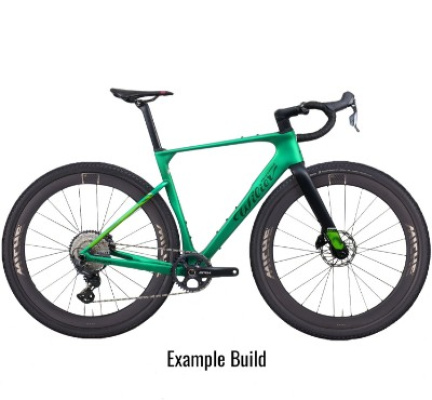
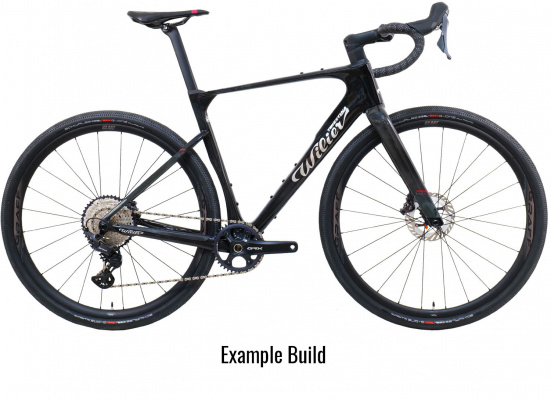
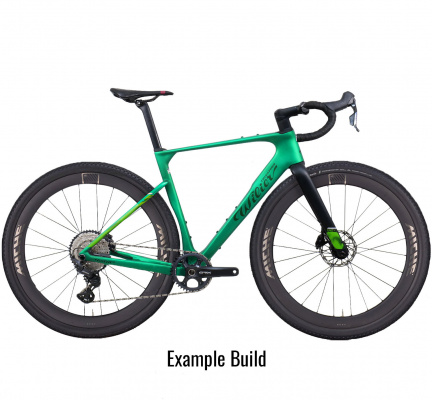
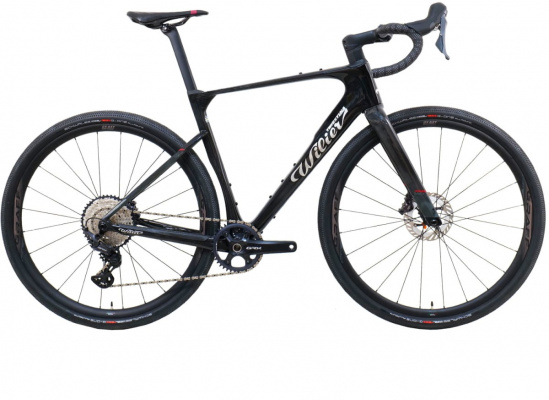
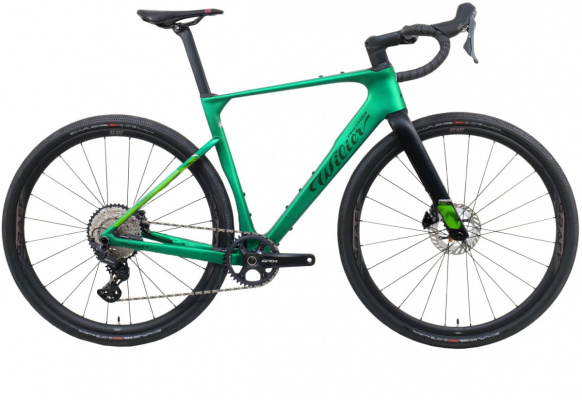
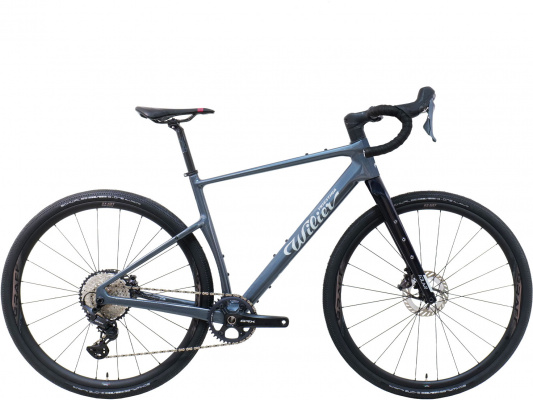
Wilier Gravel Bikes bring over a century of Italian racing pedigree from Rossano Veneto to the unpaved roads of the UK, blending road-honed precision with off-road durability. The range spans three distinct personalities: the Rave SLR for riders chasing podiums on fast gravel and doubling up on tarmac, the Jena for those wanting one bike that handles everything from the South Downs Way to weekend club runs, and the Adlar for heavyweight bikepacking missions where tyre clearance and mounting points matter more than grams. Each frame draws on Wilier Triestina's deep carbon engineering know-how - lightweight layups, integrated cockpits, and geometry tuned to the demands of mixed-surface riding. Whether you're eyeing a Wilier road bike for summer or need something that shrugs off Welsh winter, the gravel lineup offers Italian aesthetics without the fragility. Browse the collection to compare builds across Shimano GRX, SRAM AXS, and Campagnolo Ekar groupsets, each tailored to different ride styles and budgets.
Prices and availability can change quickly. Delivery charges are not always included in listed prices.
Final price, stock status and delivery terms are set by retailer. We may receive a commission on purchases made.
Carbon Layups and Frame Construction
Wilier's gravel frames aren't just repurposed road chassis with bigger tyre clearance. The Rave SLR uses HUS-MOD carbon fibre - a high-modulus blend reinforced with liquid crystal polymer - to deliver the stiffness-to-weight ratio you'd expect from a race bike, but with enough compliance engineered into the seatstays to handle chatter on bridleways. Power transfer is immediate. The Jena takes a different approach: a more compliant carbon layup that prioritises vibration damping over outright stiffness, making it the better choice for all-day comfort on rough Pennine byways or gravel audax routes. The Adlar steps up again, with reinforced junctions and thicker tube profiles to handle loaded panniers and the kind of abuse you'd dish out on the Great North Trail. Each model balances the competing demands of stiffness for sprinting out of corners and compliance for absorbing the relentless buzz of gravel - no small feat when you're trying to keep weight competitive with Bianchi gravel bikes or Colnago gravel bikes.
The integrated monocoque handlebar on higher-spec Rave SLR builds - Wilier's J-Bar or 0-Bar cockpit - routes cables internally for aerodynamic gains and a clean front end, though it does limit your ability to swap stems or bars without replacing the entire unit. Worth it if you value speed and aesthetics; less so if you tweak fit often.
How Geometry Shapes the Ride
Geometry charts tell you where a bike wants to live. The Rave SLR borrows heavily from Wilier's road race DNA: a relatively steep 72° head tube angle (size medium) and short wheelbase make it nimble on tarmac and responsive when you're attacking on hardpack. Stack and reach figures sit closer to an endurance road bike than a traditional gravel rig, so if you're used to a slammed position on your summer bike, the transition feels natural. On technical descents - think rutted Chiltern bridleways or loose Peak District grit - you'll notice the quicker steering requires more focus than a slacker setup.
The Jena relaxes things slightly: a degree slacker in the head tube, longer chainstays for stability, and a taller stack that suits riders who prefer a more upright posture for long days. It's the middle ground between the Rave's aggression and the Adlar's expedition-ready stability. The Adlar pushes further still, with a 70° head angle and extended wheelbase that plants the front wheel confidently on steep, loose descents. Handling on fire road climbs feels less eager than the Rave, but when you're loaded with kit and navigating Scottish estate tracks in the wet, that planted feel is exactly what you want. Wilier's Accu-Fit geometry system ensures stack and reach ratios stay consistent across frame sizes, so a size small rider gets the same handling balance as someone on a large - a detail that matters when you're between sizes.
Tyre Clearance, Wheel Options, and Drivetrain Flexibility
Tyre clearance defines how far off-road you can realistically go. The Rave SLR maxes out at 42mm (700c), enough for fast gravel and hardpack but not ideal if you're venturing onto proper singletrack. The Jena bumps that to 44mm, opening the door to chunkier rubber for bridleways and canal towpaths. The Adlar offers the widest berth in the lineup: 52mm clearance (or 29 x 2.0 inches), which lets you run proper MTB tyres for bikepacking routes where the 'path' is more suggestion than reality. All three accept 650b wheels if you want to trade rollover for extra cushion - handy for lighter riders or those prioritising comfort over speed.
Drivetrain compatibility is broad. You'll find builds specced with Shimano GRX (1x and 2x), SRAM Rival AXS, and Campagnolo Ekar, the latter being a nod to Wilier's Italian roots and a rare sight on UK gravel bikes. Electronic shifting compatibility is standard across the range, and the Jena and Adlar both include dropper post routing - useful if you're tackling steep, technical descents where shifting your weight back makes the difference between control and chaos. Freehub bodies vary by build, so check whether you're getting Shimano HG, SRAM XDR, or Campagnolo N3W before committing. Mounting points are generous on the Adlar (three bottle cages, top tube mounts, rear rack eyelets), adequate on the Jena (two bottles, fork mounts), and minimal on the Rave SLR, which prioritises weight savings over load-carrying.
If you're comparing Italian options, Basso gravel bikes offer similar clearance and a more relaxed vibe, while Cervélo gravel bikes lean harder into aero efficiency.
From Rossano Veneto to British Byways
Wilier Triestina has been building bikes in Rossano Veneto since 1906, earning the nickname 'Copper Jewel' for the polished craftsmanship of early steel frames. That road racing pedigree - Grand Tour victories, pro peloton presence - might seem an odd fit for gravel, but it's precisely why the brand excels in the fast-gravel sector. Where some gravel bikes feel like softened mountain bikes, Wilier's approach treats gravel as an extension of road racing: lightweight, efficient, and built for speed on mixed surfaces. The Rave SLR in particular feels like a criterium bike that happens to accept 42mm tyres. Frames are designed and engineered in Italy, with carbon manufacturing typically handled in Asia before final assembly and quality control back at the Rossano Veneto headquarters. It's a model shared by most premium European brands, balancing cost with the Italian design ethos that prioritises aesthetics as much as function. If you've ridden Wilier mountain bikes, you'll recognise the same attention to tube shaping and paint finish - details that matter when you're spending this much.
Strengths and Trade-Offs
Pros: HUS-MOD carbon on the Rave SLR delivers race-bike stiffness without harsh ride quality; integrated cockpits look clean and save watts; geometry across the range is well-differentiated, so you're not choosing between three versions of the same bike; Campagnolo Ekar builds offer a refreshing alternative to the usual Shimano/SRAM duopoly.
Cons: Integrated handlebars limit fit adjustments unless you're prepared to replace the entire cockpit; the Rave SLR's 42mm clearance feels restrictive if you want to explore proper off-road - swapping to 650b wheels helps but doesn't fully solve it; Wilier's UK dealer network is smaller than Giant or Specialized, so test rides may require more legwork.
Related searches: