
Wilier E-Bikes
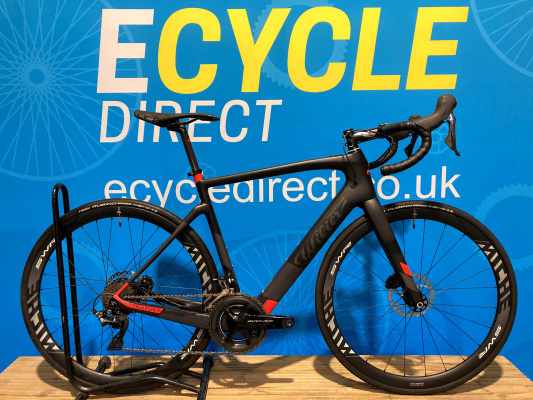
Wilier E-Bikes distil 110 years of Italian framebuilding into a range that refuses to look or feel like traditional electric bikes. The Triestina factory calls them 'Hybrids' - not because they're half-hearted, but because they blend acoustic bike aesthetics with pedal assist systems so discreet you'll forget they're there until you need them. Think sub-11kg carbon road machines that slip through bunch rides unnoticed, gravel explorers ready for the South Downs, and trail bikes that handle Welsh trail centres without the usual e-MTB bulk. Where are Wilier e-bikes made? Design and engineering happen in Rossano Veneto, where obsessive attention to tube profiles and layup schedules has been the house style since 1906. The payoff is HUS-MOD carbon monocoque frames that pair high stiffness with genuinely light weight - crucial when you're hauling a motor and battery. Whether you're eyeing a Wilier electric road bike for fast club runs or a Wilier e-MTB range model for technical singletrack, the common thread is restraint: no bulging down tubes, no garish logos, just clean lines and clever integration.
Prices and availability can change quickly. Delivery charges are not always included in listed prices.
Final price, stock status and delivery terms are set by retailer. We may receive a commission on purchases made.
Engineering the 'Hybrid' Series: Mahle & Fazua Integration
Wilier splits its motor strategy by discipline, and the choice matters more than you'd think. The Wilier road bikes turned electric - Filante Hybrid, Cento1 Hybrid - lean on Mahle ebikemotion X35+ and X20 hub motors tucked into the rear wheel. It's a rear-hub setup, so the frame stays slender and the weight distribution mimics an acoustic bike. You get 40 - 60Nm of torque, enough to flatten Cat 4 climbs without turning you into a passenger. The Mahle system talks to a compact 250Wh internal battery hidden in the downtube, and because it's hub-based, there's no mid-drive clunk or chain wear to fret over. Shift under load, coast through junctions - it doesn't care.
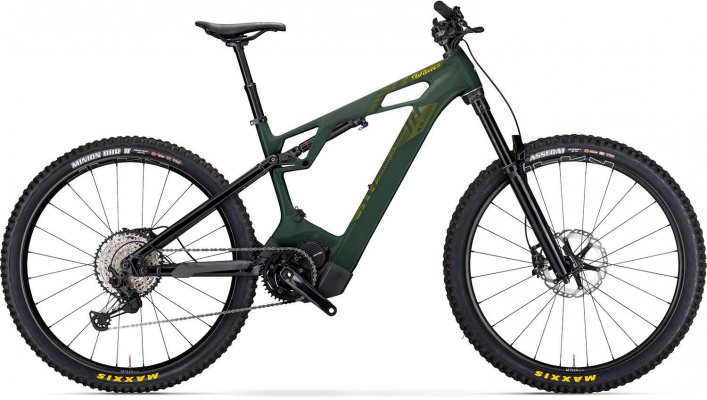
Switch to the Wilier Triestina hybrid e-bike models aimed at gravel and trail - Jena Hybrid, Urta Hybrid - and you'll find Shimano EP8 or Fazua Ride 60 mid-drive units. These deliver 85Nm and proper low-end grunt for steep fire roads and rooty climbs. The trade-off? A chunkier motor housing and slightly more pronounced assistance feel. The Fazua system is modular: pull the motor and battery out entirely if you fancy a lightweight summer ride, though in practice most riders leave it in. Both setups use a pedal assist system that reads cadence and torque, so power ramps smoothly rather than lurching you forward at traffic lights.
Wilier E-Road vs. E-MTB Geometry
Geometry tells you what the bike wants to do, and Wilier doesn't hedge. The Filante Hybrid borrows its race-bred skeleton from the acoustic Filante: low stack, long reach, steep seat tube. You're pitched forward, weight over the front wheel, ready to carve through descents or hold tempo on dual carriageways. It's an aggressive posture that rewards riders comfortable on the drops, and the integrated cockpit - cables routed through the stem - keeps things tidy when you're tucked. Not a bike for pottering to the shops, then.
The Urta Hybrid flips the script. Slack head angle, short chainstays, higher stack - classic trail geometry designed to keep the front wheel planted when you're threading through Peak District grit or pointing downhill on a wet Scottish descent. The Active Shock Absorber rear suspension tech on Urta models adds 120 - 140mm of travel, soaking up chatter without wallowing. Reach is generous but not extreme, so you can shift your weight back on steep drops without feeling cramped. If you're cross-shopping Cube e-bikes or Cannondale e-bikes, note that Wilier skews towards riders who prioritise handling precision over plush comfort - the suspension is active, not passive.
Battery Range and Extender Compatibility
How much does a Wilier e-bike weigh, and how far will it go? The two questions are linked. A Filante Hybrid tips the scales around 10.3kg with a 250Wh internal battery - light enough that you can haul it upstairs without grunting, but modest capacity means you'll see 60 - 80km of range in Eco mode, less if you're leaning on Boost through the Surrey Hills. Wilier offers range extender battery options shaped like water bottles that slot into standard cages, adding another 208Wh. Carry one and you're looking at 120 - 140km, enough for a long Saturday loop without range anxiety.
The Wilier gravel bikes and MTB models pack slightly larger batteries - typically 360 - 500Wh on Shimano EP8 setups - because mid-drive motors are thirstier under load. Expect 50 - 70km on mixed trails, more if you're disciplined with assist levels. The Fazua Ride 60 system is particularly clever: it decouples the motor when you're not pedalling, so there's no drag if the battery dies mid-ride. You won't find yourself lugging a dead motor home like some older e-MTB designs. Charging is straightforward - plug into the downtube port, four hours from flat to full, or pop the battery out if you'd rather charge indoors.
Italian Craft Meets Modern Propulsion
Wilier Triestina earned its 'Copper Jewel' nickname in the 1920s for obsessive tube shaping and finish quality, and that fastidiousness hasn't diluted with electrification. The HUS-MOD carbon layup process uses high-modulus fibres in strategic zones - head tube, bottom bracket, chainstay junctions - to keep stiffness high while shaving grams elsewhere. You feel it most when sprinting out of the saddle: the frame doesn't flex or judder, even with motor torque added to your own watts. The Intelligent Lighting System on some models integrates LED units into the handlebar ends, powered by the main battery - no separate AAA cells or zip ties cluttering your cockpit.
Final assembly happens in Rossano Veneto, where each frame is inspected and stress-tested before it leaves the factory. It's a slower process than mass production, but the upside is consistency. If you're comparing Bianchi e-bikes or Cervélo e-bikes, Wilier sits in the same premium tier - frames designed in-house, not rebadged OEM chassis. The Wilier Filante Hybrid price reflects that pedigree, but you're paying for a bike that won't feel outdated in three years when motor tech moves on; the carbon platform is timeless, and Mahle systems are firmware-upgradeable.
Practicalities: the endurance geometry on models like the Cento1 Hybrid offers a more relaxed ride than the Filante, with taller head tubes and shorter reach - better for all-day comfort on winter commutes or audax routes. The Wilier mountain bikes share the same build quality but prioritise mud clearance and dropper post routing. Whichever model you choose, you're getting a lightweight carbon electric bike that doesn't announce itself - just a quiet hum and a grin when the road tilts up.
Related searches: