
Wild Bikes Kids Bikes
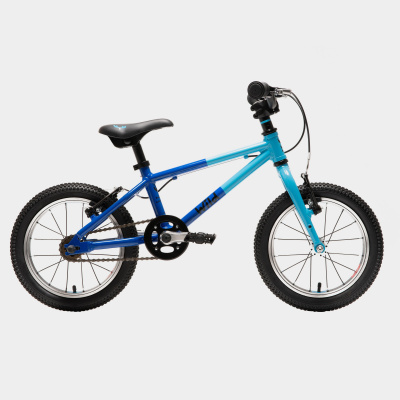
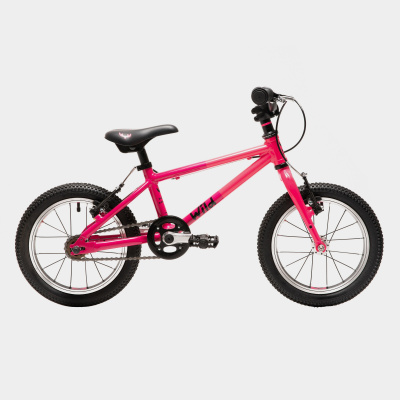
Wild Bikes Kids Bikes exist to solve a problem every parent knows: most children's bikes are heavy, clunky steel things that feel more like anchors than transport. Wild flips that script with 6061 alloy frames that tip the scales at around 5.8 kg for the smaller models, a weight advantage that transforms how a four-year-old tackles their first solo ride around the park. You're looking at proper bike-shop geometry and components - ergonomic brake levers sized for small hands, low standover height for confidence at stops, and a narrow Q-factor that keeps knees tracking naturally rather than splaying out like a frog on a lily pad. These aren't toys dressed up as bikes; they're engineered to grow skills without the frustration of wrestling dead weight uphill. Whether you're after a Frog Bikes alternative or stepping up from a balance bike, the Wild range spans 14-inch through to 24-inch wheels, each model tuned to match a child's evolving strength and ambition. Browse by wheel size and you'll find a bike that rides like it should, not like a supermarket trolley with pedals.
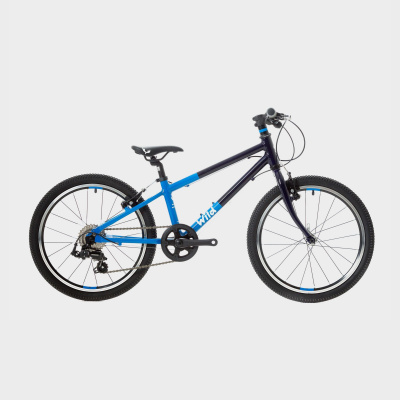
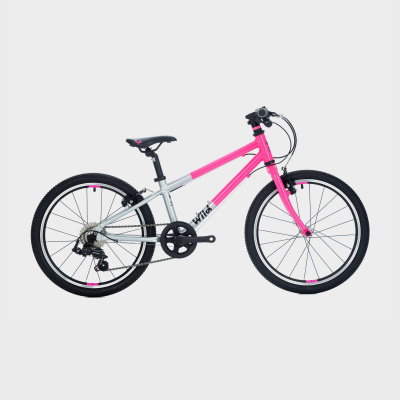
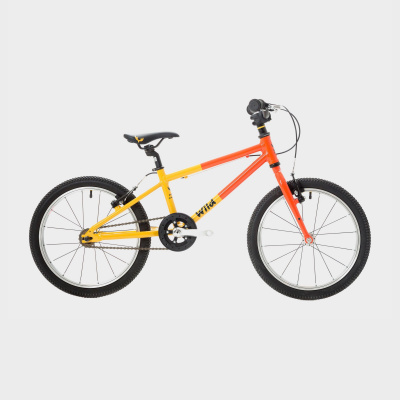
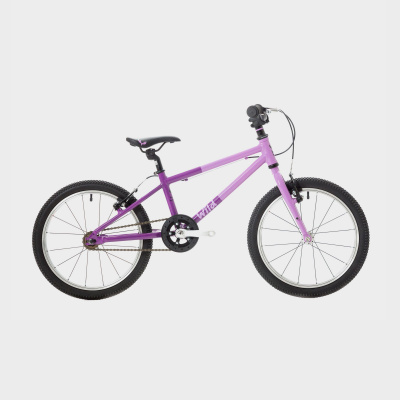
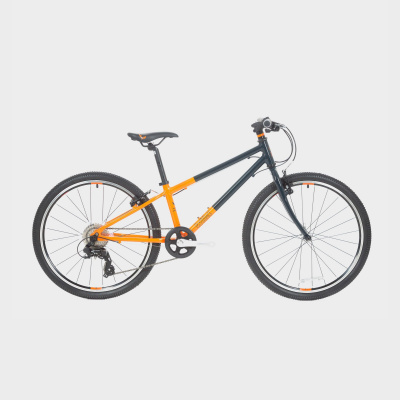
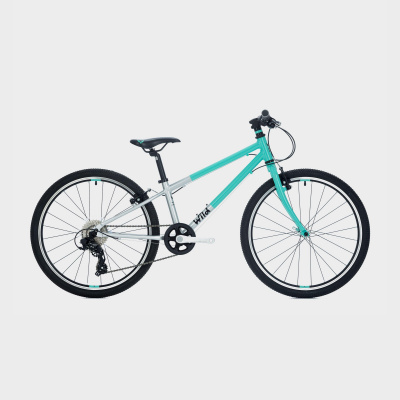
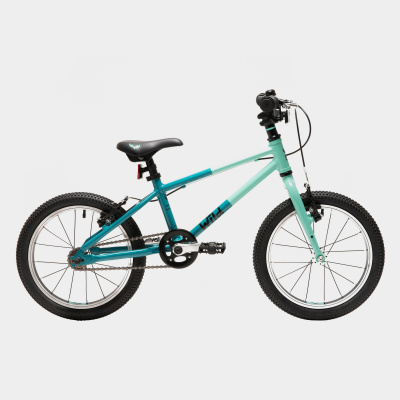
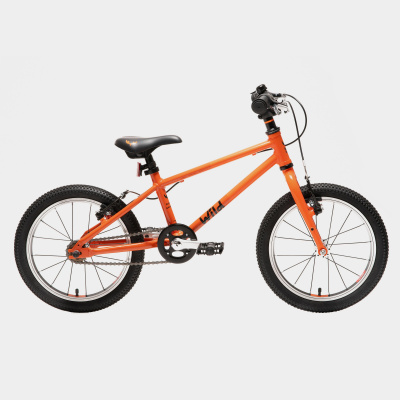
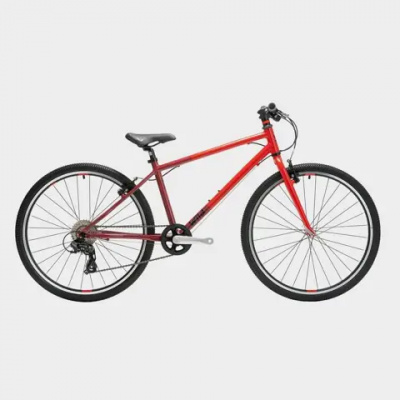
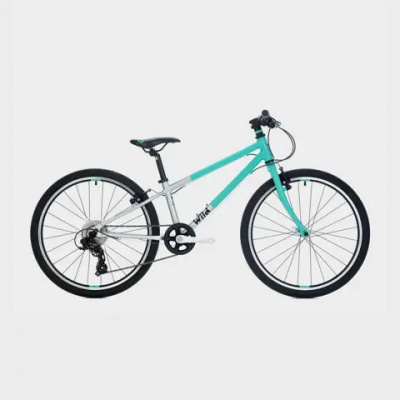
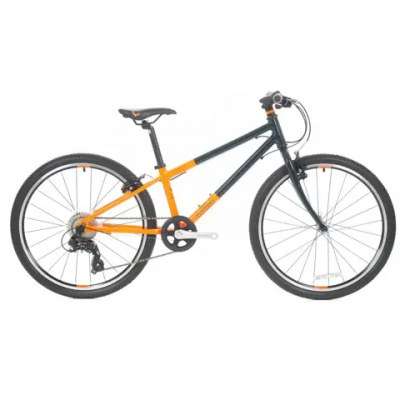
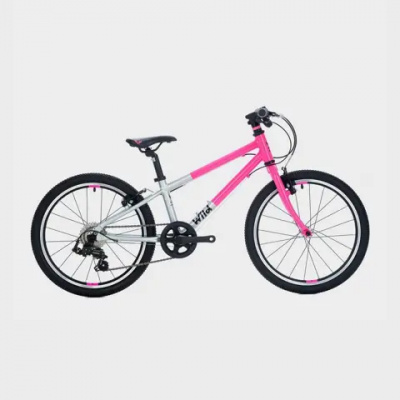
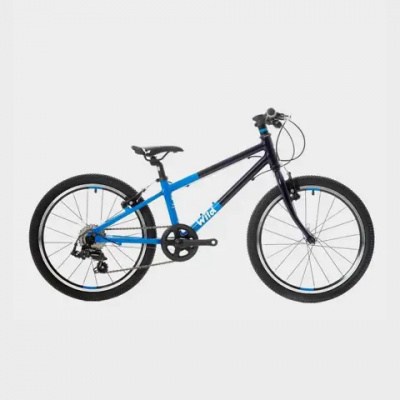
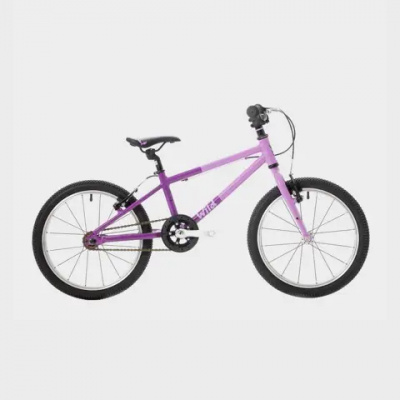
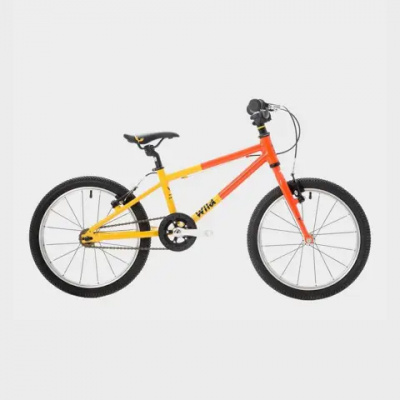
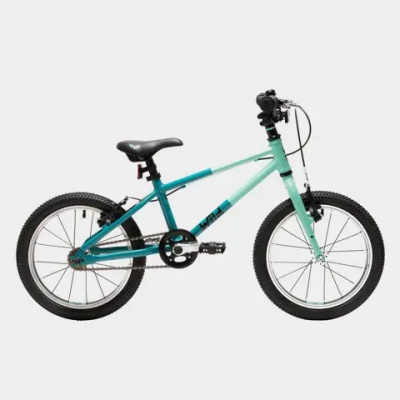
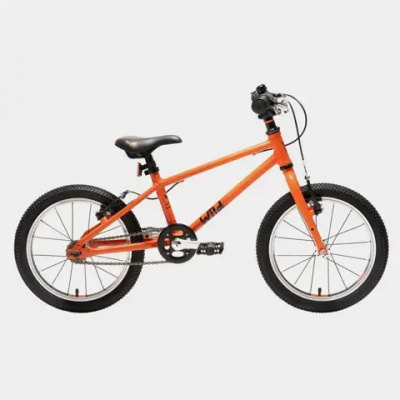
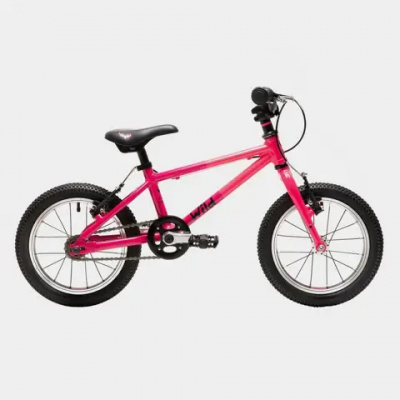
Prices and availability can change quickly. Delivery charges are not always included in listed prices.
Final price, stock status and delivery terms are set by retailer. We may receive a commission on purchases made.
Engineering for Little Rippers: The Alloy Advantage
The heart of every Wild Bikes lightweight children's bicycle is its 6061 aluminium frame and fork, the same alloy you'll find on adult trail hardtails and gravel racers. Why does that matter when you're buying for a six-year-old? Power-to-weight ratio. A child producing maybe 30 watts on a good day simply can't muscle a 12 kg steel bike up a modest slope without losing momentum and, more importantly, losing interest. Drop that bike weight to 6 or 7 kg and suddenly they're accelerating away from you on the towpath, grinning because pedalling feels effortless rather than punishing.
Wild's Featherweight Alloy Construction uses optimised tubing profiles - thinner walls where stress is low, reinforced at the head tube and bottom bracket where forces spike during cornering and pedalling. It's not just about shedding grams; it's about placing material where it counts. Tektro V-brakes provide ample stopping power without the complexity or weight of discs, and the ergonomic brake levers are short-reach so small fingers can squeeze them from the hoods without stretching. Kenda tyres offer dependable traction on tarmac, gravel tracks, and the occasional muddy shortcut through the woods, all without the rolling resistance of knobbly MTB rubber that would slow a lightweight bike to a crawl.
Component choices here mirror what you'd spec on a quality adult bike, just scaled down. Standard threadless headsets, cartridge-bearing hubs, and replaceable derailleur hangers mean any local bike shop can service or repair the bike without hunting for proprietary parts. That's a practical win when your child snaps a gear cable or bends a mech hanger after an enthusiastic dismount.
Geometry & Ergonomics: The Wild Fit
Wild Specific Geometry isn't marketing fluff - it's a deliberate departure from the upright, cruiser-style stance of big-box store bikes. The bottom bracket sits lower, dropping the centre of gravity so a wobbly beginner feels planted rather than perched. Short-reach stems and compact top tubes put the bars closer, so steering inputs are intuitive and quick without the vague, wandering feel of a bike designed by someone who's never watched a child ride.
Cranks are proportionally shorter to match a child's leg length and reduce knee strain. A narrow Q-factor - the lateral distance between pedals - keeps their feet tracking under their hips rather than splaying out, which improves pedalling efficiency and reduces the risk of knee niggles on longer rides. It's the same principle adult bike fitters obsess over, just applied to a rider who's still growing.
Standover height is critical. Wild frames allow at least an inch of clearance when your child stands flat-footed over the top tube, so they can dismount confidently without catching themselves on the frame. Compare that to a generic supermarket bike where the standover is often too high, forcing kids onto tiptoes and turning every stop into a potential tumble. Are Wild Bikes any good for kids? If you value a bike that fits like it was designed for a child rather than shrunk from an adult template, yes. The adjustable saddle height means you'll get two or three seasons out of each model before they outgrow the wheel size, and the stable, confidence-inspiring handling accelerates the learning curve whether they're mastering gears on a Boardman-style hybrid or tackling singletrack on a Wild Bikes alloy kids mountain bike.
Sizing Guide: From Balance to Trail
Forget age charts - they're useless when one seven-year-old is tall for their years and another is compact and wiry. What size Wild Bike does my child need? Measure their inside leg (inseam) and match it to standover height and saddle range. A 14-inch wheel typically suits riders with a 35 - 42 cm inseam (roughly ages 3 - 5), while a 16-inch stretches that to 40 - 50 cm (ages 4 - 6). The 20-inch models cover 50 - 60 cm (ages 6 - 9), and the 24-inch tops out the range for 60 - 70 cm inseams (ages 8 - 11), though those figures flex depending on your child's proportions.
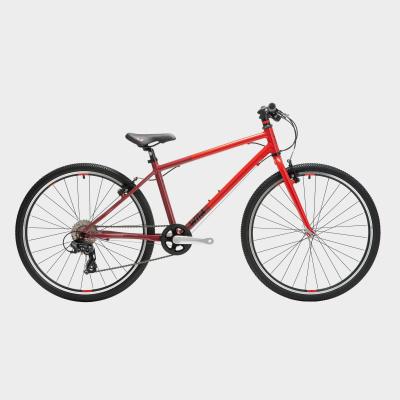
Stand them over the bike in the shop or at home. Feet flat on the floor, at least 2.5 cm clearance above the top tube. Too tight and they'll whack themselves dismounting; too much clearance and the saddle won't drop low enough for efficient pedalling. The Wild 14 and 16 often come with stabilisers for confidence, but the low standover height means most kids can ditch them faster than on a heavier, taller bike. By the time they're ready for the Wild 20 or 24, you're looking at derailleur gears and a geometry that mirrors a scaled-down hardtail, perfect for family rides through the Forest of Dean or the South Downs.
Progression matters. A child who starts on a properly sized, lightweight Wild 14 will develop better balance and bike-handling skills than one struggling with an oversized, overweight machine. When they graduate to the next wheel size, the familiar feel and component quality make the transition seamless. If you're cross-shopping Carrera or Cube kids' models, compare standover and actual weight rather than just sticker specs - Wild's focus on child-specific geometry often wins on fit even when headline numbers look similar.
Maintenance and Durability
Wild Bikes use standard components, which is a blessing when you're miles from home and need a quick fix. V-brakes are simple to adjust with an Allen key, cables are universal, and the single-speed or derailleur drivetrains use common Shimano or SRAM parts that any mechanic can swap in minutes. Who manufactures Wild Bikes? They're a private label brand developed by the Go Outdoors group, designed in the UK to offer lightweight, high-spec alternatives to premium marques without the premium price tag. That means you're not locked into a proprietary ecosystem for spares or service.
Check tyre pressures weekly - underinflated Kenda tyres add rolling resistance and make pedalling harder, which defeats the point of a lightweight frame. A floor pump with a gauge takes ten seconds and keeps the bike rolling smoothly on tarmac and packed trails alike. The drivetrain benefits from a wipe-down and a drop of chain lube every few rides, especially after wet outings in the Peaks or the Lakes where grit clings to everything. V-brakes need the occasional pad inspection; worn pads reduce stopping power and can score the rim if left too long.
Durability isn't about bombproof weight - it's about smart engineering. The 6061 alloy frame will shrug off the inevitable car park knocks and garden tumbles without denting like cheap steel or cracking like budget carbon. Replaceable derailleur hangers mean a bent mech doesn't write off the frame, and the threadless headset can be serviced or upgraded as your child grows. If you're planning to pass the bike down to a younger sibling or sell it on, Wild's build quality and standard parts make it a better long-term investment than a disposable toy-store special. Pair it with a Giant or Cannondale kids' helmet and you've got a setup that'll handle everything from the school run to weekend trail centre laps without drama.