
Wahoo Pedals
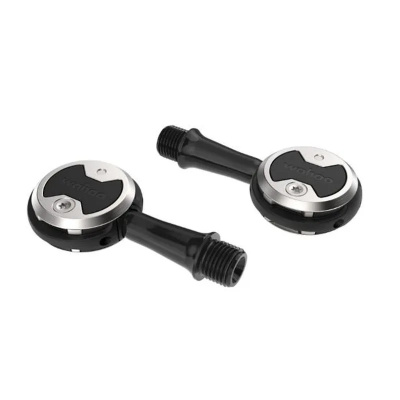
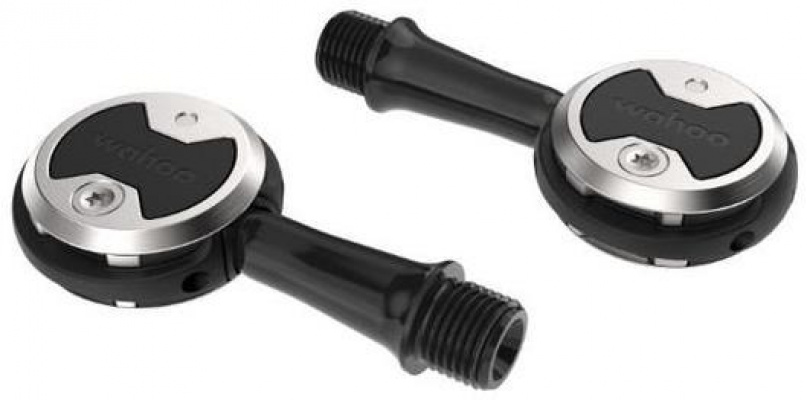
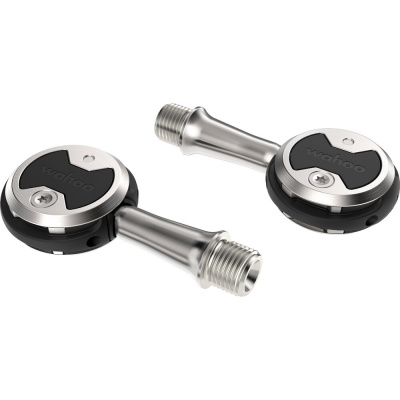
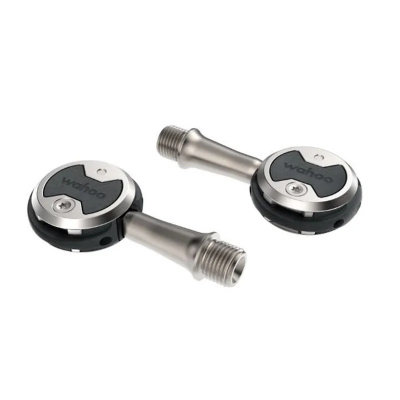
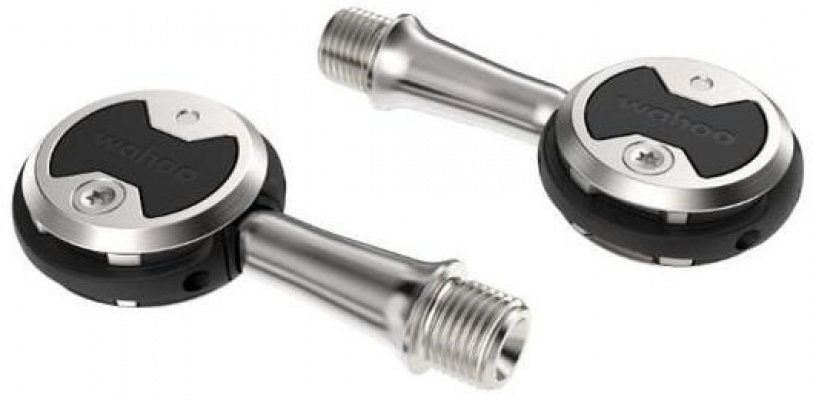
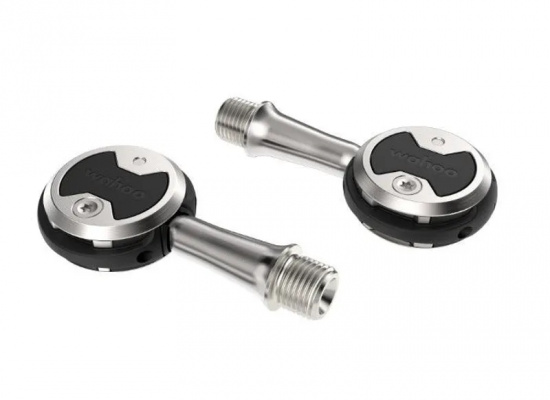
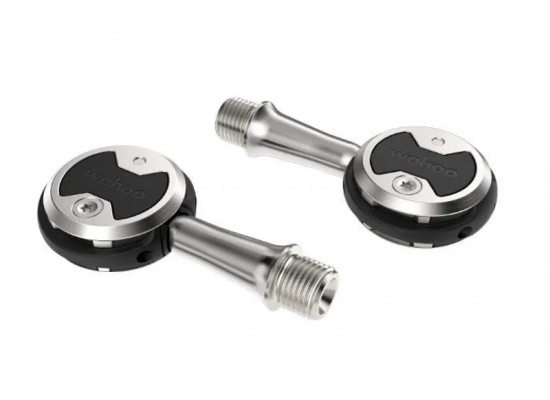
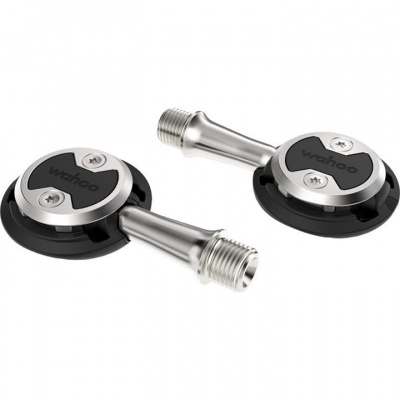
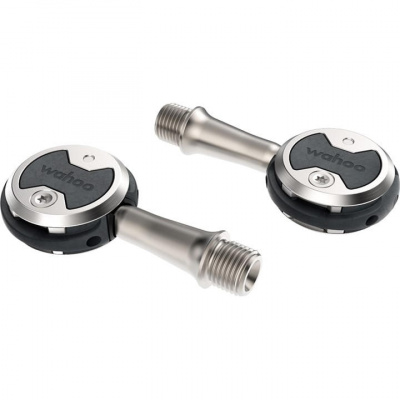
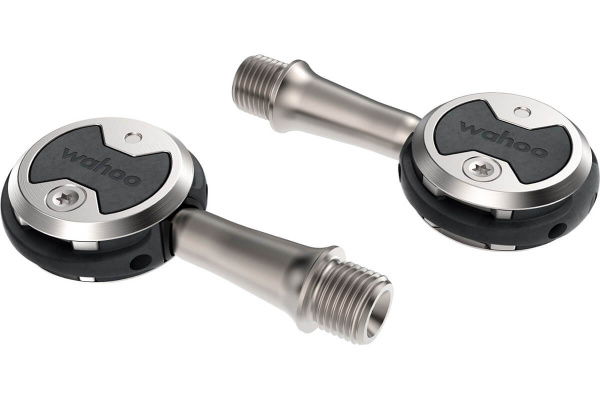
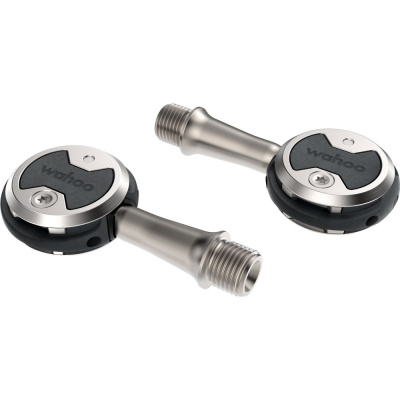
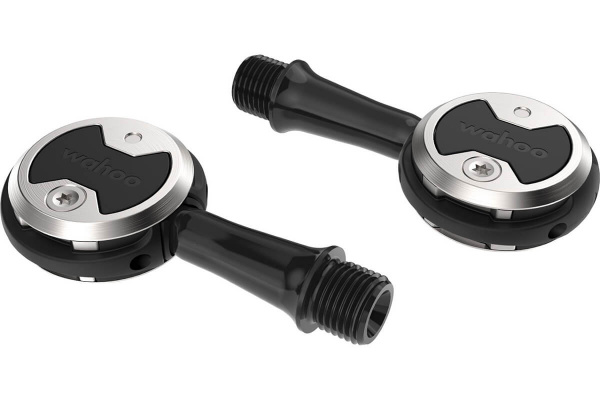
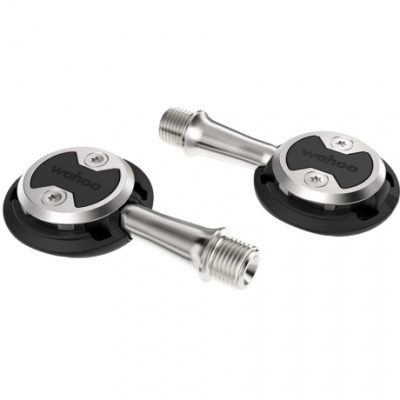
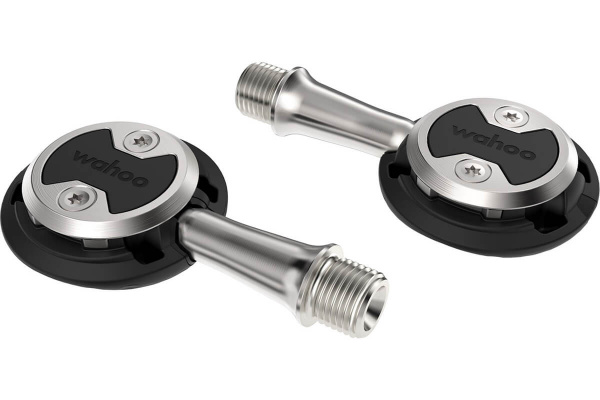
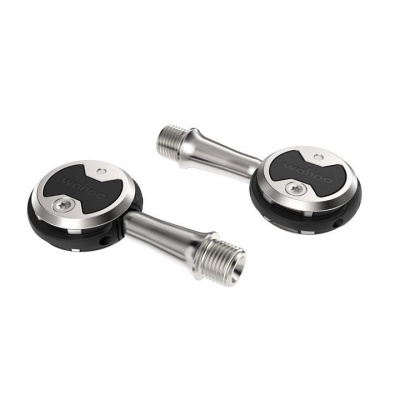
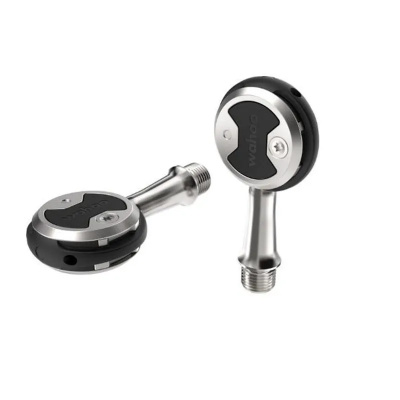
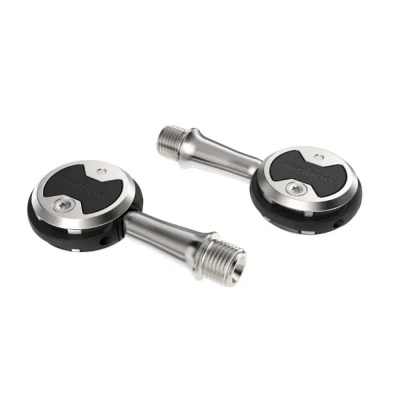
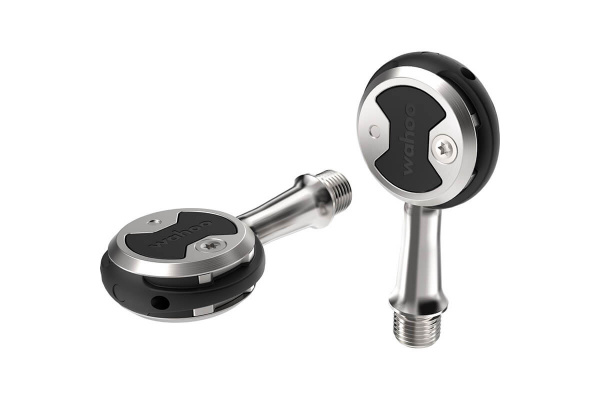
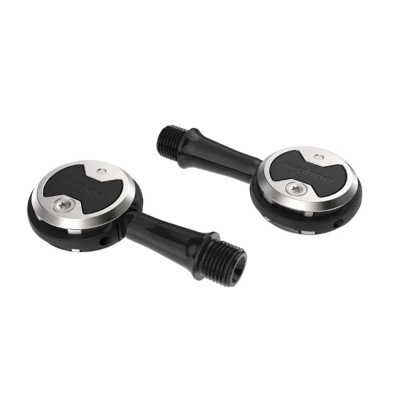
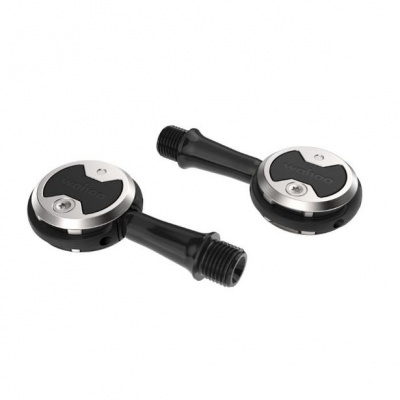
Wahoo Speedplay Pedals carry forward the iconic 'lollipop' design that's been a fixture on pro peloton bikes for decades, now wrapped in Wahoo's data-driven ecosystem. When Wahoo acquired Speedplay in 2019, they kept the dual-sided entry mechanism - clip in from either side, no fumbling at traffic lights - and the ultra-low stack height that puts your foot closer to the spindle for efficient power transfer. What changed? Sealed cartridge bearings replaced the old grease-port faff, and the pedal bodies gained metal edging to resist wear. You're looking at four main models: the Nano (titanium spindle, featherweight), the Zero (stainless steel, workhorse durability), the Aero (dimpled profile for time trial aero gains), and the Garmin-rivalling POWRLINK ZERO, which bakes dual-sided power measurement into the pedal itself. If you've been eyeing Look pedals but crave more float or need precise bike fit tweaks, Speedplay's 3-axis adjustability might be the answer. The choice hinges on whether you want pure mechanical simplicity or integrated power data.
Prices and availability can change quickly. Delivery charges are not always included in listed prices.
Final price, stock status and delivery terms are set by retailer. We may receive a commission on purchases made.
Why 3-Axis Adjustability Matters
Most road pedals lock you into a fixed cleat position with limited float. Wahoo Speedplay cleats flip that script. You get independent control over fore-aft position, side-to-side stance (Q-factor fine-tuning), and rotational float ranging from zero degrees (fixed) to 15 degrees of free movement. Adjust one axis without affecting the others. That's a godsend if you're chasing a precise bike fit or nursing dodgy knees on long rides through the Chilterns.
The cleat mechanism lives in the cleat itself, not the pedal body, which keeps the pedal light and the stack height minimal - 13.5 mm on the Zero, among the lowest on the market. Lower stack means your foot sits closer to the pedal axle, tightening the lever arm and theoretically improving power transfer. More practically, it feels stable and planted when you're grinding up Box Hill or sprinting out of a corner on a wet Welsh descent. Rotational float is stepless within your chosen range, so your heel can wander naturally as your leg fatigues without the clunky 'click' you get from some systems. If you've ever felt knee niggles with fixed-float pedals, that freedom can be a revelation.
Standard Tension cleats suit most riders; Easy Tension versions reduce release force by about 30 per cent, handy if you're new to clipless or have ankle mobility issues. Both come with 3-bolt to 4-bolt base plate adapters, so any standard road shoe works straight out of the box. Native 4-bolt Speedplay-specific shoes skip the adapter and sit even lower, but they're optional.
POWRLINK ZERO: Power Data in the Pedal
The Wahoo POWRLINK ZERO pedals answer the question plenty of riders ask: why buy a separate power meter when you can have it built into the contact point? Each pedal houses its own strain gauge, measuring left and right leg independently with claimed accuracy within plus or minus one per cent. That's on par with crank-based systems but without the compatibility headaches - swap the pedals between bikes in minutes, no need to match crank arms or bottom bracket standards.
Battery life sits around 75 hours on a single charge via USB-C, and the pedals include temperature compensation to keep readings consistent whether you're riding a frosty January commute in Edinburgh or a baking summer sportive in the South Downs. Pairing with Wahoo Elemnt computers is seamless - one tap in the app and you're logging watts, cadence, and pedal smoothness. ANT+ and Bluetooth mean they'll talk to Garmin head units, Zwift, and TrainerRoad just as happily. Calibration is a 10-second job: bike upright, cranks vertical, hit the button in the app or on your head unit. No tools, no faff.
Dual-sided power measurement matters if you're working on pedal stroke symmetry or rehabbing an injury. You'll spot imbalances quickly - say, favouring your right leg by five per cent - and adjust your training accordingly. The data feeds into Wahoo's ecosystem, syncing with Systm workouts and the Elemnt Rival watch if you're deep in the Wahoo family. If you're comparing to Crank Brothers or HT Components options, remember those brands don't offer integrated power - you'd need a separate spider or crank-based meter.
Fitting Them to Your Shoes
Wahoo Speedplay pedals use a 4-bolt cleat pattern, but don't panic if your shoes are standard 3-bolt. Every set of cleats ships with adapter plates that bolt onto your existing shoe mounts, then the Speedplay cleat bolts onto the adapter. It adds a couple of millimetres of stack, but it's negligible in practice. If you're running Shimano, Look, or Time pedals now, you'll unscrew those cleats, fit the adapter, and you're sorted. Takes about five minutes per shoe.
Native 4-bolt shoes - think older Bont models or some custom options - let you skip the adapter and sit fractionally lower, but the adapter system works so well that it's rarely worth hunting down specific footwear. Cleat wear is a consideration: because the spring mechanism lives in the cleat, not the pedal, you'll replace cleats more often than with traditional systems. Wahoo includes walkable cleat covers (little rubber caps that snap over the cleat), so you can shuffle through a café stop without skating on tiles or chewing up the metal cleat face. They're fiddly to fit at first, but once you've done it twice, it's second nature.
Maintenance is simpler than the old Speedplay days. Sealed cartridge bearings mean no more grease guns or weekly strip-downs. A quick wipe after wet rides and an occasional drop of light oil on the cleat spring is all you need. The metal pedal body edging resists scuffs better than the original composite shells, so they stay looking tidy even after a winter of gritty lanes around the Peak District.
Choosing Between Nano, Zero, and Aero
The Nano uses a titanium spindle and composite body to shave weight - around 168 grams per pair. That's featherweight territory, appealing if you're chasing every gram on a climbing bike or racing crits where acceleration matters. Stiffness is identical to the Zero; you're paying for lightness, not performance. The Zero swaps the titanium for stainless steel, adding about 50 grams but gaining durability and a lower price. It's the workhorse choice for year-round training, winter miles, and riders who'd rather not baby their kit.
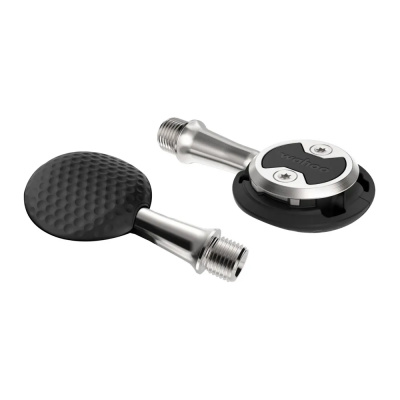
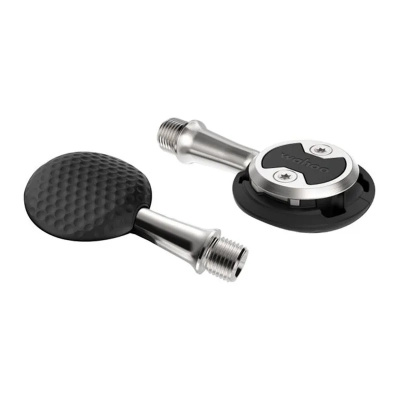
The Aero model targets time triallists and triathletes. It features a dimpled pedal body surface - think golf ball dimples - to reduce drag at the pedal-shoe interface. Wahoo claims measurable aero gains at race speeds, though in practice the difference is marginal unless you're already optimised everywhere else. If you're racing against the clock on flat dual carriageways or doing Ironman events, it's worth considering. For general road riding, the Zero or Nano make more sense.
All three share the same dual-sided entry, 3-axis adjustability, and cleat system. The POWRLINK ZERO sits on the Zero platform (stainless spindle, composite body) but adds the power measurement hardware, so it's heavier - around 320 grams per pair - and pricier. If you're comparing to Giant pedals or Bontrager pedals, neither brand offers a pedal-based power meter or the same level of fit customisation, so Wahoo Speedplay occupies a niche here.
Rotational float and aerodynamic profile are consistent across the range. Stack height varies slightly - 13.5 mm on the Zero and Nano, fractionally higher on the Aero due to the dimpled body, and about 14 mm on the POWRLINK ZERO with the power pod. All are lower than most conventional road pedals, which typically sit around 15 - 17 mm.
Living with Them on UK Roads
Dual-sided entry is the standout feature in daily use. Roll up to a junction, glance down, clip in without thinking. No flipping the pedal, no missed engagements. It's a small thing until you're navigating stop-start traffic in central London or tackling a steep restart on a wet climb in Snowdonia. The entry is smooth and positive; you feel a reassuring click, then you're locked in with zero play.
The low stack height and adjustable float suit riders with specific biomechanical needs. If you've struggled with knee pain on fixed systems, the ability to dial in exactly how much your heel can move - and in which plane - can be transformative. Set it to zero float for a locked-in feel on sprints, or open it up to 15 degrees for long endurance rides where your legs want to wander. The cleat adjustment takes patience initially - loosen four bolts, shift the cleat, retighten, test, repeat - but once it's dialled, it stays put.
Cleat longevity is the trade-off. Expect to replace them every 3,000 - 5,000 kilometres depending on how much walking you do and whether you use the covers. They're not cheap, but the system's benefits - especially if you're injury-prone or chasing marginal gains - often justify the running cost. The walkable covers help, though they add bulk and can be awkward to pocket on a ride. Some riders leave them at home and accept the cleat wear; others swear by them for café stops and post-ride pub visits.
In wet Scottish winters or gritty Pennine lanes, the sealed bearings hold up well. Spin stays smooth, and there's no creak or play even after months of muck. A quick rinse and a wipe keep them running sweetly. The metal pedal body edging resists the worst of car park scuffs and chain-drop dings, so they age gracefully compared to the old plastic-bodied Speedplays that could look tatty after a season.
Related searches: