
Vision Road Wheels
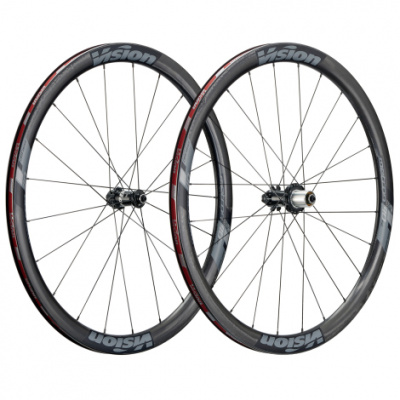
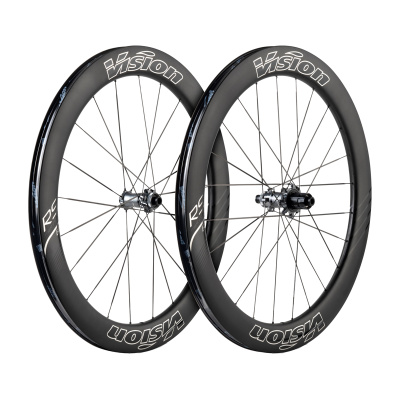
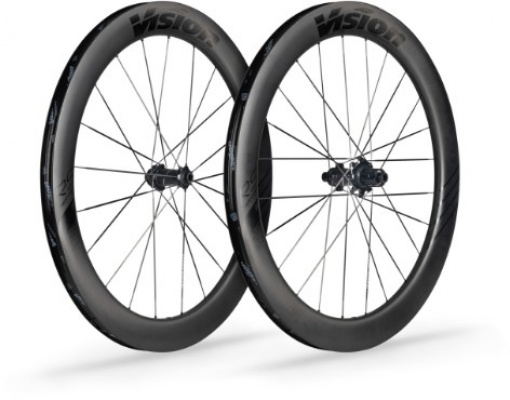
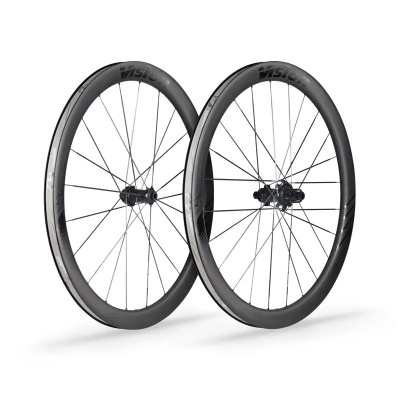
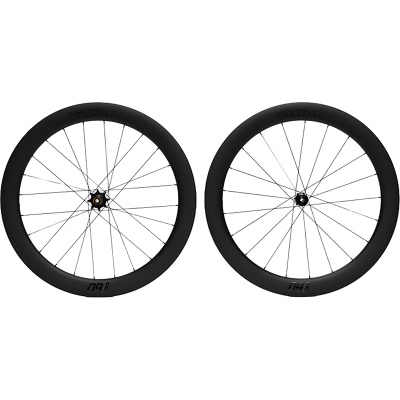
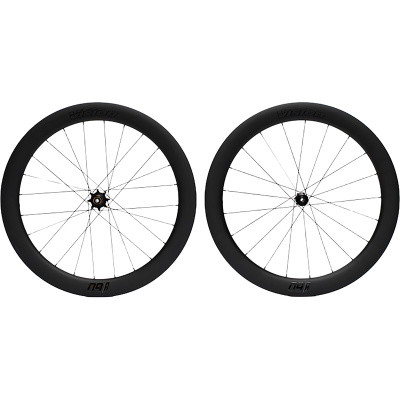
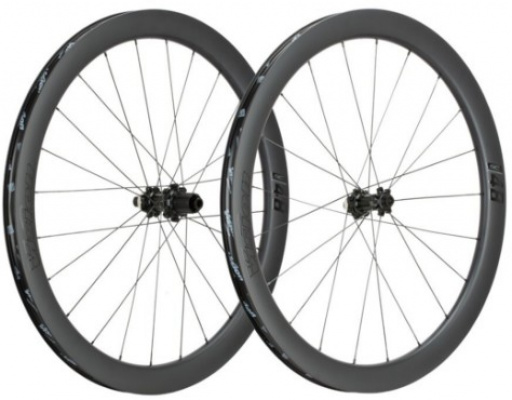
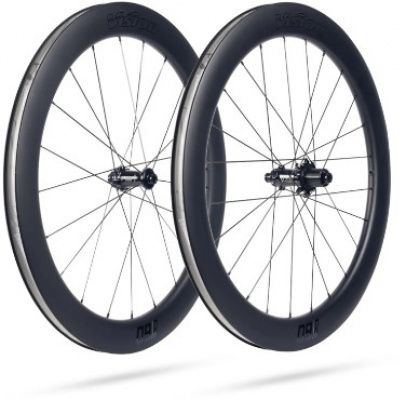
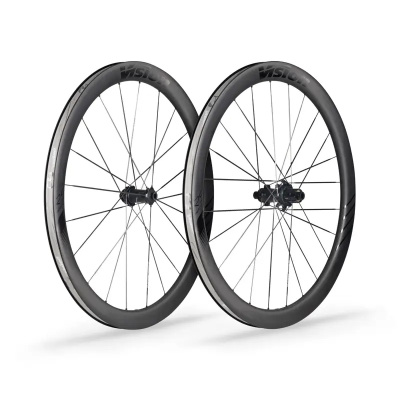
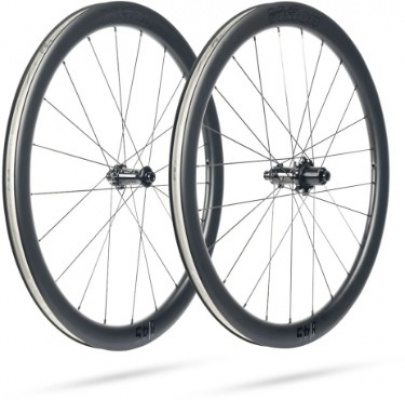
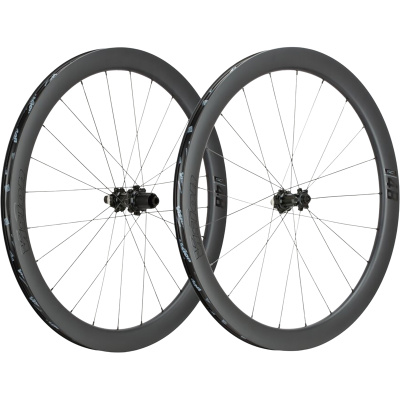
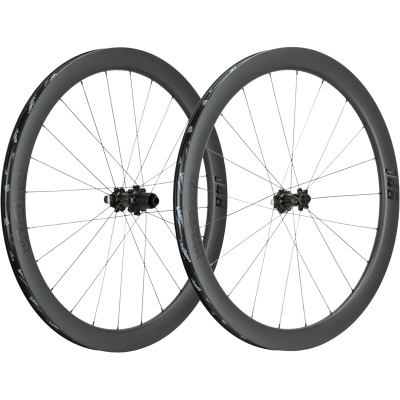
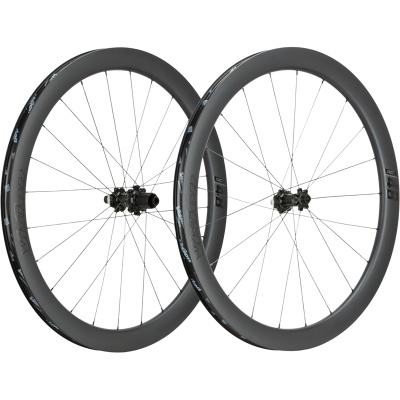
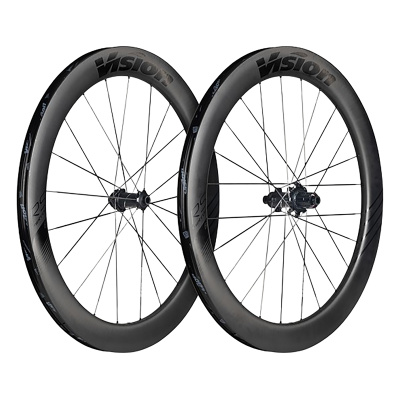
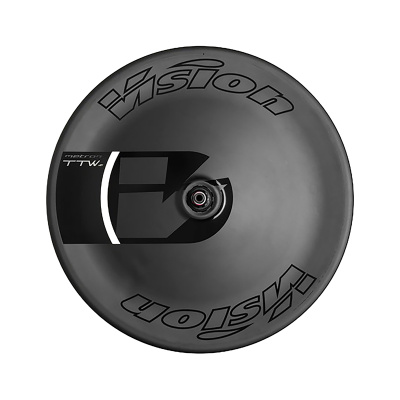
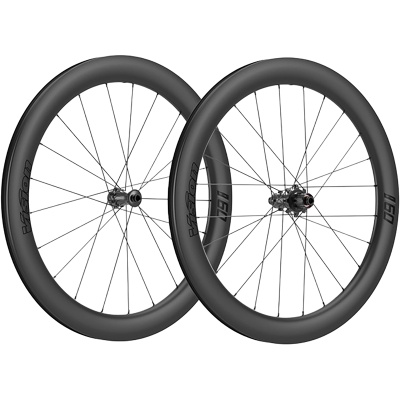
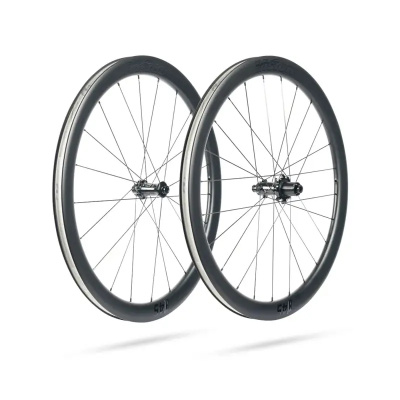
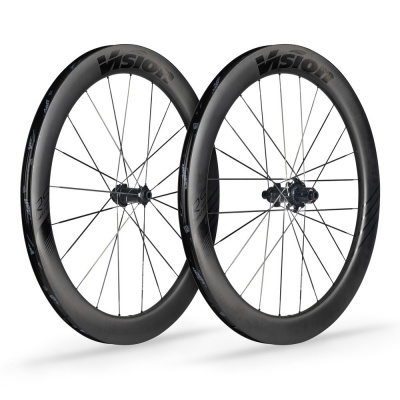
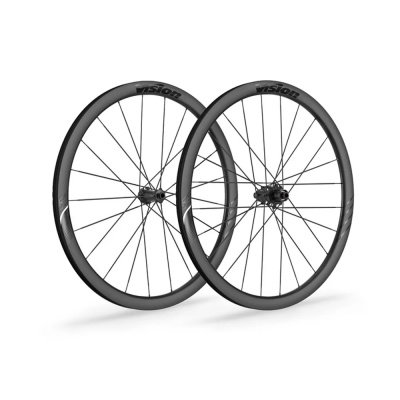
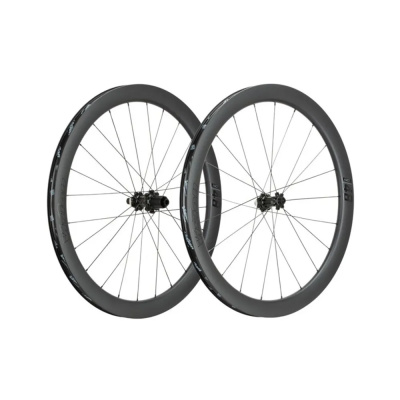
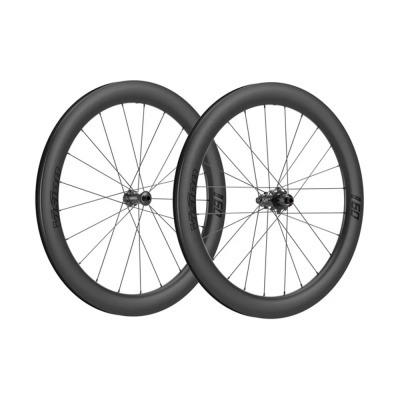
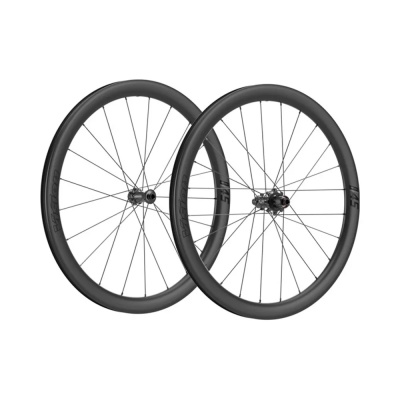
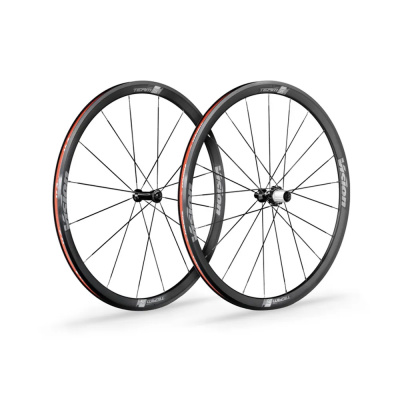
Vision road wheels are developed as FSA's dedicated aero arm, shaped by wind-tunnel data and refined through WorldTour race programmes. The range spans from the flagship Metron carbon series down to the Team alloy hoops that keep training budgets intact - and there's a genuine option for most riders at most price points.
What ties the range together is a focus on aerodynamic efficiency and hub reliability. The Metron sits at the top: CFD-optimised rim profiles, premium bladed spokes, and Vision's PRS hub system with 72-tooth engagement for near-instant power pickup. Step down to the SC series and you're getting the same aero rim shapes with more accessible hub hardware. The Team alloy wheels are exactly what they sound like - tough, consistent, and designed to take punishment through winter.
For UK riders, the range makes practical sense. Whether you're chasing seconds at a flat-road crit, grinding out a hilly sportive in mixed conditions, or hunting for a reliable training wheelset that won't wince at a pothole, Vision has thought about the trade-offs. Tubeless-ready options, disc brake compatibility, and sensible rim depth choices across the lineup mean there's less head-scratching when it comes to fitting and running these wheels day-to-day.
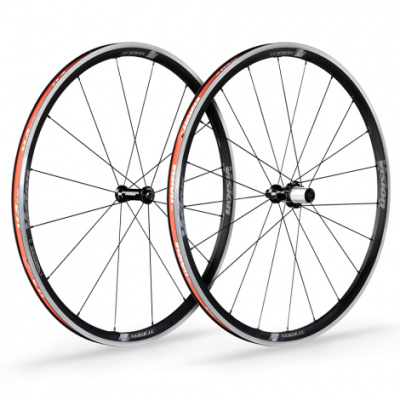
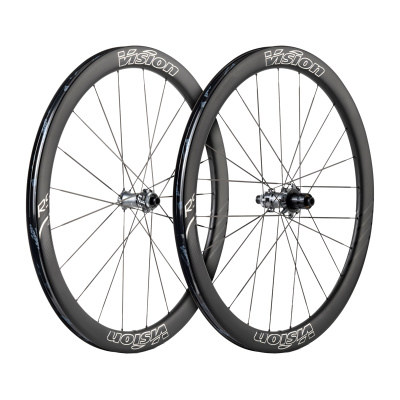
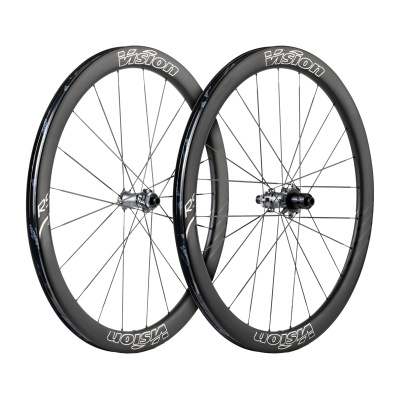
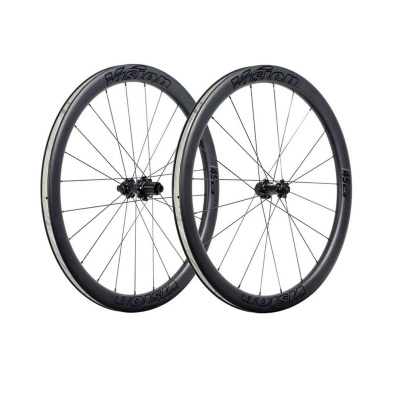
Prices and availability can change quickly. Delivery charges are not always included in listed prices.
Final price, stock status and delivery terms are set by retailer. We may receive a commission on purchases made.
Fitting Vision Wheels to Your Bike
Most modern Vision road wheels are built around 12mm thru-axle standards - 12x100mm up front, 12x142mm at the rear - which gives a stiffer, more precise feel than old quick-release setups, particularly under hard cornering or out-of-the-saddle efforts. If your frame still runs QR, check the spec carefully before you buy; Vision does produce QR-compatible options, but availability narrows as the range moves upmarket.
Disc brake models use centerlock disc rotor mounts as standard. That's worth flagging if you're coming from a 6-bolt setup - you'll need a centerlock-to-6-bolt adapter, or swap your rotors. Freehub compatibility is the other thing to sort before checkout. Most Vision wheels ship with a Shimano HG 11-speed body as standard, which also accepts 12-speed HG cassettes. Running SRAM AXS or any XDR-driver groupset? You'll need to confirm the freehub body version or factor in a swap.
Need to adapt your axle or replace a worn freehub? Browse our dedicated Vision Freehub Bodies & Spares, Vision Skewers, and Vision Tubeless Valves pages to complete your setup.
Metron, SC, and Team: Which Tier Is Right for You
Vision's product hierarchy is worth understanding before you start filtering. The three tiers sit in clearly different places - not just on price, but in what they're actually trying to do.
The Metron is the headline act. Rims are shaped through CFD analysis and wind-tunnel validation, with profiles ranging from 40mm to 81mm depth. The deeper sections (55mm, 81mm) are genuine time-trial and race tools; the 40mm is the one most UK road riders will find usable across a wider range of conditions. Spokes are aerodynamic bladed units, and the hubs run Vision's PRS (Power-Ratchet System) with 72-tooth engagement - that's a 5-degree pickup per click, so there's virtually no dead spot when you stamp on the pedals out of a corner. Carbon rim construction throughout keeps the rotating weight down, and all current Metron wheels are tubeless ready (TLR), which makes a meaningful difference for comfort and grip on patchy UK tarmac. If you're also looking at ENVE road wheels at this end of the market, the Metron competes hard on aero performance while typically undercutting on price.
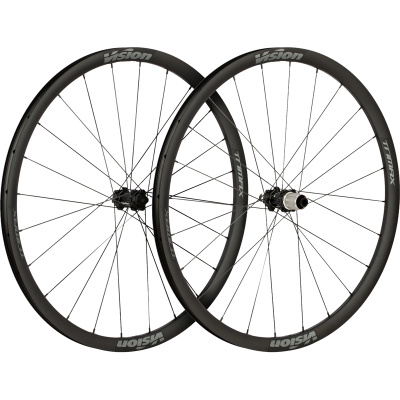
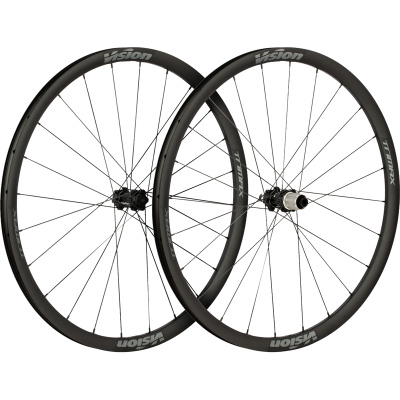
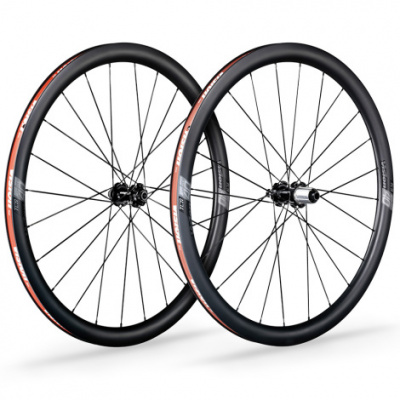
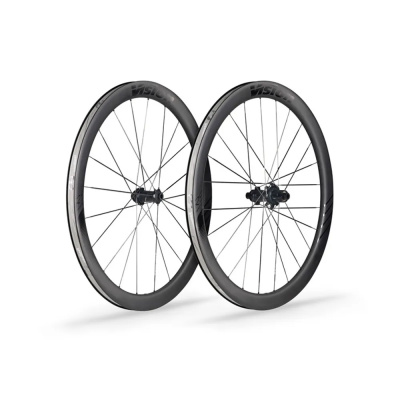
The SC series - Service Course - is where Vision's aero rim shapes become accessible without the flagship hub hardware. You're getting the same wind-tunnel-informed profiles as the Metron, but with conventional J-bend spokes and hubs that are competent rather than exceptional. Weight creeps up slightly, and engagement isn't as sharp, but the real-world difference on a four-hour sportive is marginal. It's the sensible call for riders who want proven aero geometry without paying for race-day hub refinement. Fulcrum road wheels occupy similar ground, and it's worth a side-by-side comparison if you're sitting on the fence.
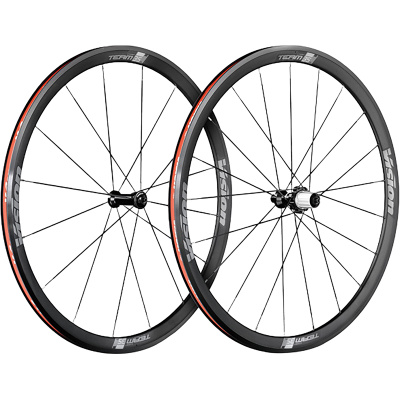
The Team alloy range is the no-fuss workhorse. Aluminium rims, conventional hubs, and the kind of durability that shrugs off winter grime without complaint. These aren't trying to win races - they're there so your good carbon wheels stay clean and fresh for when it matters. Mavic road wheels are the obvious comparison here; both offer solid alloy options that simply get on with the job.
Taking your drop-bar bike off-road? Head over to our Vision Gravel Wheels collection for wider internal rim widths optimised for dirt.
Staying on Top of Hub Maintenance in UK Conditions
UK roads are not kind to bearings. Gritty winter lanes, standing water after rain, and the kind of spray that comes off a wet B-road on a November morning all accelerate hub wear if you're not proactive about it.
Vision's PRA (Preload Reduction Assembly) is a collar system on the hub that lets you adjust bearing tension without pulling the wheel apart completely. In practice, this means you can back off preload during summer riding for lower rolling resistance, then dial it back in when conditions get wetter and you want better sealing under load. It's a genuinely useful feature if you know about it - a lot of riders don't, and end up with notchy bearings by February. Check the collars every few months, especially if you've had a run of wet rides.
On rim depth: exposed country lanes and open moorland riding call for caution with deep-section carbon. A 40mm Metron is a sensible ceiling for anything with crosswind exposure - it's deep enough to produce measurable aerodynamic drag reduction while staying manageable in a gust. Save the 55mm and 81mm options for flat time trials or sheltered circuits where you're not fighting the wind sideways. Spoke tension is the other factor worth mentioning - Vision's carbon layups on the Metron are built to handle rough road surfaces, but keeping spoke tension even matters more on potholed tarmac than smooth roads. If you suffer a broken spoke on a pothole, find exact replacements in our Vision Spokes and Nipples section.
Running tubeless? The TLR-ready rims on the Metron and SC series need a proper tubeless-specific rim tape - don't cut corners with standard cloth tape. Seat the bead dry first, check it's fully locked, then add sealant. A track pump usually does the job on Vision's rim profiles; you rarely need a compressor if the tape is seated correctly. Pair the wheels with a decent set of Vision handlebars or Vision aero bars and you've got a coherent, matched cockpit-and-wheel setup that aerodynamically makes sense together. Also worth a look: DT Swiss road wheels and Campagnolo road wheels if you want to compare hub serviceability options at a similar level.
Vision Road Wheels FAQs
Are Vision wheels any good?
Yes, and the range is broader than people often realise. The Metron carbon series has genuine WorldTour pedigree - CFD-shaped rims, 72-tooth PRS hub engagement, and tubeless-ready construction. The SC and Team tiers bring that aero rim thinking down to more accessible price points. They're well-regarded in the UK road scene for build quality and hub durability when maintained properly.
What is the difference between Vision Metron and SC wheels?
The rim profiles are closely related - both draw from Vision's wind-tunnel work - but the hubs and spokes are where they diverge. Metron runs PRS hubs with 72-tooth engagement and bladed aero spokes, making it sharper under power and lighter overall. SC uses J-bend spokes and more standard hub internals, which brings cost down without fundamentally changing the aero geometry of the rim.
Are Vision road wheels tubeless ready?
The Metron and SC series are tubeless ready as standard. You'll need tubeless-specific rim tape (not standard cloth tape), compatible tubeless tyres, and valve stems. Vision's rim profiles generally seat reliably with a track pump if the tape is fitted correctly. The Team alloy range is primarily clincher-focused, so check the individual model spec before assuming TLR compatibility.