
Velotoze Overshoes
veloToze overshoes have changed how riders approach wet weather and time trialling - strip away the chunky zips and velcro of traditional covers and you're left with a skin-tight latex or silicone shell that locks out rain, wind, and road spray with nothing to fail. No zip seams. No leak points. Just a second-skin seal that fabric overshoes genuinely can't replicate.
They caught on fast in the UK domestic time trial scene, where riders quickly worked out that a thin rubber cover over the shoe costs almost nothing in weight but shaves real seconds through better aerodynamics. That same aerodynamic advantage transfers to winter training rides, where the windproof barrier keeps feet warm even when the material feels almost impossibly thin in your hand.
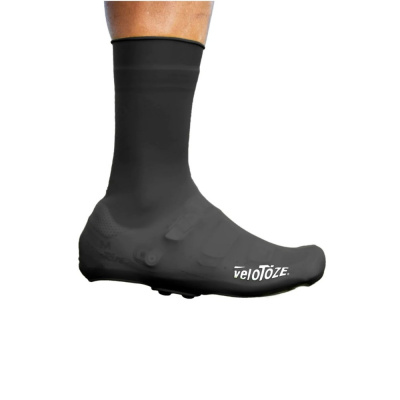
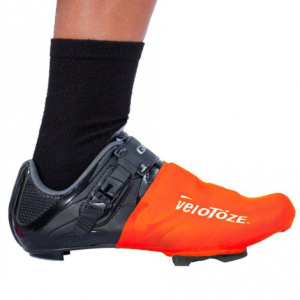
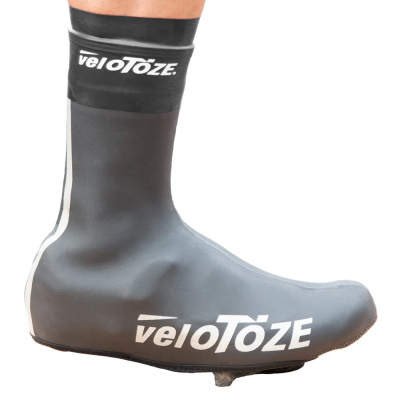
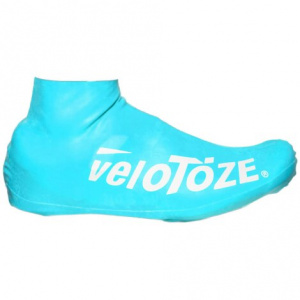
There are now two core material choices - the original latex rubber and the newer silicone material - each with a different balance of race-day performance and everyday durability. And the range goes beyond just tall covers: short versions, toe covers, and road versus off-road cuts mean you can match the product to the ride rather than compromise. If wet, cold feet are costing you miles, veloToze is worth a serious look.


Prices and availability can change quickly. Delivery charges are not always included in listed prices.
Final price, stock status and delivery terms are set by retailer. We may receive a commission on purchases made.
Latex vs. Silicone: What the Materials Actually Do
The original veloToze construction uses latex rubber, and it's still the sharper tool for racing. Latex pulls tight against the shoe with almost no bulk, creating that skin-tight seal that smooths airflow over the foot. In a TT, that matters. In a bunch ride, it still keeps you dry when nothing else would. The trade-off is that latex is relatively unforgiving - it can nick or tear if you catch it on a cleat awkwardly, and it degrades faster with heat and UV exposure.
The silicone material versions address exactly that. Silicone stretches more generously, which makes getting them on and off noticeably less of a battle on a wet Tuesday morning. They're tougher day-to-day and hold up better through a full winter of use. You lose a marginal sliver of the aerodynamic precision compared to latex, but for training rather than racing that's a trade-off most riders will happily make. Both materials share the same zip-free design - and that's the real point. Every zip on a conventional overshoe is a potential ingress point; veloToze removes the problem entirely rather than trying to seal around it. Both are fully windproof barrier and waterproof straight out of the packet.
The reinforced toe and sole area on both versions is worth noting. Walking in road cycling shoes happens - cafes, car parks, signing-on queues - and that reinforcement stops the cover tearing away from the cleat cut-out through normal use. It's a practical detail that makes a real difference to lifespan.
If you're shopping around, Spatzwear overshoes use a similar latex-based approach and are worth comparing for race-specific applications, while Castelli overshoes offer a more conventional zip construction if you want something easier to pull on mid-ride.
Getting the Fit Right Across the veloToze Range
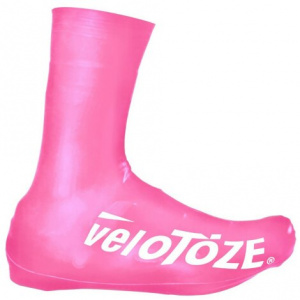
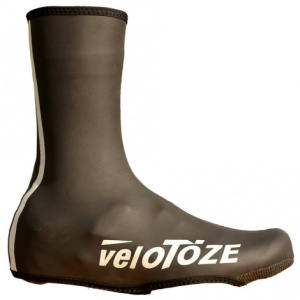
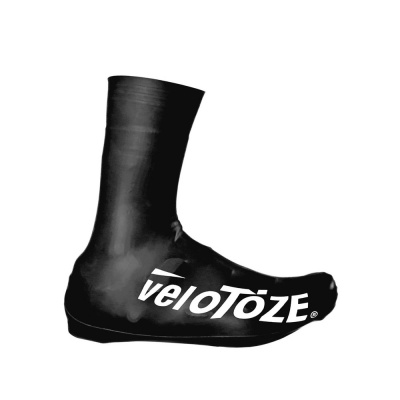
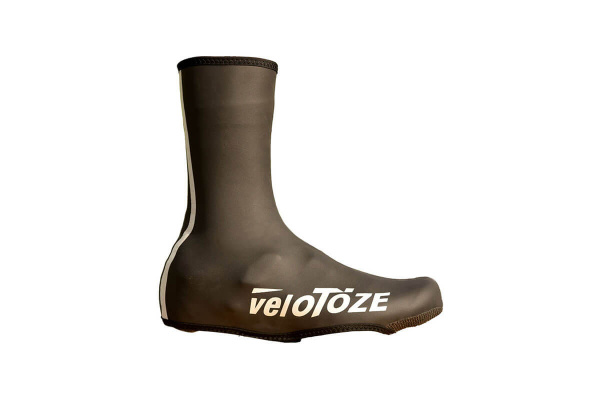
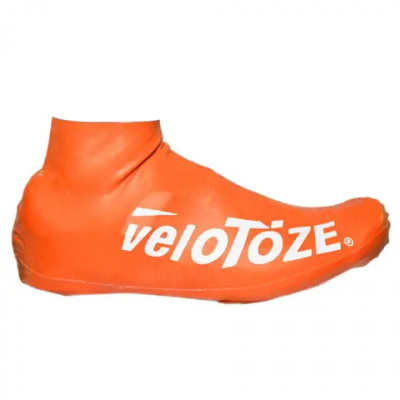
veloToze runs three main cover heights and they suit different conditions. The Tall version gives maximum coverage up the calf, which matters both for waterproofing - stopping water running down your leg into the top of the cover - and for aerodynamics, since the calf-sealing design removes another turbulence source. These are the ones for full winter rides and TT events.
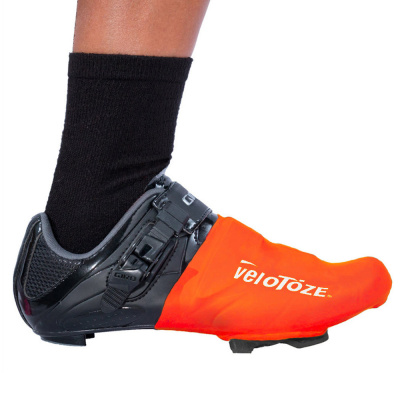
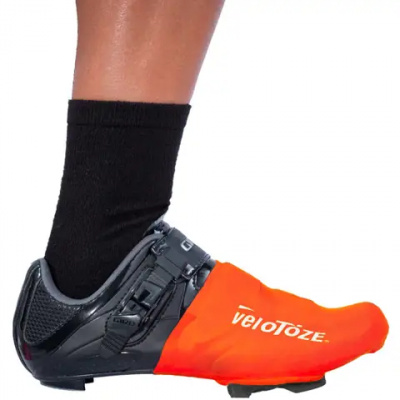
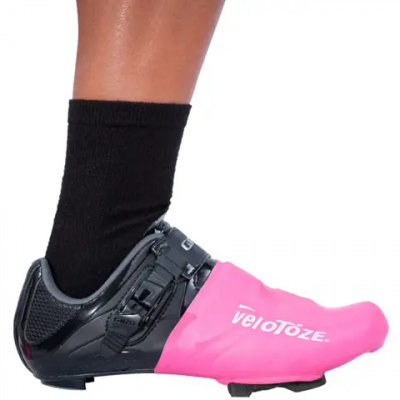
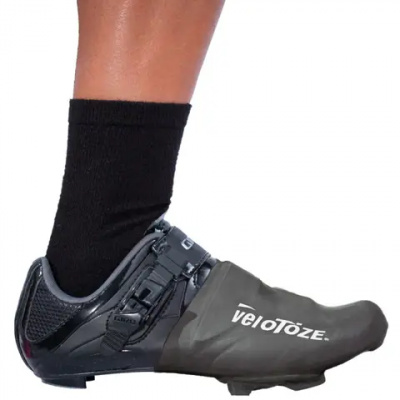
The Short version sits lower on the ankle. Useful on cooler, damp days where you don't need full coverage and want something that layers more easily under bib tights. And the Toe Covers are exactly what they sound like - a simple cap over the front of the shoe for cold-but-dry mornings where full waterproofing isn't the priority but your toes are still going numb by the first descent.
There's also a split between Road and MTB/Gravel versions. The road cut has a tighter cleat cut-out sized for two-bolt road cleats; the MTB/Gravel version opens this up to accommodate the recessed three-bolt cleats on trail and gravel shoes, which sit in a wider, deeper recess. Worth checking which version you're buying - the wrong cut-out makes walking awkward and can stress the material around the cleat.
Sizing is where most people go wrong. veloToze must fit tight - genuinely tight, not just snug. If it feels loose on the shoe in the shop or warehouse, it'll balloon slightly at speed and the waterproofing seal at the calf won't form properly. Size down if you're on the boundary. And the fitting process itself is specific: put the cover on your bare foot first and roll it up your ankle, then put your cycling shoe on normally, fasten it up, and only then pull the cover down over the heel and toe. Trying to stretch it over a fastened shoe is a recipe for a torn latex cover and a frustrating morning.
GripGrab overshoes and Endura overshoes both use more conventional sizing and zip-entry systems if the veloToze fitting process sounds like more faff than you want on a dark January morning - worth knowing the alternative exists.
Wearing and Caring for veloToze in UK Conditions
How you layer veloToze matters as much as the cover itself. The key rule: wear the overshoe directly against bare skin, with leg warmers or bib tights pulled over the top. Water running down your leg hits the tight first and runs over it, not inside. Pull the tights over the outside of the tall cover and you've essentially created a funnel into your sock. It's a simple thing that makes a big difference on a wet Peak District or Welsh coast ride where the spray is relentless.
The windproof barrier quality is something that catches people off guard the first time. The material is thin enough that you'd expect cold feet, but the combination of a true windproof layer and a seal against the skin keeps warmth in remarkably well. On freezing, damp mornings - the kind of grey, 3-degree ride that's most of a UK winter - the thin shell outperforms much chunkier neoprene alternatives for breathability, which matters when you're pushing hard and generating heat.
Care is straightforward but non-negotiable if you want them to last. Rinse with cold water after every wet ride - not warm, not hot. Latex degrades with heat, so keeping them away from radiators and tumble dryers isn't optional. Air dry completely before storing. Once dry, dust the inside lightly with talcum powder or baby powder. This stops the latex sticking to itself when folded, which is the most common cause of tearing when you next try to put them on. Treat the latex versions like you'd treat a quality inner tube and they'll last a full season without issue.
If you're using the silicone versions, the same principles apply - silicone is more forgiving of the odd crease, but heat and sharp edges are still enemies. Keep them away from cleat edges when rolling them on and they'll hold up well across repeated winter training use.
Velotoze Overshoes FAQs
How do you put on veloToze overshoes?
Roll the overshoe onto your bare foot and pull it up your ankle before your shoe goes on. Once your shoe is fastened, pull the cover down over the heel and toe, making sure no material bunches around the cleat. Trying to stretch it over an already-fastened shoe risks tearing the latex - don't skip the order.
Are veloToze overshoes completely waterproof?
Yes. Both the latex and silicone versions are inherently waterproof and windproof - there are no zip seams to leak through. Worn correctly against bare skin with leg warmers or tights over the top, they stop water running down your leg into the shoe, which is where most traditional overshoes fail.
How do I care for veloToze shoe covers to make them last?
Rinse in cold water after wet rides and air dry away from any direct heat source. Once fully dry, dust the inside with talcum or baby powder to stop the material sticking to itself. That sticking is what causes tearing when you next pull them on - a two-second dusting saves a lot of frustration.