
Vaude Regular Tights
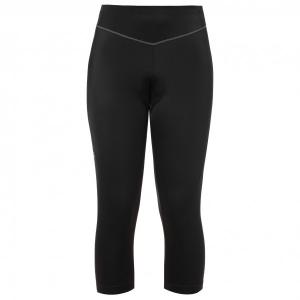
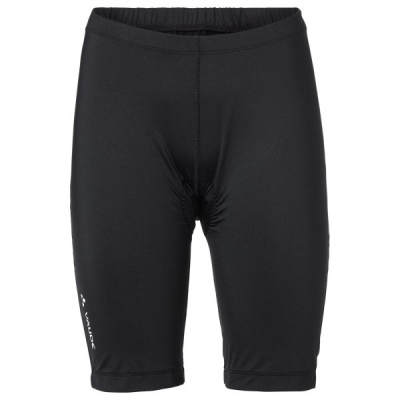
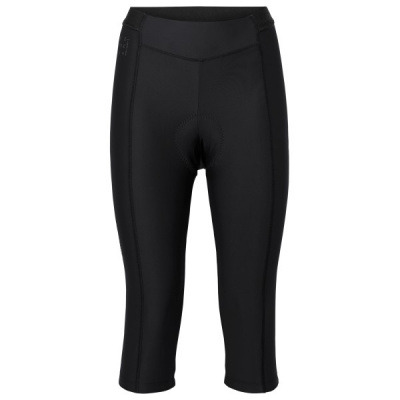
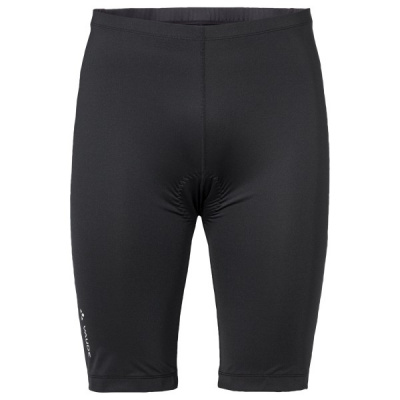
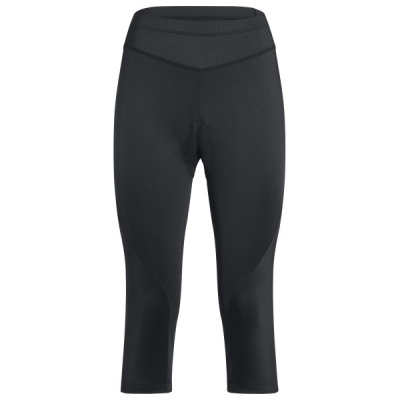
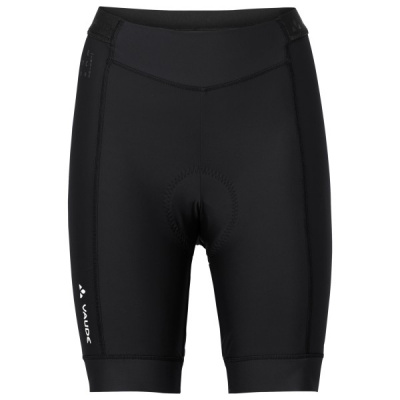
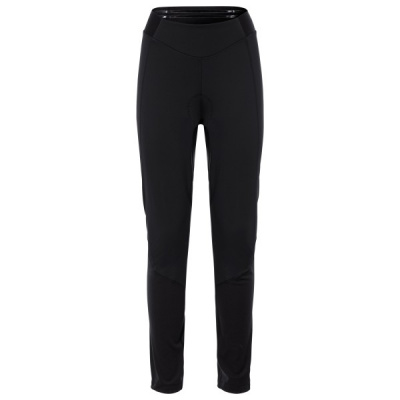
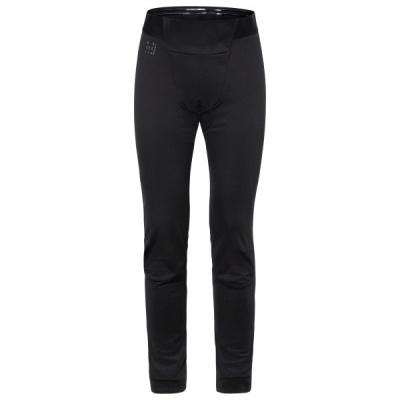
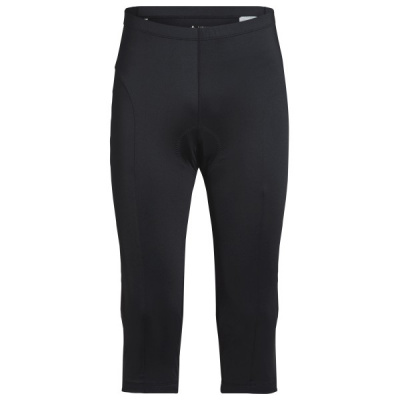
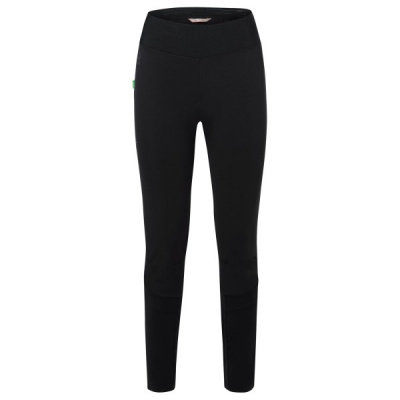
Vaude regular cycling tights are the no-faff choice for riders who want proper cold-weather coverage without wrestling with bib straps every time nature calls. Built around Vaude's Green Shape sustainability ethos, these waist tights punch well above their weight on fabric quality and environmental credentials - a combination you don't always see at this end of the market.
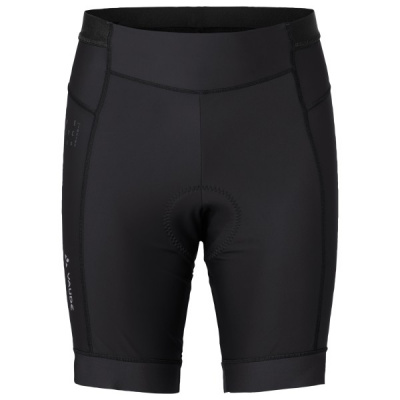
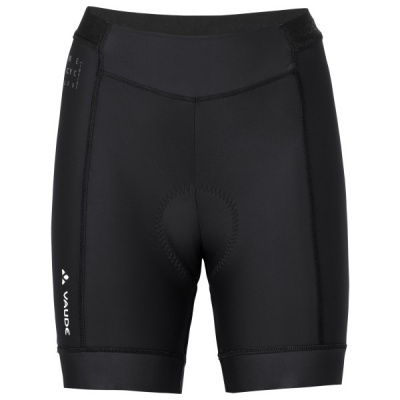
At the core of the range sits the Advanced Cycling Eco chamois: a multi-density pad made with recycled materials that keeps things comfortable across long base miles without the bulk you'd expect from a winter-spec tight. Pair that with PFC-free Eco Finish water repellency - road spray and light drizzle bead straight off the fabric - and you've got a tight that handles a typical UK winter commute or weekend ride without drama.
Windproof panels block icy headwinds on exposed stretches, articulated knees stop the fabric pulling when you're grinding uphill, and reflective detailing keeps you visible on the dark January mornings that are just part of life here. Whether you're ticking off miles on the South Downs or doing your regular commute in the wet, these tights are a practical, considered option worth a proper look.
Prices and availability can change quickly. Delivery charges are not always included in listed prices.
Final price, stock status and delivery terms are set by retailer. We may receive a commission on purchases made.
Fabric Tech and Weather Performance
Vaude's approach to weather protection is thoughtful rather than blanket. The Windproof Pro panels sit on the leading edges of the legs - exactly where a cold headwind hits first - and they make a genuine difference on exposed roads and open moorland crossings. That stiff, biting chill you get descending a long drag in January? These panels take the edge off it without making the tight feel like a boil-in-bag situation on the climb back up.
The reason you don't overheat is the panel placement. Breathable, non-windproof sections run along the rear of the legs, letting moisture and heat escape when you're working hard. On a humid Welsh climb in October, that distinction matters. You stay warm at the front, ventilated at the back. Simple logic, executed well.
The Eco Finish DWR coating handles the stuff that windproof panels can't: road spray, sudden showers, puddle splash from passing lorries. It's a PFC-free treatment, so there's no perfluorocarbon chemistry involved - better for watercourses, better for long-term fabric health. Light rain beads and rolls off rather than soaking in, keeping the fabric weight down and you more comfortable. It won't replace a waterproof layer in a proper downpour, but for the drizzle-and-spray reality of UK winter riding, it does the job quietly and consistently. Pair these with a set of Vaude jackets and you've got a coherent weather system from waist to shoulder.
Fit Profile and Where Waist Tights Make Sense
Vaude's waist tights are cut with articulated knees - pre-shaped panels that follow the natural bend of the joint rather than fighting against it. On a long ride, that means no bunching behind the knee, no fabric drag mid-stroke. It sounds like a small thing until you've spent three hours on a tight that doesn't have it.
The waistband is wide and soft, designed to sit just above the hips without rolling down or cutting in. This is where a lot of waist tights fall short, but Vaude's construction is measured here. There's enough compression to keep the Advanced Cycling Eco chamois firmly in place throughout the ride, which is the whole point of a snug waist fit.
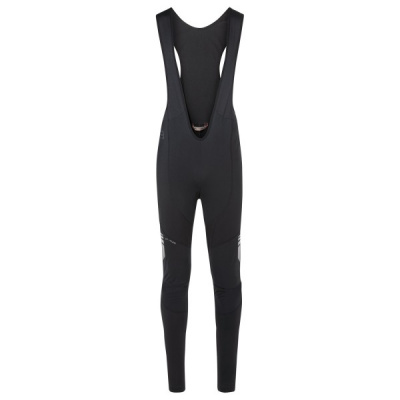
Worth being clear about the category: these are waist tights, no shoulder straps. That makes them faster to pull on, easier to deal with at café stops, and less restrictive across the chest and shoulders - useful if you're wearing a bulkier winter base layer or a Vaude jersey with a high collar. The trade-off is that a waistband, however well-made, can't replicate the locked-in lower-back coverage you get from bibs. If that matters to you - and in genuinely cold conditions it often does - you'll want to look at Vaude bib tights instead, which keep the chamois anchored and your lower back covered without any gap risk.
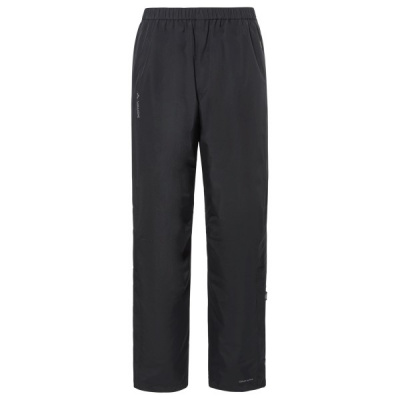
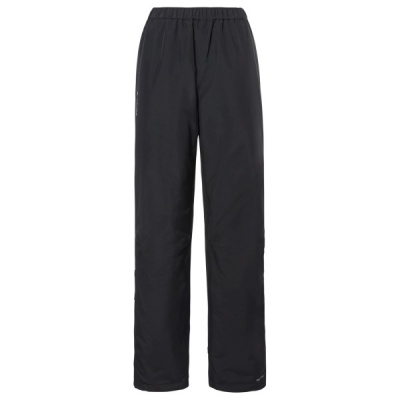
For commuters and touring riders, though, the waist tight format is often the smarter pick. No straps to deal with under a work bag, no full undress required at the services. If you're covering mixed ground - bike to office, occasional weekend ride - that practicality adds up fast. Riders looking at the broader lower-body picture might also want to compare Vaude trousers for non-chamois options, or Vaude overtrousers if you want a protective shell layer on top.
Vaude cuts both men's and women's specific versions, with women's tights shaped to account for different hip-to-waist ratios and inner-leg proportions. It's not a token adjustment - the chamois positioning and waistband geometry differ between the ranges. Check sizing charts carefully; Vaude tends to run true to size but the fit is fairly close to the leg, so if you're between sizes and plan to layer underneath, size up.
Layering and Looking After These Tights
Getting the most from Vaude regular tights in UK winter means thinking about what goes with them, not just what they do on their own. On really cold days, a lightweight thermal base layer under the tight adds meaningful warmth without much bulk. Above the waist, a windproof Vaude jacket and a pair of Vaude overshoes completes the system - the overshoes in particular are worth the investment, since cold feet will end a ride faster than cold legs.
On the care side, the Eco Finish DWR coating needs a bit of attention to stay effective. Wash at 30 degrees, use a dedicated tech-wash - something like Nikwax Tech Wash works well - and avoid biological detergents entirely. Fabric softeners are the enemy here; they clog the DWR chemistry and degrade the coating faster than mileage will. After washing, a low-heat tumble dry or careful use of a warm iron on the outer fabric (not the chamois) can help reactivate the DWR if it's started to wet out rather than bead. The Advanced Cycling Eco chamois is made with recycled materials and benefits from the same gentle treatment - high heat and spin cycles will shorten its life.
These aren't the only waist tights worth considering. Endura regular tights and Altura regular tights both offer strong alternatives at similar price points, with their own approaches to thermal fabric and DWR. Vaude's edge is the Green Shape credential and the quality of the Eco chamois - if sustainability is part of your buying decision, that's a meaningful differentiator.
Vaude Regular Tights FAQs
Are regular cycling tights better than bib tights?
It depends on how you ride. Waist tights are quicker to pull on, easier at café stops or when commuting, and less restrictive across the upper body. Bib tights give you better lower-back coverage and keep the chamois locked in place throughout a long ride. Neither is objectively better - it's a use-case call.
How should Vaude cycling tights fit?
Close to the skin, without restricting your pedal stroke. The chamois needs to stay in contact with you throughout the ride, so there shouldn't be any loose fabric around the seat or inner thigh. The waistband should sit firmly above the hips without rolling. Articulated knees mean the fabric follows your movement rather than pulling tight at the joint.
Are Vaude cycling tights suitable for winter riding?
Yes, particularly models with Windproof Pro panels and a brushed Vuelta fleece interior. They handle the cold and road spray of typical UK winters well. The PFC-free Eco Finish deflects light rain effectively. For serious sub-zero days, layer a thermal base underneath and pair with overshoes and a windproof jacket for full coverage.