
Van Rysel Wetsuits
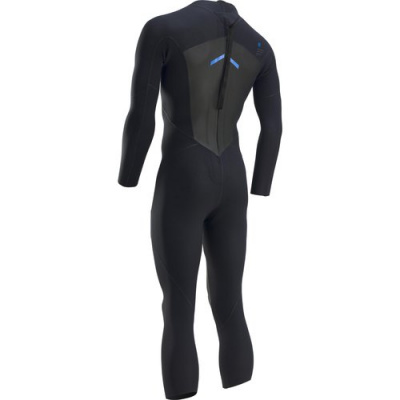
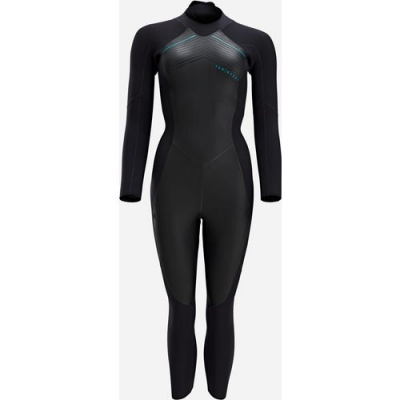
Van Rysel wetsuits bring serious open-water engineering to a price point that won't make you wince before you've even reached the waterline. Built specifically for triathletes and open-water swimmers, the range is structured around three things that actually matter in the water: buoyancy, shoulder freedom, and how fast you can get the suit off in T1. Variable neoprene thickness panels keep your hips and legs riding high without locking up your stroke, while Yamamoto neoprene at the shoulders gives you the kind of rotation you need to hold good form over a kilometre-plus swim. UK open water is cold, often murky, and the season is short - Van Rysel designs these suits with that in mind, offering reliable thermal protection from the first chilly May morning through to the back end of a September event. Whether you're lining up for your first sprint triathlon or you've got an iron-distance swim on the calendar, there's a suit in the range pitched at your level. Entry-level models prioritise maximum buoyancy for swimmers still building their horizontal position; higher-spec suits dial back the thickness at the shoulders for unrestricted, race-pace movement.
Prices and availability can change quickly. Delivery charges are not always included in listed prices.
Final price, stock status and delivery terms are set by retailer. We may receive a commission on purchases made.
Neoprene Tech and How the Buoyancy Panels Work
The material story starts with Yamamoto neoprene - Japanese-made, limestone-based rubber that stretches further and lasts longer than standard petroleum-derived neoprene. You feel the difference the moment you pull the suit on: it moves with you rather than fighting you, and it doesn't fatigue your shoulders the way stiffer rubber does over a long swim. Van Rysel uses it where flexibility matters most, typically at 1.5mm to 2mm around the arms and shoulders, while thicker 4mm panels sit across the core, hips, and thighs.
That thickness differential is the buoyancy profile doing its job. Sinking legs are one of the most common drag sources for amateur swimmers - your stroke compensates, your hips drop, and suddenly you're pulling yourself through the water at an angle. The denser lower-body panels act as a float for that part of your body, pushing your hips up and flattening your position without any conscious effort on your part. Think of it as passive correction while you focus on your stroke.
The outer surface on higher-spec suits features a Glide Skin coating - a smooth, water-repellent finish that reduces hydrodynamic drag as you move through the water. It's a small detail that compounds across a long swim. Worth noting: Glide Skin panels are more vulnerable to fingernail damage during donning, so use flat palms and take your time pulling the suit up.
Getting the Fit Right Across the Van Rysel Range
A triathlon wetsuit should feel uncomfortably tight on dry land. That's not a fault - it's correct. The neoprene will soften and loosen slightly once you're in the water, and any excess volume inside the suit becomes cold, draggy water pooling around your body. If it feels comfortable standing in the car park, it's probably a size too big.
The key checks: you should be able to take a full deep breath without the chest feeling genuinely restrictive, and shoulder rotation needs to be free enough to complete a full freestyle stroke. Neck seal fit matters too - too loose and cold water floods in; too tight and you'll feel it on every breath for the entire swim. Van Rysel publishes height and weight sizing charts, but chest and hip measurements are your more reliable guides if you're between sizes.
The range runs from entry-level suits - thicker overall, more buoyancy, less concern about high-end flexibility - to advanced models where the panel mapping gets more sophisticated and the Yamamoto neoprene spec steps up. If your legs sink and your swim fitness is still developing, go for the buoyancy-focused entry suits. If you're a confident swimmer who wants the suit to stay out of your way rather than prop you up, look at the upper end of the range where shoulder mobility is the priority. Strong swimmers sometimes find maximum-buoyancy suits actually interfere with their natural body position - too much lift in the wrong places can upset a good stroke as much as too little.
For a complete race-day setup, Van Rysel tri clothing worn underneath needs to be minimal - a trisuit or swim skin, nothing with loose fabric that bunches under the neoprene. It affects both comfort and how quickly the wetsuit peels off in T1.
Compared to HUUB wetsuits, which often carry a higher price tag with a strong UK following, Van Rysel sits at a more accessible entry point without cutting corners on the core neoprene specification. Castelli wetsuits lean toward a more performance-oriented, narrower fit profile - worth knowing if you're deciding between brands at the upper end of the budget.
T1 Speed, UK Conditions, and Looking After the Suit
The race doesn't pause when you hit the beach. Reverse zip closures - where the pull cord sits at the neck rather than the small of the back - mean you can yank the zip yourself without hunting for it behind your shoulder. Combined with cut-away ankle cuffs that let the suit slide off over a timing chip without bunching, a well-designed wetsuit can be off and over the mount line in seconds. Practice the removal in training; the first time you try it shouldn't be race morning.
UK open water has specific demands beyond temperature. Early season swims - April and May especially - will test a suit's sealed seams and how well the neck gasket holds out cold water. Hi-vis panel detailing on the arms or back is worth prioritising if you're swimming in open water without a dedicated safety kayaker nearby. Murky reservoir and lake conditions are the norm here, not the exception, and being visible matters.
After every swim, rinse the suit thoroughly in fresh water - salt and the organic matter in lakes both degrade neoprene over time if left to dry in. Turn it inside out to dry, away from direct sunlight. UV breaks down neoprene faster than almost anything else, and a suit left draped over a fence on a sunny afternoon will age years in an afternoon. Store it flat or loosely folded, not on a hanger - a sharp crease held for months can crack the rubber at that point.
If you're building out your race setup beyond the swim, Van Rysel triathlon bikes and Van Rysel skinsuits complete the picture for anyone looking to consolidate their kit around a single brand's fit and sizing logic.
Van Rysel Wetsuits FAQs
Are Van Rysel wetsuits good for beginners?
Yes. The entry-level suits in the range use thicker neoprene across the lower body to generate maximum buoyancy, which helps beginners maintain a flatter, more horizontal position in the water. That means less energy wasted fighting sinking legs and more left for the bike and run. They're a solid starting point without overcomplicating the decision.
How should a triathlon wetsuit fit?
Tight - genuinely tight on dry land, in a way that feels odd if you haven't worn one before. Once you're in the water the neoprene relaxes slightly. The fit should leave no loose fabric pooling anywhere, your breathing shouldn't be restricted, and shoulder rotation needs to be full and free. A suit that feels fine standing still is usually a size too large.
What thickness wetsuit do I need for UK open water swimming?
For the main UK open-water season - roughly May through September - a suit with 3mm to 5mm of neoprene across the core is the right call. That range gives you enough thermal protection against water temperatures that rarely climb above 18°C in most UK lakes, while keeping the suit flexible enough to swim properly. Early season or exposed coastal swims may push you toward the thicker end.