
HUUB Wetsuits
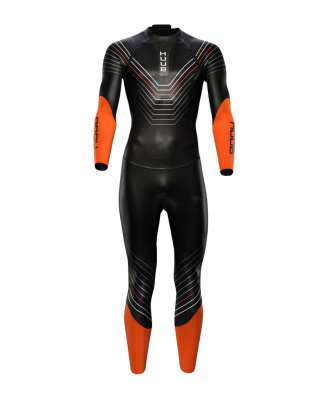
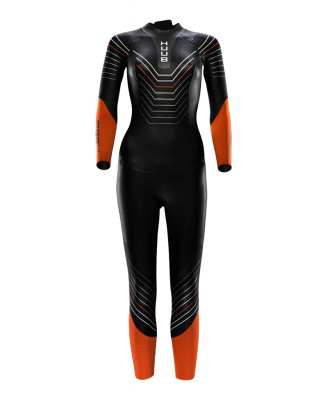
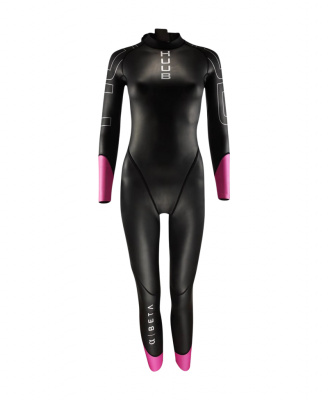
HUUB wetsuits are engineered around one obsession: making you faster in open water, regardless of whether your legs float like corks or sink like scaffolding poles. Developed using Measurement of Active Drag (MAD) technology - the same drag-analysis process used in elite swim research - the range is built on real hydrodynamic data rather than marketing guesswork.
The headline proprietary tech is +43™ buoyancy foam, which delivers 43% more lift than standard neoprene. Pair that with Arms Neutral™ technology, which cuts the shoulder stretch cycle by roughly half, and you've got a suit that actively saves energy over long distances rather than just keeping you afloat. The Breakaway Zipper handles the T1 side of things - you're not wrestling your suit off while rivals are clipping into pedals.
For UK riders and swimmers specifically, the range addresses two genuine problems: the cold and the visibility. British lakes and coastal waters bite hard, and HUUB's thermal options and glide skin panels are designed with that in mind. If you're comparing across brands, Castelli wetsuits offer solid competition at similar price points, but HUUB's proprietary buoyancy science gives it a distinct angle for triathlon-focused swimmers.
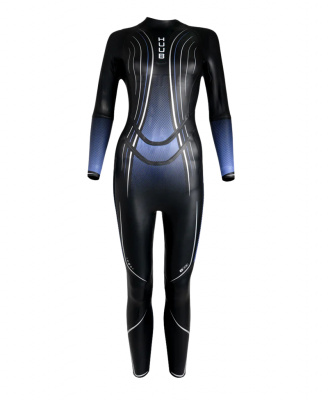
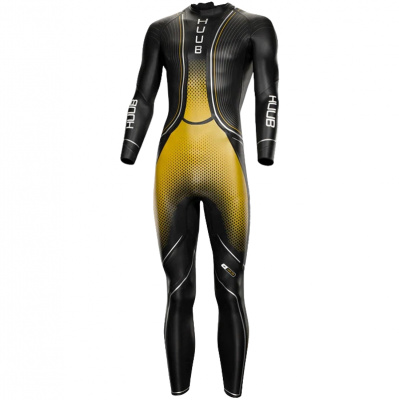
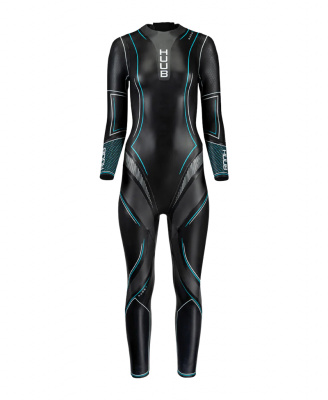
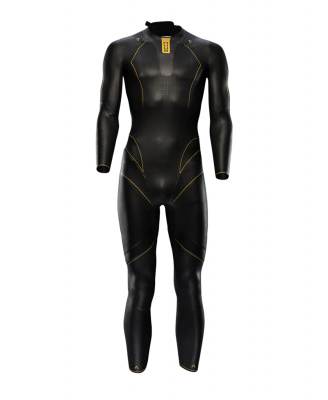
Prices and availability can change quickly. Delivery charges are not always included in listed prices.
Final price, stock status and delivery terms are set by retailer. We may receive a commission on purchases made.
Neoprene Tech and Buoyancy That Does the Work
Standard neoprene floats you. HUUB's +43™ foam does considerably more - it generates 43% greater buoyancy than conventional neoprene, which translates directly into a higher, flatter body position in the water. Think of it as the difference between paddling upstream and being nudged along by the current. That lifted position reduces drag at the surface, and for triathletes especially, the energy saved compounds across 1,500 metres or more.
The Arms Neutral™ technology is where HUUB separates itself most clearly from the pack. Most wetsuits create resistance through the shoulder and arm panels as you rotate and pull - your stroke is constantly fighting the suit. Arms Neutral™ cuts that stretch cycle by 50%, meaning your shoulders aren't working against compressive neoprene with every single stroke. Over a long open-water swim, that's a measurable saving in muscular fatigue, particularly relevant if you're heading straight onto the bike. Rotational Freedom™ complements this by keeping the upper-body panels loose enough for a full, uninhibited stroke arc without the suit riding up or bunching at the underarms.
At T1, the Breakaway Zipper earns its name. It's designed for one-pull removal - grab the cord, strip the suit, go. No fumbling, no hopping on one foot. For anyone who's lost thirty seconds in transition peeling neoprene off a wet calf, the difference is immediately obvious.
Understanding the HUUB Range and How to Pick Your Fit
HUUB's line-up runs from the accessible Aegis - a solid entry point for open water swimmers and newer triathletes - through to the race-focused Agilis and the top-tier Varman, which targets podium-chasing age-groupers and elites. Each step up brings thinner, more flexible neoprene in the arm and shoulder panels, improved panel construction, and closer attention to hydrodynamic profiling. The Varman, in particular, is built around minimising drag at pace rather than maximising warmth, so it suits swimmers who generate their own speed rather than relying heavily on buoyancy assistance.
The most important choice in the range is the buoyancy profile. The 3:5 profile uses 3mm neoprene on the upper body and 5mm on the legs - that thicker lower-body foam lifts heavy or sinky legs into a more horizontal position. If your kick drags you down rather than driving you forward, the 3:5 is doing real corrective work. The 4:4 profile spreads buoyancy evenly at 4mm throughout, which suits swimmers who already sit well in the water and want balanced lift without exaggerated leg assistance.
Sizing is where people routinely go wrong. HUUB's fit guide bases sizing primarily on weight rather than height, because buoyancy and compression are mass-dependent. The suit should feel uncomfortably tight on dry land - that's correct, not a sizing error. Once water gets into the neoprene, it moulds to your shape and the initial tightness resolves. If you size up to get comfortable in the car park, you'll have water pooling and drag in the water. If you're between sizes, go smaller. If you want to compare how the fit philosophy stacks up against alternatives, Van Rysel wetsuits take a different approach to panel construction and are worth a look for a direct comparison. And once you've sorted the suit, pair it with HUUB compression wear for recovery between sessions.
Cold UK Water and Keeping Your Suit in Good Shape
UK open water is not gentle. A reservoir in the Peak District in April sits around 8 - 10°C, and coastal swims in Scotland or Wales can be colder still. For those conditions, the Agilis Thermal variant adds a fleece-backed lining to the chest and core panels, trapping a thin warm layer against the skin. It's not a drysuit, but it meaningfully extends the comfortable swimming window into autumn and even early winter for acclimatised swimmers. For standard suits pushed into colder water, neoprene skull caps and gloves are the practical addition - they cover the areas where heat loss accelerates fastest without compromising stroke mechanics.
Glide skin panels - smooth, tightly finished neoprene on the outer surface - also matter on exit. On a breezy lakeshore in October, a textured surface catches wind and pulls heat away fast. Glide skin reduces that effect, which matters especially when you're standing around in transition. High-vis detailing on arms and back isn't just an aesthetic choice either; in low-visibility UK water, being seen by safety kayaks and other swimmers is a genuine safety consideration.
Care is straightforward but non-negotiable if you want the suit to last. Rinse in fresh water immediately after every swim - salt, chlorine, and lake sediment all degrade neoprene over time. Dry inside out, away from direct sunlight. UV breaks down neoprene faster than almost anything else. Store loosely folded or on a wide hanger, not crammed into a bag. Avoid hanging by the shoulders long-term; it distorts the panel shape. Follow those basics and a quality HUUB suit will run for several seasons without the neoprene cracking or the seams delaminating.
To complete your open-water setup, visit the HUUB goggles page for tinted and clear-lens options suited to UK light conditions, and the HUUB tri clothing page for race-legal underlayers you can wear beneath the wetsuit on race day.
HUUB Wetsuits FAQs
How do I choose the right size HUUB wetsuit?
Go by weight first, not height. Buoyancy and compression are both mass-dependent, so HUUB's sizing chart is weight-led for good reason. Expect the suit to feel tight - almost uncomfortably so - on dry land. That's correct. Once water enters the neoprene, it moulds to your body and the compression eases. Sizing up to feel comfortable before you swim means excess water pooling and added drag once you're in.
What is the difference between HUUB 3:5 and 4:4 buoyancy?
The 3:5 profile uses 3mm neoprene on the upper body and 5mm on the legs, giving extra lift to swimmers whose legs sit low in the water. If your kick doesn't generate propulsion and your hips drop, the 3:5 corrects that body position. The 4:4 spreads lift evenly throughout at 4mm - better suited to swimmers who already hold a strong horizontal position and want balanced assistance rather than targeted leg lift.
Are HUUB wetsuits good for cold UK water swimming?
Yes, particularly the Agilis Thermal, which adds a fleece lining across the core panels for frigid UK lakes and coastal swims. For standard suits used in cooler conditions, adding a neoprene skull cap and gloves covers the areas where heat escapes quickest. The glide skin outer panels also reduce wind chill on exit, which matters on a breezy lakeshore more than most people expect.