
Van Rysel Socks
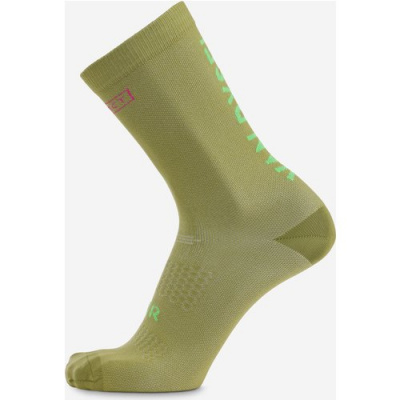
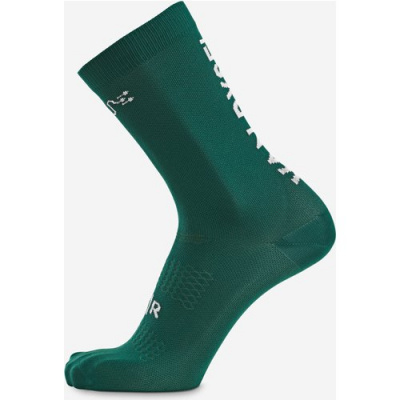
Van Rysel cycling socks bring WorldTour fabric technology to a price point that doesn't require a second mortgage - and the range is broader than most riders expect. Whether you're pinning a number on at a local time trial or grinding out January base miles in the dark and damp, there's a sock here built for it. The summer lightweight models use Q-Skin antibacterial fibres and breathable mesh insteps to keep your feet dry through a sweaty sportive - think the kind of humid August climbing you get in the Cotswolds or the South Downs. The winter options lean on a merino wool blend with terry-knit reinforcement that holds warmth even when road spray has soaked everything else. Across the range, a seamless toe box eliminates the hot spots that turn a four-hour ride into a foot-focused misery, while an elastane mid-foot band delivers compressive arch support that keeps the sock locked in place inside a stiff carbon shoe. UCI compliant height on the aero models means you're covered for racing too. Foot comfort dictates ride quality more than most people admit - get the socks right and everything else follows.
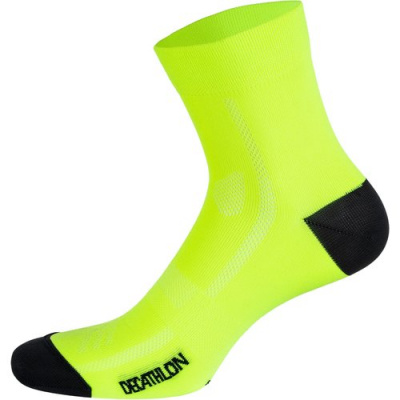
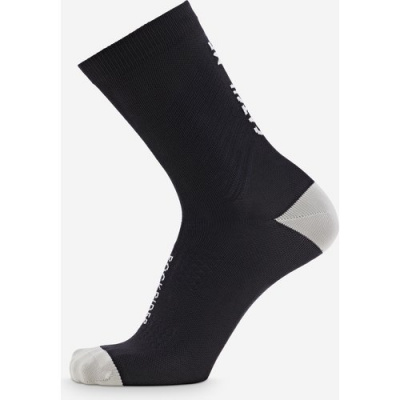
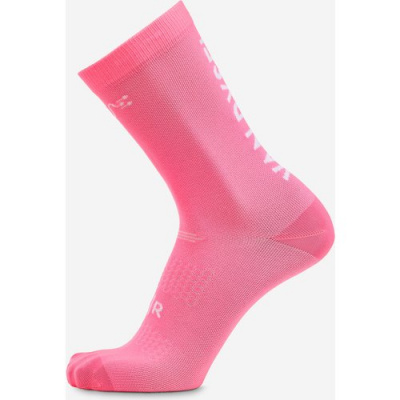
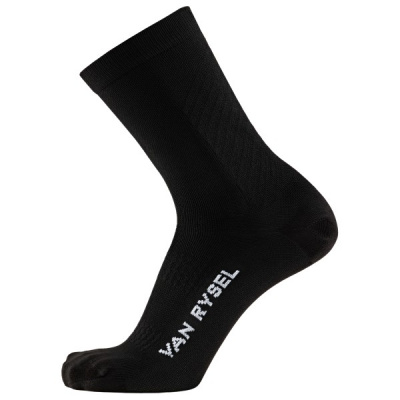
Prices and availability can change quickly. Delivery charges are not always included in listed prices.
Final price, stock status and delivery terms are set by retailer. We may receive a commission on purchases made.
Fabric Tech and What It Means in British Weather
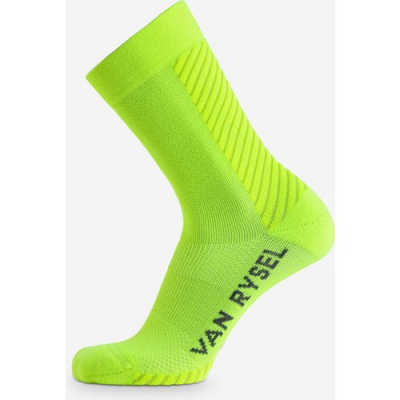
The summer-focused Van Rysel road socks are built around Q-Skin fibres - an antibacterial yarn that manages sweat at the source rather than just shuffling moisture around. During a long sportive on a humid August day, when your feet have been baking inside closed shoes for three hours, that odour-control property matters as much as the moisture-wicking performance. The breathable mesh panels stitched into the instep keep air circulating and pull heat away from the foot - exactly what you need when the weather is warm but the effort is hard.
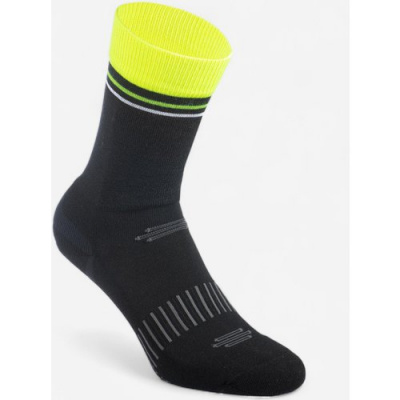
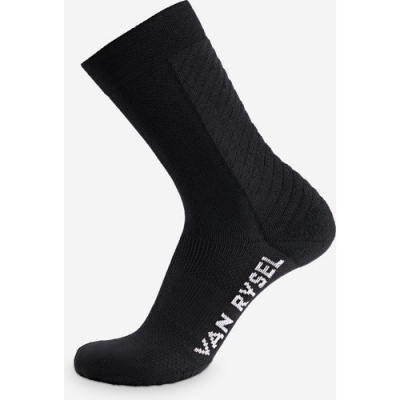
Flip to the winter end of the Van Rysel merino cycling socks range and the logic shifts. Merino wool's natural crimp traps a layer of warm air next to the skin, and crucially it keeps doing that when it's damp - unlike synthetic-only socks that turn cold the moment road spray gets inside your overshoe. The terry-knit reinforcement at the heel and toe isn't just about warmth; it adds a layer of durability where grit and shoe closures do the most abrasion damage. These aren't socks you'll wear through in a season. The merino wool blend construction also means they're less prone to the clammy, compressed feeling that cheaper winter socks develop after an hour in the wet. For riders doing regular winter miles in Scotland or the Peak District, that's a meaningful difference.
If you want a direct comparison, DeFeet socks have long been respected for their merino constructions, and GripGrab socks offer competitive winter options - but Van Rysel's price-to-fabric-quality ratio is difficult to argue with at this level.
How the Fit Works Across the Range
The elastane mid-foot band is the detail that separates Van Rysel from budget sock brands. It wraps the arch with enough compression to stop the sock migrating inside your shoe - the kind of bunching that creates a pressure point under the ball of your foot on a long ride is exactly what it prevents. Inside a stiff carbon road shoe with minimal internal volume, that matters. The fit is race-oriented and snug, which is worth knowing before you order.
Are Van Rysel cycling socks true to size? Broadly yes - but they run compressive, so if you're between sizes or you just prefer a little more room across the toes, go up. The seamless toe box removes the ridge that cheaper socks leave across the front of the foot, and that alone is worth the attention if you're prone to blisters on longer rides.
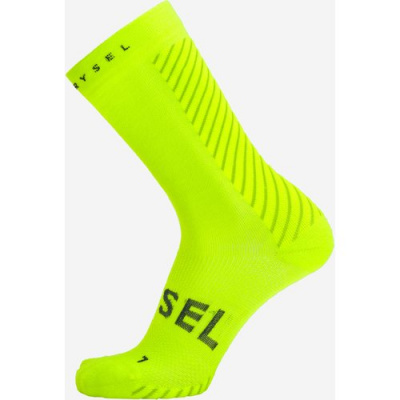
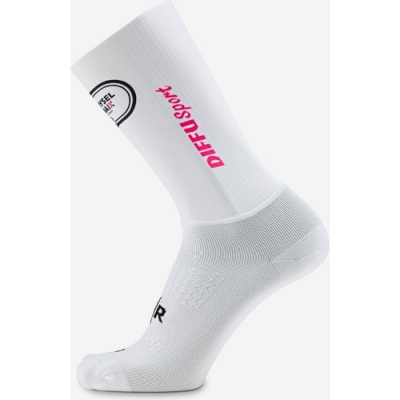
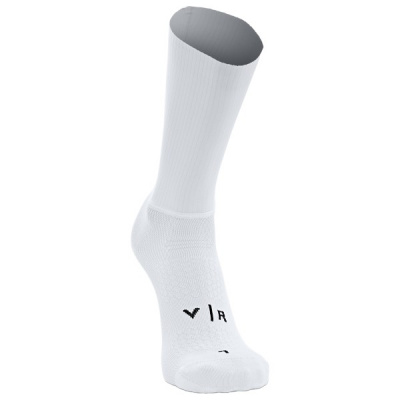
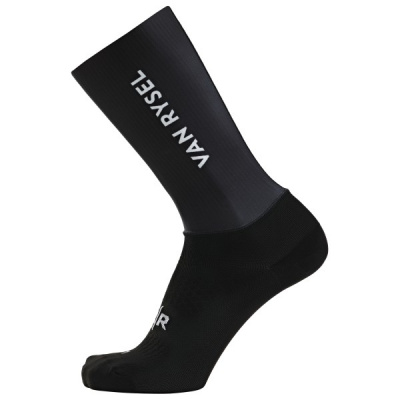
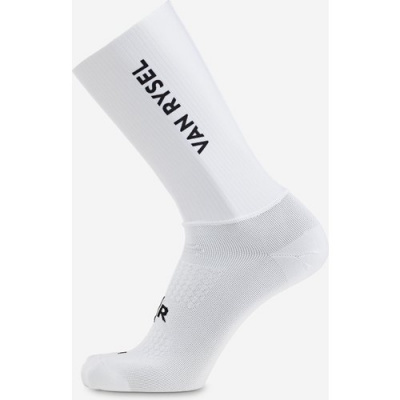
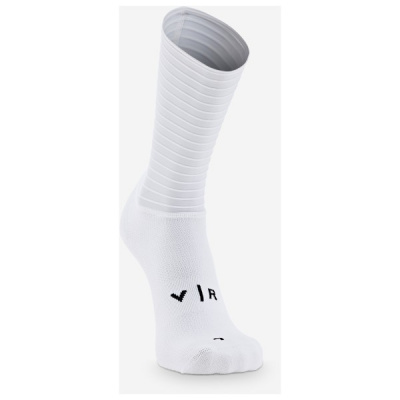
The Van Rysel aero socks are the most distinctive piece of the range. The ribbed cuff is longer than a standard road sock, sitting just below the calf muscle to smooth the airflow transition between leg and shoe. Those aero ridges on the cuff are designed to trip the boundary layer of air in the same way that dimples work on a golf ball - turbulent flow that stays attached rather than separating and dragging. It's a genuine aerodynamic claim, not just a styling choice. The cuff height is calibrated to sit within UCI compliant height limits, so you can race them without a commissaire conversation. What separates Van Rysel aero socks from regular cycling socks, in plain terms: the ribbed taller cuff is doing aero work; a standard flat-knit shorter sock is focused purely on breathability and fit, with no attempt to manage airflow.
For Castelli socks, the Speedster is the benchmark aero sock that most people reference - Van Rysel's aero option competes in the same functional space at a noticeably lower price point.
Pairing and Caring for Your Van Rysel Socks
In summer, pair the lightweight mesh models with well-vented road shoes - you want the shoe's ventilation doing its job alongside the sock's wicking, not fighting against it. A closed upper negates a lot of what the breathable construction is trying to achieve. For UK summer sportives where the weather can turn inside an hour, the mesh instep dries fast enough that a brief shower isn't a problem.
For winter riding, the merino blend socks work well layered under a neoprene overshoe. The key is fit: an overshoe that's too tight will compress the sock and restrict circulation, which defeats the thermoregulation entirely. Size your overshoes with the winter sock already on. Below 5°C, that combination - merino sock plus a decent neoprene overshoe - is a solid setup for UK conditions. The merino retains heat when damp from road spray in a way that pure synthetic socks simply don't match.
Washing is where riders often undo good kit without realising it. Wash at 30 degrees, no tumble drier, and skip the fabric softener. Fabric softener coats the wicking fibres with a residue that stops them moving moisture - and it degrades the elastane's compressive snap over time. Cold or cool machine wash, reshape, air dry flat. That's it. Do that consistently and these socks will last.
If you're building a complete Van Rysel kit, the socks pair naturally with Van Rysel bib shorts, and the base layer question is worth thinking about too - Van Rysel base layers use compatible moisture-management fabrics that work in the same thermal direction. Rounding out the top half, Van Rysel jerseys complete the layering system for riders who want a coherent approach to temperature regulation across a ride.
Van Rysel Socks FAQs
Are Van Rysel cycling socks true to size?
They fit true to size, but the fit is deliberately compressive and race-oriented. If you're between sizes or prefer more room across the toes, size up. The snug construction is intentional - it keeps the sock locked in place inside a stiff road shoe - but it's worth knowing before you order.
What is the difference between Van Rysel aero socks and regular cycling socks?
The aero socks have a longer, ribbed cuff designed to manage airflow over the lower leg and reduce drag - the ribbing trips the air boundary layer rather than letting it separate and pull. Regular Van Rysel road socks use a standard flat knit with a shorter cuff, prioritising breathability and comfort over aerodynamics.
Are Van Rysel merino socks warm enough for UK winters?
Yes. The merino wool blend thermoregulates well and holds warmth even when damp from road spray - which is the real test on a wet British winter ride. Below 5°C, pair them with a neoprene overshoe for complete coverage. Sized correctly under the overshoe, blood flow stays unrestricted and your feet stay warm.