
Van Rysel Helmets
Van Rysel helmets bring pro-peloton specification to riders who'd rather spend their money on miles than marketing. As Decathlon's dedicated road cycling line, Van Rysel has built its helmet range around three things that actually matter: aerodynamics, ventilation, and safety you can trust. That's not a small ask, and on the whole they deliver it without the eye-watering price tags attached to some rivals.
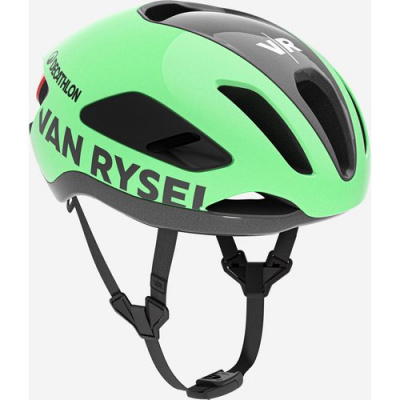
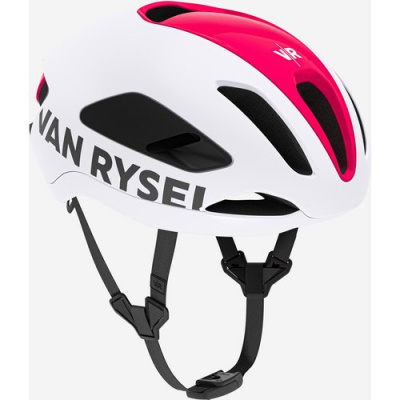
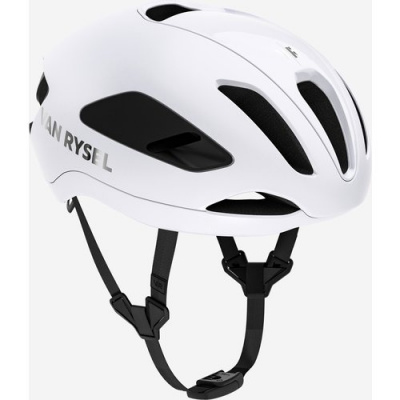
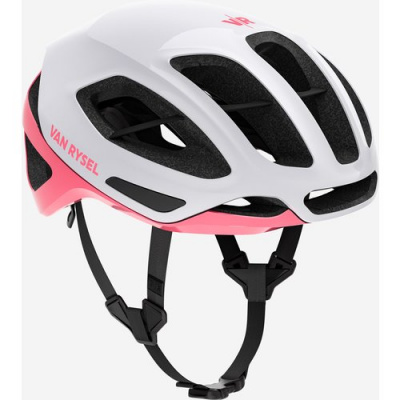
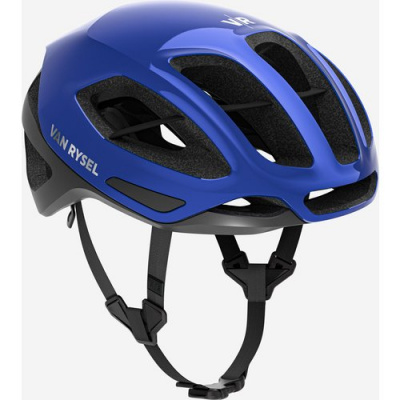
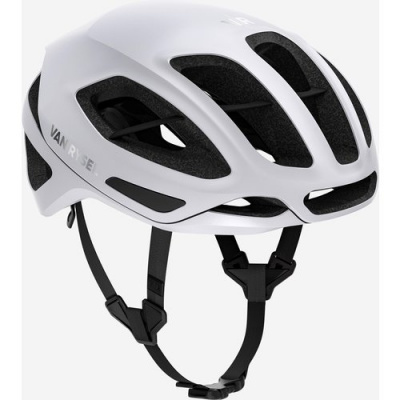
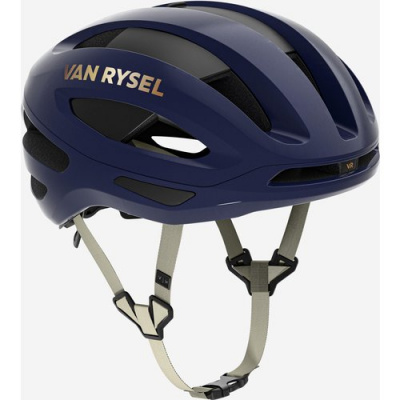
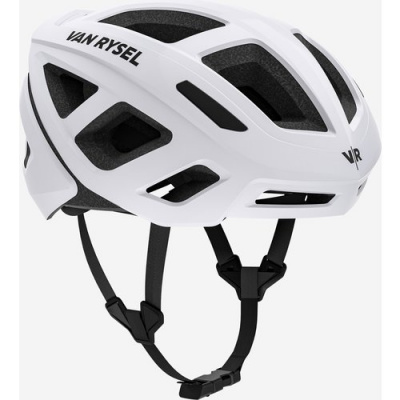
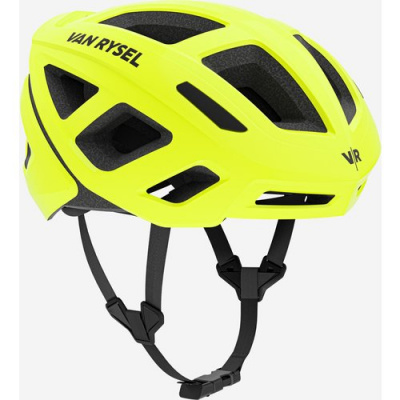
The range runs from lightweight road cycling helmets built for long sportive days and club runs, up to wind-tunnel-shaped lids aimed squarely at race pace. Every model uses an in-mold EPS foam core bonded to a polycarbonate shell - a construction method that keeps weight down while maintaining structural integrity in an impact. Premium models add MIPS rotational impact protection, which works by allowing the helmet's liner to move independently during a crash, reducing the twisting forces transmitted to your brain. Select lids also feature Fidlock magnetic buckles for genuinely one-handed clipping, something you'll appreciate on a freezing December morning with numb fingers.
Whether you're clipping in for a Tuesday night chain gang, grinding up a long Welsh climb, or just trying to stay visible on a grey November commute, there's a Van Rysel lid sized and specced for the job.
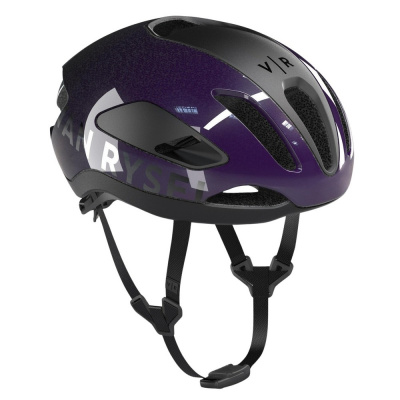
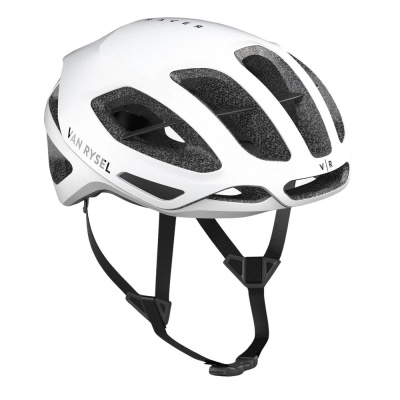
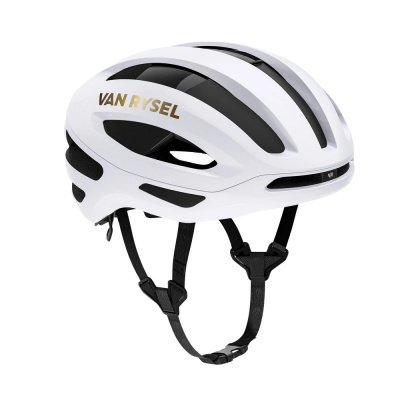
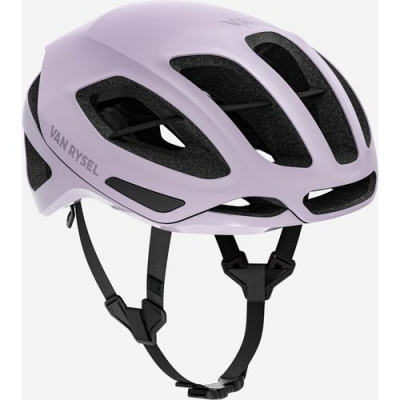
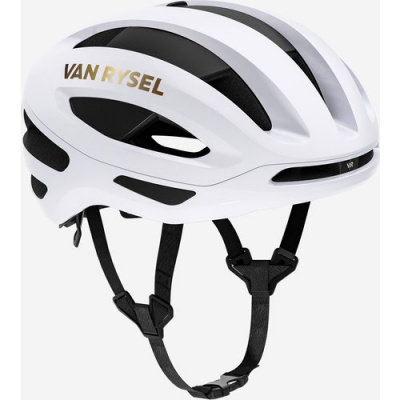
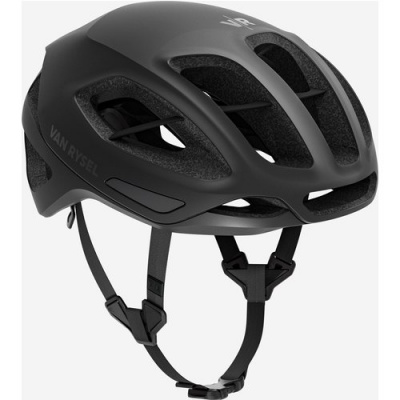
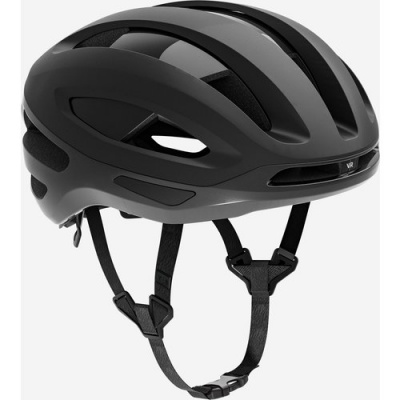
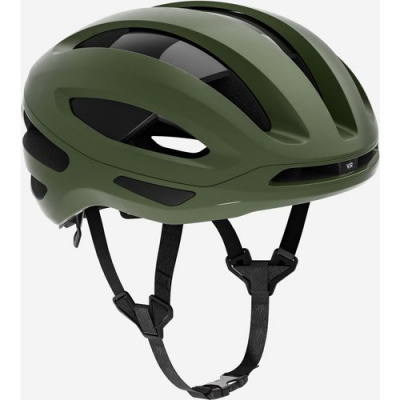
Prices and availability can change quickly. Delivery charges are not always included in listed prices.
Final price, stock status and delivery terms are set by retailer. We may receive a commission on purchases made.
Safety Tech and How the Aerodynamics Actually Work
Start with the shell. Van Rysel uses in-mold construction throughout the range, which fuses the polycarbonate shell directly to the EPS foam core during manufacture rather than bonding them afterwards. The result is a stiffer, lighter structure - the shell isn't just cosmetic, it distributes impact loads across a wider area of foam. That matters when you're coming off at speed.
On premium models, MIPS technology adds a low-friction slip liner inside the helmet. In a real crash, impacts rarely come straight down - they arrive at an angle, and it's that rotational force that causes the most serious brain injuries. MIPS allows the liner to rotate a few millimetres relative to the outer shell, absorbing some of that twist before it reaches your head. It adds a small amount of weight, but the safety case for it is well-established. Worth having if your budget stretches to it.
The aerodynamic channelling - developed most thoroughly in the FCR line - uses shaped intake ports at the front to pull air through internal channels and exhaust it out of the rear vents. Done properly, this means you're not choosing between staying cool and going fast. The shape reduces drag compared to a conventional round lid, while the channelling keeps moving air over your scalp on a humid summer climb in the Surrey Hills. Compared to a basic commuter helmet with simple open vents, the difference in both airflow efficiency and drag is measurable - though you'll feel the ventilation benefit far more readily on a long, sweaty day than you'll feel the aero gains.
The Range Explained, and Getting the Fit Right
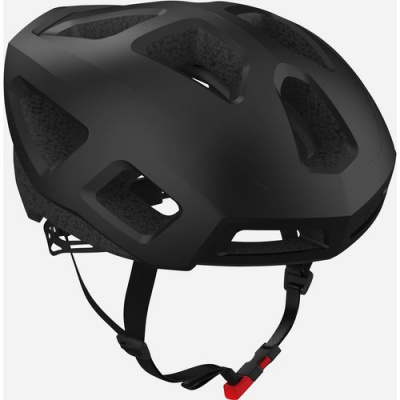
Van Rysel's helmet lineup splits broadly into two camps. The RoadR models are the everyday workhorses - lightweight, well-ventilated, and built for the rider doing club runs, sportives, or long weekend miles. They prioritise comfort over raw speed, with generous vent openings and a fit profile that works across a wide range of head shapes. If most of your riding is measured in hours rather than race positions, this is where to start.
The FCR models shift the emphasis. Fewer, more aerodynamically managed vents, a more aggressive forward profile, and that wind-tunnel-tested channelling system. They suit riders who spend time in a lower, faster position - criteriums, fast chain gangs, or anyone who's clocked their times on a regular loop and wants every marginal gain on the table. Compared to something like a Giro aero road lid, the FCR sits at a competitive weight and price point, though Giro's retention systems have traditionally been a benchmark for polish.
Fit is where Van Rysel is genuinely strong. The Turn-Ring retention system - a dial-adjusted cradle at the rear - allows proper micro-adjustability rather than just a few preset clicks. The internal profile runs slightly oval, which suits the majority of European head shapes. To get it right, measure your head circumference just above the eyebrows and cross-reference it with the specific model's sizing range, not just the S/M/L label. The dial fit adjustment then handles the fine-tuning once it's on your head: snug at the back of the skull, level two fingers above the eyebrows at the front, straps forming a V just below each ear.
On select models, the Fidlock magnetic buckle replaces the fiddly traditional clip under the chin. One-handed, one motion. Sounds like a small thing until you're trying to strap up with cold hands in a dark car park at 6am. Compared to a standard snap buckle, it's genuinely faster and more reliable to operate. Brands like BTwin offer solid entry-level lids, but Fidlock closures at this price bracket set Van Rysel apart on the convenience front.
Looking to shave maximum seconds off your race against the clock? Head over to our dedicated Van Rysel Aero TT Helmets page for specialised teardrop and visor-equipped models designed purely for time trials and triathlons.
Riding Year-Round in the UK: Ventilation, Visibility, and Looking After Your Lid
UK riding throws everything at you. Humid August climbs in the Peak District where your head is running hot and the air feels thick. January rides where the temperature drops hard and exposed skin is a problem. The good news is Van Rysel's ventilated road helmets handle warm-weather riding well - the vent ports move enough air to keep you comfortable on long, steady efforts, and the internal channels prevent the stagnant hot spots you get in helmets with poor airflow design.
Winter is straightforward to manage. A thin thermal skull cap under your helmet adds meaningful warmth without compromising fit, provided you've left a little room in the retention dial - adjust the Turn-Ring slightly before you add the cap, rather than trying to force it after. A classic cotton casquette under the helmet works the same way for milder days and keeps the peak out of your eyes on overcast drizzle runs. Neither approach affects the helmet's protection, as long as the fit is still secure and level.
Low-light visibility is worth thinking about if you're riding through winter. The reflective detailing on the rear retention system of several Van Rysel models helps you register to drivers approaching from behind - not a substitute for a rear light, but a genuine addition to your visibility. Pair the helmet with a decent set of Van Rysel jackets with reflective panels and you're covering your bases properly.
Maintenance is simple but worth doing. Wipe down the EPS foam interior and the straps regularly with mild soapy water - sweat is acidic and will degrade the foam over time if you let it build up. Don't use solvent-based cleaners or submerge the helmet. If the pads are removable, take them out and rinse them separately. Pair your lid care routine with a look at your Van Rysel jerseys - same principle applies to collar and helmet contact points on the fabric.
One firm rule: replace the helmet after any impact, even if you can't see visible damage. The EPS foam crushes to absorb energy - that's the whole point - but once it's done that job, it won't perform the same way again. Beyond crash replacement, plan on a new lid every three to five years regardless. UV exposure and sweat both degrade EPS foam gradually, and a helmet that's been sitting in a car or garage in direct sunlight is ageing faster than you might think.
Van Rysel Helmets FAQs
Are Van Rysel helmets true to size?
Generally, yes. Van Rysel helmets run true to size with a slightly oval internal profile that works for most riders. Measure your head circumference just above the eyebrows and match it to the specific model's sizing range - don't rely on S/M/L alone. The Turn-Ring dial handles the fine adjustment once it's on your head.
Do Van Rysel helmets feature MIPS technology?
Several of the newer premium models - including the FCR line - include MIPS rotational impact protection. It's not across the entire range, so check the individual product specifications before you buy. If protecting against rotational forces is a priority for you, it's worth filtering for MIPS-equipped models specifically.
How long do Van Rysel cycling helmets last?
Plan to replace your Van Rysel helmet every three to five years. EPS foam degrades over time from UV exposure and sweat, even without a visible crash. If the helmet takes any impact at all - including a low-speed drop - replace it immediately, regardless of whether you can see damage.