
Uvex Helmets
Uvex helmets are engineered in Germany with a precision that shows the moment you dial in the fit - and that fit is genuinely one of the best reasons to put one on your head. The proprietary IAS 3D retention system adjusts both width and height independently, so it works around your head shape rather than the other way around. Pair that with the one-handed Monomatic chin fastener, and you've got a helmet that settles into place quickly and stays there.
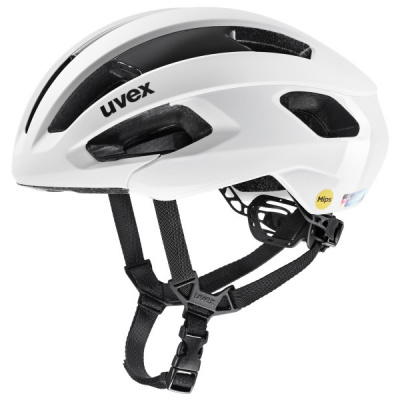
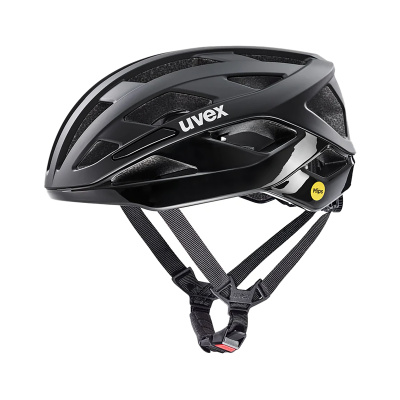
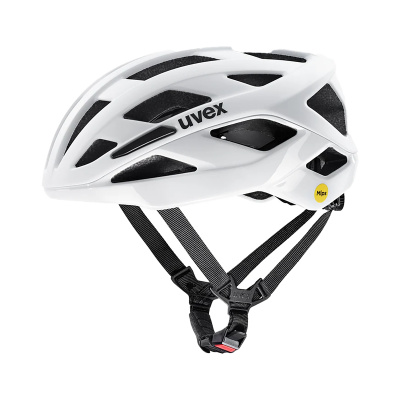
The range covers road and aero riding, trail and MTB, and urban commuting - each discipline getting its own geometry and ventilation priorities. Construction across the line relies on Inmould bonding, which fuses the polycarbonate shell directly to the EPS foam liner for a lighter, more rigid result than a separate-shell design. Select models add MIPS rotational protection, and Uvex's own Tocsen crash sensor brings emergency alert technology to riders heading out solo in remote areas.
Whether you're putting in miles on exposed moorland roads, threading singletrack in the Brecon Beacons, or grinding through a dark winter commute, Uvex builds helmets that handle the full range of what UK riding asks of them. Lightweight, well-ventilated, and genuinely adjustable - they're worth a proper look.
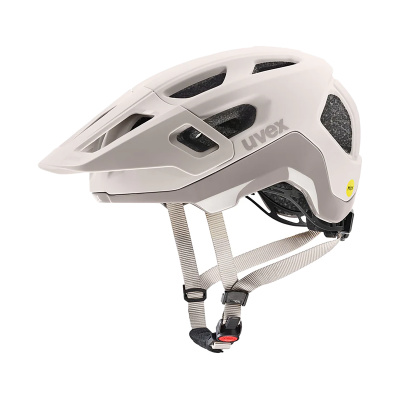
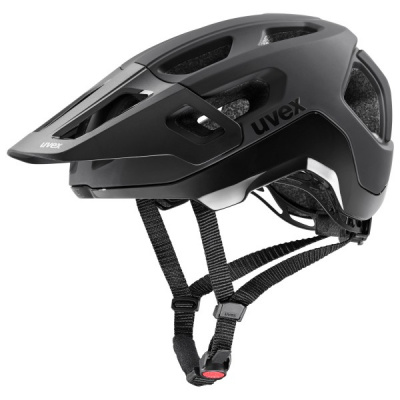
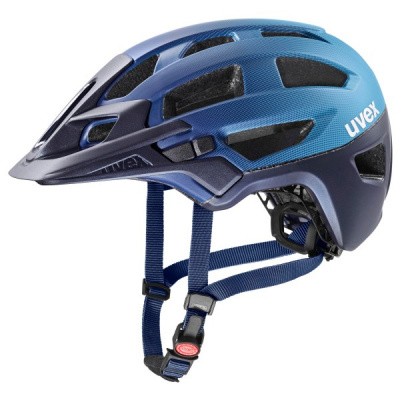
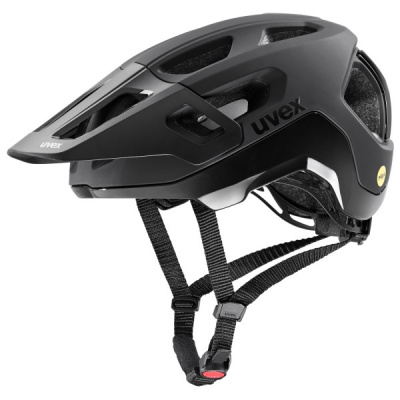
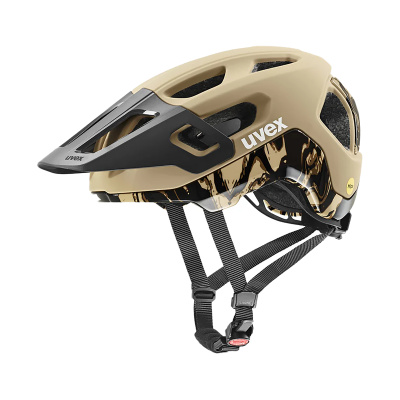
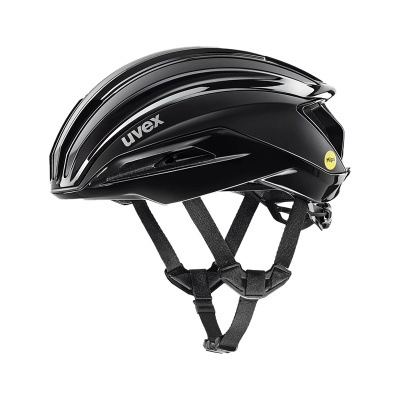
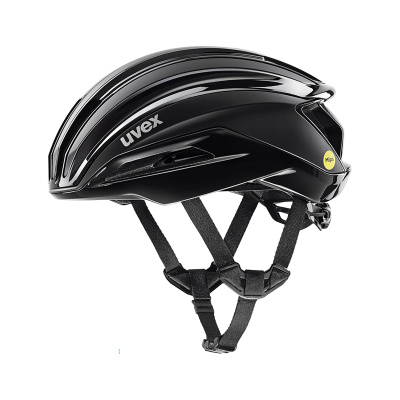
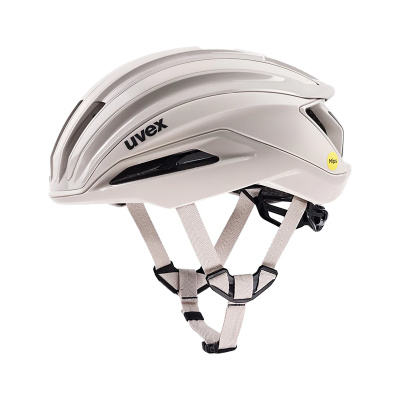
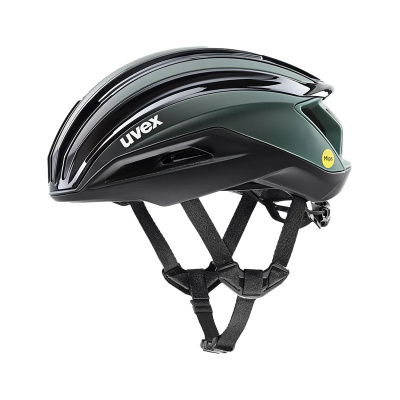
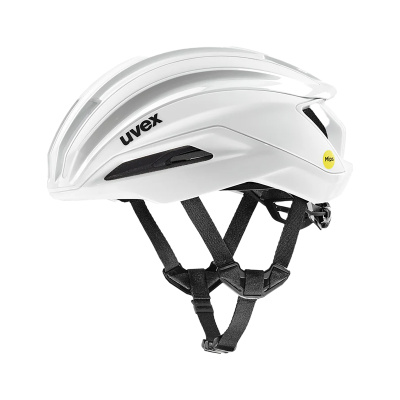
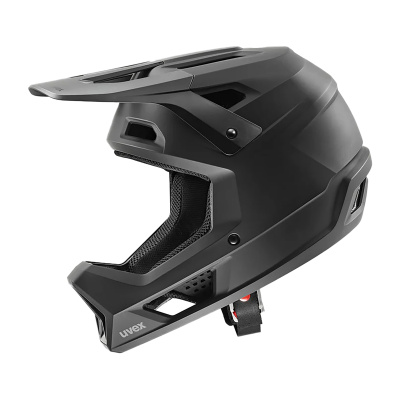
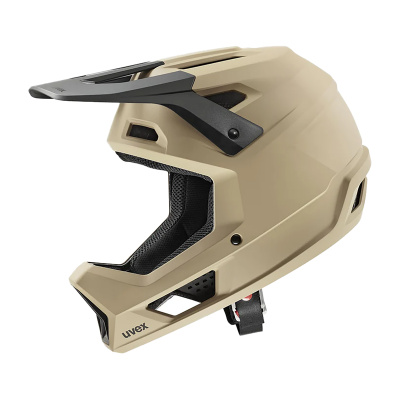
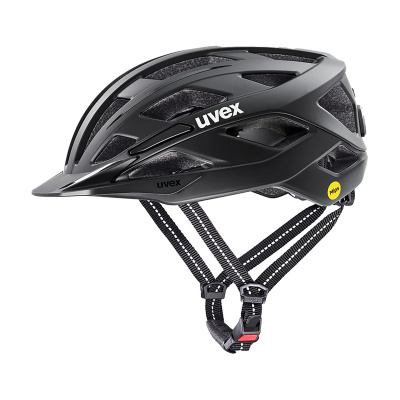
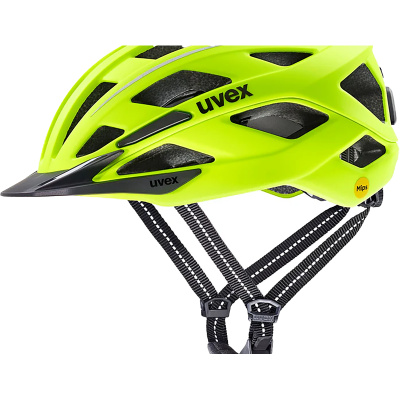
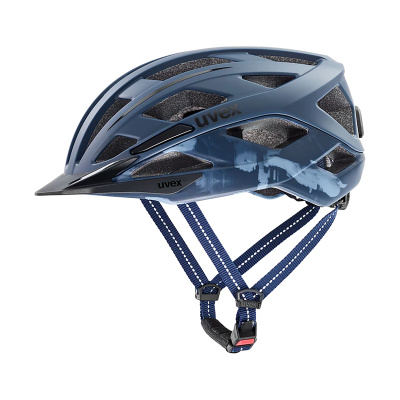
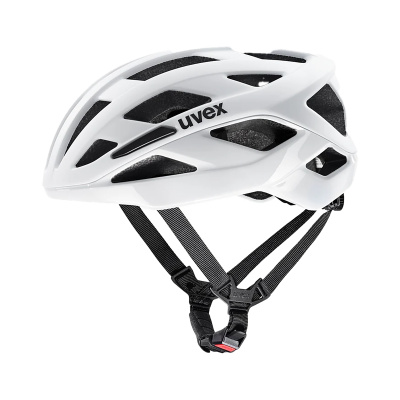
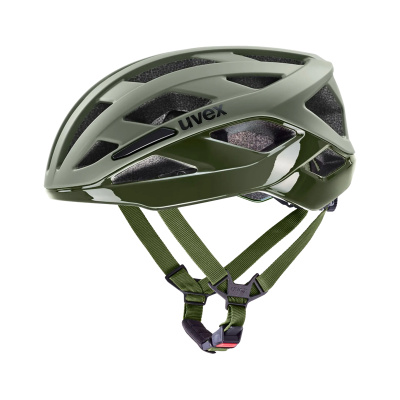
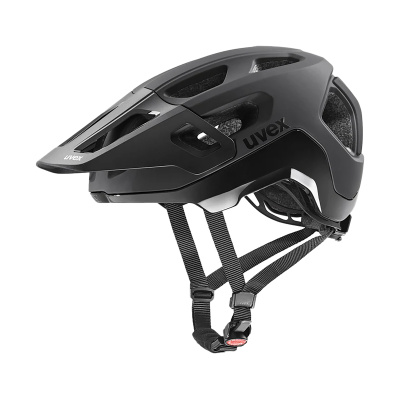
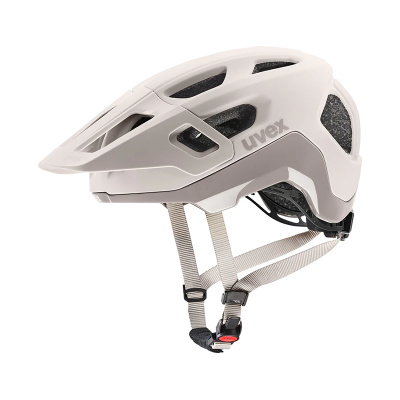
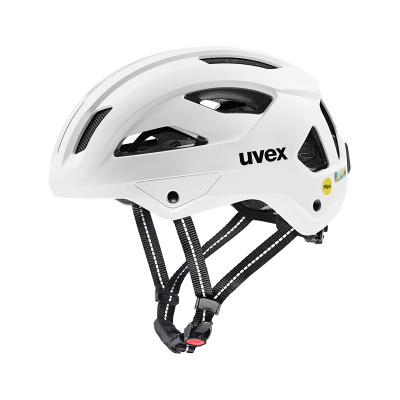
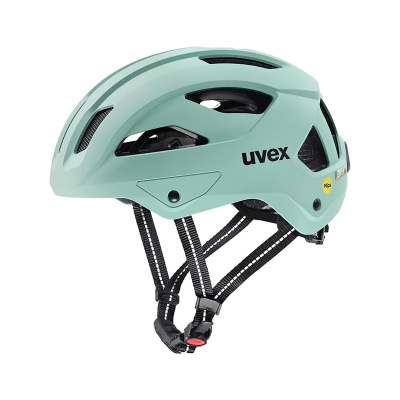
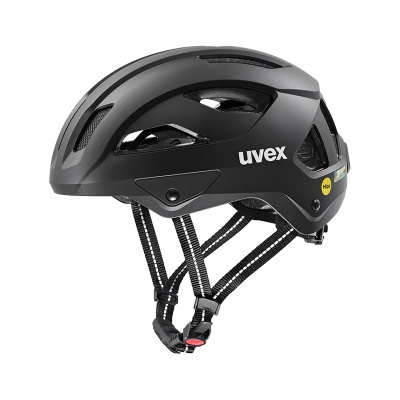
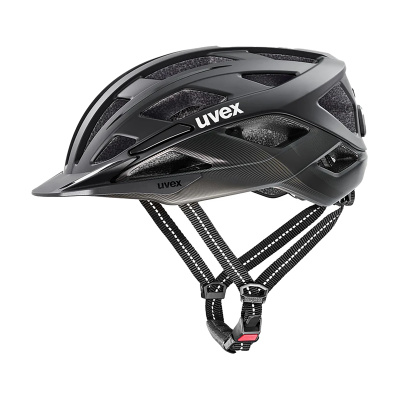
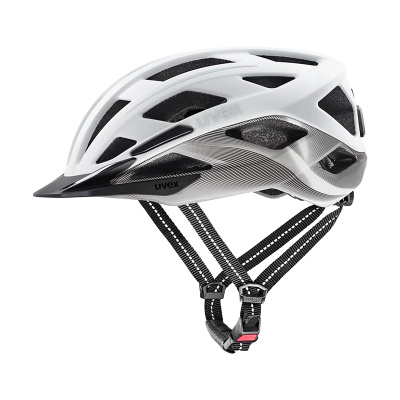
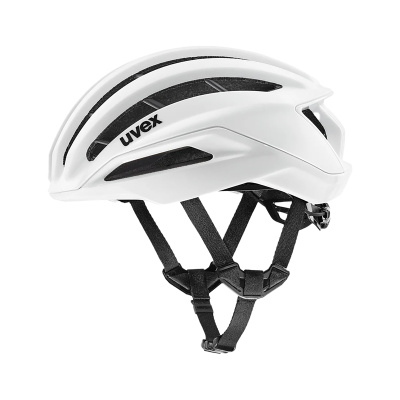
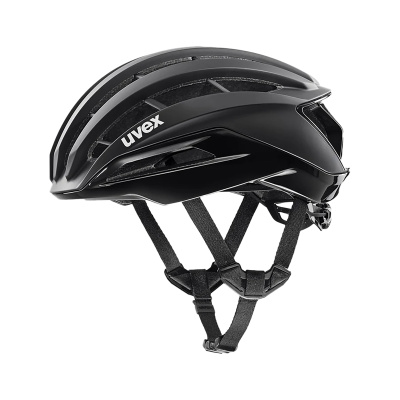
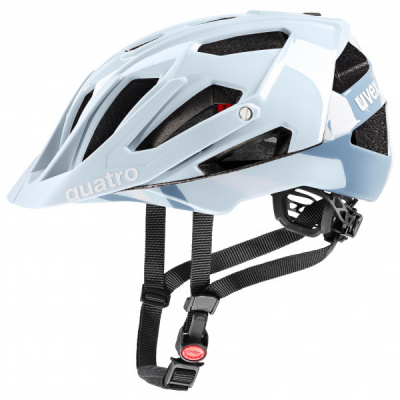
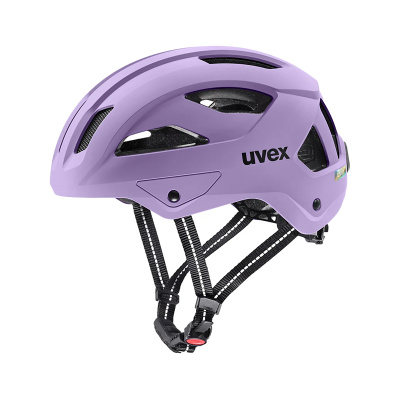
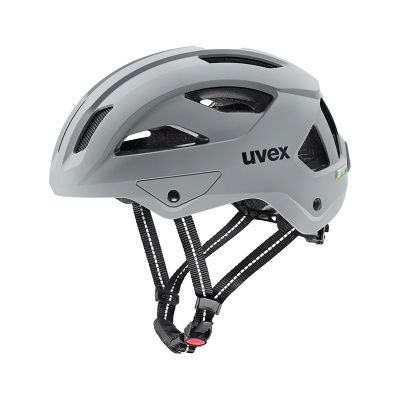
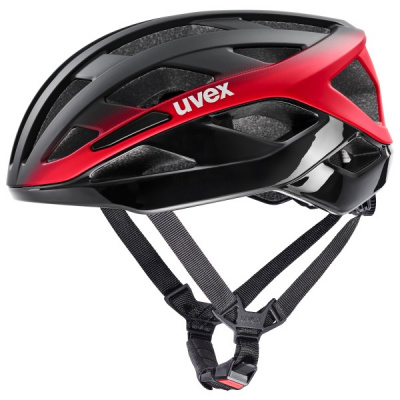
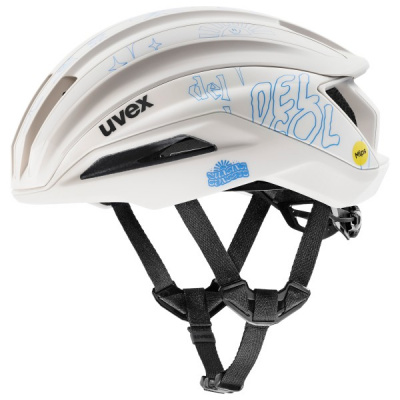
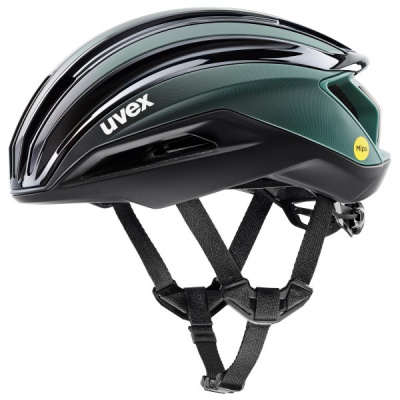
Prices and availability can change quickly. Delivery charges are not always included in listed prices.
Final price, stock status and delivery terms are set by retailer. We may receive a commission on purchases made.
Safety Tech and Ventilation: Built for the Real World
Uvex's Double Inmould technology is the structural foundation of most helmets in the range. Rather than moulding a polycarbonate shell separately and then attaching it to the EPS foam, the process bonds the two together under heat and pressure. The result is a shell that's thinner, lighter, and more tightly integrated - no gap, no flex, just a single cohesive structure. That matters on impact, where energy transfer needs to be managed as cleanly as possible.
MIPS (Multi-directional Impact Protection System) appears across several road and trail models. It allows the helmet's liner to rotate a few millimetres relative to your head on angled impacts - the kind that account for a large proportion of real crashes. It adds minimal weight and does a measurable job of reducing rotational force to the brain. If you're choosing between two otherwise comparable Uvex helmets, it's worth prioritising the MIPS variant.
Tocsen is Uvex's integrated crash sensor, built into the retention dial on compatible models. If a significant impact is detected and you don't respond to the prompt on your paired app within a set window, Tocsen automatically sends your GPS location to your nominated emergency contacts. For solo riders on quiet lanes in the Dales or remote gravel routes in the Scottish Borders, that's not a gimmick - it's a genuinely useful safety net.
Ventilation architecture varies by discipline, but Uvex puts real work into the internal channels. Deep ports at the front feed air through longitudinal channels that run over the EPS foam and exit at the rear, drawing heat away from your scalp. On a hard summer climb in humid conditions - the South Downs in August, say - that airflow prevents the muggy build-up that cheaper helmets can trap. The channels are sized to maintain useful airflow without compromising the structural integrity of the foam between them.
Understanding the Uvex Range and Fit System
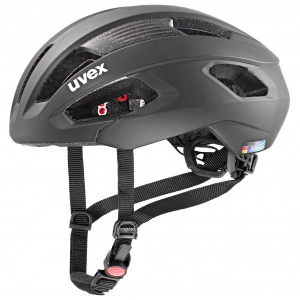
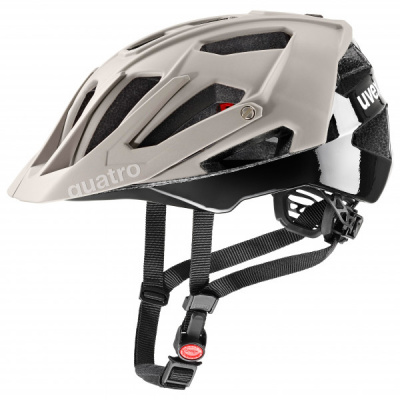
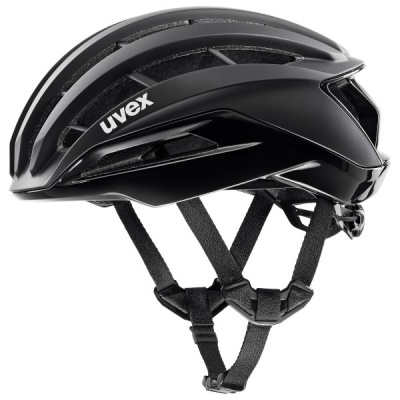
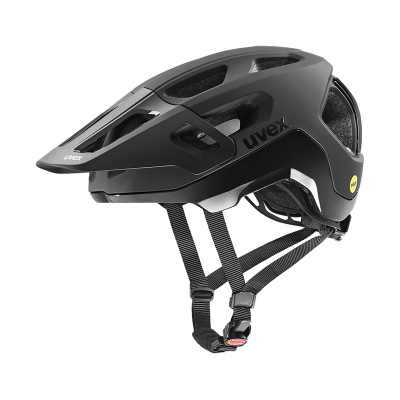
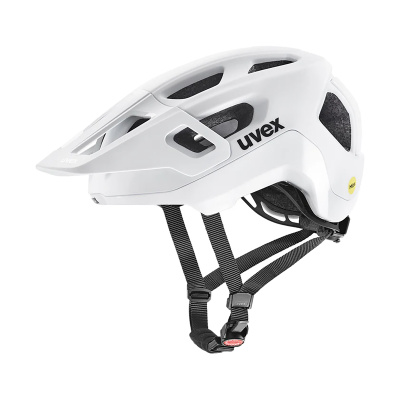
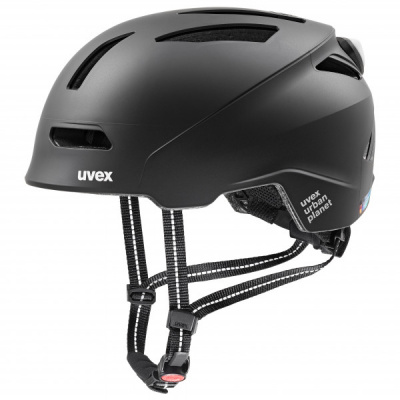
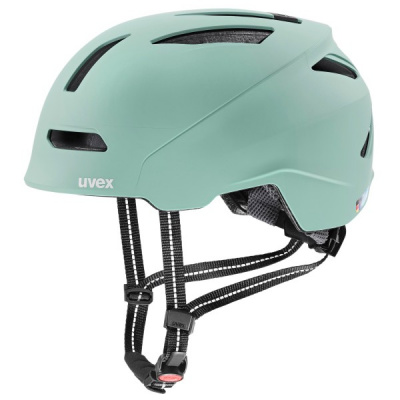
Uvex splits its helmet offer across three main disciplines. Road and aero helmets prioritise low weight, deep ventilation channels, and a close, streamlined profile - suited to riders clocking training miles or racing crits. MTB and trail lids typically add a longer rear coverage, a visor, and enough internal volume to work with goggles if needed. Urban and commuter helmets sit between the two: reasonably ventilated, often with integrated LED mounts or low-profile styling that doesn't look out of place off the bike.
The IAS 3D fit system is what sets Uvex apart from most of the competition. The rear retention dial adjusts circumference in the usual way, but the height adjustment - moving the entire ring up or down to match where your head is widest - means the helmet actually cradles your skull rather than sitting on top of it. Riders with longer oval heads often find this solves the pressure-point problem they've had with other brands. Riders with rounder heads get the same benefit in reverse. Adjust it at home before a ride, and it takes about thirty seconds once you know what you're doing.
The Monomatic fastener on the chin strap is a small detail that earns its keep in cold weather. It's a ratcheting, single-handed closure - you can fasten and adjust it with thick winter gloves on, which sounds minor until you're standing at a trailhead in November trying to get your fingers to cooperate. Compared to simple ladder-lock sliders, it's noticeably faster and more precise. Brands like Giro and Bell offer their own retention systems at similar price points, but Uvex's height adjustment remains a genuine differentiator.
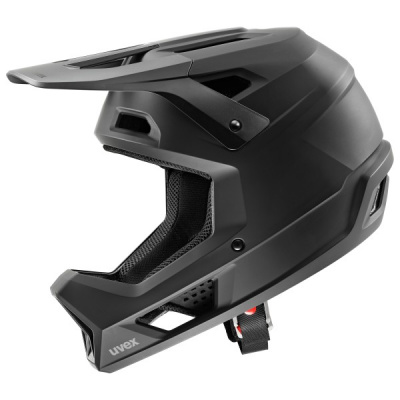
If you're hitting the bike park or looking for maximum gravity protection, view our dedicated Full Face Helmets range. For outfitting younger riders with Uvex's signature safety, head over to our Kids Helmets collection.
Riding in the UK: Visibility and Year-Round Adaptability
One of the quieter strengths of the IAS 3D system is what it does in winter. Because you can expand the retention ring's height and width independently, you can fit a thermal skull cap or Merino headband underneath without the helmet riding up or creating a pressure ridge across your forehead. Most helmets force a compromise here - either the cap scrunches awkwardly or the helmet sits too high. With Uvex, you dial the fit out to accommodate the extra layer, then dial it back in come spring. It takes ten seconds and you don't lose any retention security.
Low-light visibility is a serious consideration for UK riding. Short winter days, overcast gravel rides, and year-round urban commuting all demand more from a helmet than summer racing does. Several Uvex helmets feature a port for a plug-in LED - a small rear light that clips directly into the shell and charges via USB. It keeps the light positioned correctly and eliminates the faff of a separate mount. The FAS strap system also incorporates reflective detailing, so even without an active light, you're adding passive visibility at the sides of the helmet where drivers approach from.
If you're commuting through city traffic or heading out on a dark November evening, pairing a well-specced Uvex lid with Uvex sunglasses - many of which have interchangeable lenses that work in low light - gives you a coherent system that covers your eyes and head in the same design language. Worth considering if you're kitting out from scratch. Abus also do well on urban visibility features if you want to compare options, but Uvex's integrated LED port is a cleaner solution than most bolt-on alternatives.
Uvex Helmets FAQs
How do I adjust the fit on a Uvex helmet?
Reach for the rear IAS 3D dial and adjust both the width and height of the retention ring until it sits snugly around the widest part of your head without pressure points. Then use the Monomatic ratcheting chin fastener to fine-tune the strap - it's single-handed and works fine with gloves on, so there's no excuse for leaving it loose.
Are Uvex helmets true to size?
Generally yes - Uvex sizing tracks closely to head circumference and most riders land in the expected bracket. Measure around your head just above the eyebrows, then match that figure to Uvex's centimetre size ranges rather than guessing by S/M/L alone. The IAS 3D system gives you meaningful adjustment within each size, so borderline cases usually sort themselves out.
What is the Uvex Tocsen crash sensor?
Tocsen is a crash-detection system built into the retention dial on select Uvex helmets. A severe impact triggers an alert on your paired smartphone app - if you don't respond within the countdown window, it automatically sends your GPS location to your emergency contacts and the wider Tocsen community. Particularly useful for solo riders in remote areas where help isn't close to hand.