
Urban Iki Child Seats
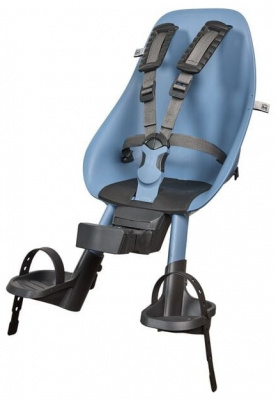
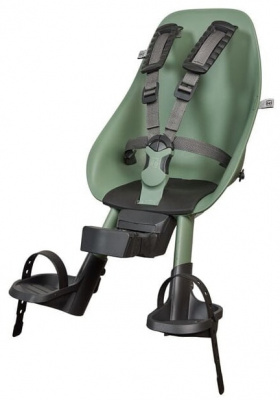
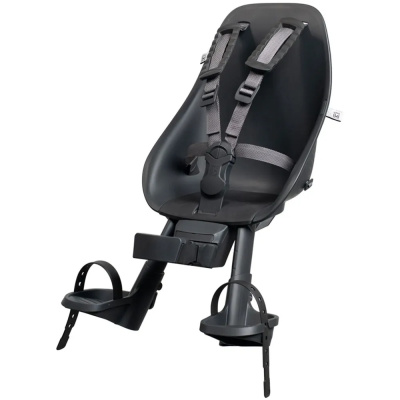
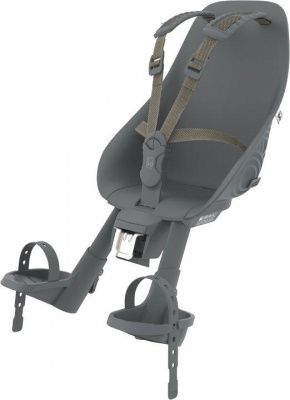
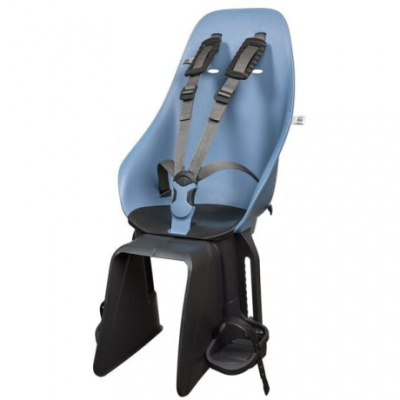
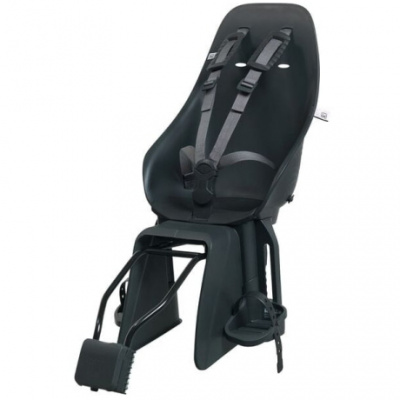
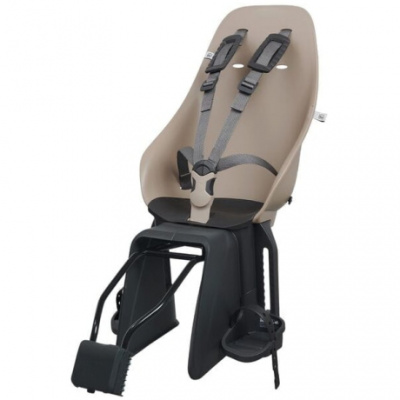
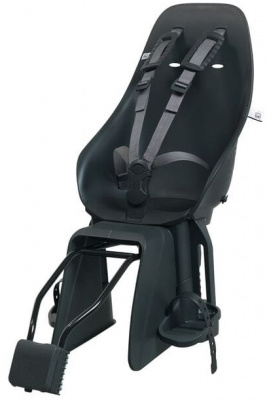
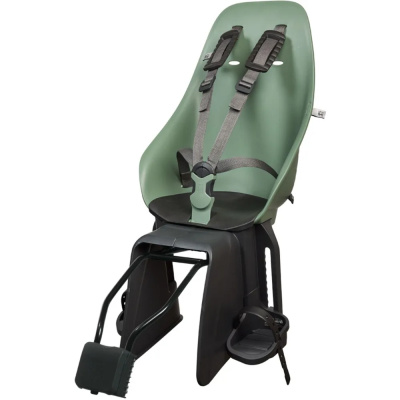
Urban Iki child seats bring a clean Japanese design sensibility together with Dutch-engineered safety standards - TÜV tested, practically minded, and built to handle daily life on UK roads. Whether you're threading through school-run traffic or clocking weekend miles with the family in tow, these seats are designed around one principle: make every journey feel secure without making you faff about with the bike every time.
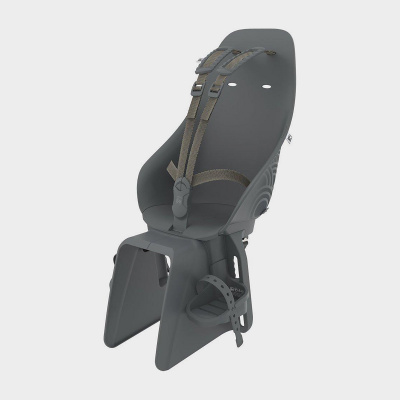
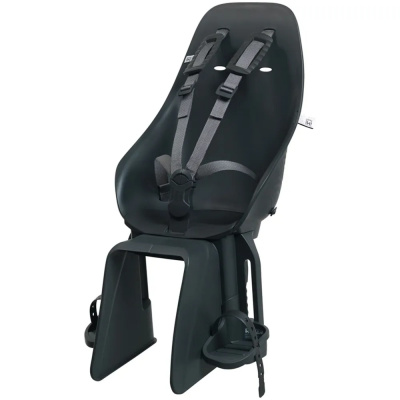
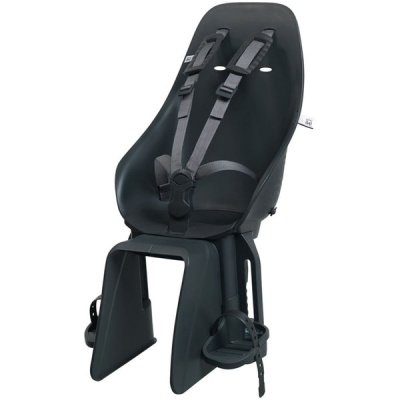
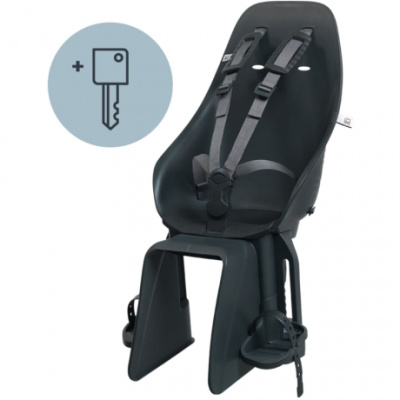
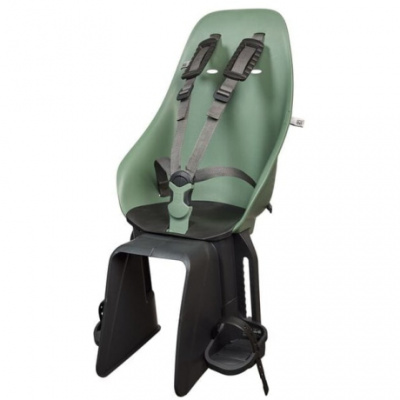
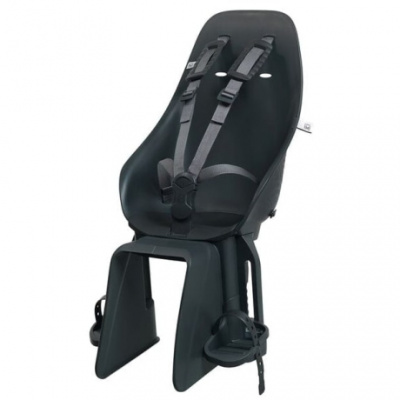
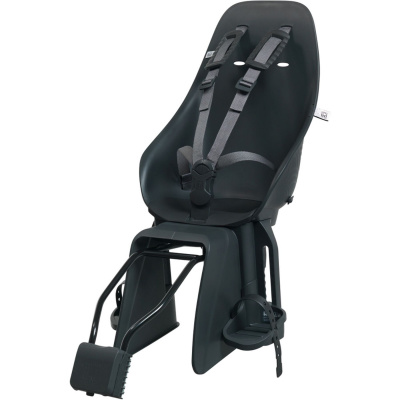
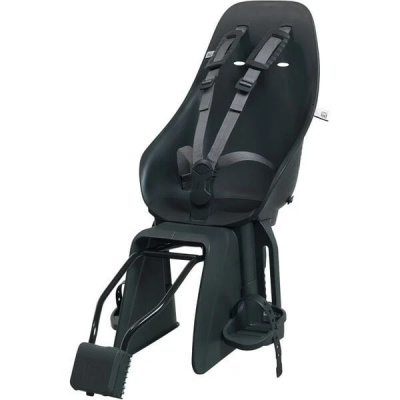
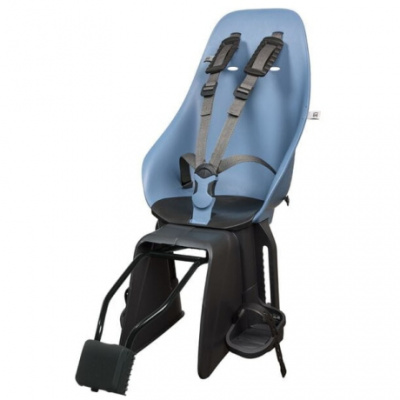
The proprietary Click & Go mounting system is the headline feature - bolt the base bracket to your bike once, and the seat itself clicks in and locks in seconds. Swapping between bikes is genuinely quick. The 5-point safety harness uses a childproof buckle that adults can release without frustration, while the water-repellent EVA foam cushions - finished with a subtle Japanese wave pattern - won't soak up a British drizzle the way a fabric seat would. They wipe down fast and dry faster.
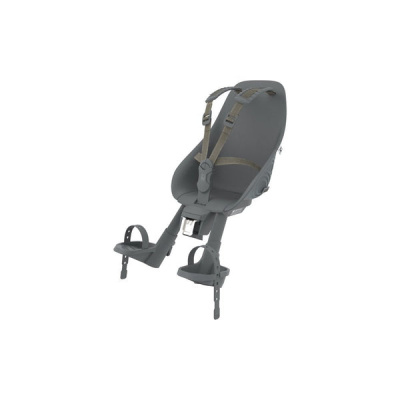
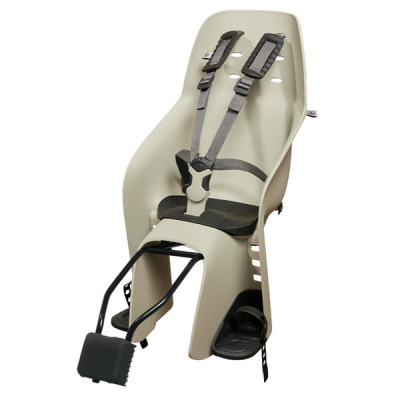
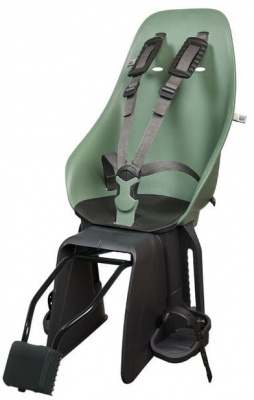
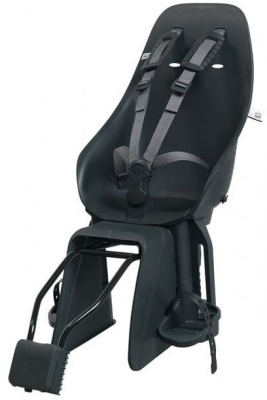
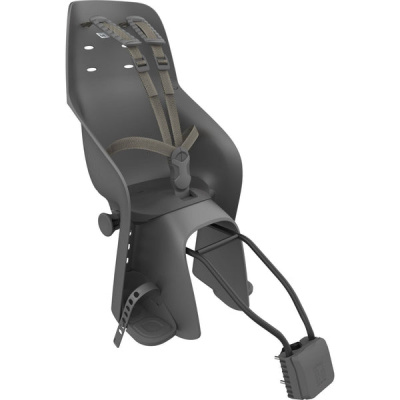
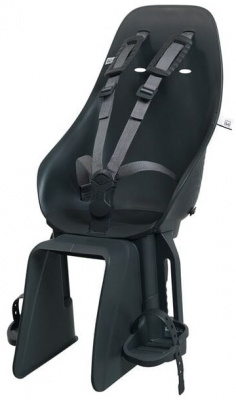
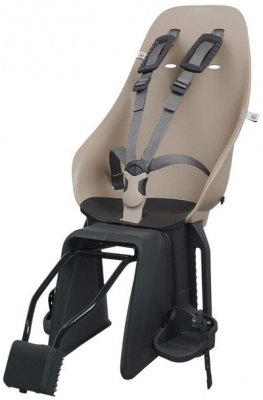
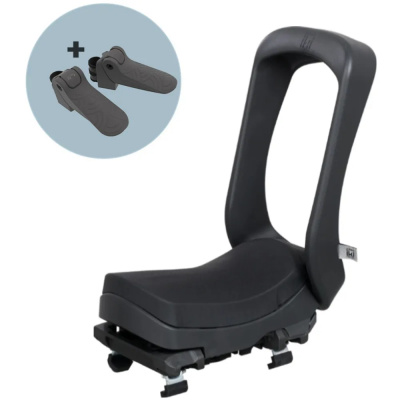
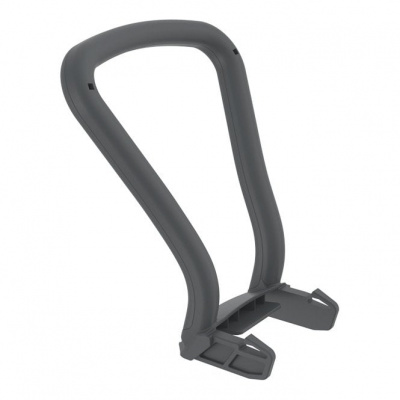
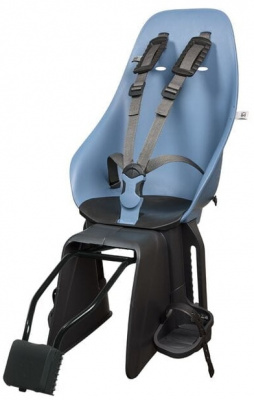
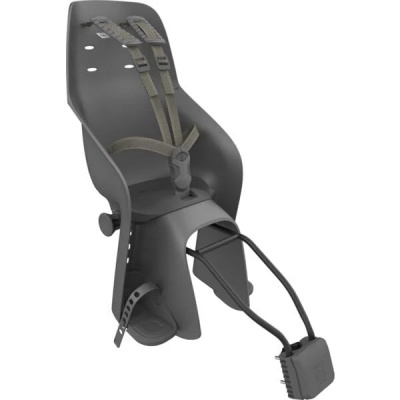
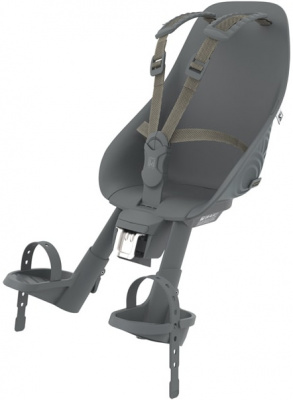
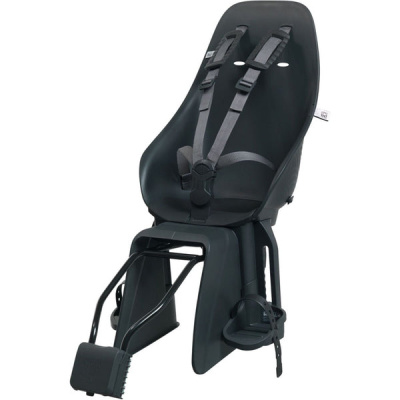
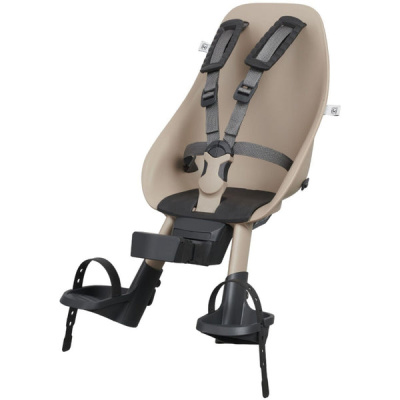
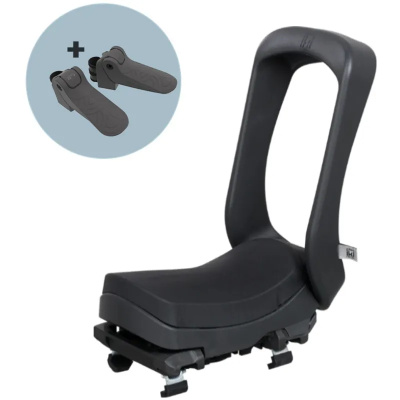
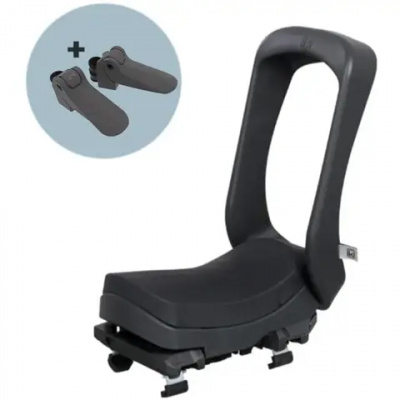
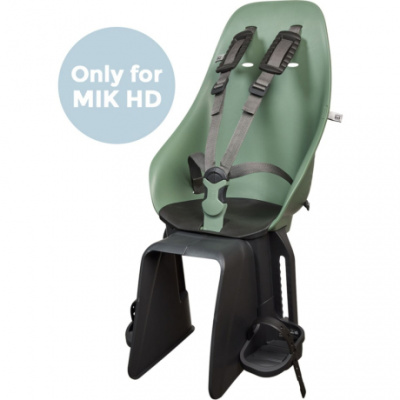
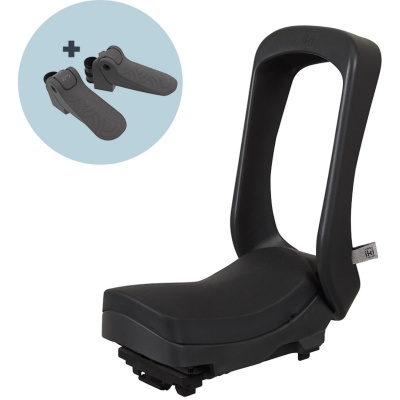
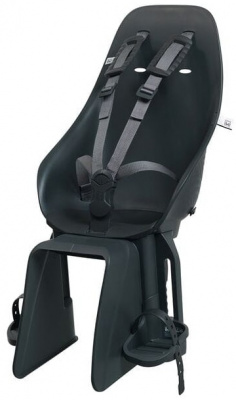
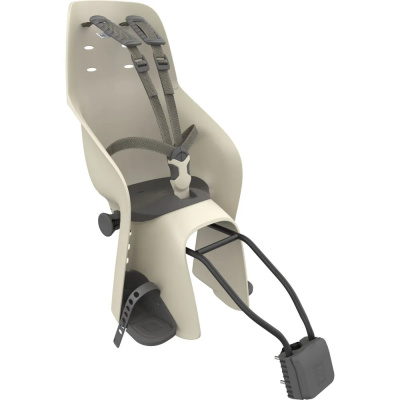
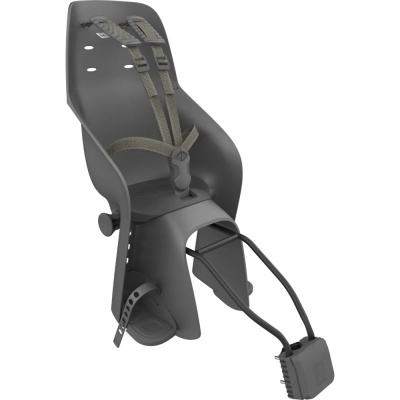
Urban Iki offers front seats, rear seats, and junior options, covering children from roughly nine months up to ten years. Select rear models also carry MIK HD compatibility, giving you a wider range of rack-mounting options. Compare prices across UK retailers below to find the right fit for your child, your bike, and your ride.
Prices and availability can change quickly. Delivery charges are not always included in listed prices.
Final price, stock status and delivery terms are set by retailer. We may receive a commission on purchases made.
Will It Actually Fit Your Bike? Compatibility Explained
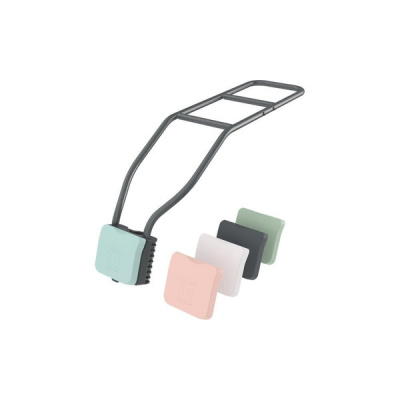
Getting the right Urban Iki child seat starts with your bike's geometry and rack setup - and the details matter more than most listings let on. For front seats, the stem-mounted bracket is designed to clamp steerer tubes between 22mm and 28mm in diameter. That covers the vast majority of standard road and hybrid forks, but if you're running a modern threadless aheadset on a gravel or flat-bar bike, you may need a compatible aheadset adapter to get a clean, safe fit. Worth checking before you buy.
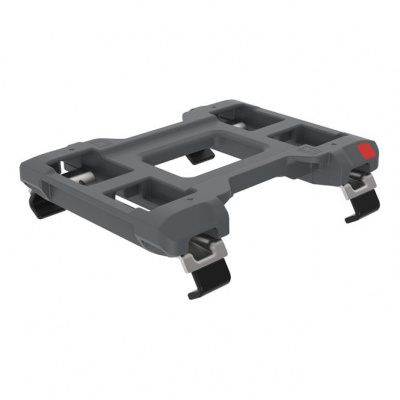
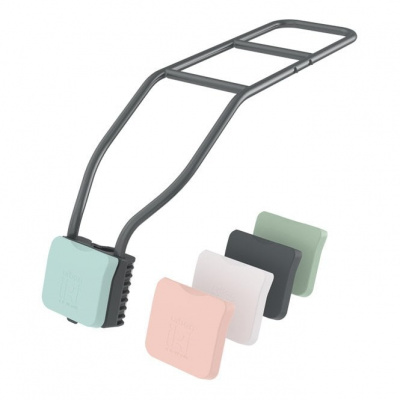
Rear seats give you two mounting routes. The frame-mount option clamps directly to the seat tube and works with tubes in the 28 - 40mm range - functional on most steel and aluminium frames, though you'll want to look at cable routing before you commit, since external brake and gear cables can conflict with the bracket position on some bikes. The rack-mount option requires your rack to meet ISO 11243 standard: a platform width of 120 - 175mm and a rated load capacity of at least 25kg. Don't assume your old rack qualifies - check the spec sheet.
If you're running an e-bike, battery placement is the variable that catches people out. A large downtube or rear-integrated battery can obstruct a rack's mounting points entirely, in which case a frame-mount rear seat is typically the cleaner solution. We'd always recommend measuring clearance before ordering.
For replacement mounting brackets, spare bolts, or rack adapters, head to the Urban Iki pannier rack spares page or the broader Urban Iki spare parts section - both are stocked separately and worth bookmarking once your seat is fitted.
Front, Rear, or Junior - Picking the Right Seat for Your Child
Urban Iki's range breaks into three tiers, and each one handles differently on the bike. Understanding that before you buy saves a lot of second-guessing.
Front seats are rated for children aged nine months to three years, with a maximum weight of 15kg. Positioning your child in front keeps them closer to the bike's centre of gravity, which most riders find easier to manage at low speeds and when manoeuvring. You can see your child, they can see where you're going, and the bike's handling stays relatively predictable. The trade-off is that your riding position narrows - it's a genuine adjustment, and taller riders sometimes find it more restrictive than shorter ones.
If you're unsure whether front or rear suits your setup better, the Bobike child seats range offers similar front-mounting options and is worth comparing for handlebar clearance on wider cockpits.
Rear seats cover nine months to six years, up to 22kg. This is where most riders end up once a child is past toddler age - the weight sits lower and further back, the bike's front end stays lighter, and handling on longer rides is generally more manageable. Select rear models include MIK HD carrier compatibility, which broadens your rack options considerably and makes the Click & Go system work across a wider range of setups. If you're planning to use the same seat across two bikes - a cargo commuter and a weekend hybrid, say - MIK HD support is worth prioritising.
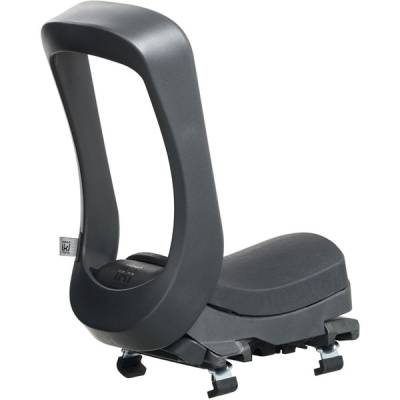
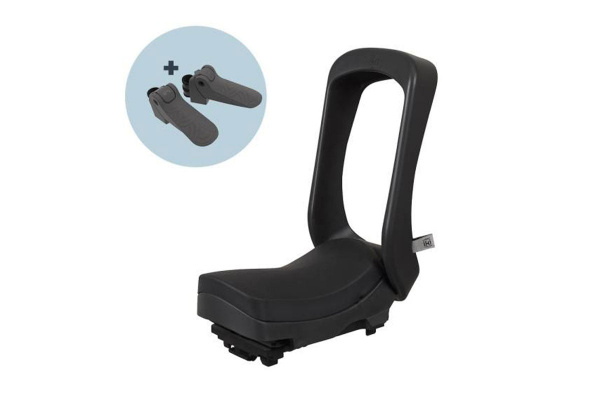
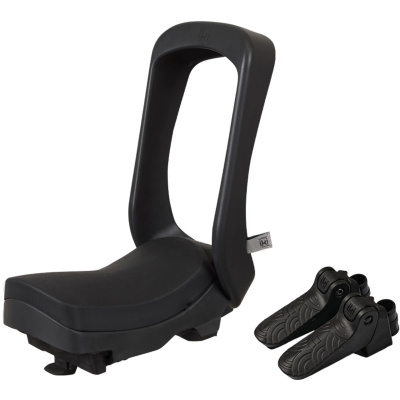
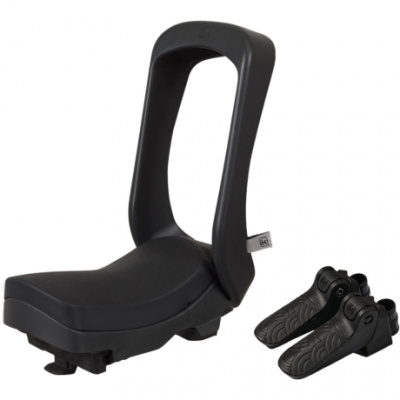
Junior seats are built for five to ten year olds and carry a 35kg maximum load. The folding backrest is useful for storage, and the seat itself is noticeably more substantial. That weight requires a heavy-duty rear rack rated to match - a standard 25kg commuter rack won't cut it here. Check your rack's rated capacity against the combined weight of seat and child before fitting. Alternatives like Thule child seats and Hamax child seats are worth a look at this end of the weight range if you want to compare backrest designs and rack load ratings side by side.
Keeping It Running Through the School Run and Beyond
UK roads are hard on mounting hardware. Potholes, grit, salt, and near-constant damp are the reality - and they'll find any weakness in a quick-release mechanism or a bracket that's slightly undertorqued. The good news is that Urban Iki's system is straightforward to maintain if you stay on top of it.
Start with the Click & Go mechanism. Winter road salt and fine grit will work their way into the release point over time, and heavy grease will make it worse - it traps dirt rather than repelling it. A dry PTFE spray is a much better option: it lubricates without attracting debris, and a quick application every few weeks through winter keeps the click feeling positive and the lock holding firmly. Give the mechanism a rinse with clean water after any particularly gritty ride.
The water-repellent EVA foam cushion is genuinely well-suited to the UK climate. It doesn't absorb water the way a fabric-covered seat does - wipe it down, and it's ready to go. The Japanese wave pattern isn't just aesthetic; the textured surface channels water rather than pooling it.
On the mounting bracket itself, check the torque on your bolts monthly. Urban Iki specifies 5 - 8 Nm for most bracket fittings - not a lot of force, but enough that you need a torque wrench to be certain rather than guessing by feel. Road vibration from pothole-heavy commutes will back off undertorqued bolts surprisingly quickly. A brief monthly check takes two minutes and catches problems before they become safety issues. If you're running a rear rack setup, also check the rack's own fixing points at the same time.
Polisport child seats use a broadly similar rack-mount approach and are worth comparing if you want a second opinion on bracket design for rough road use.
Urban Iki Child Seats FAQs
Does Urban Iki fit on an electric bike?
Yes - Urban Iki rear seats work with most e-bikes, but compatibility depends on your rack and battery position. Your rack needs to be ISO 11243 compliant with a 25kg minimum load rating. If your battery obstructs the rack mounting points, the frame-mount version is usually the cleaner solution. Always check clearance around the battery before fitting. Don't forget to secure your bike at the school gates - the <a href="https://bikesy.co.uk/b/urban+iki/locks/">Urban Iki locks</a> range is worth pairing with your seat.
How do you attach an Urban Iki rear seat?
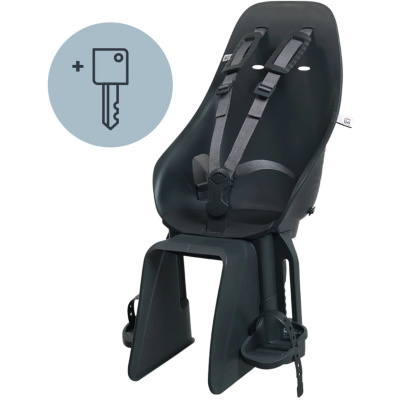
The Click & Go mounting frame bolts to either your rear rack or seat tube - torque the bracket to the specified 5 - 8 Nm, and the seat itself then clicks onto the base and locks with an integrated key. Once the bracket is fitted, day-to-day removal and reattachment takes seconds. Check bolt torque monthly, particularly if you're riding on rough roads.
What age is the Urban Iki front seat for?
The front seat suits children from nine months old up to around three years, with a maximum weight limit of 15kg. It mounts to the steerer tube ahead of the bars, keeping your child close and the bike's weight balanced. Once your child outgrows that 15kg limit, a rear seat is the natural next step.