
Upgrade Helmets
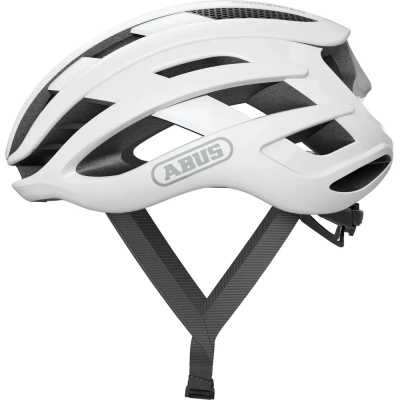
Upgrade Helmets cover the full spectrum of what road and trail riders actually need - protection that doesn't feel like a compromise, whether you're grinding up a Welsh climb in August humidity or descending into a headwind on a grey November afternoon. Each helmet in the range is built around an in-mold EPS foam core, a construction method that bonds the polycarbonate shell directly to the foam for a stiffer, lighter result than a separately assembled lid. The micro-adjust dial retention system gives you a precise, repeatable fit every time you pull it on - none of that slight wobble that makes you question yourself mid-descent. Ventilation channels are shaped to draw air through from the front and exhaust it at the rear, so heat doesn't just pool around your scalp on harder efforts. Inside, the moisture-wicking, antibacterial padding manages sweat without turning every long ride into a hygiene problem. For UK riders dealing with variable conditions and low-light commutes, several models also feature high-visibility accents and reflective detailing. Whether you're after a featherlight climber or a more aerodynamic profile for flat roads and time trials, there's a clear logic to how the Upgrade range is structured - and we'll walk you through it below.
Prices and availability can change quickly. Delivery charges are not always included in listed prices.
Final price, stock status and delivery terms are set by retailer. We may receive a commission on purchases made.
Padding, Shell, and How the Helmet Handles the British Climate
The internal softgoods on Upgrade helmets do more work than most riders give them credit for. The moisture-wicking padding is treated with antibacterial agents, which matters when you're stacking up back-to-back rides in a humid British summer - think steep Surrey Hills efforts where the sweat doesn't stop just because you've crested the top. Rather than simply absorbing moisture and holding it against your skin, the fabric is designed to pull it away and let it disperse, keeping that clammy feeling at bay during high-intensity efforts.
The polycarbonate shell and its optimised exhaust vents are where Upgrade's aerodynamic thinking becomes practical. On warm days, the ventilation channels generate enough airflow to make a real difference on climbs. On colder descents - the kind you get dropping off the North York Moors in October - the same channels don't turn the helmet into a wind tunnel, largely because the aerodynamic profile keeps airflow directed rather than chaotic. That's a meaningful trade-off to understand: heavily vented helmets run cooler but can feel brutal in winter; Upgrade's shell profiling tries to sit somewhere sensible between the two extremes.
For low-light riding, which is simply a fact of life for UK cyclists from October through March, look for models with reflective detailing built into the shell or straps. It's not a replacement for lights, but on unlit lanes it adds a layer of visibility that costs nothing in weight or comfort.
Fit Systems, Head Shapes, and Choosing Your Model
Getting the fit right on any helmet is more important than the spec sheet, and Upgrade cycling helmets make that easier with a micro-adjust dial retention system at the rear. Turn it clockwise and the internal cradle tightens evenly around the back and sides of your head; anticlockwise releases it. The key point is zero wobble - if you can rock the helmet side to side with the chin strap loose, the dial needs another click or two. It should feel snug but not vice-like, sitting level about two finger-widths above your eyebrows.
Head shape matters here. Most Upgrade helmets suit a moderately oval head profile, which covers the majority of riders. If your head is notably round or very long-oval, it's worth checking the specific model's cradle geometry before buying - a helmet that fits poorly at the sides will leave pressure points on longer rides regardless of how good the padding is. Need a comparison point? Giro helmets tend to run slightly rounder in their fit profile, while Bell helmets sit closer to Upgrade's moderate oval - useful context if you've worn either brand before.
Within the Upgrade range, the lightweight climbing-focused models prioritise an open, heavily channelled design - more vents, less shell coverage, minimal weight. The aero-optimised options close up the front venting, smooth out the profile, and trade some airflow for speed. Neither is strictly better; it depends entirely on the riding you do. If your weeks are full of hilly sportives and long road rides, the vented climber makes more sense. If you're chasing flat TT times or riding in a bunch where aerodynamic efficiency compounds over distance, the aero shell earns its keep. Endura helmets are worth a look as a direct comparison if you want a UK-focused brand at a similar positioning.
MIPS technology - a slip-plane liner that moves independently of the shell on angled impact - appears across several Upgrade models. If it's available in your size and budget, it's worth having. The rotational force reduction it provides on oblique impacts is well-documented, and it adds very little weight or bulk to the fit.
Winter Layering, Care, and Making the Helmet Last
One underrated feature of the dial retention system is how easily it adjusts for layering. Fitting a thermal skull cap underneath is a simple matter of loosening the dial, pulling it on, and dialling back in - the cradle accommodates the extra thickness without making the helmet sit awkwardly high. A waterproof cycling cap brim under the front edge works the same way. It sounds obvious, but plenty of riders buy a helmet without checking this and end up with a cold-weather setup that either wobbles or cuts into their forehead.
The removable moisture-wicking pads should come out for washing every few weeks if you're riding regularly - more often in summer. Hand wash them in cool water with a small amount of mild soap, rinse thoroughly, and let them air dry flat. Bunging them in a washing machine on a hot cycle degrades both the foam backing and the antibacterial treatment faster than you'd expect. The same logic applies to storage: keep the helmet somewhere dry and away from direct heat sources. A damp garage or a shelf above a radiator will quietly degrade the EPS foam core over time, reducing the protection it can offer without any visible sign of damage from the outside.
For anything beyond pad cleaning - strap replacement, cradle parts, or shell repairs - Upgrade spare parts are worth checking before you assume the helmet is done. Some manufacturers offer crash replacement schemes at a reduced cost, which is worth registering for at the point of purchase. And if you're pairing a new helmet with a full component refresh, Upgrade headsets sit alongside the helmet range on Bikesy for a reason - consistent brand quality across contact points matters more than it sounds.
One more thing worth saying plainly: if the helmet takes a significant hit - even one you walked away from without injury - replace it. The EPS foam core absorbs impact by crushing microscopically, and it doesn't recover. It can look completely intact and offer a fraction of its original protection. That's not a scare tactic; it's just how the material works.
Upgrade Helmets FAQs
How do I know if my Upgrade helmet fits correctly?
It should sit level on your head, roughly two finger-widths above your eyebrows. Dial the retention system in until there's no movement when you shake your head - if the helmet rocks side to side with the chin strap loose, it needs tightening. Snug but not uncomfortable is what you're after.
How often should I replace my cycling helmet?
Replace it immediately after any crash or hard impact, even with no visible damage - the EPS foam core works by crushing internally and won't protect you the same way twice. Beyond that, plan on a new lid every three to five years; UV exposure and sweat gradually break down the foam even without a knock.
Can I wash the padding in my Upgrade helmet?
Yes - the internal pads are removable and should be washed regularly, especially through summer. Hand wash in cool water with mild soap, rinse well, and leave them to air dry flat. Skip the washing machine; the heat and agitation will wear out the antibacterial treatment and the foam backing faster than you want.