
Universal Mountain Bikes
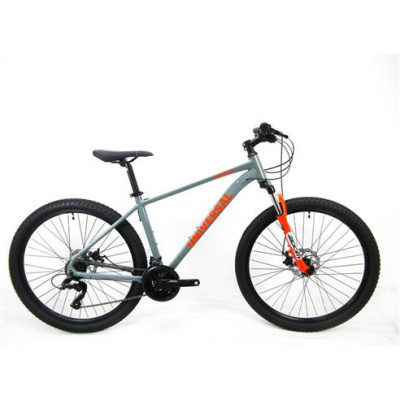
Universal Mountain Bikes sit at the accessible end of the MTB market - and that's precisely the point. If you're new to off-road riding, buying for a teenager who'll outgrow it, or simply want something dependable for canal towpaths and woodland fire roads without committing serious money, Universal has you covered. The range leans on robust high-tensile steel and 6061 alloy frames, keeps gearing simple with Shimano-based drivetrains, and fits coil-sprung forks up front to take the edge off roots and gravel. None of that is glamorous. All of it works. You get the essential off-road geometry - relaxed head angle, wide bars, flat pedal-friendly spec - that makes learning to ride trails actually enjoyable rather than a white-knuckle battle with the bike. Whether you're heading out with the kids on a blue-graded trail centre loop or ticking off a few miles of bridleway, Universal gives you a solid, no-fuss platform to build confidence. At Bikesy we pull live prices from across the UK, so you can compare the full Universal range in one place and find the right bike for your budget.
Prices and availability can change quickly. Delivery charges are not always included in listed prices.
Final price, stock status and delivery terms are set by retailer. We may receive a commission on purchases made.
Decoding the Universal Mountain Bike Lineup
Universal's range splits cleanly into two camps: hardtail and full suspension. The hardtails are the more capable option for actual trail use - a rigid rear end transmits your pedalling directly into forward momentum, which matters more than you'd think when you're grinding up a muddy climb. Full-suspension models in this price bracket trade some of that efficiency for a slightly more forgiving ride on rough ground, though the rear linkage is basic by any measure. Think towpaths and gravel tracks rather than North Shore-style drops.
Wheel sizing follows a familiar pattern. The 26-inch mountain bike format still dominates Universal's entry-level catalogue - it's nimble, the tyres are cheap, and the geometry suits shorter riders well. As a rough guide, 26-inch suits riders from around 5'4" to 5'9". If you're taller or want slightly better rollover on rougher ground, look for their 27.5-inch models, which handle blue-graded trail centre riding with more composure. The step up in wheel diameter genuinely does flatten out small obstacles - it's the difference between hopping over a root and rolling through it.
Frame geometry splits along broadly conventional lines too. Universal mens mountain bike options use a standard diamond frame with a high top tube, while the Universal ladies mountain bike versions typically run a dropped or step-through top tube for easier mounting. The step-through isn't just about convenience - it also shifts the rider's centre of gravity slightly lower when standing over the bike, which beginners often find reassuring on technical-ish ground. If you're buying for the family, a Universal kids bike might be worth pairing alongside - the geometry logic scales down consistently through the range.
The Universal Tech Philosophy
Universal doesn't chase innovation. What they do instead is apply proven, affordable components sensibly - and for a first off-road bike, that's a reasonable approach. The frame materials tell the story quickly. High-tensile steel is heavier than alloy, but it absorbs trail vibration in a way that's hard to quantify until you've ridden both back-to-back. It also bends rather than cracks under impact, which is forgiving when beginners occasionally meet the ground. The trade-off is weight - you'll feel it on longer climbs. Universal's 6061 alloy frames shave some of that mass and feel more responsive on the flat, making them the better pick if you're planning regular rides of any real distance.
The drivetrain centres on Shimano Revoshift grip-shifters - the twist-to-change system where you rotate the grip to move through the gears. For a beginner, these have a genuine advantage: the gear indicator is right in front of your thumbs, you never have to move your hand position to shift, and the action is direct enough to feel deliberate. It's not the system you'd choose for fast technical riding, but for recreational trail riding and learning gear indexing from scratch, it makes sense. Shimano Tourney-based derailleurs handle the mechanical side, and while Tourney is firmly entry-level, it indexes reliably when the cable tension is kept in check.
Up front, coil-sprung suspension forks - typically Zoom-style units - give you around 60 - 80mm of travel. Enough to soften gravel chatter and small roots. Not enough for anything resembling proper trail centre use on red or black routes. Treat them as vibration dampers rather than active suspension and you'll set your expectations correctly. V-brakes are standard on many models, with mechanical disc brakes appearing on some of the newer builds. The discs offer better wet-weather performance - relevant given how often UK rides end in drizzle - though they do need more attention to keep the rotors true. Compared with something like an Apollo mountain bike or a Boss mountain bike at a similar price point, Universal's spec sheet is broadly comparable - the differences come down to individual component choices rather than any meaningful quality gap.
Living with a Universal MTB in the UK
British weather tests budget bikes harder than most. High-tensile steel frames are the main thing to stay on top of - a few wet towpath rides and a winter in a damp shed will introduce surface rust faster than you'd expect. The fix is simple and takes two minutes: wipe the frame down after muddy rides, keep a thin coat of GT85 or similar on any exposed steel, and check the bottom bracket shell and head tube junctions where water pools. It's not glamorous maintenance, but it extends the bike's life considerably.
Chains need lubricating after every wet ride. Grit from canal paths and forest tracks acts like grinding paste on the drivetrain, and a worn chain will chew through the cassette faster than you'd want on a budget build. Dry lube works fine in summer; switch to a wet lube once October arrives and don't look back until April. The Shimano Tourney drivetrain rewards this kind of basic care with consistent shifting - neglect it and the Revoshift action becomes notchy and imprecise.
V-brake pads bed in quickly on gritty trails and lose their bite gradually - you'll notice the levers pulling closer to the bars before stopping power drops noticeably. A half-turn of the barrel adjuster at the lever usually restores the feel. Mechanical disc brakes need cable tension checked after the first few rides as the inner cables stretch; if the lever feels spongy, that's your first adjustment point before assuming pad wear. Neither system is complicated. Both respond well to regular attention. If you're weighing up whether to go this route or spend more on something like a Falcon mountain bike, the honest answer is that maintenance demands are similar - the gap is in ride quality on demanding ground, not day-to-day reliability.
One practical note if you're buying for a mixed-ability family: the Universal hardtail vs full suspension decision often comes down to where you're actually riding. Towpaths and fire roads? The hardtail is lighter, easier to maintain, and more than adequate. Rougher bridleways and occasional trail centres? The full-suspension gives less experienced riders more confidence, even if the rear end is basic. And if hybrid riding is also on the agenda, Universal hybrid bikes cover that ground more efficiently than adapting an MTB for road use.
Universal Mountain Bikes FAQs
Are Universal mountain bikes good for beginners?
Yes. Universal mountain bikes are designed around beginner and casual riders - durable frames, Shimano Revoshift grip-shifting that's easy to learn, and geometry that prioritises stability over performance. They're well-suited to towpaths, fire roads, woodland tracks, and family days out on blue-graded trails. They're not built for aggressive trail riding, but that's not what they're for.
How do I assemble a boxed Universal mountain bike?
Most Universal bikes arrive roughly 85% assembled. You'll typically need to fit the front wheel, pedals, handlebars, and saddle. Always grease the pedal threads before fitting - left pedal is reverse-threaded. Once built, check all bolts are properly tightened, set the saddle height, and adjust brake cable tension before your first ride. The included manual walks through each step.
What size Universal mountain bike do I need?
Universal sizes most entry-level models by wheel diameter rather than frame size. A 26-inch wheel model generally suits riders from 5'4" to 5'9". If you're taller or want better rollover on uneven ground, a 27.5-inch model is the more comfortable fit. For younger or shorter riders, 24-inch wheel versions are available. When in doubt, size up - you can adjust saddle height, but you can't change the frame.